Trump’s Warning To Israel Reveals A Bigger Power Struggle Behind The Iran Crisis
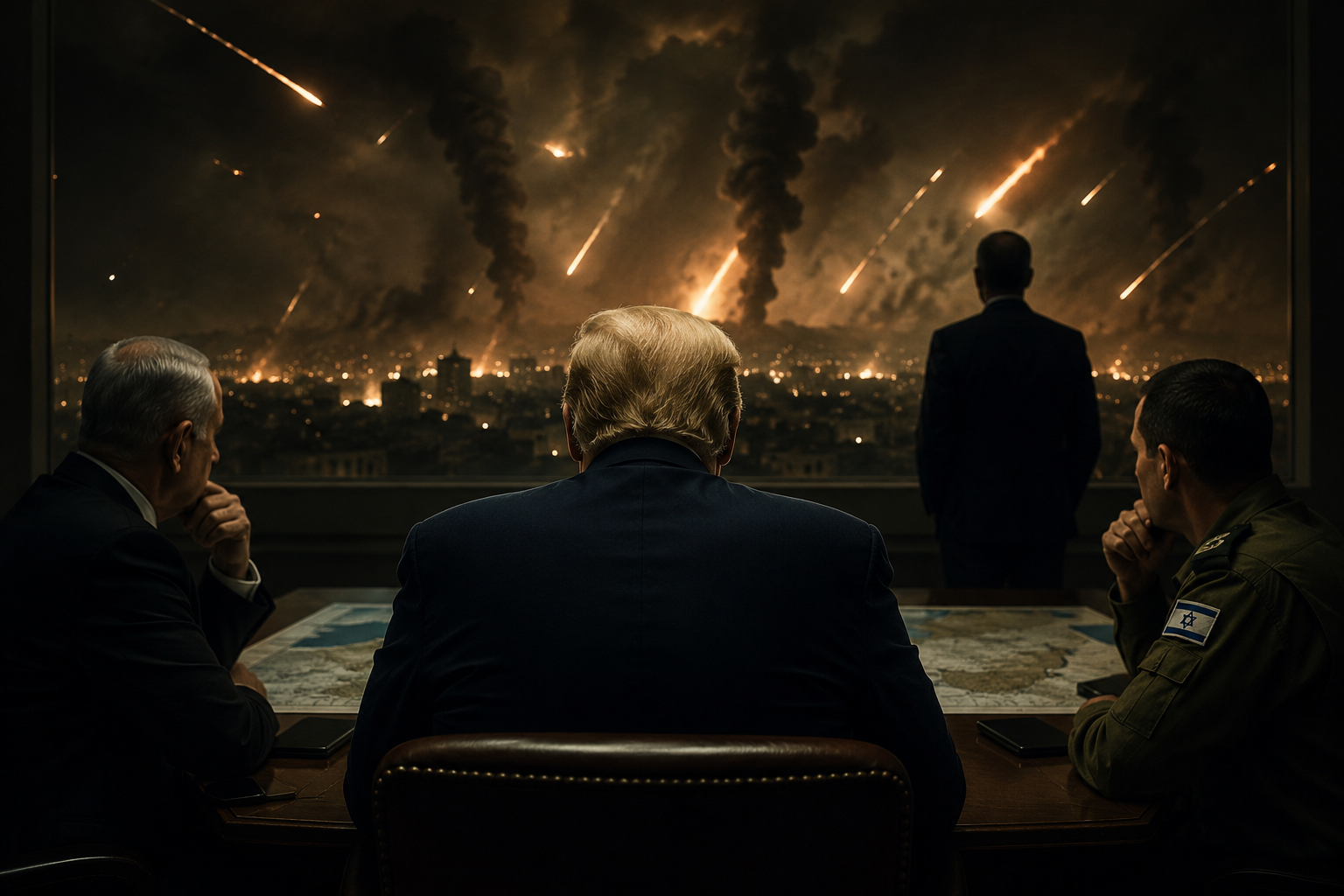
Trump Moves To Restrain Israel After Iranian Missile Retaliation
Trump Tries To Stop Israel As The Middle East Edges Toward Another Dangerous Turning Point
President Donald Trump has indicated that he intends to press Israel not to escalate further after Iran launched missiles in retaliation for an earlier strike connected to events in Beirut. The move places Washington in an increasingly uncomfortable position: supporting Israel while simultaneously attempting to prevent a broader regional crisis.
On the surface, this looks like another familiar exchange of attacks and counterattacks. In reality, it exposes a deeper problem. Every retaliation creates political pressure for another retaliation, and every round makes diplomacy harder. Trump appears to believe that another major Israeli response could undermine ongoing efforts to secure a wider understanding with Tehran.
A Test Of How Much Influence Washington Still Holds
The most important question may not be what Iran does next. It may be whether Israel follows Washington's advice at all.
Reports indicate Trump directly urged Israeli Prime Minister Benjamin Netanyahu to avoid further escalation. Yet subsequent Israeli strikes suggest that Jerusalem is prepared to make decisions based primarily on its own security calculations rather than American diplomatic priorities.
That creates a potentially uncomfortable reality for the White House. The United States remains Israel's closest ally, but alliances do not automatically produce obedience. When leaders believe national security is at stake, they often pursue their own course regardless of diplomatic pressure.
Why Trump Wants The Fighting To Stop
Trump's position appears tied to a broader strategic objective. Multiple reports suggest the administration believes progress is possible on negotiations involving Iran and that another major escalation could derail those efforts entirely.
For Washington, the danger is obvious. Regional conflict has a habit of expanding beyond its original trigger. A missile exchange can become a wider confrontation. A wider confrontation can draw in additional actors. Energy markets, shipping routes and allied governments all begin reacting long before a formal war is declared.
That is why calls for restraint often emerge even when governments publicly support their allies. Preventing escalation is frequently viewed as a strategic victory in itself.
The Market And Security Risks Are Already Emerging
Financial markets rarely wait for certainty. Oil prices have already reacted to fears that the latest violence could develop into something larger. Energy traders understand that even limited instability in the region can create significant economic consequences far beyond the Middle East.
Security concerns are growing as well. Iranian officials have issued warnings about further retaliation, while Israeli forces continue preparing for potential future attacks. The result is a region operating under heightened tension where miscalculation becomes a genuine risk.
History repeatedly shows that conflicts often become most dangerous when leaders believe they are acting defensively. Each side sees its actions as justified. Each side views the other as the aggressor.
The Real Battle Is Now Political
The military exchange is visible. The political struggle is less obvious.
Trump appears determined to position himself as the central figure capable of managing the crisis, publicly emphasizing his role in shaping outcomes and attempting to prevent further deterioration. At the same time, Israeli leaders face domestic pressure to demonstrate strength and deterrence after direct missile attacks. Iran faces its own pressure to avoid appearing weak after Israeli actions in Lebanon and elsewhere.
That combination creates an environment where every leader has incentives pushing toward escalation even while publicly discussing peace.
What Happens Next Matters Far Beyond The Region
The next few days could determine whether this becomes another temporary flare-up or the beginning of a larger confrontation.
If restraint prevails, the latest missile exchange may ultimately be remembered as a dangerous but contained crisis. If retaliation continues, diplomatic efforts could become significantly more difficult and regional instability could deepen.
The most revealing aspect of the story is not the missiles themselves. It is the fact that Washington is now actively trying to slow events rather than accelerate them. That suggests decision-makers see genuine risks ahead.
Whether those warnings are heeded remains the most important unanswered question.
