Trump’s Final Warning Meets Iran’s Hardline Defiance — Why This Standoff Is Now Bigger Than Any Deal
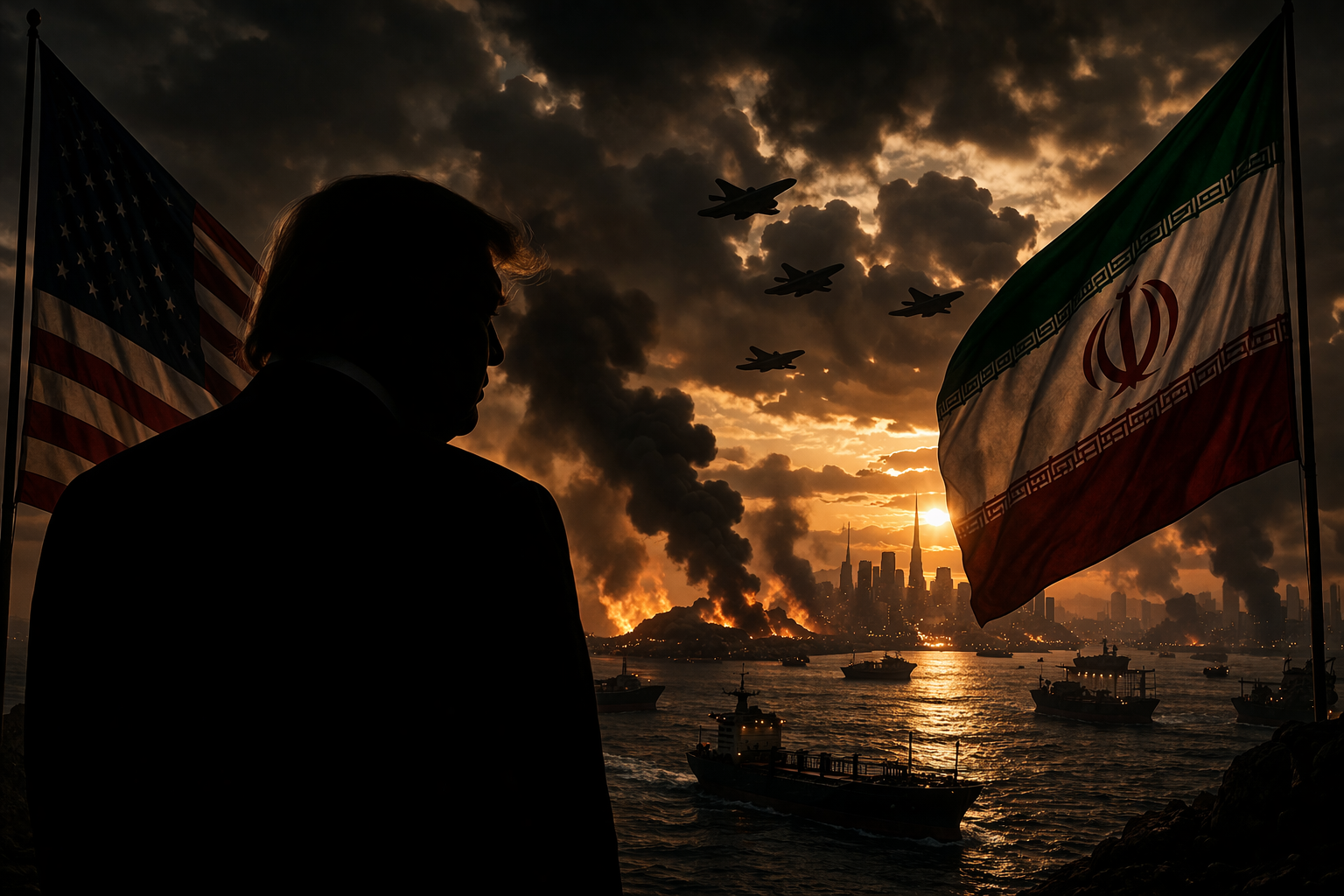
“No Deal Possible”: Iran Rejects Terms As Trump Escalates Toward Brink
Iran’s demands weren’t just rejected—they were designed to be. This isn’t a failed negotiation. It’s a strategic collision unfolding in real time.
This Was Never Really About a Deal.
At face value, the situation looks simple: a deadline, a set of demands, and a negotiation that failed.
But that reading misses the real story.
The United States, under Donald Trump, has issued one of the most extreme ultimatums in modern geopolitics — warning of catastrophic consequences if Iran does not comply. Trump has gone as far as suggesting that “a whole civilization will die tonight” if Tehran refuses to meet his terms.
In response, Iran has not attempted to compromise on those terms.
It has rejected them outright—and replaced them with demands of its own: a permanent ceasefire, compensation, sanctions relief, and strategic control over the Strait of Hormuz.
That is not negotiation.
That is positioning.
Iran’s Terms Were Meant To Be Unacceptable
There is a key misunderstanding in most coverage.
Iran isn’t failing to agree.
Iran is choosing not to agree.
Its demands are structurally incompatible with U.S. objectives. Control over the Strait of Hormuz—a chokepoint for roughly 20% of global oil—is not a bargaining chip that the U.S. can concede.
Likewise, reparations and long-term guarantees would require Washington to admit strategic failure — something no administration will do under pressure.
So why ask for them?
This is because it reframes the narrative.
Iran positions itself not as the side rejecting peace, but as the side demanding a “real” end to war—while casting U.S. proposals as temporary, coercive, and unstable.
That matters globally.
Trump’s Rhetoric Isn’t Negotiation — ’s Pressure Engineering
Trump’s messaging has not softened.
If anything, it has intensified—from warnings of infrastructure strikes to existential language about destruction.
That is not accidental.
This is pressure engineering.
The logic is simple:
Raise stakes to maximum level
Compress time with a deadline
Force the opponent into a binary choice
But there is a risk embedded in this strategy.
If the other side does not yield, escalation becomes the only remaining credible move.
And that is precisely where this situation is heading.
The Real Battle Is About Credibility
This is the part most people miss.
The core issue is no longer the specific terms.
It is credibility.
If Trump backs down after issuing an existential ultimatum, the signal to the world is clear: extreme threats are negotiable.
If Iran backs down under pressure, the signal is equally clear: resistance collapses under force.
Neither side can afford that outcome.
So both sides escalate.
Not because they want war.
But because they cannot be seen to lose.
What Media Misses
Most coverage treats this as a negotiation that failed.
It isn’t.
It’s a negotiation that was never meant to succeed under current conditions.
Iran’s demands make agreement politically impossible for the U.S.
The U.S. demands make compliance strategically unacceptable for Iran.
That is not dysfunction.
That is symmetry.
And symmetry like this does not resolve easily.
Why The Stakes Are Now Global
This issue is no longer a regional dispute.
The ripple effects are already visible:
Oil prices surging on supply fears
Global markets reacting to escalation risk
Gulf infrastructure becoming active targets
The Strait of Hormuz is not just a geographic point.
It is a global economic artery.
Any sustained disruption doesn’t just hit energy markets—it feeds directly into inflation, interest rates, and economic stability worldwide.
This is why the world is watching so closely.
What Happens Next
Three realistic paths forward exist.
Most Likely
Limited escalation continues—targeted strikes, retaliation, and controlled instability without full-scale war.
Most Dangerous
The deadline triggers a major strike campaign, pulling in regional actors and expanding the conflict.
Most Underestimated
A delayed, indirect deal—not through direct agreement, but through exhaustion, intermediaries, and shifting leverage.
Talks are reportedly continuing through third parties like Pakistan and Turkey.
That suggests one thing clearly:
Even as both sides escalate publicly, neither has fully closed the door.
The Real Meaning Of This Moment
This isn’t about whether a deal happens today.
It’s about what kind of world emerges if deals like this become structurally impossible.
When both sides
Set conditions the other cannot accept
Escalate rhetoric to maximum levels
Tie outcomes to credibility rather than compromise
You don’t get diplomacy.
You experience a collision.
And once a situation becomes a collision, the outcome is no longer decided at the negotiating table.
It is decided by who is willing—or forced—to move first.
