Trump’s “Hell” Threat Raises Risk of Gulf Explosion
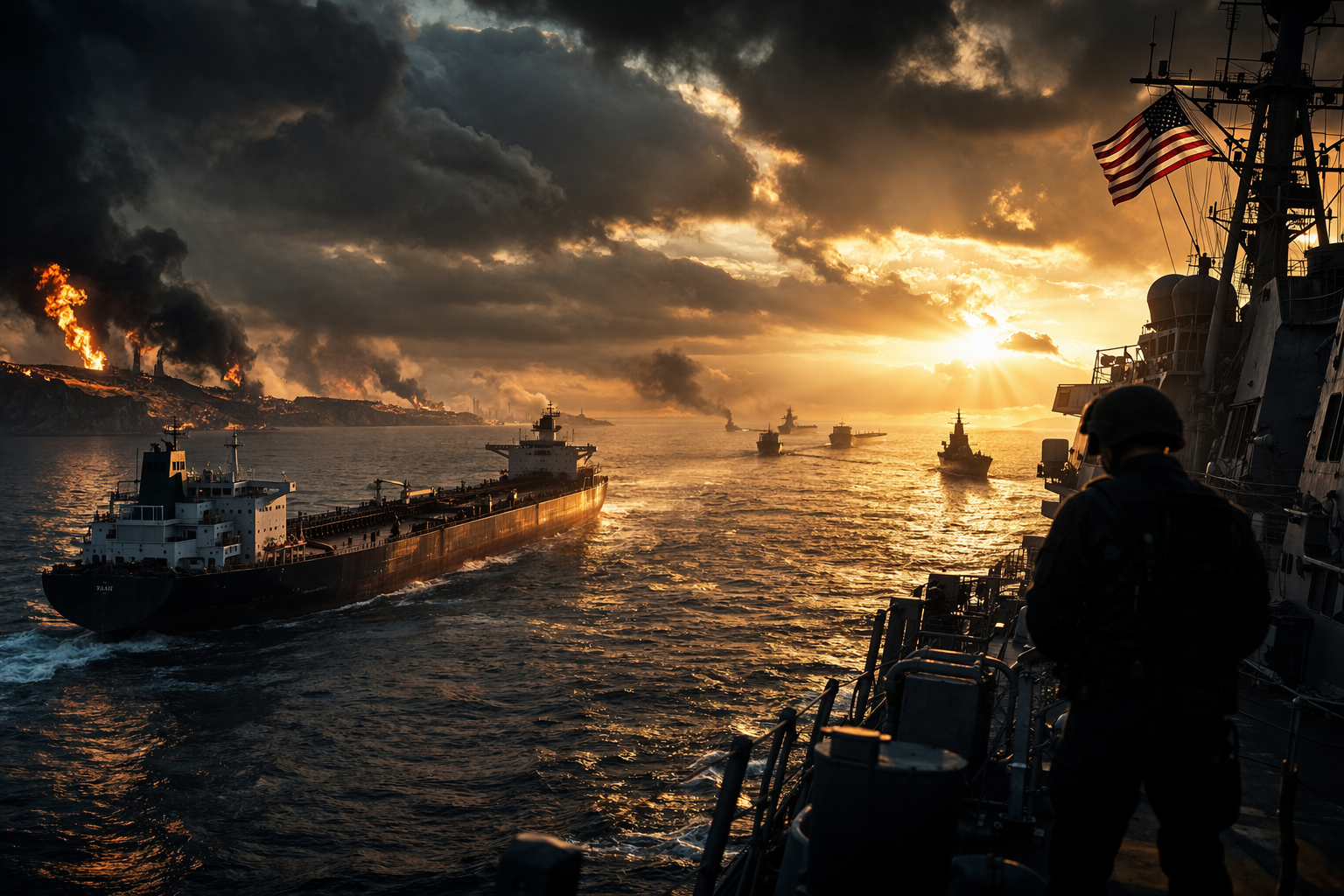
Trump’s Hormuz Deadline Could Trigger a Regional War
Trump’s Strait of Hormuz Ultimatum Raises Risk of Direct US–Iran Escalation
Donald Trump has issued a hard deadline to Iran: reopen the Strait of Hormuz by Tuesday or face major US strikes, including potential attacks on civilian infrastructure.
The threat comes amid an already active conflict involving US and Israeli strikes on Iranian targets and Iranian retaliation across the Gulf. The immediate question readers are asking is simple: is this brinkmanship or the start of a much wider war?
The stakes are extreme. Around 20% of global oil flows through the Strait. Any prolonged disruption hits energy prices, supply chains, and geopolitical stability almost instantly.
The story turns on whether the ultimatum is enforced—or quietly walked back again.
Key Points
Trump has given Iran a fixed deadline to reopen the Strait or face “massive” strikes
Targets reportedly include infrastructure like power plants and bridges, raising legal and escalation concerns
Iran has rejected the deadline and warned of broader retaliation across the region
Oil markets and shipping flows are already heavily disrupted, with prices surging and traffic collapsing
A ceasefire proposal is being explored, but no agreement is in place yet
Repeated US deadlines may be weakening deterrence and credibility in real time
What Actually Happened—and Why It Matters Now
The latest escalation follows weeks of conflict that began after Iran restricted or effectively closed the Strait following US and Israeli strikes.
Trump’s warning—delivered publicly and in unusually aggressive language—marks a shift from pressure to explicit conditional escalation: comply, or face direct infrastructure destruction.
That matters because it changes the nature of the confrontation.
This is no longer just about naval security or tanker escorts. It becomes a question of:
whether the US is willing to strike deeper inside Iran
whether Iran is willing to absorb that and retaliate asymmetrically
whether other regional actors get pulled in
Meanwhile, there are signs of parallel diplomacy. A Pakistan-brokered ceasefire proposal is on the table, suggesting both sides are still testing off-ramps.
But the timing is tight. Markets and militaries are reacting in real time.
Why the Strait of Hormuz Is the Pressure Point
The Strait of Hormuz is one of the most critical energy corridors on Earth.
Roughly one-fifth of global oil supply moves through it.
When traffic drops—even partially—the effects cascade:
oil prices spike
insurance costs surge
shipping reroutes or halts
import-dependent economies feel immediate pressure
Recent data shows traffic has already fallen sharply, and Brent crude has surged dramatically during the crisis.
That’s why this isn’t just a regional dispute. It’s a global economic lever.
The Escalation Ladder: What Happens If the Deadline Passes
If Iran does not reopen the Strait, there are several plausible next steps:
1. Targeted US Strikes
Trump has explicitly referenced infrastructure targets such as energy systems and transport networks.
This would mark a major escalation beyond military targets.
2. Iranian Retaliation
Iran has already signaled broader regional responses, including strikes on Gulf infrastructure and allied states.
This could expand the conflict across multiple countries.
3. Maritime Confrontation
The US Navy could attempt to force passage through the Strait, risking direct clashes at sea.
4. Regional Spillover
Groups aligned with Iran—such as militias or proxy forces—could target shipping lanes or energy infrastructure beyond the Gulf.
At that point, the conflict stops being contained.
What Most Coverage Misses
The overlooked hinge is not just military capability—it’s credibility under repetition.
Trump has issued multiple deadlines over the past two weeks. Many have shifted or been extended.
That creates a paradox:
If the US does not act, the threat loses deterrent power
If the US does act, escalation becomes much harder to control
This is not just a tactical situation. It is a signaling game under time pressure.
Markets, allies, and adversaries are all watching whether the deadline actually holds.
That credibility question may now matter as much as the Strait itself.
Civilian Infrastructure and Legal Risk
One of the most controversial aspects of the threat is the mention of civilian infrastructure.
Legal experts warn that deliberately targeting non-military infrastructure—such as power plants or bridges—could violate international humanitarian law if not clearly justified by military necessity.
This introduces another layer of risk:
potential war crimes allegations
international backlash
pressure from allies reluctant to support escalation
It also signals that the conflict may be moving into a more destructive phase.
Where This Could Turn Next
There are now two competing timelines running at once.
Timeline one: escalation
Deadline passes
Strikes follow
Iran retaliates regionally
Conflict widens
Timeline two: de-escalation
Backchannel diplomacy advances
Limited reopening of the Strait
Ceasefire talks begin
Right now, both tracks are active.
That is what makes the situation unstable.
The Next 72 Hours Will Define the Conflict
This crisis is no longer about whether tensions exist. It is about whether they break containment.
If the Strait reopens, even partially, the crisis may stabilize into a tense but manageable standoff.
If it does not—and the US follows through—the conflict risks shifting into a broader regional war with global economic consequences.
Watch for three signals:
whether oil tankers resume normal passage
whether US military assets reposition for strikes
whether diplomatic channels produce even a partial agreement
The outcome will not just shape the Gulf.
It will shape global energy, markets, and the credibility of coercive diplomacy itself.
