US and Iran Reportedly Close to New Deal as Hormuz Talks Advance
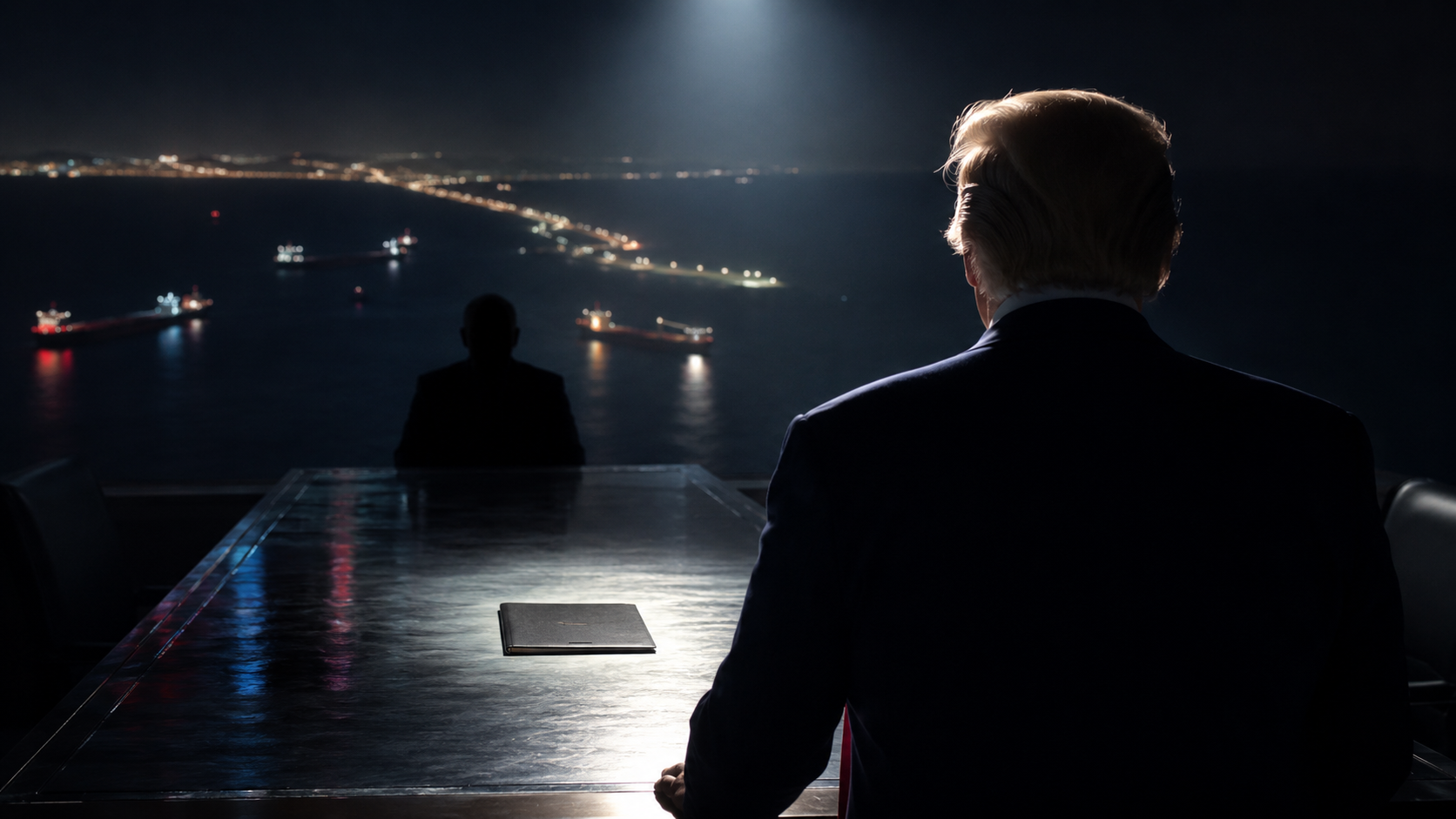
Iran Deal Hopes Surge—But One Huge Obstacle Remains
Pakistan Says US and Iran Are Closing In on an Agreement
The United States and Iran may be approaching a new agreement after Pakistan’s defence minister said recent signals pointed towards “some sort of an arrangement.” The claim has revived hopes that nearly six months of conflict, interrupted trade and pressure around the Strait of Hormuz could finally move towards a negotiated settlement.
Yet no final agreement has been announced by Washington or Tehran. Iran maintains that direct negotiations are not taking place, meaning the apparent breakthrough is being pursued through Pakistan, Oman, Qatar and other intermediaries rather than across a conventional negotiating table.
Pakistan Sees Signs of a Breakthrough
Pakistan’s Defence Minister Khawaja Asif said developments over the previous two or three days suggested that the two sides were moving closer to a peace arrangement or deal. Pakistan has played a central mediating role throughout the confrontation, giving the statement more weight than ordinary diplomatic speculation.
The timing also matters. Pakistan’s interior minister travelled to Tehran for meetings with Iranian officials as the assessment was made, while Qatar said negotiations between Iran and Oman over shipping arrangements in the Strait of Hormuz had reached an advanced stage.
Those parallel diplomatic moves suggest several connected negotiations are progressing at once. The immediate goal appears to be a workable maritime arrangement, with a wider political settlement potentially following if the first stage holds.
Iran Says Messages Are Still Moving
Iranian Foreign Minister Abbas Araqchi has denied that formal talks with the United States are underway, but confirmed that messages are being exchanged through intermediaries. Tehran says it will not return to direct negotiations while it believes Washington is breaching commitments contained in the interim memorandum signed in June.
President Masoud Pezeshkian has nevertheless described the present moment as an opportunity to pursue an agreement. He said Iran wanted to escape the damaging condition of being trapped between war and peace, while insisting that Tehran would not accept demands imposed through military pressure.
That combination explains the apparent contradiction. Iran can publicly refuse direct talks while privately allowing mediators to test compromises, transmit proposals and construct a sequence that neither side initially has to describe as surrender.
Hormuz Is the Immediate Prize
The most advanced negotiations concern new shipping arrangements in the Strait of Hormuz. The narrow waterway is one of the world’s most important energy routes, and disruption there has pushed up transport costs, restricted regional exports and left oil markets exposed to every military or diplomatic development.
Iran and Oman are believed to be finalising the technical design of new shipping lanes. Tehran has indicated that commercial vessels could travel through Iranian territorial waters, but Iranian officials have also warned that this arrangement alone would not automatically reopen the strait.
That distinction is crucial. An Oman–Iran agreement could create the physical and regulatory framework for shipping, while implementation would remain dependent on a broader understanding with Washington.
A maritime deal could therefore become the first stage of a larger settlement rather than its conclusion. It would offer Trump an opportunity to restore energy flows and reduce pressure on allies without immediately resolving every dispute with Tehran.
The Hardest Demands Remain
Iran wants sanctions relief, access to frozen assets, security guarantees and compensation for damage caused during the conflict. It also wants restrictions on further American and Israeli military action and an end to measures it regards as a blockade.
President Donald Trump has rejected the idea that only Iran should receive compensation. He has instead argued that Tehran should answer for American deaths and injuries connected to Iranian forces and allied armed groups.
The nuclear question presents another obstacle. Washington continues to demand that Iran be prevented from obtaining a nuclear weapon, while Tehran insists that it cannot be stripped of what it considers its sovereign nuclear rights.
These disputes make an immediate comprehensive peace treaty unlikely. A narrower agreement covering shipping, military restraint and indirect negotiations is more plausible, particularly if difficult questions about sanctions, reparations and nuclear restrictions are deferred to later stages.
What a Deal Could Change
Even a limited agreement could pull oil prices lower, reduce inflationary pressure and reassure governments dependent on Gulf energy. Markets reacted rapidly to the latest claim, demonstrating how much economic risk is now tied to the negotiations.
The geopolitical consequences could be larger. Any arrangement granting Iran a formal role in managing inbound or outbound traffic through Hormuz would represent a significant shift in regional power and would face close scrutiny from Gulf states, Israel and the United States military.
Trump must therefore secure enough Iranian cooperation to reopen trade without appearing to legitimise Tehran’s control over an international energy artery. Iran, meanwhile, needs tangible concessions that it can present domestically as proof that months of resistance forced Washington to negotiate.
The latest signals are stronger than a routine expression of diplomatic hope, but they do not yet prove that a final deal exists. The decisive test will be whether the advanced Hormuz framework produces actual ship movements—and whether Washington and Tehran can turn indirect messages into obligations both are prepared to keep.
