A Law Built to Punish Sanctions Supporters Is About to Go
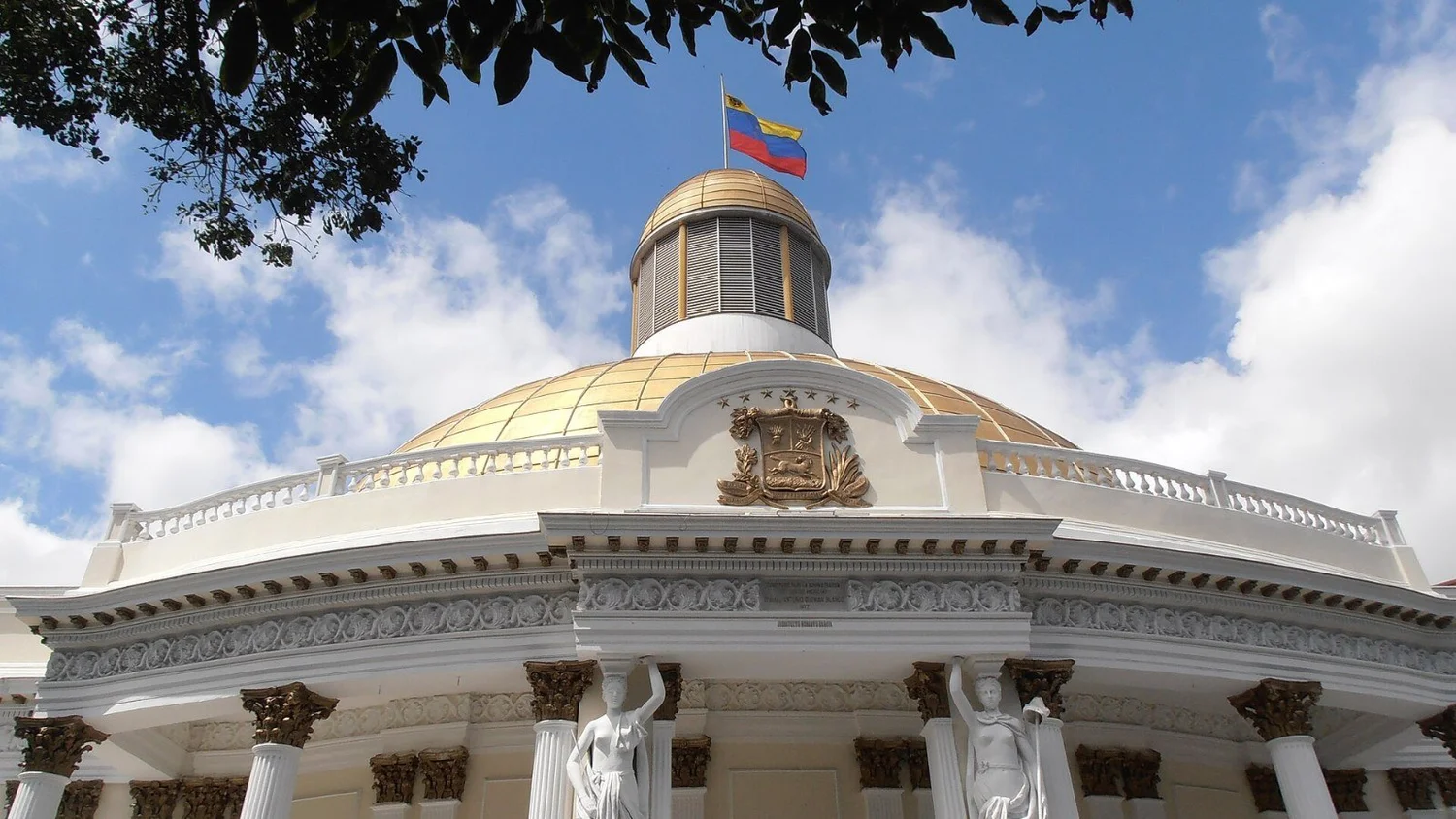
Venezuela's National Assembly will move to repeal the Simón Bolívar Law, the 2024 measure that allows Venezuelans who back foreign sanctions to be banned from public office for life and to have their assets confiscated. The Assembly's speaker, Jorge Rodríguez, announced the plan on Thursday 26 November, according to CNN Español and the BBC. He said the repeal process would begin on Tuesday, and the BBC reports that he expects the change to be approved next week.
Rodríguez is the older brother of Delcy Rodríguez, Venezuela's interim president. He presented the repeal as a contribution to the talks between the interim government and part of the opposition, which have been running since August. For readers following Venezuela's transition after Nicolás Maduro's removal, it is the clearest sign yet that those talks are producing legal changes, although the law has not yet been repealed and no election date has been set.
What the Simón Bolívar Law Does
The law's full name is the Organic Law Liberator Simón Bolívar against the Imperialist Blockade and in Defence of the Bolivarian Republic of Venezuela. CNN Español reports that parliament approved it on 28 November 2024, months after the disputed presidential election of July 2024, and that Maduro then signed it into law.
According to CNN Español and the BBC, its main provisions are:
- A lifetime political ban for anyone who requests or supports foreign sanctions against Venezuela, or who is judged by the authorities to have allied with foreign governments to impose them.
- Bans of more than 30 years for people who have never held public office, if they are found to have allied with foreign powers.
- Confiscation of assets belonging to people caught by the law.
The government of the day presented the law as a defence of Venezuela's sovereignty. Critics said it gave the state a tool for political persecution, because opposition figures who had called for international pressure on Maduro could be barred from standing for office.
What Jorge Rodríguez Said
Rodríguez said the law had responded to "a very specific moment" in a particular situation Venezuela was going through, according to the BBC's translation. CNN Español quoted him as saying the law had served its purpose in its time and that no Venezuelan had been subjected to its most extreme provisions. He said repealing it would be healthy and would support the dialogue process.
That claim, that nobody was punished under the law, comes from the man leading the repeal. Taylor Tailored has not been able to verify it independently.
Why It Is Happening Now
Venezuela's politics changed on 3 January 2026, when Maduro and his wife, Cilia Flores, were seized by US forces in an operation at the presidential palace in Caracas. Both have pleaded not guilty to charges including narco-terrorism conspiracy and are being held without bail in New York, CNN Español reports.
Delcy Rodríguez took over as interim president. CNN Español says her government began a period of reforms and talks with parts of the opposition, within a three-phase plan promoted by the Trump administration. The two sides completed their fourth round of meetings in Caracas on Monday. The opposition group at the table is led by the former deputy Dinorah Figuera, and Jorge Rodríguez leads for the government.
According to CNN Español, the two sides had already agreed to review other laws that have been used to disqualify politicians, as well as the law on organised crime and terrorist financing, a charge often brought against protesters. The BBC cites an opposition statement describing the process as a "route map towards democracy".
What It Means for María Corina Machado
The most prominent opposition figure, María Corina Machado, has been excluded from the transition talks, the BBC reports. She returned to Venezuela in October after more than ten months in exile and is widely expected to run if an election is called.
Repealing this law would not, on its own, settle her position. Machado was barred from standing in the July 2024 election before the Simón Bolívar Law existed, and her ally Edmundo González ran in her place. The electoral authority, which was closely aligned with the government, declared Maduro the winner without publishing detailed tallies. The opposition published copies of tally sheets that it said showed González had won.
What We Still Do Not Know
- Whether the National Assembly will approve the repeal next week, as Rodríguez expects, and in what form.
- Whether the review of other disqualification laws will clear the way for barred politicians, including Machado, to stand.
- When an election will be held. Delcy Rodríguez has promised free and fair elections but has not set a date.
- How Washington will respond, given the role of the US plan in shaping the transition.
Taylor Tailored will update this article when the Assembly votes.
Sources
- BBC News (Chris Graham): Venezuela to scrap law that bars opposition from public office (27 November 2026)
- CNN Español: Venezuela derogará una polémica ley que castiga a quienes "apoyen llamados a sanciones" contra el país (26 November 2026)
Next Reads
- Venezuela's interim presidency after the US detention: who controls the state and the oil
- Machado says she handed Trump her Nobel Peace Prize medal: the real prize is Venezuela's legitimacy
- The "Donroe Doctrine" after Venezuela: sanctions, oil and hemispheric power
- Maduro and his wife accused in a new US indictment
