What Russia and China Can Do After U.S. Strikes in Iran
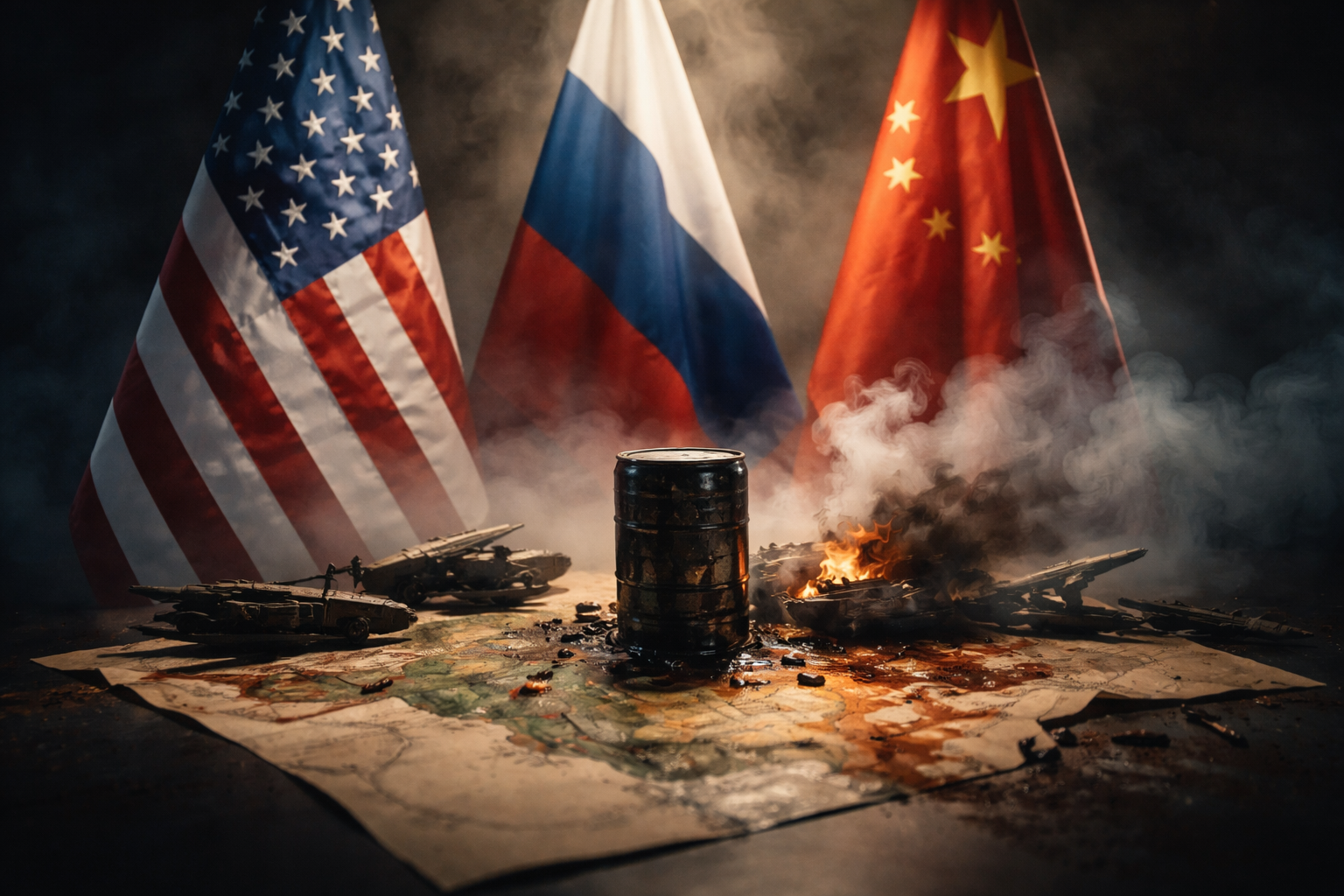
After U.S. Strikes in Iran, the World Tests a New Red Line for Nuclear Sites
Signals That Predict the Next Move
Russia and China find themselves in a difficult situation when the U.S. launches a military strike on Iran. They both have incentives to support Tehran. They both have strong reasons to avoid a direct collision with Washington.
The timing matters because the first public moves—statements, evacuations, UN actions, military postures, and energy market signals—tend to set the “acceptable” response range for the weeks that follow.
Russia and China can react loudly and still act cautiously. That is not hypocrisy. It is strategy under constraint.
The story turns on whether Russia and China choose symbolic retaliation against the U.S. narrative or practical support that changes Iran’s staying power.
Key Points
U.S. strikes in Iran increase pressure on Russia and China to show solidarity, but both are likely to avoid actions that could trigger direct U.S. military retaliation.
Russia’s most likely path is diplomatic condemnation, UN escalation, and selective security support—while positioning itself as a mediator to look “responsible.”
China’s most likely path is evacuation and de-escalation messaging, paired with quiet economic and energy measures to protect oil supply and its nationals.
Neither Russia nor China is likely to enter the fight militarily for Iran, but both can raise the costs for Washington through politics, narratives, and sanctions-evasion networks.
Watch for changes in oil shipping behavior, insurance and payment routes, air-defense transfers, and emergency UN Security Council activity.
The longer the conflict runs, the more Russia and China may see advantage in using it to reshape regional influence and distract U.S. attention—without owning the violence.
Russia, China, and Iran are not a formal alliance.
They cooperate because their interests overlap: resisting U.S. pressure, expanding trade and energy ties, and limiting Western influence in their near-abroad.
Russia’s relationship with Iran has grown more security-focused recently. China’s relationship with Iran is deeper economically, especially through energy purchases and long-term commercial agreements.
A U.S. strike changes the incentive landscape overnight. Iran will seek political cover, military survivability, and economic lifelines. Russia and China will weigh how to help Iran without becoming the next target in an escalating ladder.
The pressure problem: Russia and China must respond without owning the war
Both governments will likely condemn the strikes and frame them as violations of sovereignty and international law. That is the low-cost opening move, and it plays well with domestic audiences and many governments in the Global South.
But they also need to manage two risks at once. Firstly, they must manage a regional spiral that poses a threat to energy flows and global markets. Second, a precedent that normalizes strikes on sensitive sites, including nuclear-linked infrastructure, which both Moscow and Beijing fear could be used against their partners—or someday against them.
Expect rhetorical heat, followed by controlled, incremental action.
Competing models: “axis response” vs “transactional support” under a conflict constraint
Outside commentary often reaches for an “axis” model: Russia and China will respond as a bloc, matching U.S. power with a unified counterstrike posture.
A more realistic model is transactional support. Russia and China will help in ways that serve their interests, keep escalation manageable, and preserve room for bargaining later. That can still be consequential. It just tends to look like diplomacy, logistics, and economic workarounds rather than troop deployments.
If you want to know which model is winning, look for coordination beyond statements: joint emergency diplomacy, aligned UN tactics, synchronized economic steps, and visible military signaling like exercises or deployments.
The hard constraint: U.S. escalation dominance meets Russian and Chinese risk aversion
In a direct military contest in and around Iran, the U.S. has major advantages in regional basing, ISR (intelligence, surveillance, reconnaissance), long-range strike capacity, and coalition coordination.
Due to its other commitments, Russia has strong incentives to avoid a direct clash that could potentially widen sanctions and military exposure. China’s top priorities remain economic stability, trade routes, and avoiding a war that disrupts global demand and shipping.
So the constraint is simple: both Moscow and Beijing will likely aim to increase U.S. costs indirectly, while reducing the odds that the U.S. can credibly justify follow-on strikes against them.
The hinge: who controls the oil, insurance, and payments pathway
Here is the practical lever that matters more than press conferences: Iran’s resilience depends on whether it can keep exporting oil and getting paid in usable form.
China is the single most important customer in that equation, not because it “backs” Iran ideologically, but because it can keep demand alive. Russia matters because it has deep experience with sanctions-evasion ecosystems and can share tactics, routes, and intermediaries.
If shipping insurers tighten their policies, payment channels become blocked, or enforcement pressure intensifies on the barrel-moving networks, Iran's flexibility rapidly diminishes. If those networks keep functioning, Iran’s ability to sustain a long standoff grows.
Here lies the opportunity for Russia and China to alter the course of events without resorting to military action.
The test: what changes in the UN, the Strait, and the skies
Russia’s likely near-term moves cluster in four areas. Firstly, Russia is likely to advocate for emergency sessions and resolutions at the UN Security Council, aiming to politically isolate Washington. Second, offering mediation to look like the off-ramp sponsor. Third, China is enhancing military-technical cooperation in specific areas such as air defense components, electronic warfare support, spare parts, and intelligence sharing, all while maintaining a denial of any escalated intentions. Fourth, safeguarding Russian personnel and assets linked to Iranian nuclear and energy sites is a priority.
China’s likely near-term moves also cluster in four areas. First, public calls for restraint and negotiations, paired with messaging that paints the U.S. as destabilizing. Second, rapid consular action and evacuation warnings to reduce the risk of Chinese casualties. Third, behind-the-scenes diplomacy with regional states to protect shipping and energy supply. Fourth, it is crucial to implement quiet economic measures that sustain trade flows while reducing the risk of secondary sanctions.
If you see a shift from words to sustained logistics—expanded air defense deliveries, persistent joint naval activity, or a visible rise in oil-shipping workarounds—you are likely moving from “symbolic response” to “staying-power strategy.”
The consequence: a longer conflict raises the price of staying neutral
If the strikes are a single episode and tensions de-escalate, Russia and China can bank the political benefits of condemnation without paying much cost.
If the conflict becomes a cycle—strike, retaliation, counterstrike—then the incentives shift. Russia may see an advantage in U.S. distraction and higher global risk premiums, but it also risks instability that hits energy markets in unpredictable ways. China despises instability that escalates shipping costs and diminishes demand, yet it also harbors a distaste for a world where successful and normalized U.S. military action prevails.
In a longer conflict, both may push harder for a negotiated framework—not purely out of peace-making virtue, but because it is the only way to cap downside while preserving leverage.
What Most Coverage Misses
The hinge is this: Russia and China do not need to “enter the war” to decide whether Iran can outlast U.S. pressure.
The mechanism is economic and operational. If Beijing keeps demand steady and payment pathways workable, and if Moscow helps Iran adapt to enforcement and sustain key defenses, Iran’s bargaining position improves. If either decides the risk is too high—especially around sanctions enforcement, shipping insurance, or the safety of nationals—then Iran’s financial oxygen tightens.
Two signposts will confirm which way it is going. The first signpost will be any sustained change in oil shipping patterns and enforcement behavior, suggesting either tighter choke points or expanding workarounds. Second, any evidence of structured, ongoing Russian and Chinese coordination that extends beyond statements and establishes a repeatable pipeline of support is needed.
What Happens Next
In the next 24–72 hours, Russia and China will likely prioritize crisis management and narrative framing, because those moves are swift, visible, and low-risk.
Over the next few weeks, the focus will shift to endurance. Energy flows, sanctions enforcement, and defense survivability are crucial factors that determine Iran's ability to sustain pressure.
Over the next months, the strategic question becomes whether this episode hardens into a new regional order. If the U.S. can strike and deter retaliation, its coercive credibility rises. If Iran rides it out with Russian and Chinese help, the lesson becomes the opposite: that U.S. force can punish but not reliably control outcomes.
The decisions to watch are the ones that change capacity, not tone.
Real-World Impact
A shipping company reroutes tankers and adds war-risk premiums, and fuel costs rise far from the battlefield.
A manufacturer sees longer lead times and higher insurance charges for components moving through the Gulf, and budgets tighten.
Airlines suspend routes, and business travel plans change overnight as risk calculations update.
Financial firms reassess exposure to sanctions and counterparties, and compliance teams become the real gatekeepers of trade.
The fork ahead: leverage without escalation, or escalation without control
Russia and China are likely to pursue a strategy that looks passive on the surface but is active underneath: condemn, mediate, protect their people, and keep Iran’s options open through economic and operational support.
Whether the conflict remains a short, sharp shock or transforms into a durable contest of endurance is the crucial decision. That is where indirect support becomes decisive and where miscalculation becomes more dangerous than intent.
Watch the signals that are hard to fake: the UN moves that create diplomatic coalitions, the shipping and payment changes that reveal real economic choices, and the defense posture shifts that imply preparation for a longer timeline.
The historical significance of this moment is that it tests how modern great powers compete: not only through firepower, but through the hidden systems that decide who can keep standing after the first удар lands.
