


Ukraine’s ‘Yes’ to Trump’s Amended Peace Deal: What It Really Means
Ukraine’s ‘Yes’ to Trump’s Amended Peace Deal: What It Really Means
Opening: A Deal on the Table While the War Still Burns
Missiles are still falling on Ukrainian cities, but diplomats are rushing to draft the terms of “peace.” Ukraine has now signaled support for an amended US-backed peace framework, even as Russia threatens to walk away if the deal strays from its preferred terms.
A nearly four-year war, a hard deadline from Washington, and secret talks in Geneva and Abu Dhabi have converged on a single question: can this deal actually end the fighting without locking in a fragile, one-sided peace?

UK ‘Milkshake Tax’: Why Packaged Lattes Are Joining Britain’s Sugar Crackdown
UK ‘Milkshake Tax’: Why Packaged Lattes Are Joining Britain’s Sugar Crackdown
In the middle of a cost-of-living squeeze, the quiet chill of a supermarket fridge has become a political battleground. Next to the colas and energy drinks sit neat rows of bottled lattes, thick milkshakes, and protein drinks in bright colors. For years they dodged the UK’s sugar tax. Now they are in the firing line.
On the eve of a major Budget, the government has moved first on health, not income tax. Packaged milk-based drinks with added sugar will be pulled into the same net as fizzy drinks. At the same time, the sugar threshold for the levy will fall. A few grams of sugar per 100 milliliters now separate a normal drink from a taxed one.
This is about more than milkshakes. It is about how far a government should go to shape everyday choices, how it pays for its promises, and who ends up footing the bill.

Trump’s Muslim Brotherhood Gambit: What a Terror Designation Really Means
Trump’s Muslim Brotherhood Gambit: What a Terror Designation Really Means
The news broke fast. Cameras caught the moment. The President signed an executive order and handed the pen to his new Secretary of State. The announcement was blunt: the administration is moving to classify parts of the Muslim Brotherhood as a foreign terrorist organization and choke off their funding.
Supporters cheered. Critics warned of blowback at home and abroad. Most people saw the headlines and were left with one question:
What does this actually do?
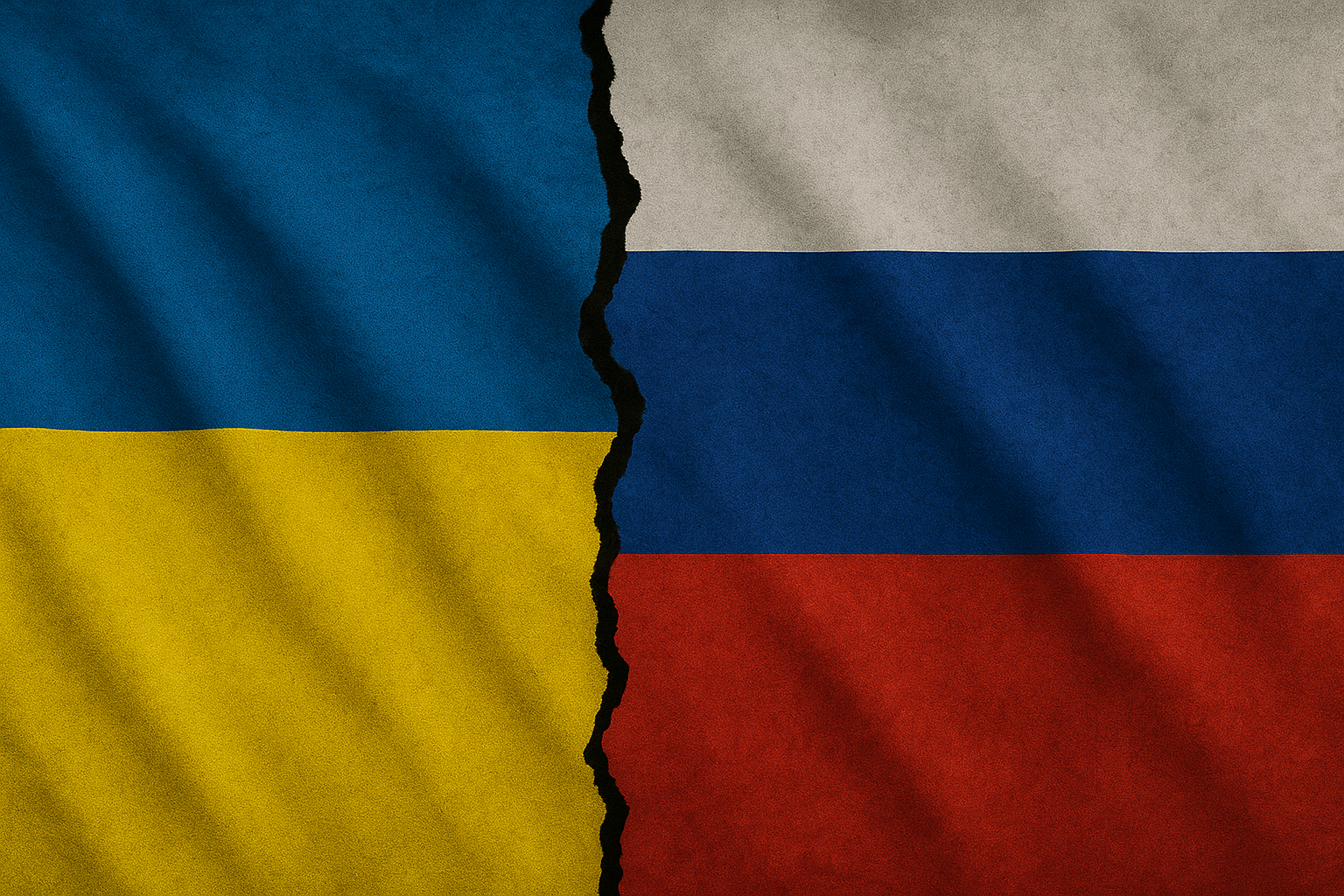
Trump’s 28-Point Ukraine Peace Plan: Deal, Deadline, or Defeat?
Trump’s 28-Point Ukraine Peace Plan: Deal, Deadline, or Defeat?
Four years into the war, Ukraine’s cities are still under fire and the front line barely moves. Into that exhausted landscape comes a blunt offer: a 28-point peace plan backed by the White House, framed as the fastest way to stop the killing.
There is a catch. If Ukraine refuses, US military aid could be cut off. If it accepts, it would renounce NATO forever, cap its army, and live with the loss of Crimea and much of the Donbas.
Critics in Kyiv and across Europe call it capitulation dressed up as diplomacy. Moscow, by contrast, has welcomed the original draft as a “good basis” for talks.

Tomorrow’s UK Budget 2025: The Numbers Behind Who Gains and Who Pays
Tomorrow’s UK Budget 2025: The Numbers Behind Who Gains and Who Pays
On November 26, 2025, the Chancellor will stand up with one headline task: plug a fiscal hole running into tens of billions without breaking election promises on headline tax rates. The trick will be simple and brutal. Tax more, quietly. Spend more, selectively. Hope people do not notice how much of the squeeze comes from the small print.
Behind the politics, the numbers tell a sharp story.

BBC Faces MPs over Leaked Memo and Alleged Bias
BBC Faces MPs over Leaked Memo and Alleged Bias
In a week of relentless headlines, even the BBC has found itself under fire. Inside a Commons hearing room, British lawmakers pressed the broadcaster’s leaders about a leaked internal memo accusing the BBC of bias in major news stories. The secret document — compiled by a former BBC standards adviser — had already toppled the corporation’s director-general and head of news. Now MPs wanted answers about what went wrong, from the editing of a Trump speech in a Panorama program to reports on the Israel-Hamas war and a BBC Verify car-insurance story.

Trump, Geneva, and the Search for an End to the Ukraine War
Trump, Geneva, and the Search for an End to the Ukraine War
The war in Ukraine has ground on for years. Frontlines move by meters, not miles. Artillery still pounds cities most people in the West can barely find on a map. Into that stalemate, a sudden flash: closed-door talks in Geneva, a controversial 28-point U.S. peace plan, and a promise of a “refined framework” that might—just might—change the course of the conflict.
No one trusts it yet. Everyone is watching it.


Ukraine Peace Talks on Razor’s Edge as World Watches
Geneva, swathed in winter grey, hosted a flash of hope this weekend. US President Donald Trump, back in the spotlight, hinted that “big progress” may have been made in secret talks to end the war in Ukraine. His hardline, 28-point proposal – demanding Ukraine freeze its borders, slash its army and give up land to Russia – has set off alarms worldwide.
President Volodymyr Zelensky and his Western backers slammed the draft as a surrender that shatters basic principles of sovereignty. Yet after intense weekend negotiations, both Kyiv and Washington say they will refine the framework. Now capitals from London to Beijing are weighing what comes next as the shooting continues across Ukraine’s scarred landscape.
Peace talks flash of hope: Trump says “big progress” in Geneva; US and Ukraine announce a refined peace framework.
Controversial terms: The draft calls for Ukraine to cede eastern territory, cut its forces and abandon NATO membership.
Kyiv’s backlash: Zelensky and soldiers call it “capitulation,” warning that giving ground rewards aggression.
Western alarm: EU, UK and NATO leaders urge major changes to protect Ukraine’s sovereignty and security.
Global chorus: Russia awaits a revised plan; China quietly praises any peace effort; Turkey offers to mediate further.
Frontline reality: As talks stall, Russian missiles and drones pummel Kharkiv and Zaporizhzhia, pressing Ukraine’s defenses.
Stakes towering: The outcome could redraw Europe’s map, test international law and shape the future of NATO and global borders.

Europe Pushes Back: EU Counters Trump’s Peace Plan With an 800,000-Troop Cap for Ukraine
Europe has drawn a clear line in Geneva. During a new round of tense peace negotiations, European officials unveiled a counter-offer to the Trump administration’s 28-point peace plan—one that raises the proposed limit on Ukraine’s army and directly challenges Washington and Moscow’s preferred terms.
Ukraine-Russia war live_ Europe…
The European plan caps Ukraine’s forces at 800,000 personnel, rejecting the much lower 600,000 figure floated in President Trump’s draft proposal. Ukraine’s army today stands at roughly 850,000 troops, making it already one of the largest military forces in the world.
Ukraine-Russia war live_ Europe…
This move is more than a numbers debate. It signals Europe’s intent to push back against what many EU lawmakers describe as a dangerously pro-Russian proposal—one that could force Kyiv to cede territory, restrict its defence posture, and limit foreign troop presence inside Ukraine.
Below is a full breakdown of what happened in Geneva, why Europe is resisting Washington’s plan, and what it means for the future of the war.

Europe Pushes Back: How the EU Is Rewriting the US Ukraine Peace Plan
Europe Pushes Back: How the EU Is Rewriting the US Ukraine Peace Plan
Snow fell in Geneva while negotiators argued over commas and red lines.
On paper, it is a peace plan. In reality, it is a power struggle.
A draft US plan for ending the war in Ukraine has met firm resistance from Europe’s big three—Britain, France, and Germany. They have drawn up a counter-proposal that keeps Ukraine stronger, pushes back on territorial concessions, and demands tougher terms on Russian money frozen in the West.
Europeans propose changes to US…
This is not just another diplomatic document. It is a test of how far Europe is willing to go to back Ukraine—and how much control Washington expects to keep over the endgame.

Fresh talks on Ukraine are underway as US insists it authored peace plan
Fresh talks on Ukraine under way as US insists it authored peace plan Snow crunches under heavy boots in Geneva. Delegations from Ukraine, the US and Europe gather quietly in a hotel. They bring a 28-point “peace” proposal. But critics say it reads like a Russian blueprint. Kyiv’s leaders call it controversial. The White House insists Washington wrote it. The world is watching as these fresh talks begin – a test of diplomacy after three years of war. New Geneva talks open between US, Ukraine and allies on a peace framework. A 28-point proposal backed by the US sparks debate over its authorship and demands. The plan’s terms – ceding territory, permanent neutrality, army limits – have alarmed Ukraine. US officials say they drafted the plan; critics (and some US senators) call it a Russian “wish list.” European leaders urge revisions to safeguard Ukraine’s sovereignty. President Zelensky is cautiously hopeful but stresses Ukraine must also keep defending itself.

Nigeria’s Nightmare: 315 Pupils Abducted from Catholic School
Nigeria’s Nightmare: 315 Pupils Abducted from Catholic School
In the pre-dawn darkness of Papiri, Niger State, gunshots shattered the silence. Armed men stormed the campus of St. Mary’s Catholic School. Teachers and guards raced to the dorms, but the assailants were swift. By morning light, 315 terrified children and staff had vanished. Empty beds lay stiff beneath the cool breeze. School gates stood wide open, hinges jammed on disuse. In the courtyard, a lone schoolboy’s shoe told its own story. Parents gathered in prayer circles, eyes wide with horror. In that moment Nigeria faced yet another school kidnapping, a fresh reminder of a years-long nightmare.

Trump’s ‘Quiet, Piggy’ Remark Ignites Debate on Press and Power
Trump’s ‘Quiet, Piggy’ Remark Ignites Debate on Press and Power
Opening
Aboard Air Force One, a tense scene unfolded on a November morning. Reporters pressed President Trump with questions about the Epstein files. In response, he jabbed a finger at a Bloomberg correspondent and barked, “Quiet. Quiet, piggy.” The phrase hung in the air. Within hours, a snippet of video clips spread online. Outrage erupted. Suddenly a brief exchange in the presidential plane felt like a defining moment. It came at a time when the administration was already under fire for multiple crises – stalled budgets, economic worries and mounting scandals. Even in that storm, this single insult cut through. It was brief and crude, yet it became a rallying cry for critics and a badge of bravado for supporters. In today’s world, a few seconds of footage can spark a firestorm. Here, a flash of anger spoke volumes. It tapped into debates about sexism, free speech and authority. To understand why a two-word taunt made headlines, one must look back at the road that led there and the currents it has sent rippling through politics and media.

US-Authored Ukraine Peace Plan and Its Geopolitical Fallout
US-Authored Ukraine Peace Plan and Its Geopolitical Fallout
In late November 2025, the world froze on the brink of something monumental. A leaked 28-point “peace plan,” drawn up in Washington, cast its long shadow over the four-year-old war. At a hastily arranged meeting in Geneva, U.S., Ukrainian and European security officials gathered to hash out the plan’s fate. President Donald Trump – now in his second term – had given Ukraine a Thanksgiving deadline to say yes or keep fighting. Amid missile strikes on Ukrainian cities and tense debates in halls of power, one question loomed: can this blueprint end the bloodshed without surrendering Ukraine’s soul?

Tech War: AI and the U.S.–China Geopolitical Rivalry
Tech War: AI and the U.S.–China Geopolitical Rivalry
In late 2025, a sudden détente in Asia shook the tech world. On a hot October day in Busan, U.S. and Chinese leaders declared a truce in trade and technology. A week later came the surprise: U.S. officials quietly considered lifting the ban on the newest Nvidia AI chips for China. Stock markets jumped and newsfeeds blazed. The mood was electric and unnerving. Could the tech cold war really be easing? Or was this a tactical pause in a clash that is far from over?
This brisk turn of events was a stark contrast to recent years. Just months earlier, the White House had barred advanced semiconductors, fearing they would fuel China’s military AI. China retaliated with threats over rare earth exports. Now, suddenly, the rules seemed to be shifting. For observers around the globe, the message was clear: the U.S.–China tech war is volatile and unpredictable, and the battleground is ever changing. One week’s headlines can reverse what seemed set in stone.

BBC Bias Allegations Ignite Global Debate
BBC Bias Allegations Ignite Global Debate
A sudden storm has hit the BBC. In November 2025, a secret internal report set off a wave of controversy. An adviser’s memo accused the BBC of systemic bias in its news coverage. Within days, two top executives resigned and public fury erupted. Viewers around the world questioned a long-trusted news source. The drama unfolded against a backdrop of polarized politics and rising distrust in media.

COP30 Climate Talks Overrun with Deadlock Over Fossil Fuel
COP30 Climate Talks Overrun with Deadlock Over Fossil Fuels
Running Late in the Amazon
The city of Belem is quiet after dark, but inside the conference hall leaders are still talking. The COP30 climate summit was meant to end on Friday night. Instead, negotiators stayed up well past the deadline. A single issue hangs in the balance: what to do about oil, gas and coal. Disputes over fossil fuels have stalled the final agreement. Delegates know that millions of people around the world are watching and waiting. Now, under the soft glow of conference lights, frustration and urgency grow with each passing hour. Protesters and media flank the hall, a reminder that every speech and gesture here will be scrutinized.

Bank of England signals inflation has peaked — what it means for UK mortgages, pensions & cost-of-living
Bank of England signals inflation has peaked — what it means for UK mortgages, pensions & cost-of-living
Britain’s long run of rising prices may finally be easing. The Bank of England has signaled that inflation has likely crested, hinting that the era of ever-higher bills could be ending. This is welcome news for homeowners, pensioners and families on tight budgets. Mortgage rates may stop rising, pension incomes will stabilize, and the relentless climb in everyday costs could slow. Below, we break down how this shift came about and what it means for people’s pocketbooks.

Boris Johnson faces legal alarm after COVID inquiry report
Boris Johnson faces legal alarm after COVID inquiry report
A blistering new Covid inquiry report has thrust former prime minister Boris Johnson into the hot seat. It says Britain’s government acted “too little, too late” in 2020, leading to thousands of avoidable deaths. Now angry bereaved families are demanding justice – even legal action – against the man who led the country then. The silence around Downing Street has been shattered. Families and campaigners are openly asking: can a former leader be held accountable for such failures?
The inquiry’s findings have touched a raw nerve. Newspapers and TV shows describe a crisis of leadership, and even some Tory MPs admit the criticism is harsh but valid. On the street and online, people speak of betrayal and callousness. One headline cries that Johnson’s government “cost 23,000 lives” through delay. Grieving relatives say they want consequences, not just apologies. The mood is tense in Westminster: Downing Street allies scramble to defend the record, while opponents say a reckoning must follow.