

US Regulator Demands Answers From Tesla Over Cybercab Certification
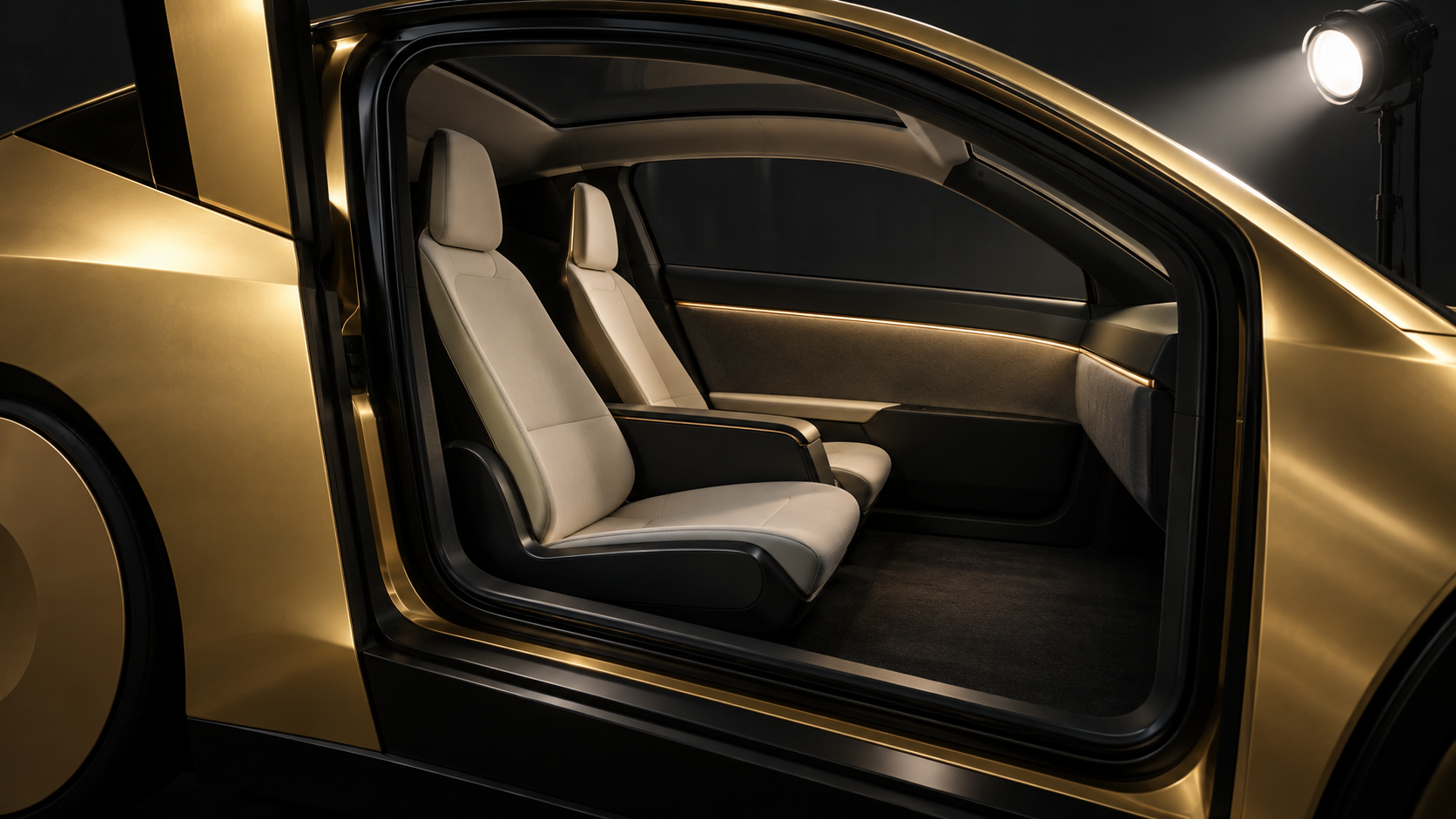
The Evidence Question Behind Tesla’s Driverless Cybercab
Cybercab And US Safety Rules: What Tesla Must Explain
Tesla Must Explain The Compliance Basis For A Robotaxi Designed Without Conventional Human Driving Controls.
Tesla faces a 30 September deadline to answer US regulators’ questions about its Cybercab certification, Reuters reported on 15 September. The National Highway Traffic Safety Administration wants to know whether temporarily fitted human controls or other equipment formed part of the company’s compliance basis.
The inquiry concerns how Tesla established that the vehicle met applicable standards. It is not, by itself, a finding that the Cybercab is non-compliant or that its automated driving system is unsafe.
What The Investigation Covers
NHTSA announced an Audit Query on 4 September following Cybercab’s commercial deployment in Austin. Its official statement said the investigation would examine the technical evidence and processes behind Tesla’s certification, including whether the company treated some requirements as inapplicable to a vehicle without traditional human controls.
That scope makes the actual vehicle configuration central. A question about equipment used to establish compliance is a request for evidence about the relationship between the assessed vehicle and the deployed vehicle. It does not establish that Tesla fitted temporary controls, relied on them improperly or misrepresented its tests.
The distinction protects the accuracy of the story while preserving its significance. A regulator can have a substantive question before it has an answer. Reporting the question as though it were a completed finding would skip the very process now under way.
What Self-Certification Means
In the US system described by NHTSA, manufacturers certify that their vehicles meet the relevant Federal Motor Vehicle Safety Standards. The regulator establishes requirements and checks compliance through its oversight powers. “Self-certification” therefore should not be read as a special exemption invented for Tesla.
Nor does the word imply that a company can simply choose its own legal requirements. The meaningful issue is the evidence and reasoning supporting the certification. For a novel vehicle, that can include determining how standards written around familiar equipment apply to an unfamiliar design.
A helpful hypothetical illustrates the issue. Suppose a manufacturer tests a product in one configuration but supplies it in another. A reviewer would reasonably ask which differences matter, whether the test remains representative and how the manufacturer reached that conclusion. That example explains the logic of scrutiny; it is not an allegation about what Tesla did.
Why Removing The Driver’s Controls Creates Hard Questions
Automated driving changes the division of responsibility inside a vehicle. NHTSA distinguishes driver-assistance technologies from systems intended to undertake the driving task. A passenger cannot be assumed to provide the same fallback as an attentive driver simply because both people are sitting inside a car.
That difference also affects how the public should interpret demonstrations. A smooth journey can show how a vehicle behaves on that journey. It cannot, on its own, establish the complete range of circumstances the vehicle can handle or the legal basis on which it operates.
For readers, there are therefore two separate questions. What can the system do in service, including when conditions become difficult? And what supports the manufacturer’s assertion that the vehicle complies with the standards that apply? Both matter, but evidence answering one question may leave the other unresolved.
Changing The Rules Takes More Than Announcing Reform
NHTSA says it is working on updates to standards affecting automated vehicles, including requirements involving pedals, mirrors, lighting and wipers. Its announcement also states that existing standards continue to apply until the relevant changes are completed.
That creates an important limit on arguments about outdated regulation. A company can make a persuasive case that a rule should change while still having to explain its compliance with the rule currently in force. Whether a particular requirement has become unnecessary and whether a vehicle meets its present obligations are different issues.
This is a recurring problem in technology oversight. Taylor Tailored’s explainer on turning safety commitments into enforceable rules examines why clear responsibilities and access to evidence matter alongside technical ambition.
What Tesla’s Response Could Clarify
The most useful response would make the certification basis intelligible: what configuration was assessed, which requirements were considered applicable and what evidence supported those decisions. That is an analytical description of what would resolve the public question, rather than a claim to have seen Tesla’s unpublished response.
Neither a dramatic defence of innovation nor a blanket denunciation of automation can replace that evidence. The inquiry should be judged through the documents, the regulator’s assessment and any subsequent findings. A deadline for answers is a procedural milestone, not an automatic date for a final decision.
For now, the central unresolved issue is narrow enough to state clearly. NHTSA is asking Tesla to explain the basis on which Cybercab was certified. The response will matter because a vehicle designed around a new operating model still needs a defensible connection between its engineering, its tests and its compliance obligations.
Sources And Further Evidence
Reuters, 15 September 2026: “US agency orders Tesla to answer questions on Cybercab certification.”
NHTSA, 4 September 2026: “NHTSA Opens Investigation into Tesla Cybercab Self-Certification Following Austin Deployment.”
NHTSA: “Automated Driving Systems” and “Automated Vehicle Safety.”
