


Christmas Celebrations From 2026 to 2100: How AI, Climate, and Demographics Rewrite the Holiday
Christmas Celebrations From 2026 to 2100: How AI, Climate, and Demographics Rewrite the Holiday
Top 10 Things Everyone Believed About AI in 2025 — That Aged Badly
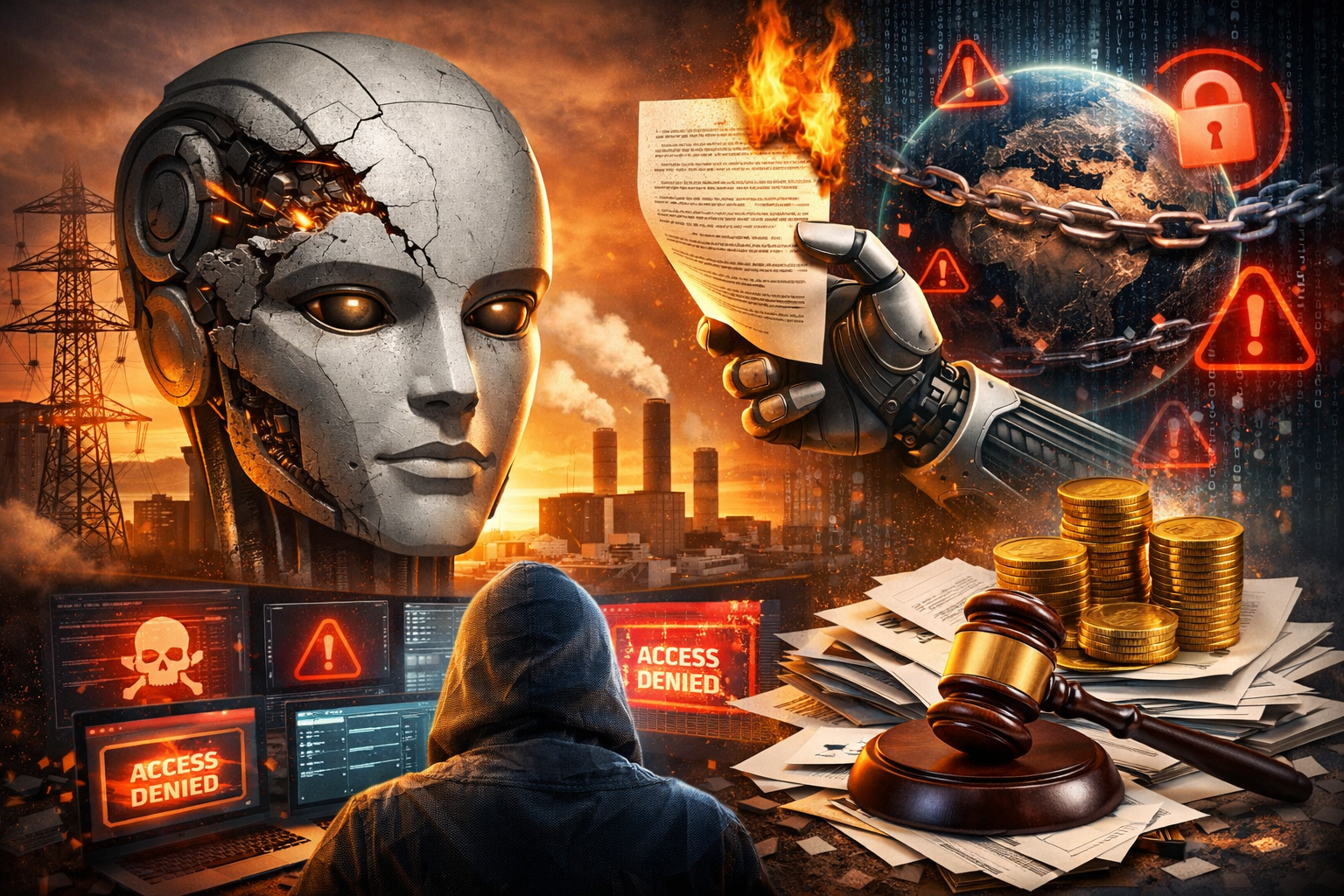
Top 10 Things Everyone Believed About AI in 2025 — That Aged Badly
As of December 24, 2025, the public story about artificial intelligence (AI) looks different from the one that dominated the start of the year.
Over the past few days, three key themes have emerged: the physical impact of AI on the power grid, the security implications of "agentic" tools capable of browsing and acting, and the increasing expenses associated with unresolved data, copyright, and accountability regulations.
This piece breaks down ten widely held beliefs about AI in 2025 that did not survive contact with real-world deployment. It also explains what replaced them: new bottlenecks, new risks, and a more sober view of what “progress” actually means in 2026.
The story turns on whether AI can scale into daily life without breaking trust.
Nvidia’s H200 return to China, pending approvals: what the mid-February shipment plan really changes
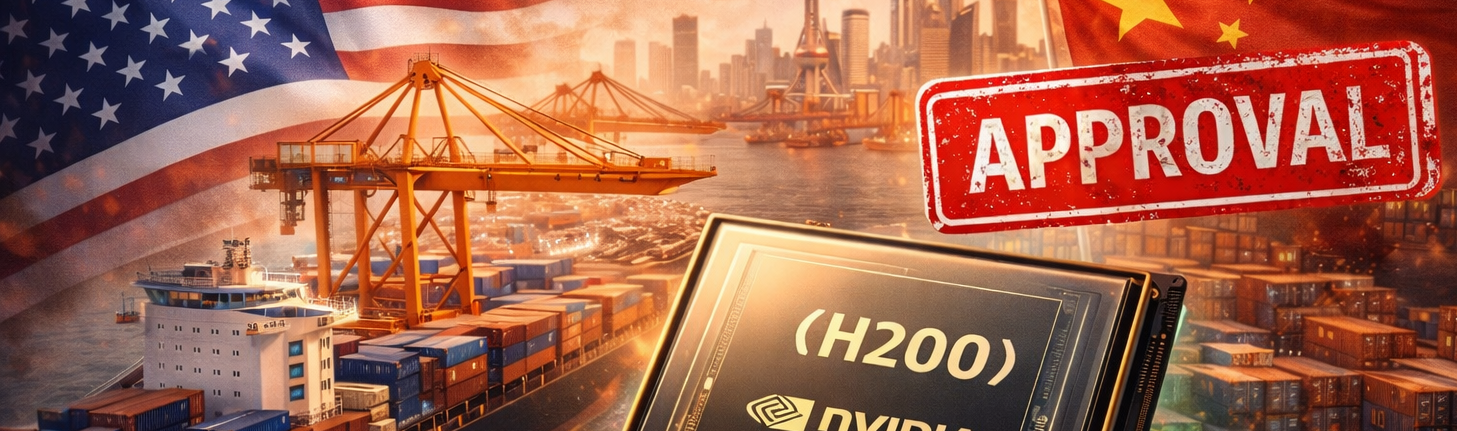
Nvidia’s H200 return to China, pending approvals: what the mid-February shipment plan really changes

The Tech Breakthroughs of 2026: Agents, Satellites, and the Power Race
The Tech Breakthroughs of 2026: Agents, Satellites, and the Power Race

AI consciousness debate: Why a Cambridge philosopher says we may never know
AI consciousness debate: Why a Cambridge philosopher says we may never know

Industrial nanotech’s industrial promise is moving from hype to hard choices
Industrial nanotech’s industrial promise is moving from hype to hard choices

Brain-computer startup expands into organ preservation with a push for portable perfusion
Brain-computer startup expands into organ preservation with a push for portable perfusion

Biggest Large Hadron Collider discoveries, ranked by impact
Biggest Large Hadron Collider discoveries, ranked by impact

What If the Internet Went Down for a Month? How Society Would Fracture
What If the Internet Went Down for a Month? How Society Would Fracture

Human immortality: why the science is speeding up, and why death still wins for now
Human immortality: why the science is speeding up, and why death still wins for now


Biggest Technological Advancements Year by Year from Now to 2040
Biggest Technological Advancements Year by Year from Now to 2040

How AI in Fusion Research Is Speeding Up the Race for Clean Energy
How AI in Fusion Research Is Speeding Up the Race for Clean Energy

AI arms race: OpenAI’s “code red”, Mistral 3 and Runway Gen-4.5
AI arms race: OpenAI’s “code red”, Mistral 3 and Runway Gen-4.5

The Germanium-on-Silicon Breakthrough That Could Turbocharge Future Chips
The Germanium-on-Silicon Breakthrough That Could Turbocharge Future Chips

OpenAI’s A$7 Billion Sydney AI Campus: Why the NEXTDC Deal Matters Far Beyond Australia
OpenAI’s A$7 Billion Sydney AI Campus: Why the NEXTDC Deal Matters Far Beyond Australia

Short-Term Memory Chip Shortage: How AI and Gadget Demand Are Squeezing Supply
Short-Term Memory Chip Shortage: How AI and Gadget Demand Are Squeezing Supply

What If AI Ran the Economy? How Algorithms Could Steer Growth, Jobs, and Power
What If AI Ran the Economy? How Algorithms Could Steer Growth, Jobs, and Power

The AI Oligarchs: How Five Tech Giants Are Quietly Taking Control of the Future
The AI Oligarchs: How Five Tech Giants Are Quietly Taking Control of the Future
A handful of companies are pouring hundreds of billions of dollars into artificial intelligence, building data centers, chips, and models at a scale that rivals national infrastructure programs. Their share prices have driven much of the stock market’s recent gains, and global regulators now warn that an AI-fueled bubble and rising market concentration could threaten financial stability.
These “AI oligarchs” are not science-fiction villains. They are familiar names: Microsoft, Alphabet (Google), Amazon, Meta, and Nvidia. Between them, they dominate the cloud platforms that run the largest models, the chips that power them, and the consumer and enterprise services built on top. In some segments, one company controls as much as 80–90% of the market.
This article explores how these five firms built their position, how their alliances and rivalries shape the next phase of AI, and how policymakers are trying—often awkwardly—to keep up. It also looks at what this concentration means for countries, companies, and ordinary users who increasingly rely on systems they do not control.