From $28,000 a Year to About $40: Can Supply Now Catch Up With Demand?
The first deliveries of a cheap generic version of lenacapavir, the twice-yearly injection that prevents HIV infection, have arrived in Africa. The Global Fund to Fight AIDS, Tuberculosis and Malaria announced on Wednesday 25 November 2026 that the world's first shipments of generic lenacapavir had reached Zambia, with a delivery to Uganda expected in the coming days and another to Zimbabwe in early 2027.
The generic is expected to cost about $40 (£30) per person a year, according to the BBC, compared with roughly $28,000 a year for the original version in the United States. The Global Fund says lenacapavir is nearly 100% effective at preventing HIV infection.
The importance lies in the volume rather than the first boxes. The Global Fund says demand has been strong, and that generics will expand the available supply so that countries can move beyond early pilot programmes and reach far more people.
What Has Been Confirmed
- First deliveries: generic lenacapavir has arrived in Zambia, the first such delivery anywhere in the world, according to the Global Fund. The BBC reports that it arrived on Wednesday.
- Next countries: Uganda in the coming days and Zimbabwe in early 2027, with substantial shipments of the generic to many more countries expected in the first quarter of 2027.
- Uptake so far: more than 189,000 people across 10 early-adopter countries have received a first dose of lenacapavir as of November 2026. A total of 24 countries are expected to have received the drug by the end of this year.
- Targets: the Global Fund and the US government aim to reach at least 3 million people with lenacapavir by the end of 2028. In 2027 they plan to deliver four times the volume delivered in 2026, with generics central to that increase alongside continued supplies of Gilead Sciences' original product.
- Reach: the generic is eventually expected to be available in 120 low- and middle-income countries, the BBC reports.
How Lenacapavir Works
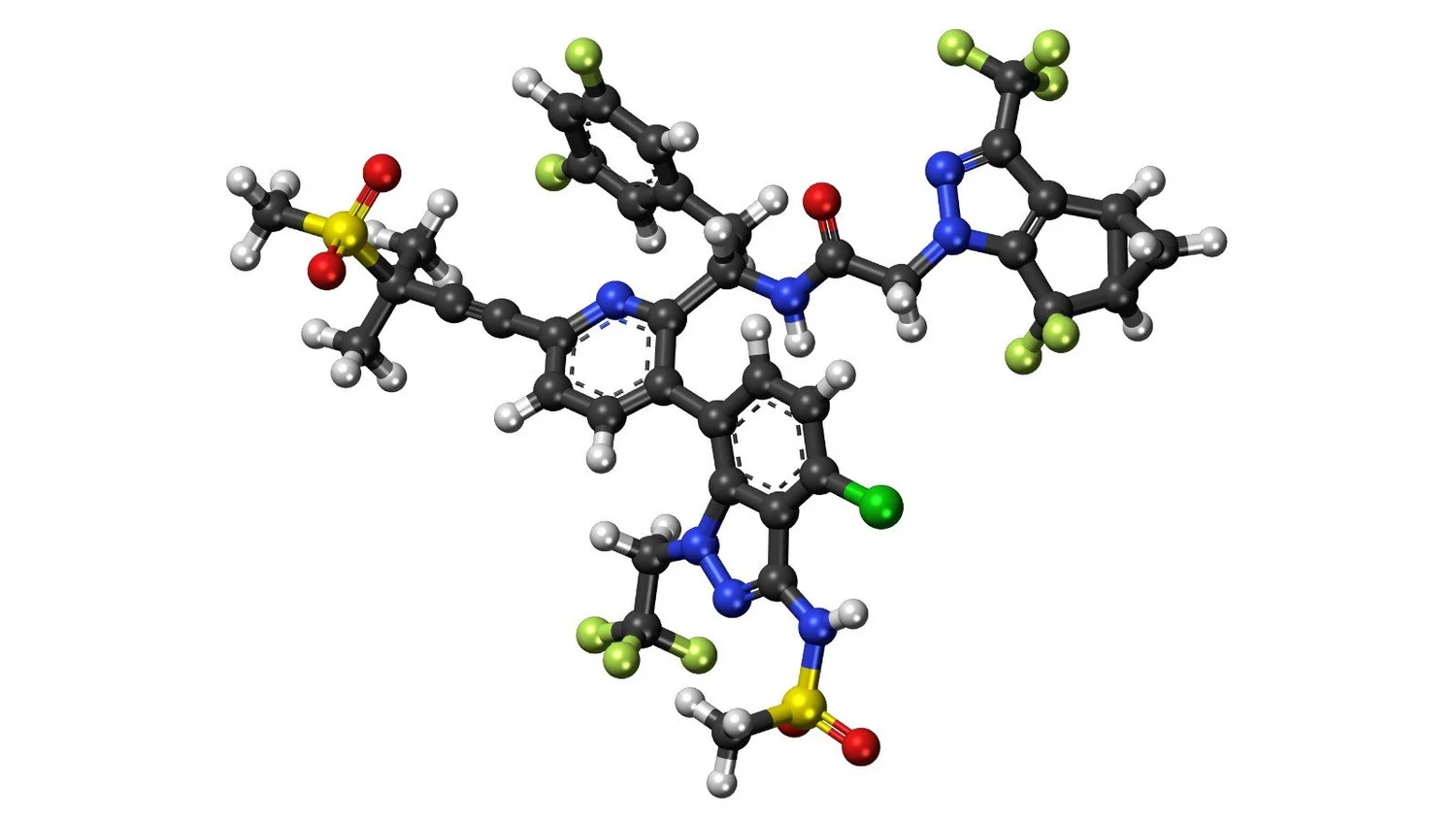
Lenacapavir is a form of pre-exposure prophylaxis, or PrEP: a medicine taken by people who do not have HIV to stop them acquiring it. It targets the protective protein shell of the virus, disrupting HIV's ability to multiply and establish an infection, the BBC explains.
The key difference from existing PrEP is the schedule. Daily pills have to be taken every day, and health experts quoted by the BBC say they can also carry social stigma. Lenacapavir is given as an injection twice a year.
In a clinical trial in 2024 involving more than 5,000 adolescent girls and young women in Uganda and South Africa, none of those who received the injection contracted HIV, according to the BBC. The World Health Organization recommended lenacapavir for HIV prevention in July 2025.
How a Generic Arrived So Quickly
The original drug was developed by the US company Gilead Sciences. The Global Fund says the generic deliveries were made possible by Gilead's early voluntary licensing agreements with generic manufacturers, investment from the Gates Foundation and Unitaid to speed up the first quality-assured generic products, technical support for early-adopter countries funded by the Children's Investment Fund Foundation, the Gates Foundation and Unitaid, and recent regulatory approval by the US Food and Drug Administration.
The Global Fund says lenacapavir became, in 2025, the first HIV prevention innovation to reach high-income and lower-income countries in the same year, a break from the long delays that have historically kept new medicines out of poorer countries.
"The arrival of generic lenacapavir is a major breakthrough in our efforts to prevent new HIV infections and accelerate progress toward ending AIDS," said Peter Sands, the Global Fund's executive director.
Why It Matters for Africa
Sub-Saharan Africa accounts for nearly two-thirds of people living with HIV worldwide, and adolescent girls and young women are disproportionately affected, the BBC reports. South Africa, with nearly eight million people living with the virus, has the world's largest HIV-positive population and is among the countries expected to receive the cheaper injection.
Worldwide, about 41 million people were living with HIV last year and 570,000 died from HIV-related illnesses, according to WHO figures cited by the BBC. The UN aims to end AIDS as a public health threat by 2030.
What We Still Do Not Know
- How many doses the first Zambian and Ugandan shipments contain, and how quickly clinics can begin giving them.
- Which manufacturers supplied the first generic deliveries; the Global Fund's announcement does not name them.
- Whether funding will keep pace. The BBC notes concern that sweeping cuts to US foreign aid could undermine progress against HIV in Africa, where many countries rely heavily on international funding for prevention and treatment.
Sources
- The Global Fund: First deliveries of generic lenacapavir for HIV prevention arrive in countries (news release, 25 November 2026)
- BBC News: Hope for millions as cheaper HIV prevention jab reaches Africa (26 November 2026)
