

Why Isn’t London Already in the UK Grooming Gangs Inquiry?
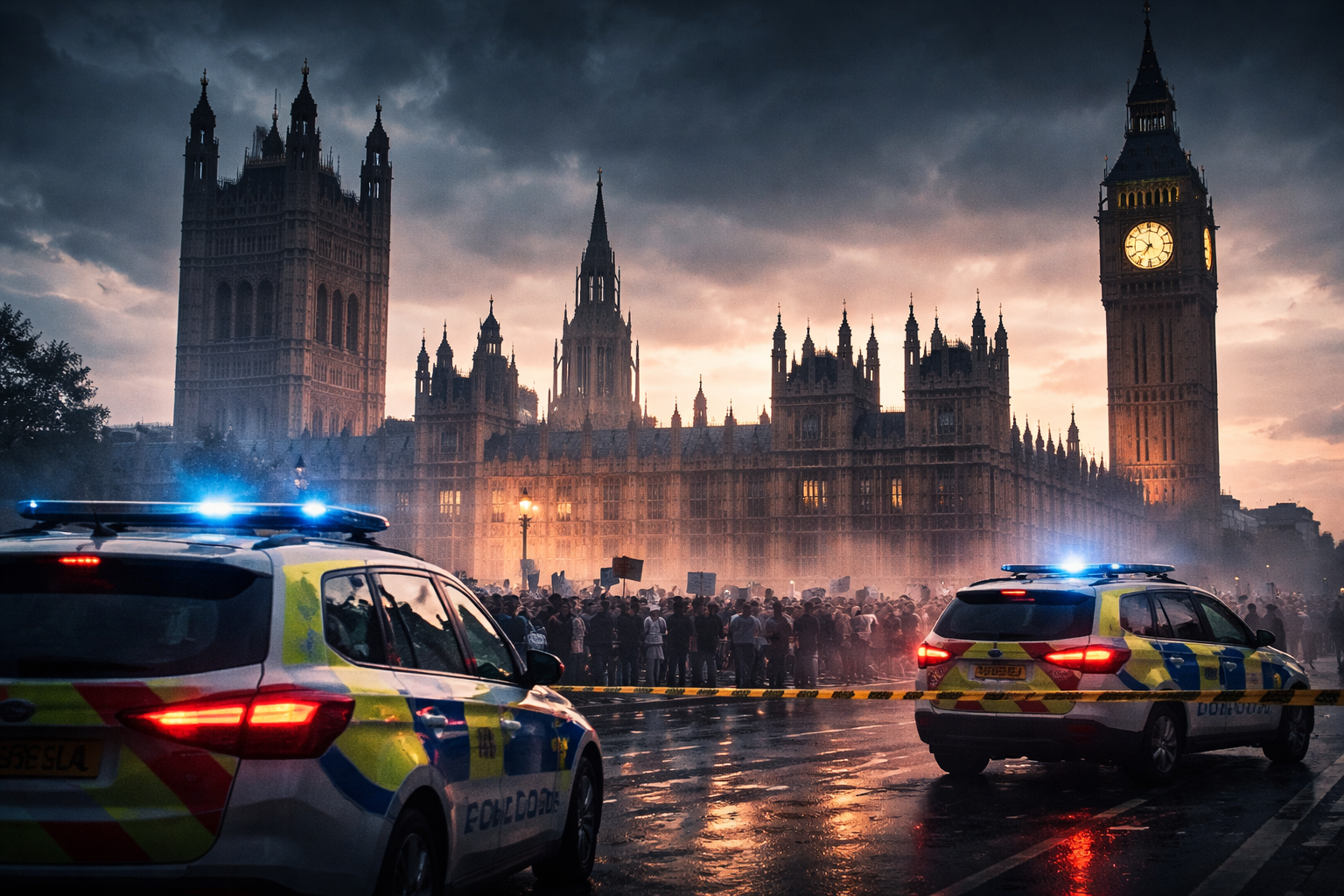
Conservative MPs Demand London Be Included in UK Grooming Gangs Inquiry as Political Row Deepens
A growing political dispute over how Britain investigates grooming gangs has shifted to London, after Conservative MPs demanded the capital be formally included in the upcoming national inquiry into group-based child sexual exploitation.
The demand, delivered in a letter to the Home Secretary Shabana Mahmood and London Mayor Sadiq Khan, argues that excluding London would ignore potential victims and leave major unanswered questions about historic cases in the capital.
The intervention comes weeks before the statutory inquiry is expected to formally launch, and it exposes a deeper argument over how grooming gang cases are defined, investigated, and politically framed.
The story turns on whether London will be treated as a core part of the national investigation—or as a fundamentally different problem.
Key Points
Shadow Home Secretary Chris Philp and other Conservative MPs have urged the government to explicitly include London in the national grooming gangs inquiry.
The request follows a Metropolitan Police review of thousands of historic child sexual exploitation cases in the capital.
Critics say earlier statements by Mayor Sadiq Khan downplayed the possibility of grooming gangs operating in London.
Baroness Anne Longfield will chair the national statutory inquiry into grooming gangs, set to commence by March 2026.
The wider investigation stems from a government-commissioned audit that found systemic failures in how authorities handled group-based child sexual exploitation.
The Inquiry Britain Is About to Launch
The UK government is preparing to begin a statutory public inquiry into grooming gangs—organized networks of perpetrators who groom, exploit, and abuse children over extended periods.
The inquiry follows a national audit conducted by Baroness Louise Casey that examined group-based child sexual exploitation across England and concluded that institutional failures had repeatedly allowed abuse to continue unchecked.
Under the Inquiries Act 2005, the new investigation will have legal powers to compel testimony, obtain documents, and examine how police, councils, and national authorities handled cases.
The inquiry is expected to run for several years and will examine failures in detection, reporting, and prosecution of grooming gang offenses across the country.
Baroness Anne Longfield, a former Children’s Commissioner for England, has been appointed as chair.
Why London Has Become the New Battleground
The current dispute centers on whether London should be treated as a central focus of the inquiry or as a different type of child exploitation problem.
The letter from Conservative MPs contends that excluding London would create a significant oversight. It also calls for the creation of a dedicated Metropolitan Police unit to investigate possible grooming gang cases in the capital.
Their argument draws heavily on two developments.
First, survivor testimony highlighted in recent reporting has raised questions about potential exploitation cases in London.
Second, the Metropolitan Police has been reviewing thousands of historic child sexual exploitation files as part of a broader national effort to reassess closed investigations.
Police have previously confirmed their examination of thousands of historic cases to determine whether they warrant reopening or further investigation.
For critics, that alone suggests London should be firmly within the inquiry’s scope.
Sadiq Khan’s Position—and the Controversy Around It
Mayor Sadiq Khan has faced repeated criticism from Conservative politicians over how he has described grooming gang activity in London.
Khan previously said the specific pattern of abuse uncovered in towns such as Rotherham and Rochdale—where organized networks targeted vulnerable girls—had not been identified in the same way in the capital.
Instead, he has argued that London’s child exploitation cases tend to be more complex and varied, involving different forms of abuse, including peer exploitation, institutional abuse, and online grooming.
Critics say those distinctions risk minimizing the problem.
Supporters of Khan’s approach argue the opposite: that London’s scale and diversity mean the phenomenon may not resemble the patterns seen in smaller northern towns.
The political disagreement is not just about facts. It is also about definitions.
What Most Coverage Misses
The central tension in this debate is not simply whether abuse exists in London. It is how grooming gangs are defined.
In many of the scandals that shocked Britain—Rotherham, Rochdale, Telford—the crimes followed a distinct pattern: organized groups targeting vulnerable girls, often over long periods, with systemic institutional failures that allowed abuse to continue.
London’s child exploitation cases appear more fragmented.
Police reviews have suggested that group-based abuse exists in the capital but does not necessarily follow the same geographic, ethnic, or network patterns seen elsewhere.
This creates a political and investigative dilemma.
If the inquiry defines grooming gangs narrowly—focusing on the specific patterns seen in northern towns—London may appear peripheral.
If it defines group-based child exploitation more broadly, London could become one of the largest case pools in the entire investigation.
The inquiry’s terms of reference will quietly determine which version of reality becomes the official narrative.
Why the Stakes Are National
The grooming gangs scandal has already reshaped Britain’s political and institutional landscape.
Major cases revealed systemic failures by police, local authorities, and social services to protect vulnerable children. Investigations found that warnings were ignored, victims were dismissed, and institutions sometimes avoided confronting uncomfortable patterns, which contributed to the ongoing crisis of trust in these organizations and highlighted the need for accountability and reform.
Those failures helped drive calls for a nationwide inquiry.
The new investigation aims not only to expose past wrongdoing but also to determine why so many cases were mishandled and what structural reforms are needed to prevent future abuse.
The inclusion of London holds significance for two reasons.
First, the capital contains nearly nine million residents—making it the largest possible concentration of historic cases.
Second, the political legitimacy of the inquiry may depend on whether it is perceived as comprehensive rather than selective, which could influence public trust and the willingness of stakeholders to engage with the process.
The Decision That Will Shape the Inquiry
The inquiry’s final terms of reference will determine how wide its scope truly becomes.
Investigators could examine thousands of historic cases and potential institutional failures in the capital if they explicitly include London.
Critics will likely argue that the inquiry avoided the country's largest city and the political sensitivities surrounding it if it does not include London.
The key signals to watch will be:
the final wording of the inquiry’s mandate
whether the Metropolitan Police establishes a dedicated investigative unit
how many historic London cases are reopened
Those decisions will determine whether the inquiry becomes a genuinely national reckoning—or a narrower investigation focused on a handful of well-known scandals.
