
Book Summaries & In-Depth Analysis
Explore the key ideas, arguments and themes behind fiction and nonfiction books. These summaries and analyses help you understand a book’s central message, consider its strengths and limitations, and connect its ideas with wider questions. Browse individual titles and comparisons covering subjects such as psychology, productivity, philosophy and society.

The Stepford Wives Explained: Joanna, the Perfect Suburb and the Ending
Joanna Eberhart moves to Stepford expecting space for her family and her photography. Instead, she finds women whose lives seem devoted entirely to pleasing their husbands. This summary and analysis follows Ira Levin’s suburban mystery in order, explaining the changing friendships, accumulating clues and unsettling ending, while examining the difference between chosen domesticity and the destruction of choice.

Silver Sparrow Explained: Two Sisters, One Father and the Cost of Secrecy
Dana knows her father has another family. Chaurisse has no idea that her new friend is her half-sister. This guided summary and analysis follows Tayari Jones’s Silver Sparrow through its shifting perspectives, family tensions and pivotal choices before explaining the ending, the title and the difference between private affection and public recognition.
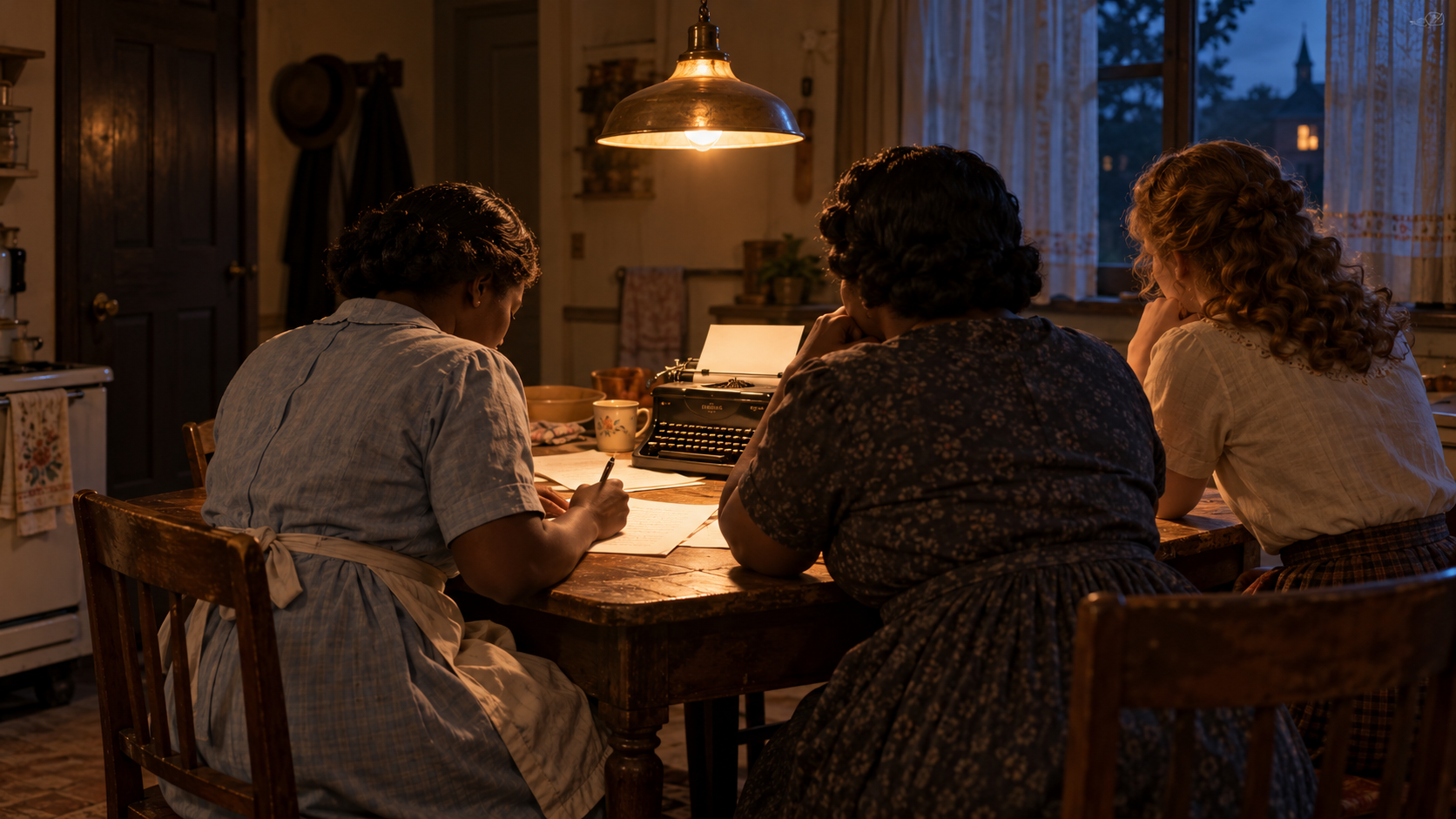
The Help Explained: Aibileen, Minny, Skeeter and the Cost of Speaking Up
Aibileen, Minny and Skeeter risk an uneasy alliance to tell the stories Jackson’s respectable households would rather keep private. This summary and analysis follows Kathryn Stockett’s The Help from its opening conflict to its final consequences, examining trust, domestic labour, motherhood and the unequal costs of speaking up. Includes a spoiler-safe introduction followed by full plot and ending discussion.

To Kill a Mockingbird Explained: Scout, Atticus and the Meaning of Justice
Harper Lee’s To Kill a Mockingbird follows Scout Finch as her father’s defence of Tom Robinson unsettles her understanding of Maycomb. This guided summary traces the childhood discoveries, courtroom evidence and difficult choices in order, before explaining the ending, the mockingbird symbol and the tension between justice and compassion. Includes full spoilers after the opening.

Jane Eyre Explained: Love, Independence and the Secrets of Thornfield
Jane Eyre wants love and belonging without sacrificing her self-respect. Charlotte Brontë’s novel follows that struggle from an unhappy childhood to the mysteries of Thornfield Hall. This summary and analysis traces the story in order, explaining Jane’s relationships, Rochester’s influence, the conflict between passion and duty, and the meaning of the ending. A spoiler-safe opening precedes full plot spoilers.

Wuthering Heights Explained: Heathcliff, Catherine and the Cost of Possession
Catherine Earnshaw and Heathcliff share a bond that clashes with the world of wealth, marriage and social position around them. This guided summary of Emily Brontë’s Wuthering Heights follows the story across two generations, explaining its pivotal choices, family relationships and struggle for control before reaching the ending and its unresolved questions about love, memory and haunting.

Partita Explained: Barbara Kingsolver’s Story of Music, Lost Love and Second Chances
An unexpected call from a former lover unsettles Livia Cable’s life in rural Tennessee. Barbara Kingsolver’s Partita follows the memories, ambitions and family discoveries that surface afterwards. This summary and analysis traces Livia’s story before exploring the closing recital, her relationships with Sigurd and Charlie, and what music means when a life changes direction.

Beloved Explained: Sethe, the Haunting and Toni Morrison’s Ending
Sethe has escaped slavery, but her home remains haunted by a past she cannot put to rest. This summary and analysis follows Toni Morrison’s Beloved through its central revelations, examining Sethe’s choices, Denver’s changing role, Paul D’s memories and the mysterious visitor at 124 before explaining the final confrontation and the ending’s uncertain hope.

Crime and Punishment Explained: Raskolnikov’s Theory, His Choices and the Ending
A desperate former student begins to believe that exceptional people can step beyond ordinary morality. Follow Dostoevsky’s Crime and Punishment from Raskolnikov’s dangerous reasoning through the relationships and pressures that challenge it. This detailed summary and analysis explains the major characters, the investigation, Sonya’s faith and the ending, with a spoiler-safe introduction before full plot coverage.

The Witch Explained: Freida McFadden’s Pemberton Mystery, Family Secrets and Ending
Julia Barlow returns to her family’s Massachusetts estate looking for somewhere to recover. Instead, she encounters disturbing noises, guarded relatives and the story of a woman accused of witchcraft in 1692. This summary and analysis follows both timelines through their discoveries before explaining the climax, family connections and final historical chapter.

The Only One Left Explained: The Hope Family, the Hidden Past and the Ending
A caregiver rebuilding her career enters a crumbling mansion to look after a woman accused of murdering her family. This summary and analysis follows Riley Sager’s The Only One Left through its developing mystery, explaining the crucial relationships, conflicting accounts and final revelations. A spoiler-safe introduction leads into full-spoiler coverage of the plot and ending.

An American Marriage Explained: Love, Loyalty and the Cost of Lost Time
Roy and Celestial are building a future when a wrongful conviction separates them. This summary and analysis follows Tayari Jones’s An American Marriage through its prison letters, changing relationships and difficult homecoming, before explaining the ending. Explore how love, loyalty, family and personal freedom collide when an injustice takes years that nobody can return.

Never Lie Explained: The Tapes, the Hidden Identities and the Final Twist
A snowstorm traps newlyweds Tricia and Ethan inside the home of a missing psychiatrist. Hidden therapy recordings offer clues, but understanding them means questioning the stories people tell about themselves. This summary and analysis follows Freida McFadden’s Never Lie in revelation order, connecting the central discoveries before explaining the final twists and the ending’s implications.

Pachinko Explained: The Family Timeline, Noa’s Fate and the Ending’s Meaning
Min Jin Lee’s Pachinko follows a Korean family through migration, discrimination and changing fortunes in Japan. This explanation traces the relationships connecting Sunja, Noa, Mozasu and Solomon, examines the consequences of a concealed parentage, and explores what the final cemetery scene reveals about fatherhood, belonging and the limits of success. Includes full spoilers for the novel.

The Secret of Secrets Explained: The Golem, Katherine’s Manuscript and the Ending’s Uneasy Truth
Robert Langdon’s search for Katherine Solomon leads into a conspiracy over consciousness, secrecy and power. This summary and analysis explains the central events of Dan Brown’s The Secret of Secrets, the Golem revelation, the fate of Katherine’s manuscript and why the ending offers different kinds of closure for its principal characters. Includes full spoilers and a clear distinction between fiction and scientific evidence.

Klara and the Sun Explained: The Ending, Josie’s Fate and What Makes Us Irreplaceable
Klara is designed to understand the child who chooses her. But understanding Josie becomes entangled with a disturbing question: could she ever replace her? Explore Kazuo Ishiguro’s Klara and the Sun, from genetic enhancement and the family’s hidden plan to Klara’s faith, the meaning of the final scene and the relationships that make a person irreplaceable.

Remarkably Bright Creatures Explained: Marcellus, the Family Secret and the Ending’s Meaning
A grieving aquarium cleaner, a young man searching for his father and an unusually perceptive octopus become part of the same family mystery. This summary and analysis of Shelby Van Pelt’s Remarkably Bright Creatures explains the central discoveries, Marcellus’s role, Cameron’s choices and the ending’s meaning, while distinguishing what the novel establishes from what its characters infer.

Carrie Explained: Stephen King’s Ending, the Real Horror and What the Adaptations Change
A school dance promises Carrie White a brief escape from humiliation. Stephen King turns that hope into a tragedy whose meaning extends far beyond the famous prom scene. Explore the novel’s central relationships, its devastating ending and final letter, alongside the changes made by the 1976, 2002, 2013 and 2026 screen adaptations.

East of Eden Explained: Cathy Ames, the Ending and What “Timshel” Really Means
Can a person escape the worst parts of their family’s past? This detailed explanation of John Steinbeck’s East of Eden explores Cathy Ames, the rivalry between Cal and Aron, Adam’s failures and the meaning of his final blessing. Discover how the novel connects guilt, forgiveness and moral choice—and why its use of “timshel” needs distinguishing from literal Hebrew translation.

The End of Everything by M. John Harrison: What Happens When Reality Begins to Collapse?
A beachcomber hopes an unfamiliar creature will buy him a new life. His aunt struggles to hold on to a world that no longer makes sense. This selective summary and analysis of M. John Harrison’s The End of Everything explores the changing artefact, Marnie’s journey, grief, failing memory and the unsettling limits of what its ending reveals.