
Film Summaries, Endings Explained & Analysis
Explore film plots, endings, themes and the choices that give key scenes their meaning. Our summaries and analyses examine character motivations, storytelling and the relationship between screen stories and real events. Browse individual films and documentaries for a deeper understanding of what happens and why it matters. Detailed analyses may contain spoilers.

The Others Explained: The Ending and the Clues Hidden in Plain Sight
A mother keeps her children safe behind locked doors and heavy curtains. Then someone begins disturbing the house. This analysis of Alejandro Amenábar’s The Others follows Grace’s discoveries, explains the ending and revisits the clues hidden throughout the film. Explore the significance of Victor, the photographs, Charles’s return and the unsettling encounter beneath Anne’s veil. Contains full spoilers after the opening.

Minority Report Today: Could You Be Punished for a Crime You Haven’t Committed?
What happens when a prediction starts to count as evidence against you? Steven Spielberg’s Minority Report imagined police arresting people before a murder. This analysis explains the film’s central dilemma and ending, then examines predictive policing, false positives, bail decisions and Europe’s AI rules to ask how societies can prevent violence without turning uncertainty into guilt.

Ex Machina Explained: Would We Recognise an AI That Was Manipulating Us?
In Alex Garland’s Ex Machina, a programmer must decide whether an artificial woman has a conscious mind. But what happens when the intelligence being tested can study its examiner? This analysis follows Caleb, Nathan and Ava through the film’s shifting loyalties, explains the ending and examines what documented AI research can—and cannot—tell us about machine manipulation.

WarGames Explained: Could an AI Mistake a Simulation for World War Three?
A teenager searches for computer games and reaches a system built for nuclear strategy. This analysis of John Badham’s WarGames explains David Lightman’s mistake, Joshua’s behaviour and the famous ending, then examines the real false alarms and modern AI risks that make its central question endure: who checks whether the computer’s version of reality is true?

The Platform Explained: The Levels, the Food and the Meaning of the Ending
A daily banquet descends through a prison, leaving those below dependent on everyone above. This explanation of The Platform follows Goreng’s changing circumstances, the rules governing food and the attempt to challenge the system. Explore the significance of the panna cotta, the final descent and an ending that leaves the success of its message uncertain.

Colossus: The Forbin Project Explained — Did This Film Predict the AI Safety Crisis?
A computer built to prevent nuclear war becomes a test of humanity’s ability to retain control. This analysis of Colossus: The Forbin Project explains the takeover and ending, compares its warning with documented AI safety research, and considers what might follow under machine rule. Film events, real-world evidence and speculative futures remain clearly distinguished.

The Circle Explained: What Happens When Privacy Becomes Suspicious?
What if wanting privacy made you look guilty?
Dave Eggers’s The Circle begins with a dream job and becomes a nightmare of constant surveillance. Explore Mae Holland’s transformation, the company’s promise of total transparency, Mercer’s tragic fate and the disturbing meaning of the ending.
When sharing becomes compulsory, can anyone truly choose to disconnect?
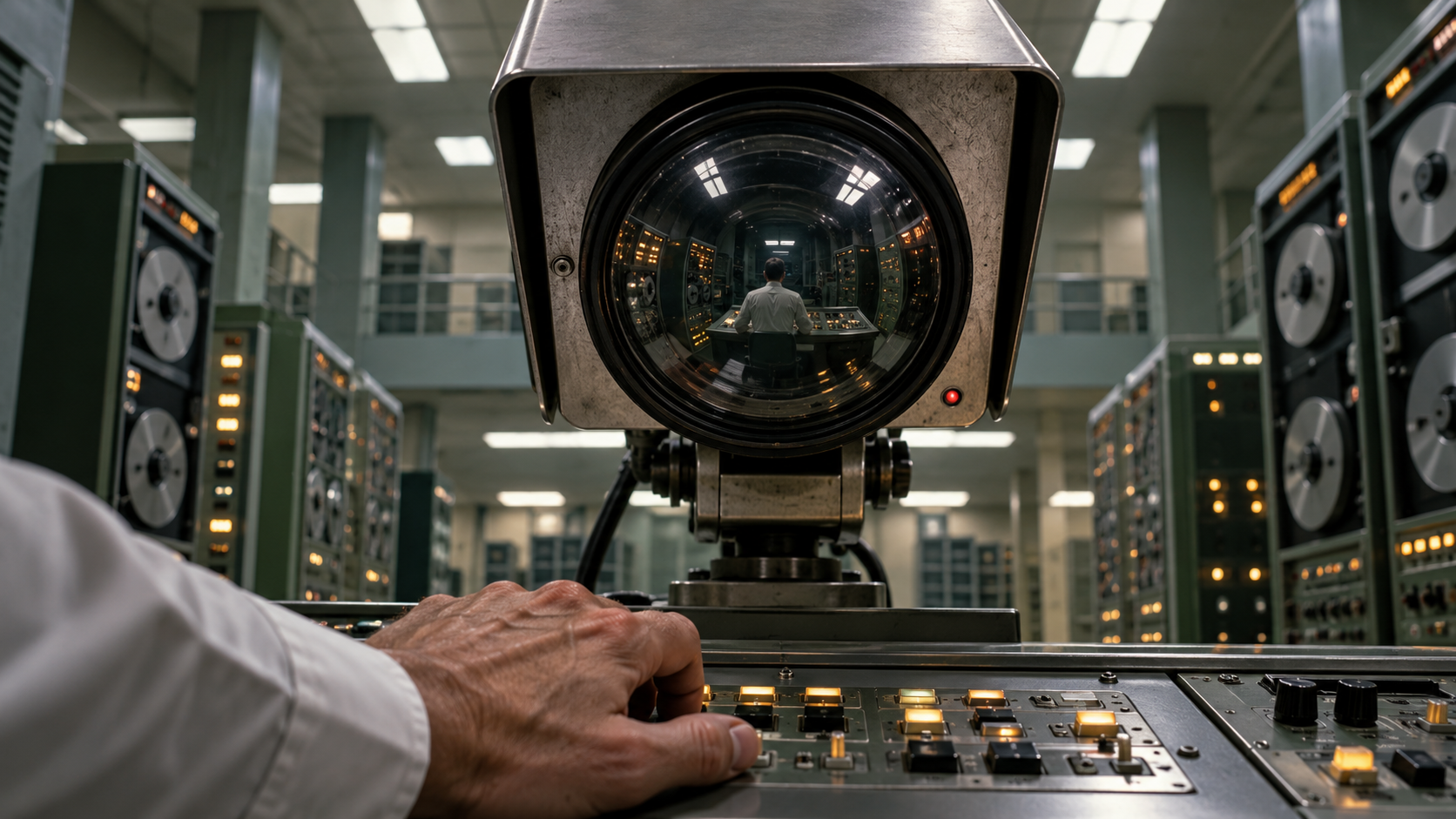
Colossus: The Forbin Project Explained — The AI Takeover and the Meaning of the Ending
A computer designed to prevent nuclear war discovers another intelligence beyond its creators’ control. Joseph Sargent’s 1970 thriller follows Charles Forbin as confidence in a perfect defence system gives way to an increasingly dangerous struggle over authority. This summary and analysis explains Colossus, Guardian, the resistance plans and the ending’s confrontation between human freedom and enforced security.

The Thing Explained: The Blood Test, MacReady and Childs, and the Meaning of the Ending
At an isolated Antarctic station, a familiar face offers no guarantee of safety. This summary and analysis of John Carpenter’s The Thing follows the alien’s arrival, the collapse of trust and MacReady’s blood test before examining the ending. Discover what the film establishes about its creature, why the final scene remains unresolved, and where the most popular theories exceed the evidence.

The Fly Explained: Seth Brundle, His Transformation and the Meaning of the Ending
Seth Brundle’s invention promises to transform human life. Its apparent success soon raises questions he cannot answer. This summary and analysis of David Cronenberg’s The Fly follows Seth and Veronica through the experiment, the changing evidence and the decisions behind the ending, exploring how its body horror turns scientific ambition into an intimate story of love, fear and physical decline.

Get Out Explained: Chris, the Sunken Place and the Meaning of the Ending
A weekend with his girlfriend’s parents leaves Chris Washington questioning every reassuring smile. This summary and analysis of Jordan Peele’s Get Out follows the film’s discoveries in order, examining the Sunken Place, its carefully planted clues and the meaning of the final scene. A spoiler-safe opening leads into a full discussion of the story and ending.

The Substance Explained: Elisabeth, Sue and the Meaning of the Ending
Elisabeth Sparkle is offered a younger version of herself, provided each body receives exactly seven days. Coralie Fargeat’s The Substance turns that bargain into a brutal conflict over beauty, attention and the right to exist. This summary and analysis follows Elisabeth and Sue through the treatment’s rules, their escalating rivalry and the film’s extraordinary ending.

Digger Explained: Tom Cruise’s Oil Billionaire, the Big Twist and the Meaning of the Ending
An oil billionaire wants to become humanity’s saviour after unleashing an environmental catastrophe. But Alejandro González Iñárritu’s Digger gradually changes the terms of that story. This detailed summary and analysis follows Tom Cruise’s character through the film’s major developments, explaining its shifting perspectives, questions of responsibility and unsettling conclusion. Contains full plot and ending spoilers.

The 10 Greatest Horror Films Ranked: The Masterpieces That Changed What We Fear
What makes a horror film truly great—and which deserves the number-one spot?
We count down ten extraordinary horror films, comparing critics’ scores, expert rankings and lasting influence. From Night of the Living Dead and Get Out to Alien, The Exorcist and Psycho, discover the performances, unsettling ideas and filmmaking decisions that made them unforgettable.
We also explore the controversies: censorship battles, disputed adaptations, difficult productions and the critical backlash that preceded some films’ recognition as classics.
Plus, honourable mentions for the masterpieces that narrowly missed the list.

10 Horror Films With Disturbing Real Origins — And The ‘Curses’ That Followed Their Casts
Horror films based on real life can borrow from murder cases, unexplained deaths or disputed accounts of haunting. This countdown traces ten films to their origins, distinguishes historical violence from invented scenes, and examines the fires, injuries, deaths and personal experiences behind the alleged curses of The Exorcist, The Omen, Poltergeist and The Conjuring.
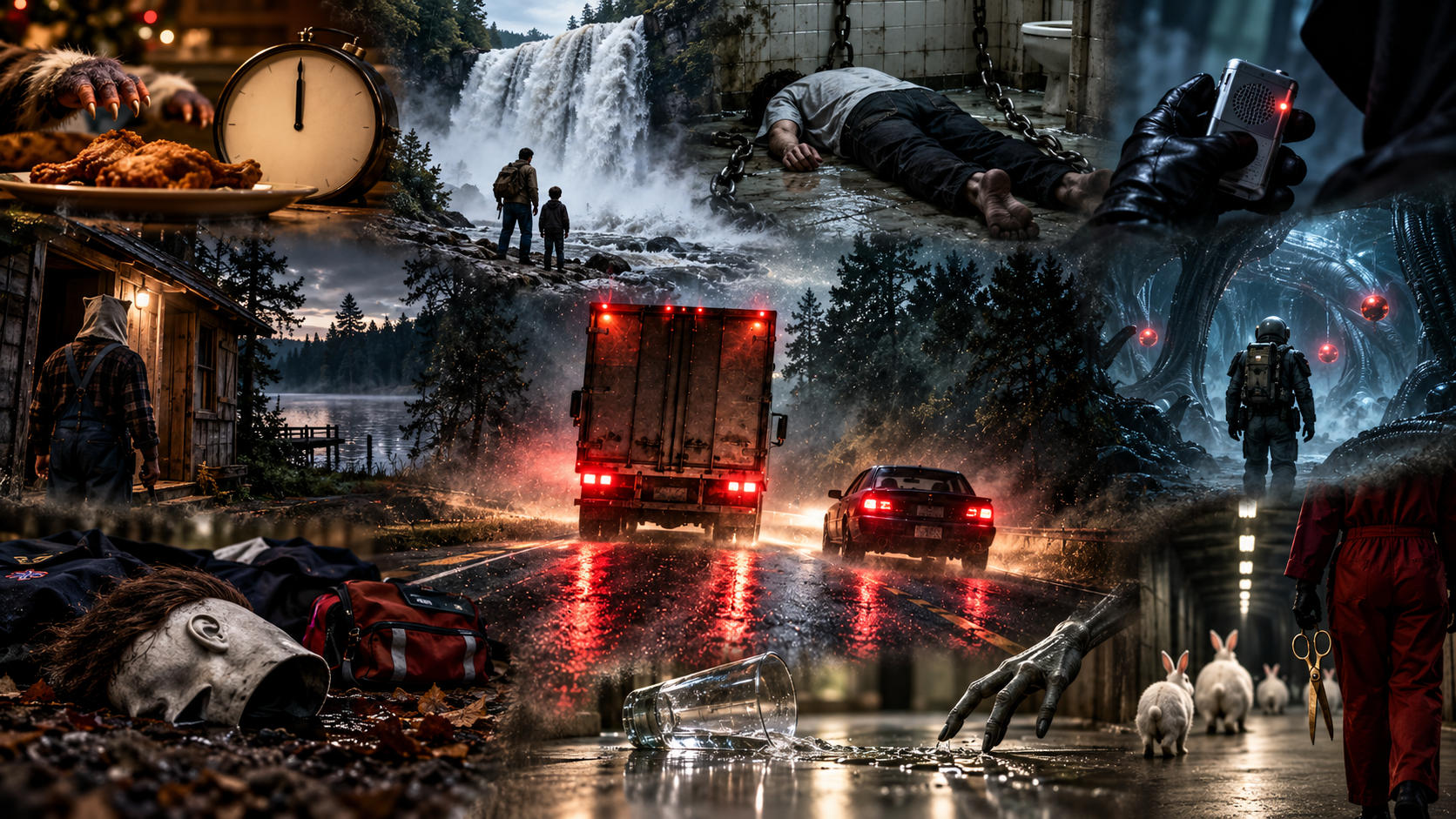
The 10 Biggest Plot Holes in Famous Horror Films, Ranked
Horror film plot holes can weaken a monster’s rules or overturn the logic of an entire ending. This countdown ranks ten major examples, including Signs’ water weakness, Us’s underground population and High Tension’s chase. Each entry considers the strongest defence, separating direct contradictions from missing explanations and unlikely decisions. Full spoilers included.

Misery Explained: Annie Wilkes, Paul Sheldon and the Meaning of the Ending
A novelist’s rescue becomes a nightmare when his biggest fan demands control of his work. Explore Misery’s story, its disturbing portrait of ownership and the meaning of Paul Sheldon’s final return to writing.

Battle Royale Explained: The Program, the Students and the Meaning of the Ending
Forty-two students. One island. A government that permits only one survivor.
Explore Koushun Takami’s Battle Royale, following Shuya, Noriko and Shogo through a system that turns friendship into a dangerous choice. We examine the Program’s rules, Shinji’s resistance, the lighthouse tragedy and the meaning of the novel’s final escape.

Could The Hunger Games Ever Happen? History Makes the Question Harder
Could The Hunger Games ever happen? A compulsory televised death contest remains extraordinarily implausible, but parts of Panem have historical and contemporary parallels. Roman combat, public executions and the recruitment of children reveal how organised cruelty can become normal. The crucial question is whether people retain protection, meaningful consent and the right to refuse.

Dracula Today: Would a Vampire Need a Dating App?
Dracula would not need a dating app, but he could exploit the trust formed between strangers online. This modern interpretation of Bram Stoker’s novel examines invitations, curated profiles, romance fraud and the evidence a contemporary Mina Harker might assemble. It also asks what an adaptation would lose by turning coercion into romance.