
Science
Stay ahead of the curve with clear, fast-reading explainers on the latest science – from AI and robotics to biotechnology, quantum computing, cybersecurity, and climate tech. Each article turns complex research into plain language, breaking down how it works, why it matters, and how it will shape the next decade of innovation for business, politics, and everyday life
Silicon Lifeforms: What They Might Look Like, and Why They’re So Hard to Picture
Silicon Lifeforms: What They Might Look Like, and Why They’re So Hard to Picture

String Theory Explained Simply: Why Physics Keeps Coming Back to Tiny Strings
String Theory Explained Simply: Why Physics Keeps Coming Back to Tiny Strings

The Unknowns in Biology Ranked: The Questions That Could Rewrite Life Science
The Unknowns in Biology Ranked: The Questions That Could Rewrite Life Science
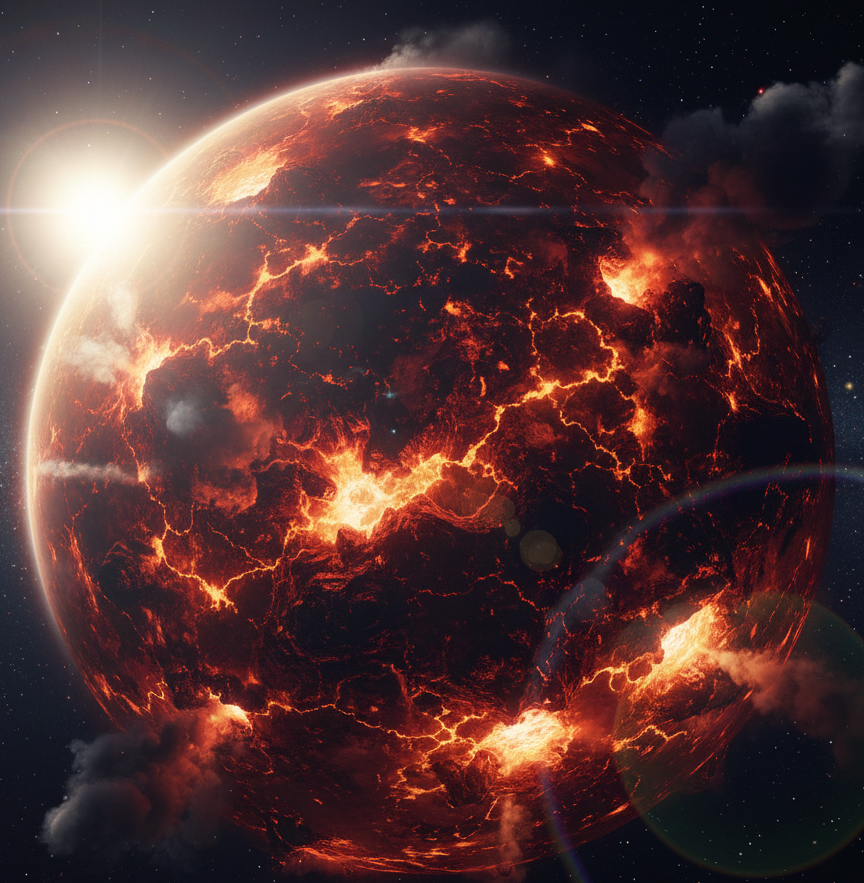
James Webb Telescope (JWST) detects strong evidence of a thick atmosphere on lava-world super-Earth TOI-561 b
James Webb Telescope (JWST) detects strong evidence of a thick atmosphere on lava-world super-Earth TOI-561 b

Earliest evidence of humans making fire in Britain may date to 400,000 years ago
The earliest evidence of humans making fire in Britain may date to 400,000 years ago

The Next Likely Global Pandemics Ranked – And How They Might Play Out
The Next Likely Global Pandemics Ranked – And How They Might Play Out

What caused COVID-19, ranked – and what still isn’t answered
What caused COVID-19, ranked – and what still isn’t answered
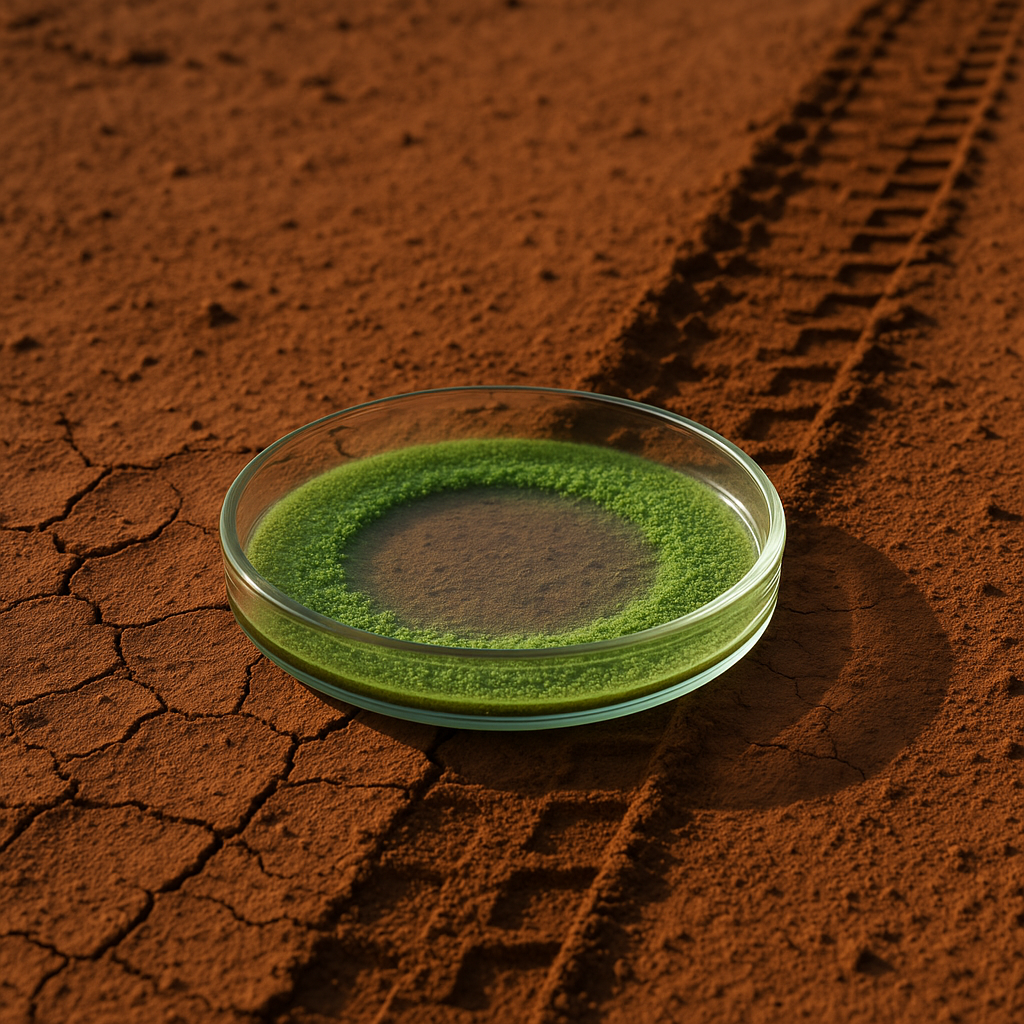
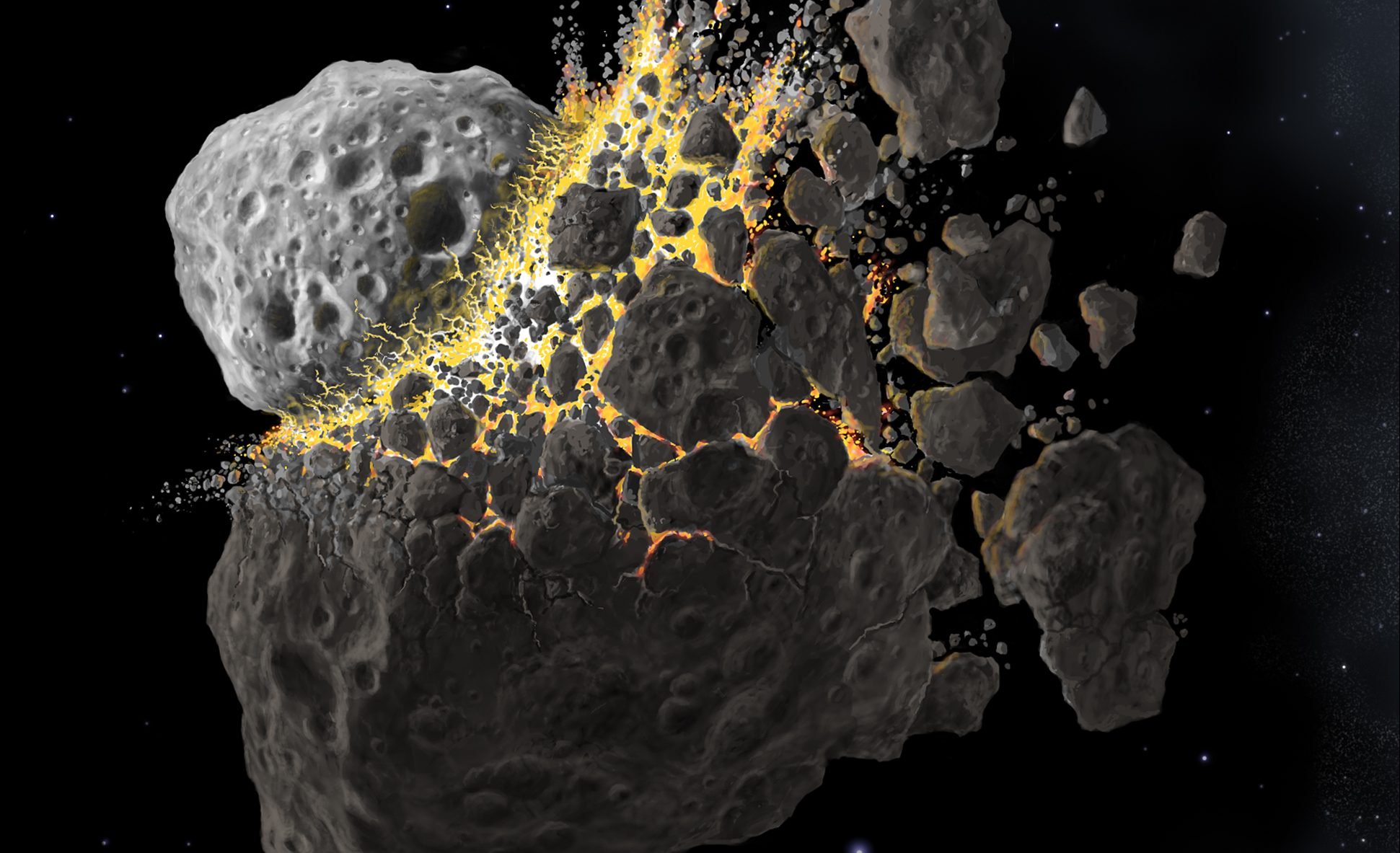
Panspermia’s Newest Clues: Fresh Evidence That Life’s Ingredients Travel Through Space
Edit Site Header
Panspermia’s Newest Clues: Fresh Evidence That Life’s Ingredients Travel Through Space
Humanity’s oldest hunch about life in the universe is being tested in the lab. Within days, scientists announced that samples from asteroid Bennu contain sugars vital to DNA and RNA, along with a mysterious “space gum”

Rare powerful solar flare triggers radiation spike and air travel safety rethink
Rare powerful solar flare triggers radiation spike and air travel safety rethink
Quantum Tech Boom: Inside the New UK-Germany Joint Funding Push
Quantum Tech Boom: Inside the New UK-Germany Joint Funding Push

Synthetic human genomes: lab-grown chromosomes enter human cells
Synthetic human genomes: lab-grown chromosomes enter human cells

Atlantic Meridional Overturning Circulation Collapse Risk and Europe’s Growing Drought Threat
Atlantic Meridional Overturning Circulation Collapse Risk and Europe’s Growing Drought Threat
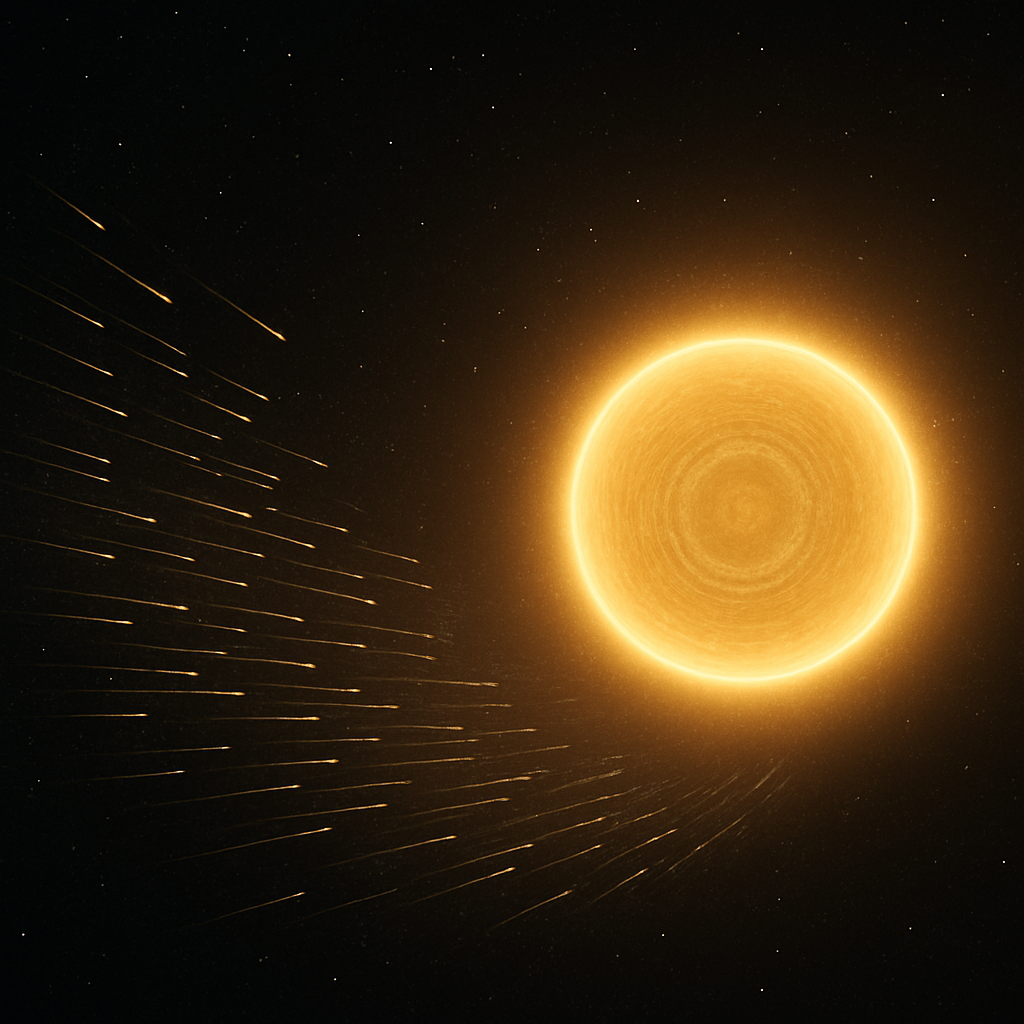
SOHO at 30: 5,000 Comets, New Solar Insights, and What Comes Next
SOHO at 30: 5,000 Comets, New Solar Insights, and What Comes Next
Are We Finally Closing In on the Theory of Everything? String Theory Today
Are We Finally Closing In on the Theory of Everything? String Theory Today
Space Race and New Geopolitics: How the New Space Economy Is Redrawing Power in Orbit and Beyond
Space Race and New Geopolitics: How the New Space Economy Is Redrawing Power in Orbit and Beyond

Possible First Direct Evidence of Dark Matter: What a New Gamma-Ray Signal Really Means
Possible First Direct Evidence of Dark Matter: What a New Gamma-Ray Signal Really Means
For nearly a century, dark matter has been the universe’s biggest ghost story. Astronomers could see its fingerprints in the way galaxies move, but never the thing itself. Now, a new analysis of gamma rays from the Milky Way has ignited headlines with a bold claim: this might be the first direct evidence of dark matter.
The signal comes from NASA’s Fermi Gamma-ray Space Telescope. Over 15 years, the instrument has quietly watched the sky for the most energetic form of light. In the latest work, a researcher in Japan believes the data reveal a halo of gamma rays around our galaxy that matches what dark matter theories have been predicting for decades. If that interpretation is right, it would be a turning point for both cosmology and particle physics.
But “if” is doing a lot of work here. Other experts are excited but wary. Past “dark matter signals” have faded under closer scrutiny, and this new result faces many of the same tests.
This article unpacks what has actually been found, how the analysis works, why some scientists are cautious, and what it would mean if the signal really does come from dark matter particles annihilating in the Milky Way’s halo. It also looks at the broader impact on physics, technology, and society if the universe’s missing mass finally steps out of the shadows.
Key Points
A new study of 15 years of data from NASA’s Fermi Gamma-ray Space Telescope reports a halo-like glow of high-energy gamma rays around the Milky Way that closely matches models of a dark matter halo.
The signal peaks at energies of around 20 billion electron volts and can be interpreted as the byproduct of collisions and annihilations of hypothetical dark matter particles hundreds of times heavier than a proton.
The result is being described as “possible first direct evidence” of dark matter because it would be the first non-gravitational signature of the substance, rather than an indirect effect on galaxy motions or light paths.
Many astrophysicists urge caution, noting that other astrophysical sources—such as pulsars, cosmic-ray interactions, or complex diffuse structures—could still explain the glow, and that similar signals are not clearly seen in nearby dwarf galaxies where dark matter should also be abundant.
If confirmed, the finding would point toward a specific class of dark matter particle and open new paths for particle accelerators, underground detectors, and future telescopes to target.
Even if the signal ultimately has a more mundane explanation, the analysis pushes forward techniques in high-energy astrophysics, data processing, and large-scale simulations that spill over into other fields.

Muscle Mass Can Make Your Brain Younger, Study Finds
An 8-billion-year-old fast radio burst, older than the solar system, reveals hidden matter between galaxies and reshapes what we know about cosmic explosions.

Astronomers Detect 8-Billion-Year-Old Fast Radio Burst Older Than the Solar System
An 8-billion-year-old fast radio burst, older than the solar system, reveals hidden matter between galaxies and reshapes what we know about cosmic explosions.