Ukraine Strikes a Russian Warship in Libya: What the Benghazi Attack Means
The war in Ukraine has reached a port more than 2,000 kilometres from the front line. On Sunday 22 November, naval drones struck the Russian corvette Merkury while it was docked at the naval base in Benghazi, eastern Libya. A day later, President Volodymyr Zelenskyy publicly claimed the operation for Ukraine. It is Kyiv's first official acknowledgement of military action on Libyan soil, and it sends a blunt message to Moscow: Russian warships are no longer safe simply because they are far from the Black Sea.
What Happened in Benghazi
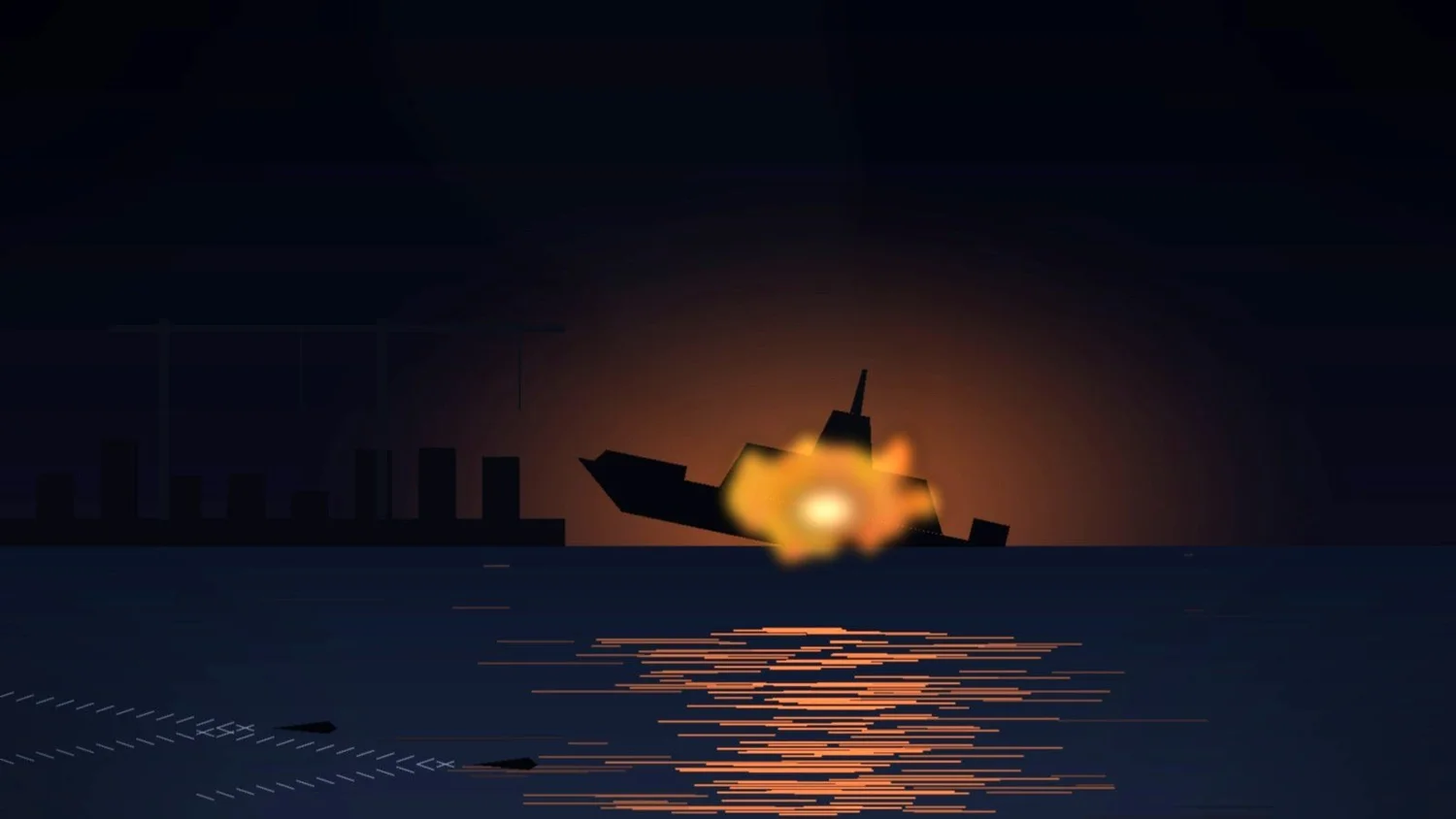
Residents of Benghazi reported explosions and a fire early on Sunday, according to the Associated Press. Civil defence teams put out the blaze, eastern Libyan authorities said. The vessel at the centre of it was the Merkury, a modern Russian Navy corvette commissioned in 2023.
On Monday, Zelenskyy said Ukrainian forces had used seven Ukrainian-made naval drones in the attack. He said the corvette was sunk despite Russian efforts to counter the drones, and that a Ka-27 naval helicopter aboard the ship was also destroyed. He called it "an exemplary Ukrainian operation" and thanked the Security Service of Ukraine (SBU) and other defence forces.
Zelenskyy also said a second vessel, the dry cargo ship Angara, was hit off the Libyan coast. He described it as a ship Russia used to carry weapons.
What Ukraine's Security Service Says
The SBU published videos on Monday which it said showed the strikes. Reuters reported that it had verified the footage, which shows fire and smoke. According to the SBU, the drones were delivered to a designated area and launched from a nearby "mother ship". It said the Merkury had been escorting Russian convoys, including the Angara, and claimed the cargo ship was under sanctions and used to move military equipment. Those are Ukrainian claims; Taylor Tailored has not been able to confirm the Angara's sanctions status independently.
Was the Warship Really Sunk?
This is the main point of difference between accounts. Satellite imagery from Vantor, distributed by the AP and Reuters, shows a corvette capsized at the base, with only its bow visible above the water. That is strong visual support for Zelenskyy's claim. However, two Libyan officials affiliated with the eastern-based Libyan National Army told the AP the corvette was "severely damaged" rather than sunk. They said at least four drones were intercepted and two hit the ship.
One unnamed official told the AP at least ten people were wounded, including Libyan and Russian nationals. No deaths have been reported. The UK maritime risk firm Ambrey said some of the explosions were likely caused by ammunition detonating on board the Merkury.
How Russia and Libya Have Responded
Moscow has been notably quiet. Russia's Defence Ministry did not immediately comment, Reuters reported. Kremlin spokesman Dmitry Peskov declined to comment and said the Defence Ministry would provide information "if deemed to be appropriate", according to the AP.
Libya's response reflects the country's division. Since 2011 it has been split between a UN-recognised government in Tripoli and a rival administration in the east, dominated by commander Khalifa Haftar, whose forces have long had ties with Russia.
- The eastern government condemned the attack as a violation of sovereignty. Its prime minister, Osama Hamad, wrote to the UN asking for an investigation into suspicions that the drones were launched from western Libya, and into the presence of Ukrainian military experts there. It said the Russian ship had docked to refuel and resupply under a Russia–Libya cooperation agreement.
- The Tripoli government's Foreign Ministry said the war gave neither side the right to conduct military operations on Libyan territory or in its waters, and that foreign forces would not be allowed to use Libyan ports or infrastructure for military purposes.
- The UN Support Mission in Libya expressed "serious concern" and called for an independent investigation.
Why Russia's Navy Was in Libya
Russia's interest in eastern Libya is not new. Haftar's camp has hosted Russian military contractors for years, and Moscow has used Libyan facilities as a logistics stepping stone into the Sahel, where its Africa Corps operates. The Institute for the Study of War said the Merkury had stopped over in Benghazi for several days under the cooperation agreement while escorting Russian cargo ships capable of carrying military supplies.
Alexey Muraviev of Edith Cowan University told Al Jazeera that the Mediterranean has become an external theatre of operations in the war, and suggested the ships may have been supporting Russia's Africa Corps. He said losing the Merkury would weaken Russia's navy. That matters for a fleet whose Black Sea forces have already been pushed back from Crimea by repeated Ukrainian drone and missile strikes.
A Pattern of Long-Range Maritime Strikes
The Benghazi strike fits a wider pattern. Ukraine has spent much of the war using sea drones to push the Black Sea Fleet away from Crimea, and its attacks have been moving steadily further afield. In March, Russia said Ukrainian naval drones launched from Libya attacked the Arctic Metagaz, an LNG carrier that caught fire and sank between Libya and Malta. Kyiv did not claim that attack.
The AP has reported that Libyan officials told it earlier this year that Ukrainian personnel, mostly drone specialists, were operating in western Libya under a covert arrangement endorsed by Western countries. Libya has previously denied a CNN report that it allowed Ukraine to use a base in the north-west for operations against Russian shadow-fleet vessels. These remain reports and denials; none has been officially confirmed.
The attack also came a day after a Russian cargo ship, the Sparta II, caught fire in the Gulf of Finland following a drone strike. Finland's military said that attack was likely carried out by Ukraine; all 16 crew were evacuated. Peskov described a "dangerous trend" of what he called terrorist activity in the Baltic. Readers following Russia's maritime confrontations with Europe may also want our explainer on Putin's threats of global ship seizures.
Why It Matters
For the War
Militarily, one corvette will not change the course of the war. Symbolically, the reach of the attack matters more. Zelenskyy told a NATO Parliamentary Assembly meeting in Berlin that Ukraine would continue operations "in designated waters". The SBU put it more sharply, saying Russia's navy and its logistics "have no safe routes". If Russian warships and supply vessels cannot rely on friendly ports in North Africa, Moscow faces higher costs protecting its links to Syria, Libya and Africa.
For Libya
The strike puts Libya's fragile political balance under fresh strain. The eastern authorities are pointing towards western Libya; Tripoli insists it will not allow foreign military use of its territory. Any evidence that the drones were launched from Libyan soil, rather than a vessel at sea, could deepen the rift between the two administrations and draw the country further into a war that is not its own.
For Peace Talks
The timing is sensitive. US-backed talks between Russia and Ukraine resumed this month after a nine-month pause, Reuters noted. A high-profile strike far from the front could harden positions on both sides, or could be presented by Kyiv as leverage ahead of negotiations. For context on the diplomacy, see our report on how Putin's envoy held talks with the US.
What Comes Next
Several questions remain open. Russia's Defence Ministry has not yet confirmed the loss of the Merkury, and Moscow's eventual response, whether military, diplomatic or through pressure on Libya, is unclear. The UN is being asked to investigate where the drones were launched from. Satellite imagery over the coming days should show whether the corvette can be salvaged. And Zelenskyy's promise of further operations suggests Russian shipping across the Mediterranean, and possibly the Baltic, will face growing risk.
What is already clear is that the maritime war has moved well beyond Crimea. A conflict that began on land in eastern Europe is now being fought, at least in part, in the ports of North Africa.
Sources
- Reuters (via Yahoo News): Ukraine sinks Russian warship in Libya as conflict spreads beyond Europe
- CBS News / AP: Zelenskyy says Ukraine hit 2 Russian ships off Libya, and 1 sank
- The Korea Herald / AP: Zelenskyy hails Ukraine's attack on a Russian warship docked at naval base in Libya
- Al Jazeera: Ukraine claims drone strikes on Russian ships off Libya: What do we know?
- ABC News: Russian warship sinks at Libyan naval base after Ukraine drone attack
