History: Civilisations, Empires & Turning Points
Explore the people, events and decisions that shaped the past, from ancient civilisations and imperial expansion to conflict, industrial change and social upheaval. Our historical explainers examine causes, consequences and the evidence behind familiar narratives. Discover how historians interpret the past and why some questions remain contested.
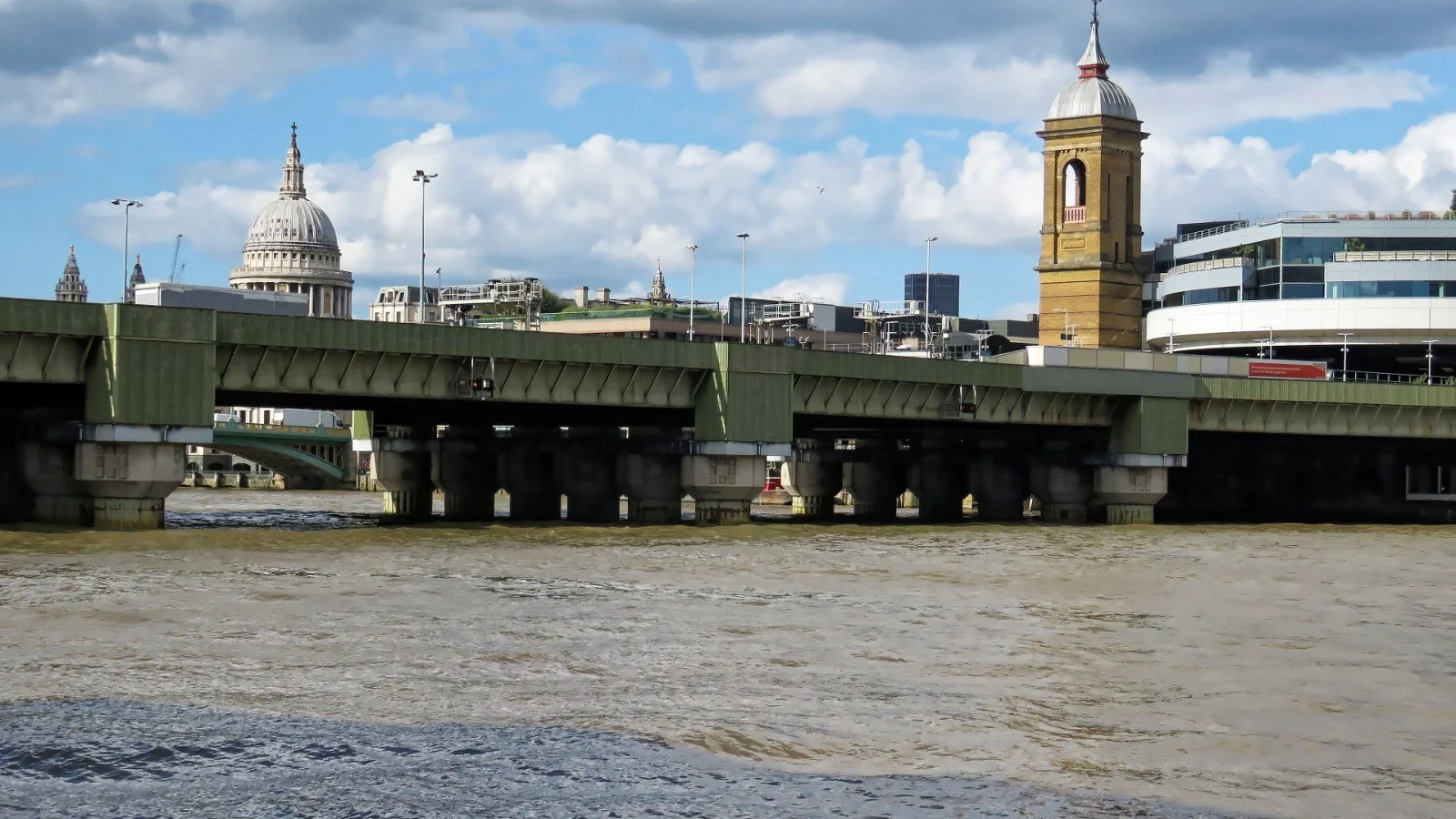
The Marchioness Disaster Explained: How 51 People Died on the Thames in 1989 and Why Families Fought a Decade for an Inquiry
On 20 August 1989 the dredger Bowbelle ran down the party boat Marchioness on the Thames in London, and 51 people died. This explainer covers the lookout failures behind the collision, the trials that ended without a conviction, the coroner and the removed hands, the families' decade-long fight for an inquiry and the Thames lifeboats that followed.
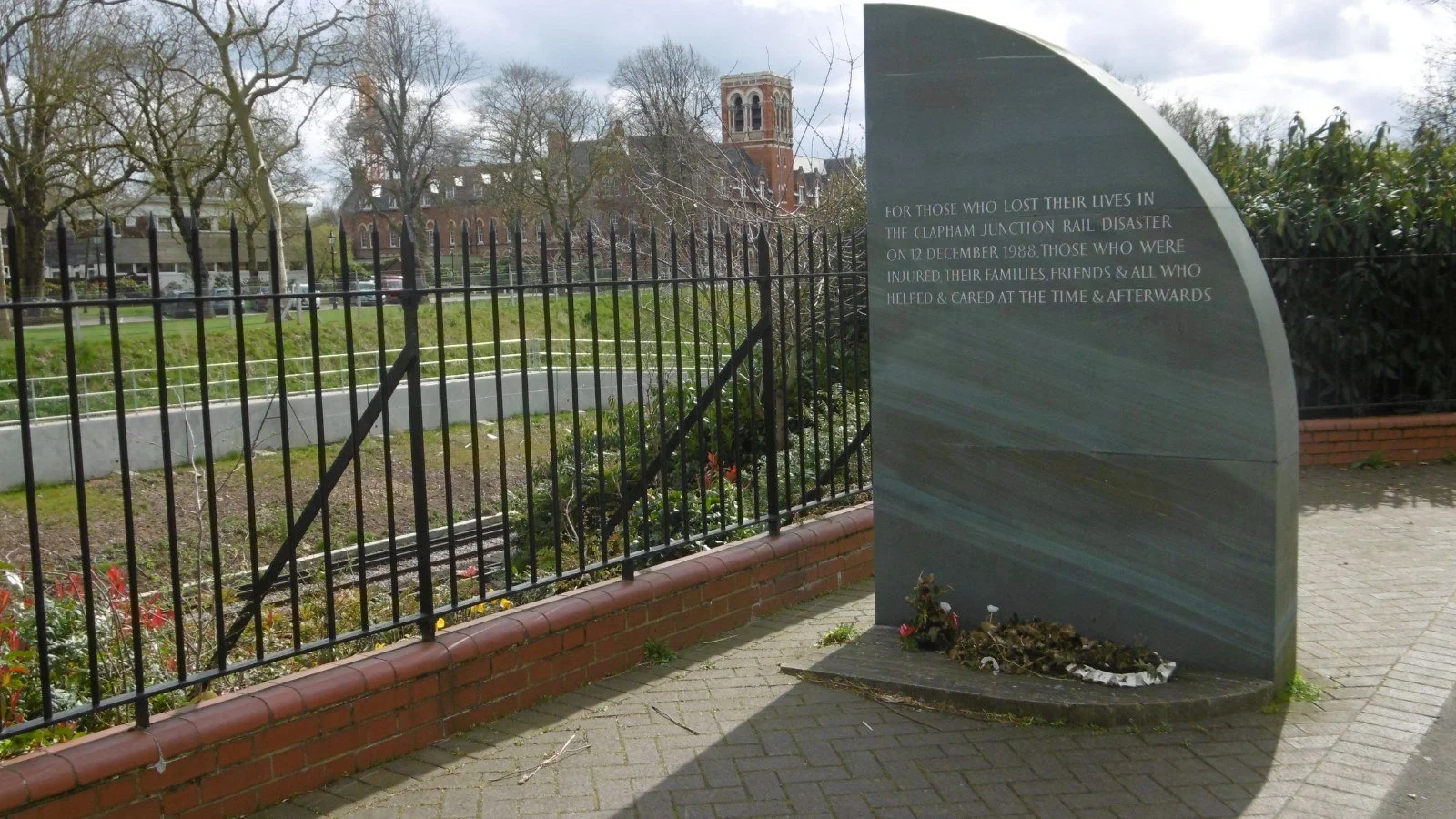
The Clapham Junction Rail Crash Explained: How One Loose Wire Killed 35 People in 1988
On 12 December 1988 a signal that should have shown red let a packed commuter train run into another in a cutting near Clapham Junction, killing 35 people. This explainer covers the loose wire behind it, the seven-day weeks that blunted a skilled technician's attention, the Hidden inquiry's verdict on British Rail and what happened to its 93 recommendations.
The Moorgate Tube Crash Explained: What Happened in London’s Worst Peacetime Underground Disaster in 1975
On 28 February 1975 a rush-hour Tube train failed to stop at Moorgate and hit the tunnel wall, killing 43 people. Here is what happened, how the rescue unfolded, what the inquiry concluded, why the cause is still debated and what changed afterwards.
The Windscale Fire Explained: What Happened in Britain's Worst Nuclear Accident in 1957
In October 1957 a reactor at Windscale caught fire and released radioactive iodine over northern England. Here is what went wrong, how Tom Tuohy put the fire out with water, what the Penney inquiry concluded, and why the full report stayed secret for thirty years.
The Tay Bridge Disaster Explained: Why Bouch's Bridge Fell in the 1879 Storm and Who Was Blamed
On 28 December 1879 the central section of the Tay Bridge fell into the Firth of Tay during a storm, taking a passenger train with it and killing everyone on board. This explainer covers the death toll, Thomas Bouch's design, the divided inquiry and how the disaster changed engineering rules on wind.
Ronan Point Explained: How a Match and a Gas Cooker Brought Down a London Tower Block in 1968
On 16 May 1968 a gas explosion on the 18th floor of Ronan Point, a new 22-storey tower in Canning Town, brought down a whole corner of the building and killed four people. This explainer sets out how the tower was built, what the Griffiths inquiry found and how the disaster rewrote Britain's building rules.
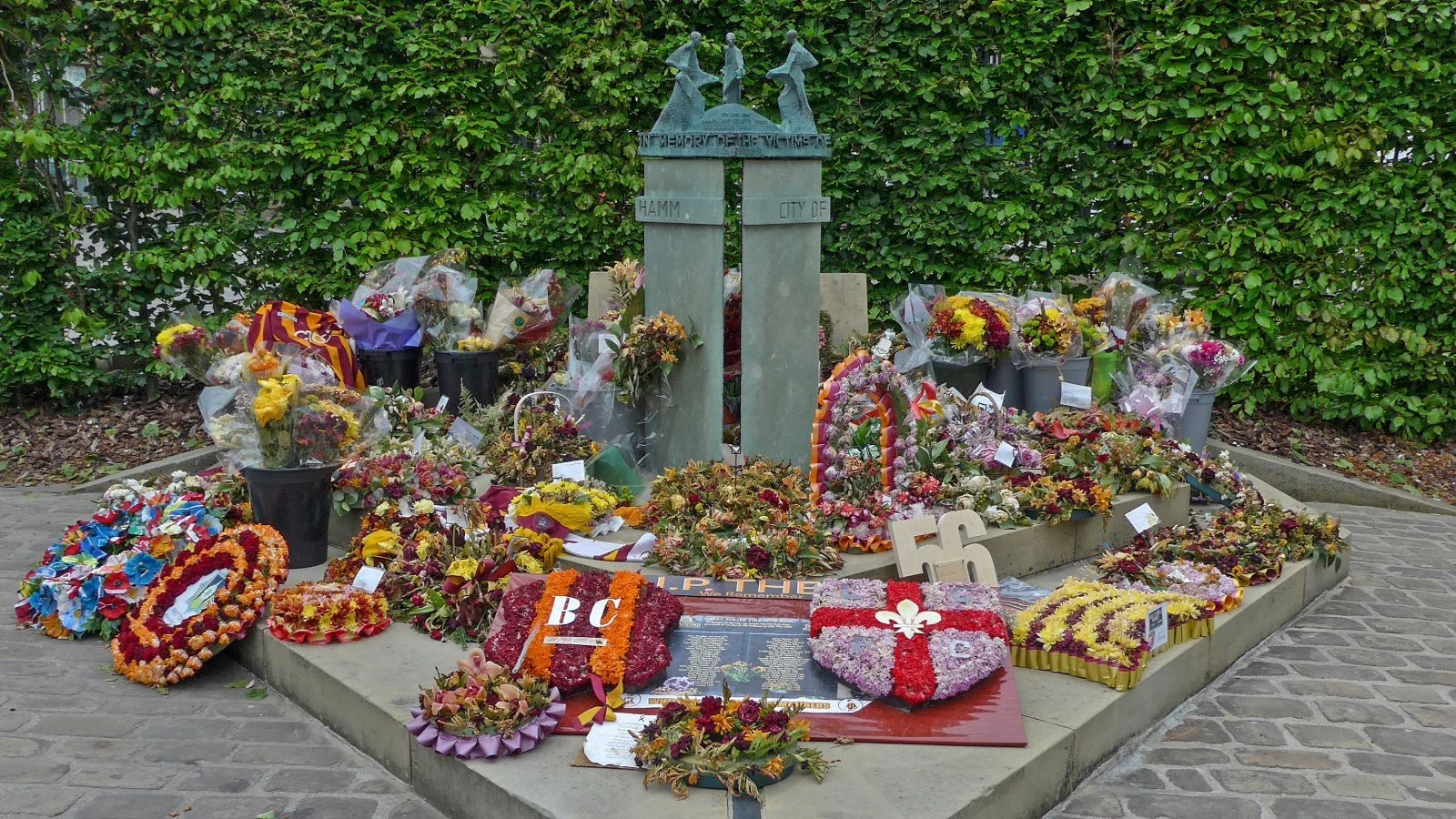
The Bradford City Fire Explained: How 56 People Died at Valley Parade in 1985 and What Changed
On 11 May 1985 a fire in the wooden main stand at Valley Parade killed 56 people at Bradford City's last match of the season. This explainer sets out why the stand burned in minutes, the warning the club received in 1984, the locked exits, what the Popplewell inquiry and the courts found, and how the disaster changed the law on sports grounds.
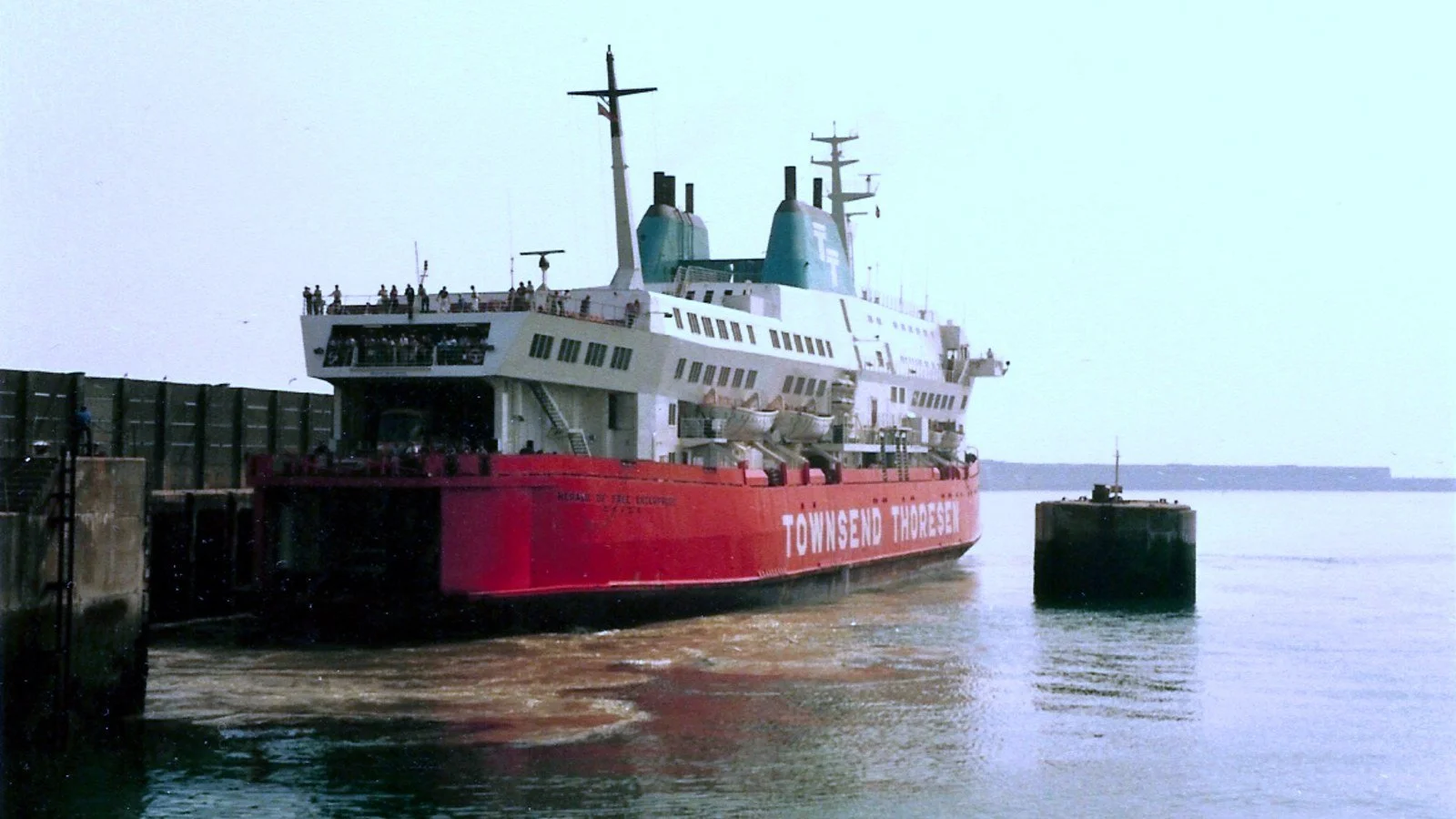
The Zeebrugge Ferry Disaster Explained: Why the Herald of Free Enterprise Capsized in 1987 and No One Was Convicted
On 6 March 1987 the cross-Channel ferry Herald of Free Enterprise left Zeebrugge with its bow doors open and capsized within minutes, killing 193 people. This explainer covers why the doors were open, the ignored requests for warning lights, the inquiry's verdict on a company infected with "the disease of sloppiness", why the manslaughter trial collapsed, and how the disaster changed the law.
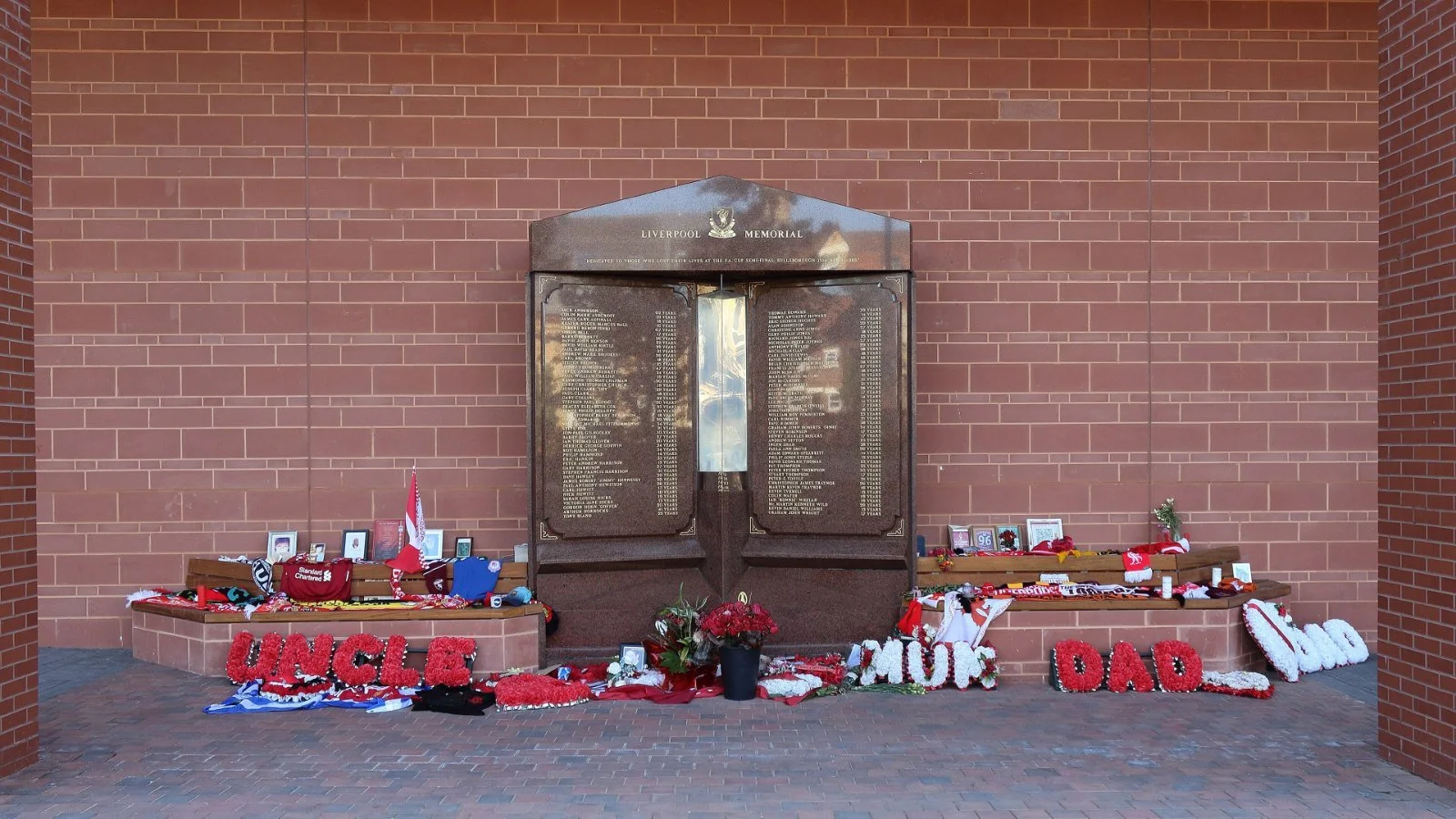
The Hillsborough Disaster Explained: What Happened in 1989, the Cover-Up and the 27-Year Fight for the Truth
On 15 April 1989 a crush at an FA Cup semi-final in Sheffield led to the deaths of 97 Liverpool supporters. This explainer sets out what went wrong at the Leppings Lane end, how police and press shifted the blame onto fans, why it took 27 years for a jury to find the victims were unlawfully killed, who was prosecuted, and where the Hillsborough Law stands now.