Taylor Tailored
Science & Technology
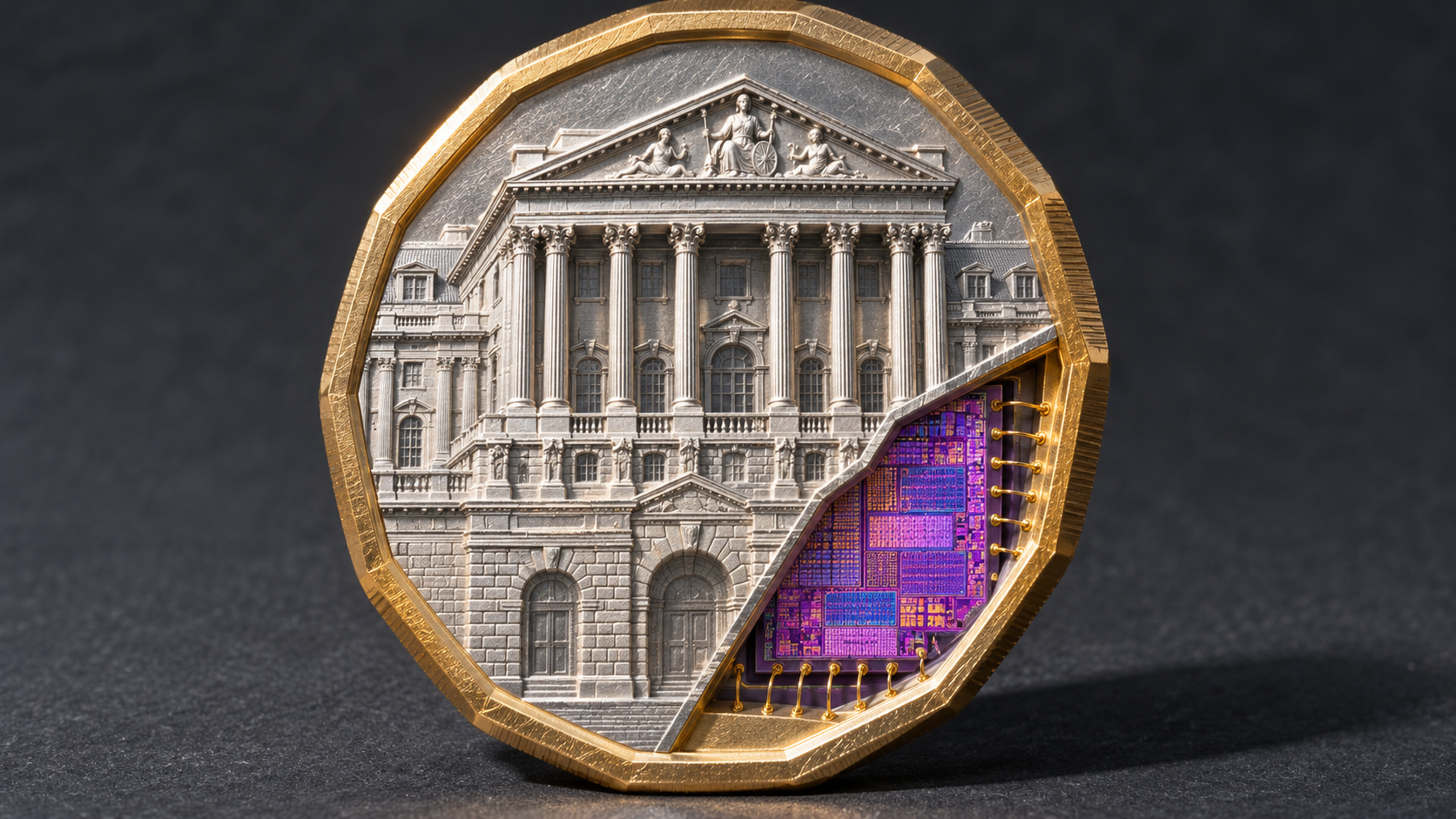
A software developer can contribute to British GDP months before a customer knows whether its new AI system works. That timing helps explain the Bank of England’s estimate that AI-related activity accounted for just under a fifth of UK growth since the start of 2026.
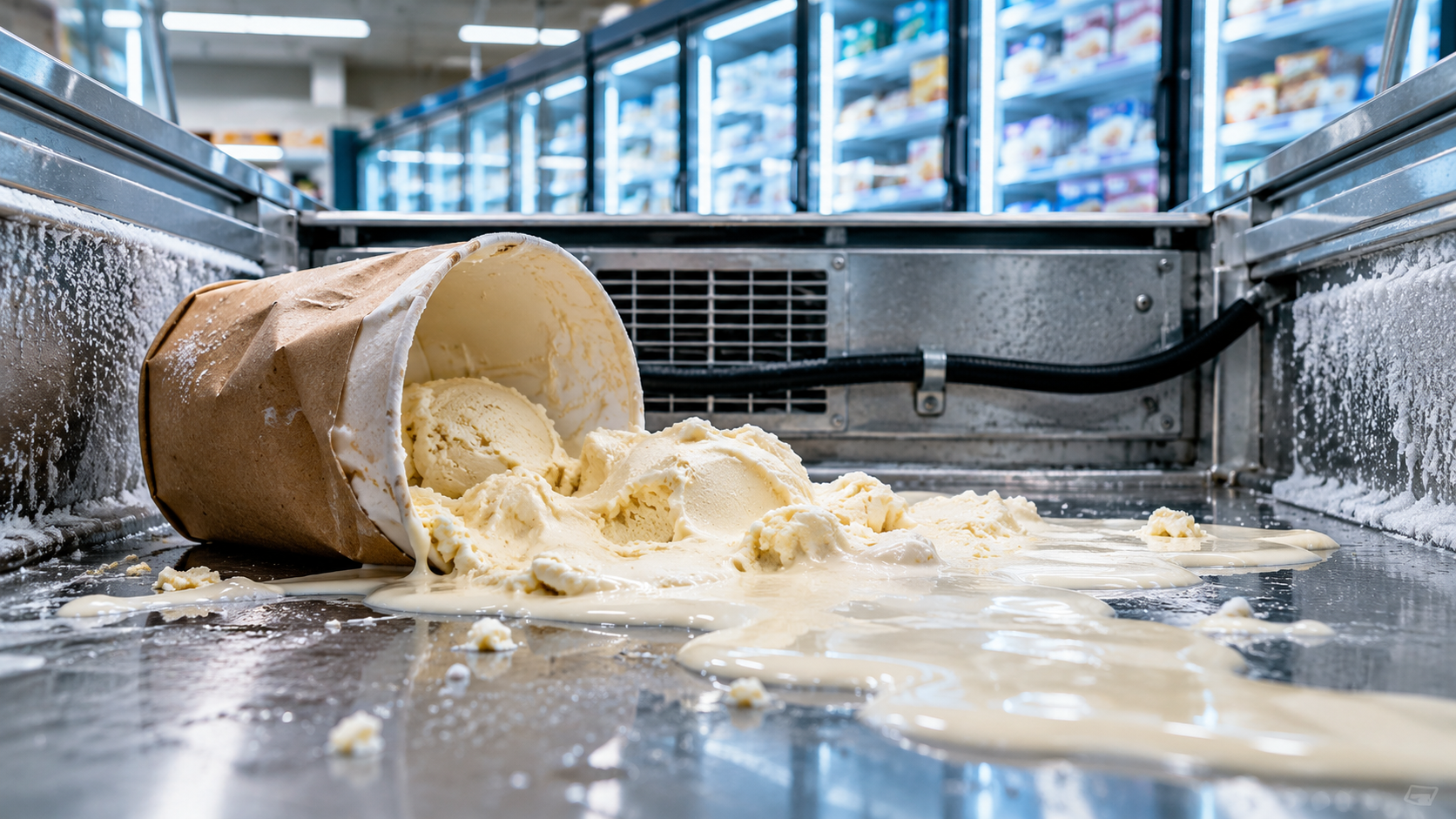
Supermarket freezer cyberattacks expose a different kind of digital risk: losing control of equipment that protects physical goods. This explainer examines the reported European incidents, the possible incentives for attackers, the costs beyond discarded stock and why remote access matters. It also separates established disruption from speculation about responsibility or a wider food emergency.
Superhuman AI could make expertise cheaper and discovery faster, yet leave society with difficult choices about ownership, employment and control. This conditional analysis distinguishes intelligence from consciousness, practical access from theoretical ability, and genuine oversight from a human signature. The central question is how people retain meaningful authority over systems they cannot outperform.
A global internet outage would leave much of the physical world intact while disrupting the information that keeps it moving. Follow the consequences for payments, healthcare, transport, work and emergency communication, with a clear distinction between public internet access, private networks and electricity—and an explanation of why reconnecting would only begin recovery.
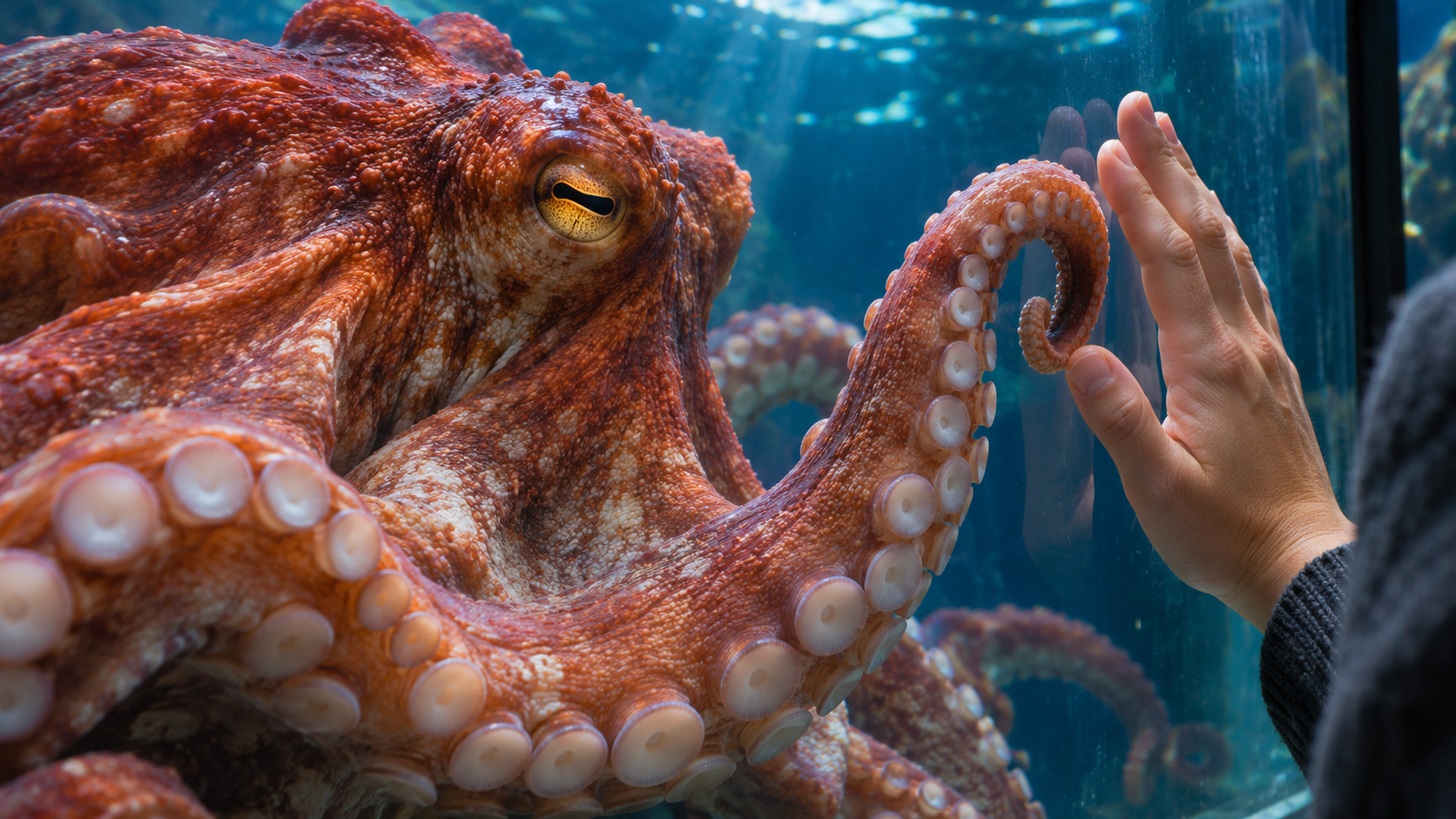
Can an octopus tell who is approaching its tank? Experiments offer evidence of human recognition, but the explanation is more interesting than a simple claim about friendship. Discover how scientists distinguish identity from familiar routines, why touch has a different meaning for an octopus, and what remains unknown about memory and preference.
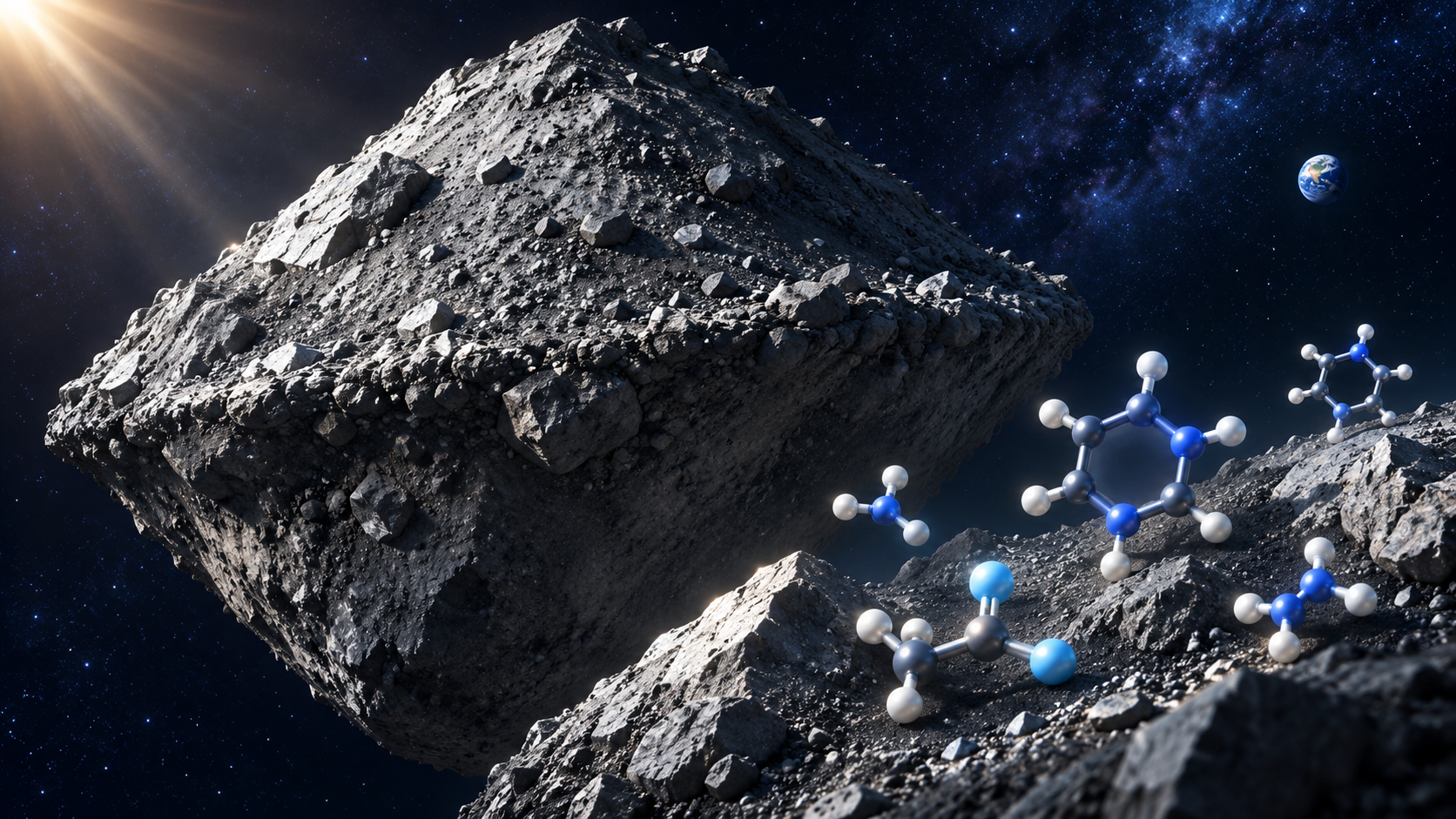
Ryugu’s returned samples contain a complete set of the canonical bases used across DNA and RNA. This explainer separates the March 2026 discovery from earlier findings, explains why controlled sample collection matters and examines the unanswered steps between extraterrestrial chemistry and the emergence of a living system.
CERN’s LHCb experiment has reached a milestone in a particle search dating to 1984. The rare Bd decay could become a sensitive test for unknown physics, even though the latest result agrees with existing theory. Discover what the one-in-ten-billion figure means, how researchers isolated the signal and why confirmation still requires more evidence.
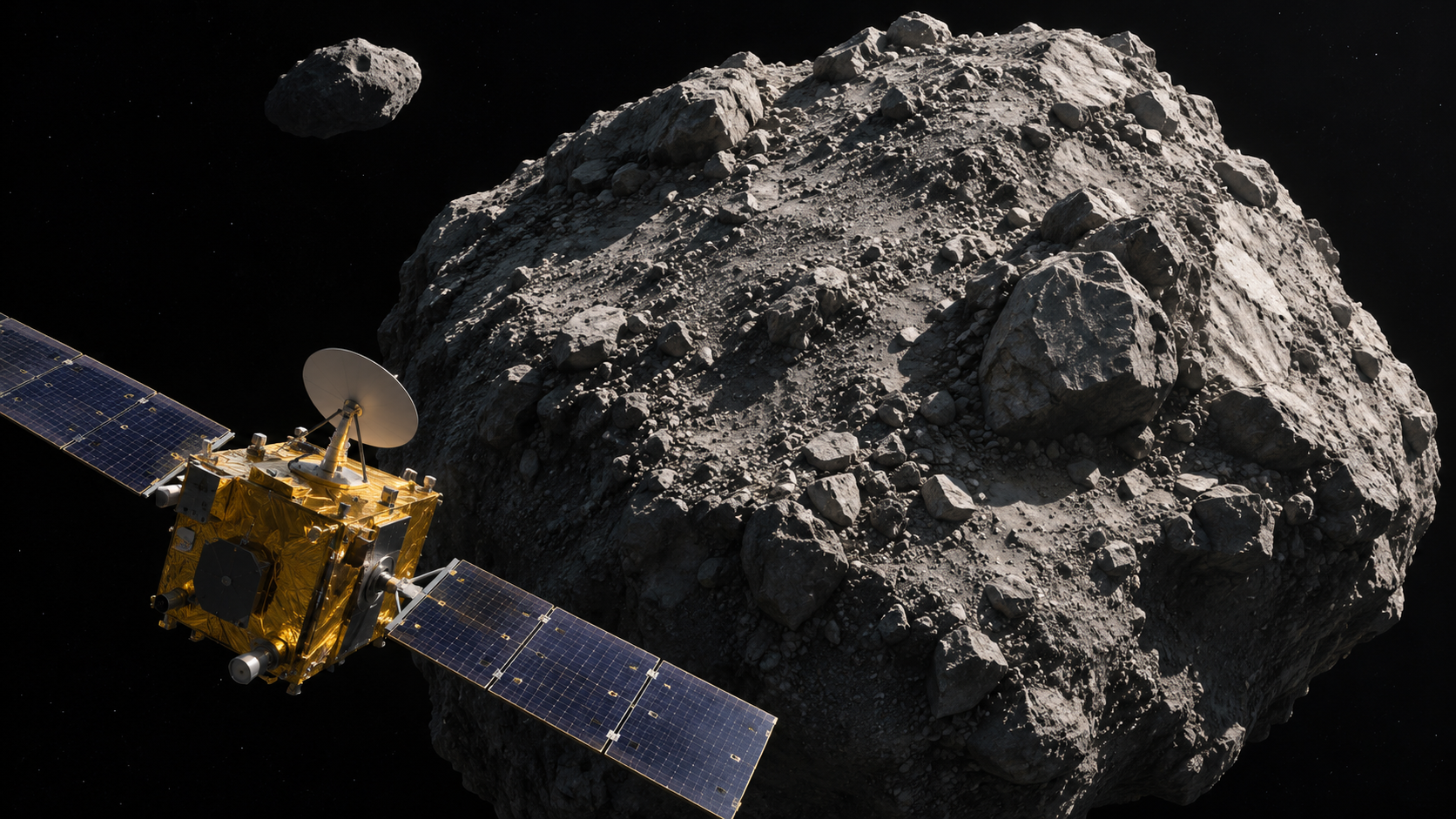
Hera is nearing the site of humanity’s first deliberate asteroid-deflection test. DART’s success is established, but the physical aftermath remains incompletely understood. Explore how measurements of Dimorphos’s shape, mass and displaced material could improve predictions for a future mission—and why early warning remains essential to protecting Earth.
Britain’s forever chemicals research raises questions about exposure, evidence and health. This explainer examines the purpose of biomonitoring, the difference between a background level and a safety limit, and the care needed when interpreting cancer classifications. It also sets out what readers should look for when the programme’s findings appear.
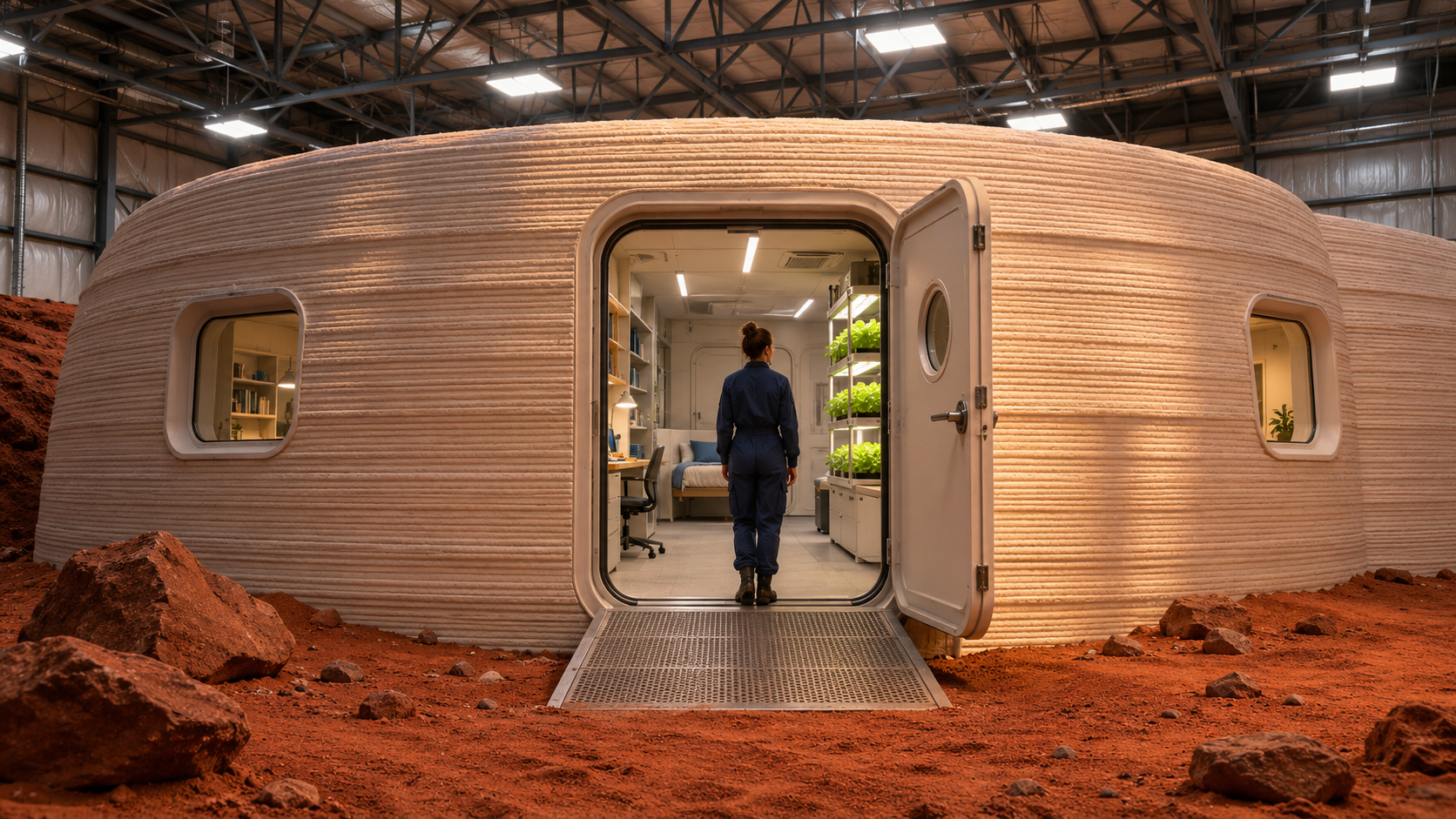
NASA’s second CHAPEA crew has emerged after 378 days inside a simulated Mars habitat in Houston. Their experience offers evidence about working with restricted resources, delayed communications and prolonged isolation. Discover how the experiment operated, why ordinary repairs matter, and which dangers of a real Mars mission it could not reproduce.
Breaking News
When detectives questioned Russell Brand, he gave prepared statements across four interviews. One described his conduct towards fans. Another addressed a woman he said he could not remember meeting. The July 2025 footage shows one part of a longer record that jurors could compare with his evidence in the witness box.
Russell Brand’s defence asked for time at home with his children. After the judge refused bail, attention turns to his first weekend in custody and the sentencing hearing at Southwark Crown Court on Monday.
A Channel 4 employee reported Russell Brand to her manager in 2009. At the BBC, a woman waited years for an answer about a remark that went out on Radio 2. Court testimony, parliamentary evidence and three workplace investigations reveal who received warnings, where complaints stopped and what later programme commissioners knew.
The women who gave evidence at Russell Brand’s trial were different from those who spoke to Dispatches. After four convictions and three acquittals, two further rape allegations remain under investigation. Follow the timeline from the 2023 broadcast to the files now with prosecutors.
Russell Brand will spend four nights in custody before his scheduled sentencing for rape and three sexual assaults. The judge has confirmed a prison sentence. Its length, and how much of it Brand will serve behind bars, are separate questions.
Jurors convicted Russell Brand on one rape charge and acquitted him on two others. A prison term is expected. Its length depends on the offences the jury found proved.
What Russell Brand’s jury heard about the hotel photographs, a reported apology and six women’s allegations, with the defence challenges explained.