Science News, Discoveries & Research Explained
Explore discoveries and questions across space, biology, psychology, health and the natural world. Our science articles explain what researchers found, how they investigated it and what the results can—and cannot—tell us. Browse new developments alongside accessible guides to the scientific ideas that help explain ourselves and the universe.
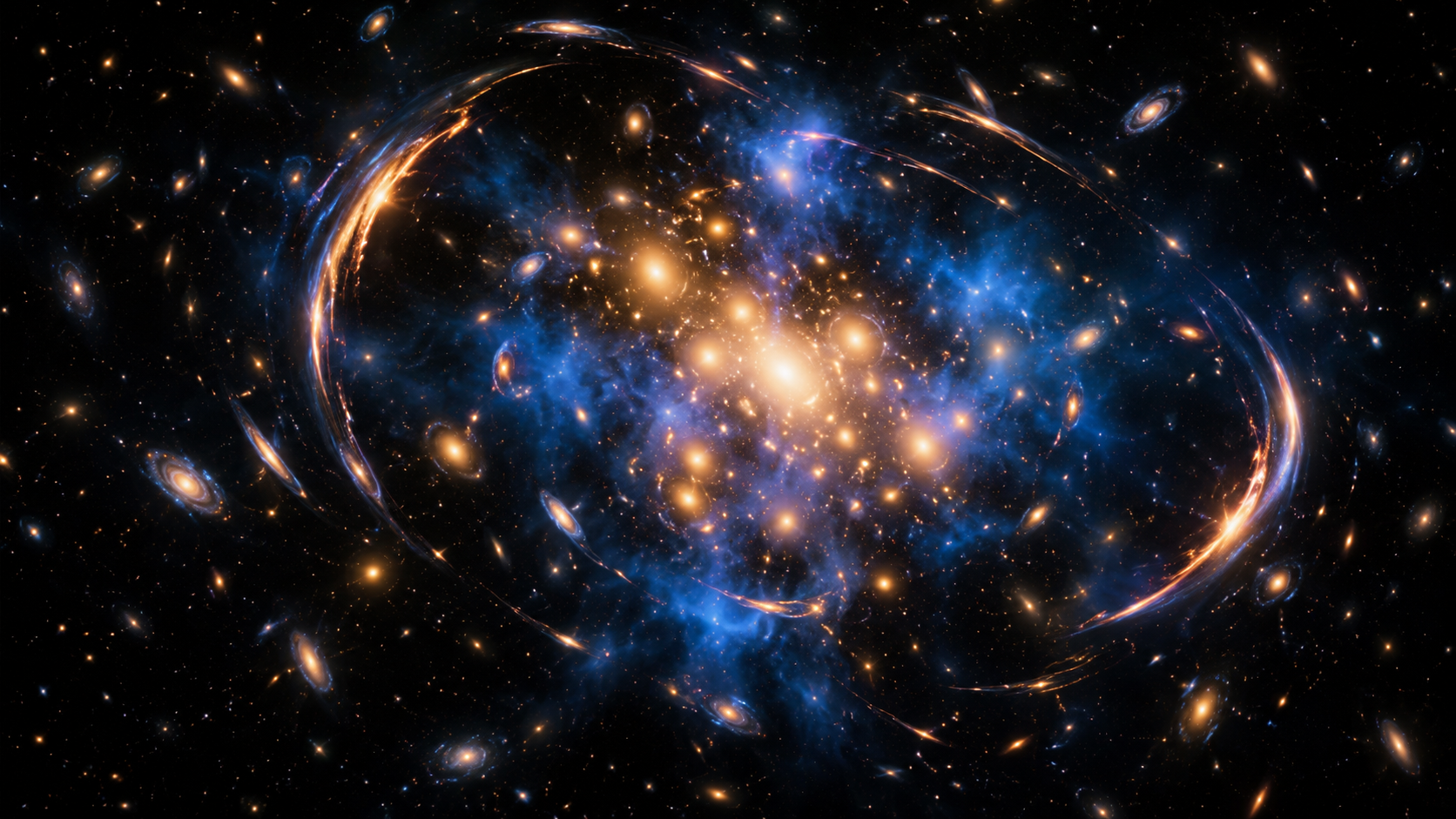
What Is Dark Matter? The Evidence, Leading Ideas And What Remains Unknown
Astronomers can map dark matter's inferred gravitational effects without knowing what it is. Here is the evidence and the search for its identity.
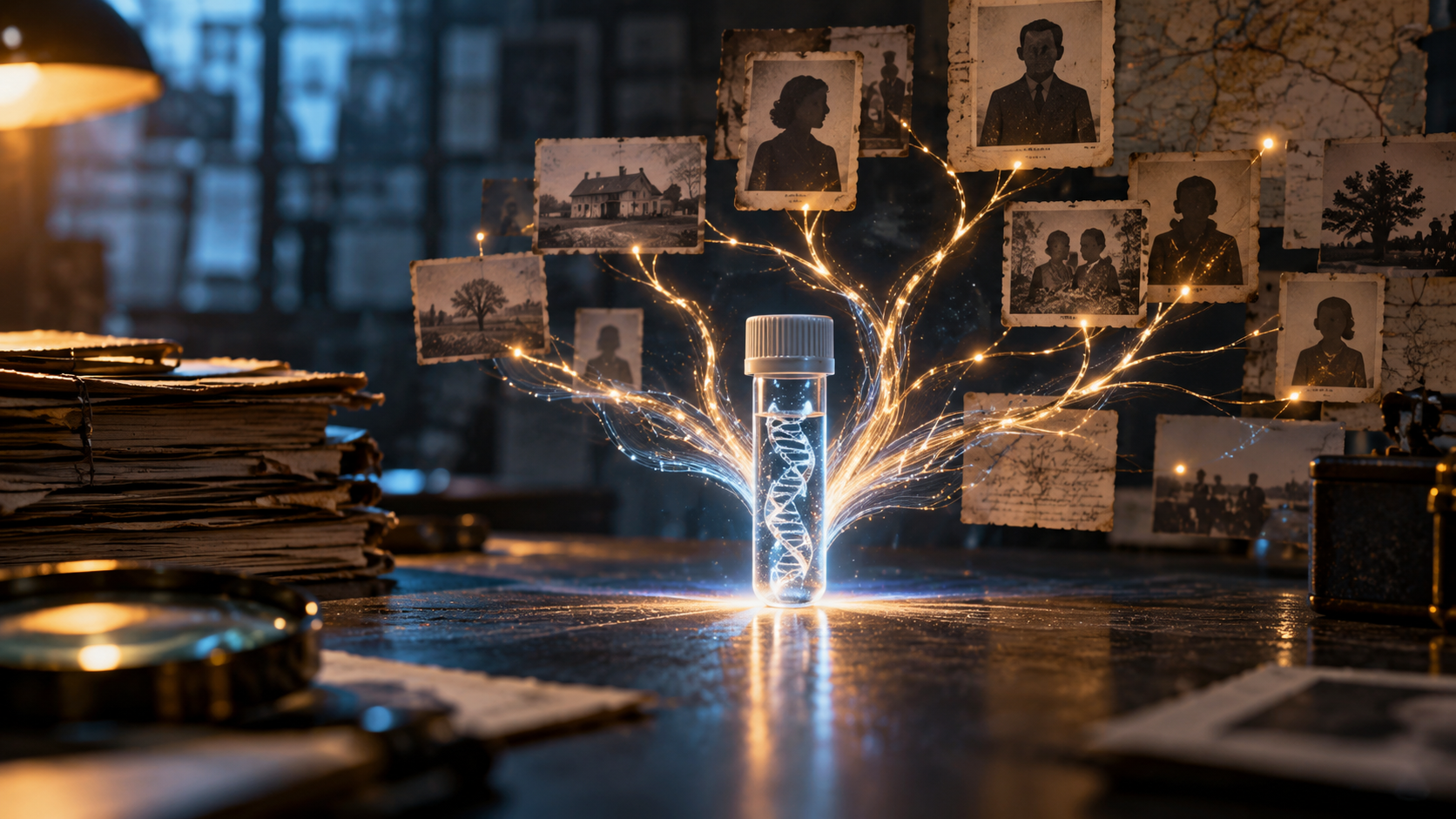
How Does Genetic Genealogy Solve Cold Cases? DNA, Family Trees And The Limits Of The Evidence
A family-tree match can reopen a cold case. It cannot establish guilt. This guide follows the forensic steps and the distinct UK rules.
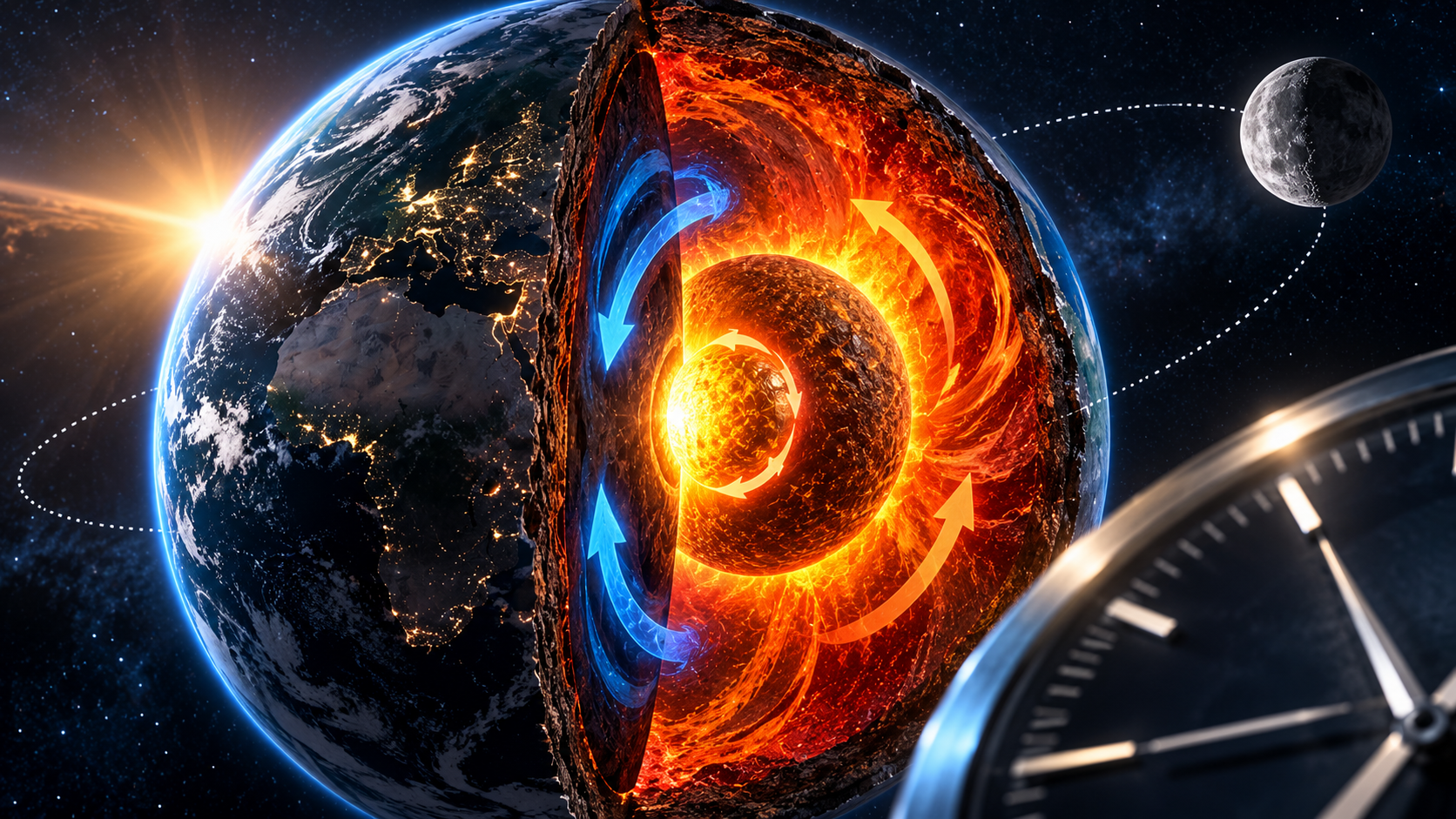
Earth’s Internal Gravitational Tug-Of-War Is Changing The Length Of Our Days
Physicists at the National University of Singapore have created a lutetium-ion atomic clock described as the most accurate timekeeper ever built.
Its accuracy has been verified at the nineteenth digit, with an error equivalent to roughly one second over more than 260 billion years.
The breakthrough could influence the future definition of the second while opening new possibilities in gravity measurement, navigation and fundamental physics.
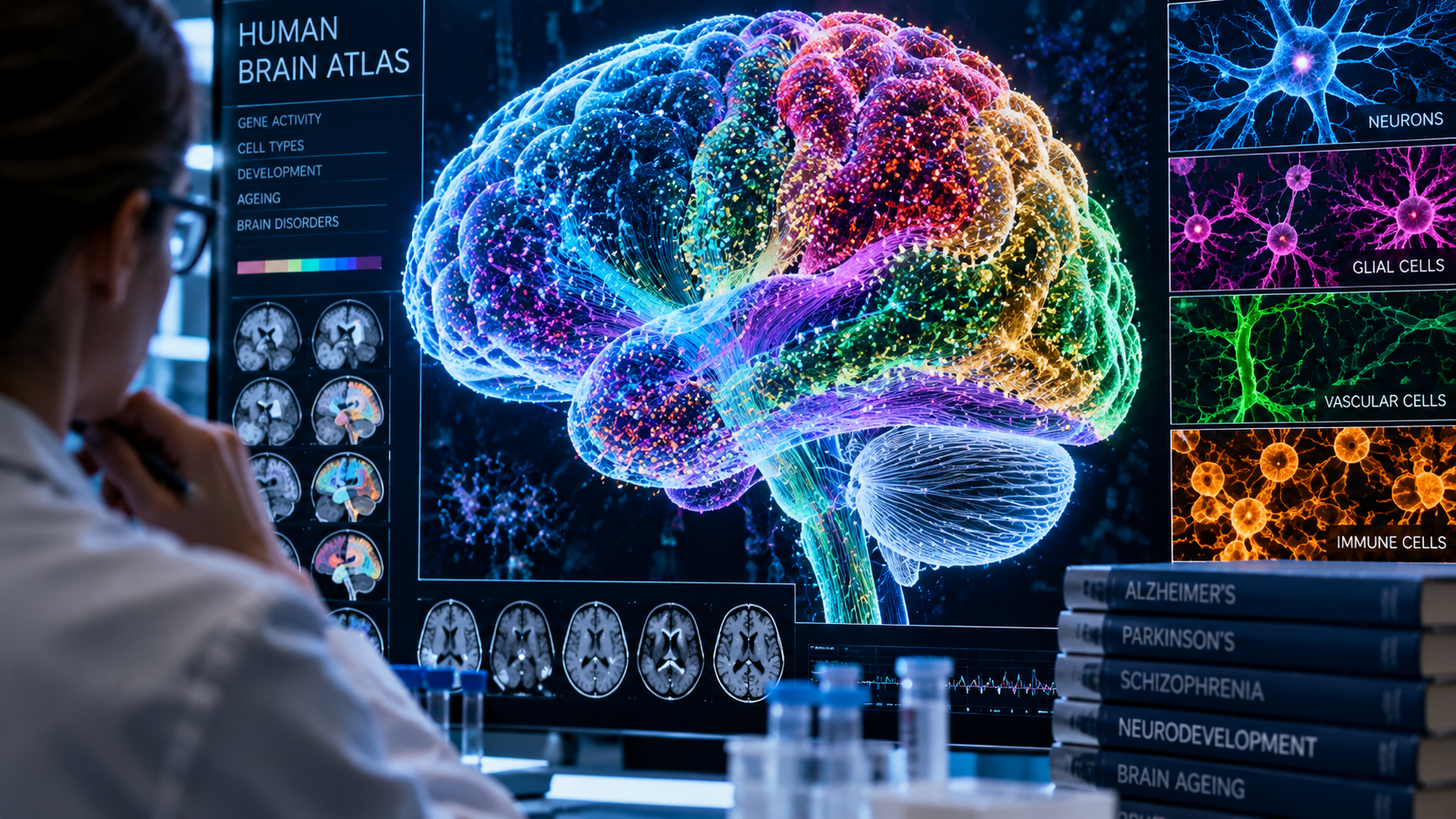
Landmark Human Brain Atlas Maps Gene Activity Across A Lifetime And Reveals New Disease Clues
Scientists have created a landmark atlas of gene activity in the human brain using samples from almost 1,500 donors spanning infancy to extreme old age.
The project maps individual cell populations and molecular changes associated with ageing, Alzheimer’s disease and other neurological and psychiatric disorders.
It could give researchers a far more precise guide to where disease begins and which biological pathways deserve investigation.
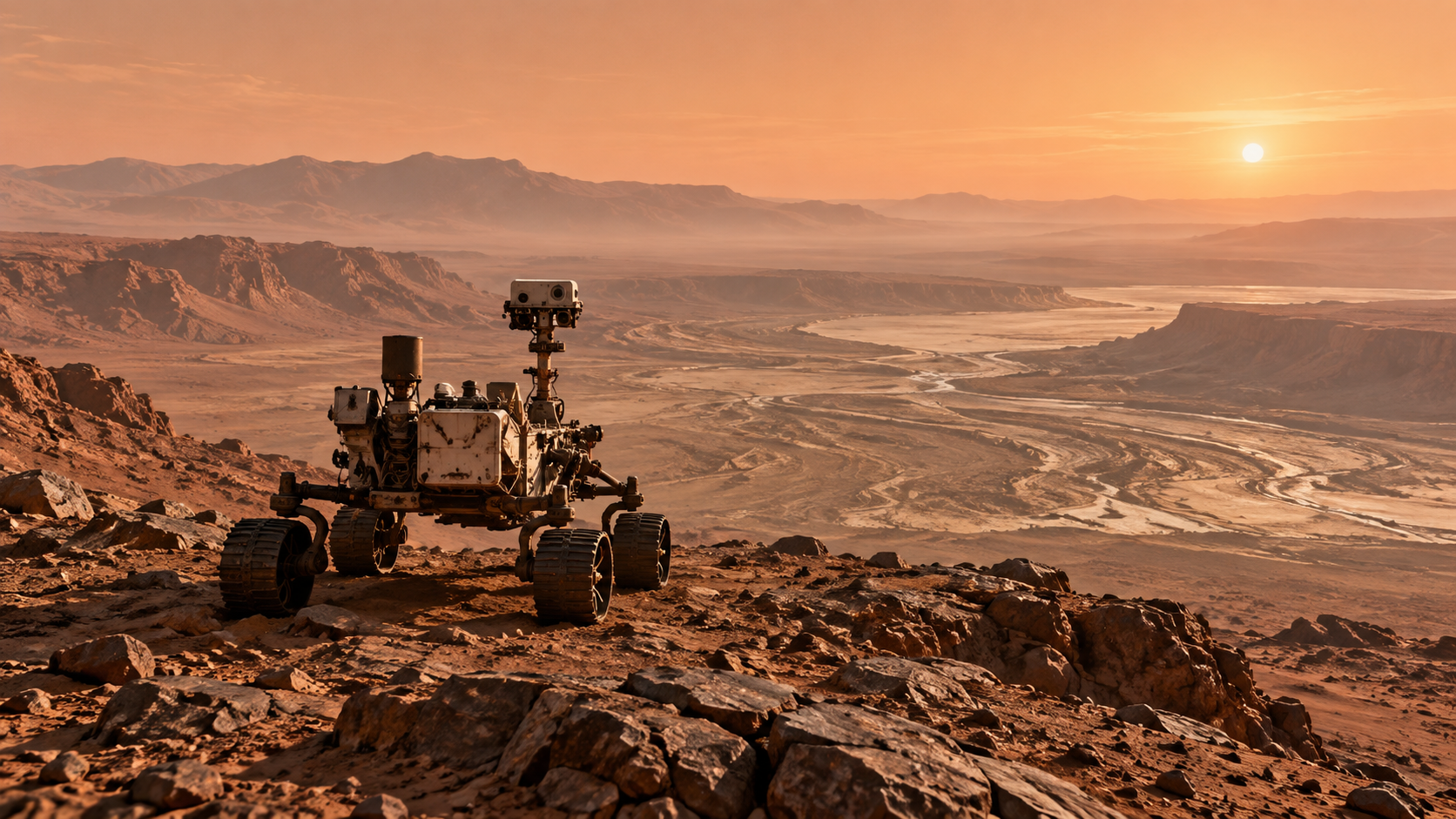
Was Mars Once Habitable? What Perseverance Has Discovered
Perseverance has revealed ancient water activity, intriguing chemistry and potential biosignatures. Explore the major habitability findings, including September 2026 research, and why none yet establishes life on Mars.
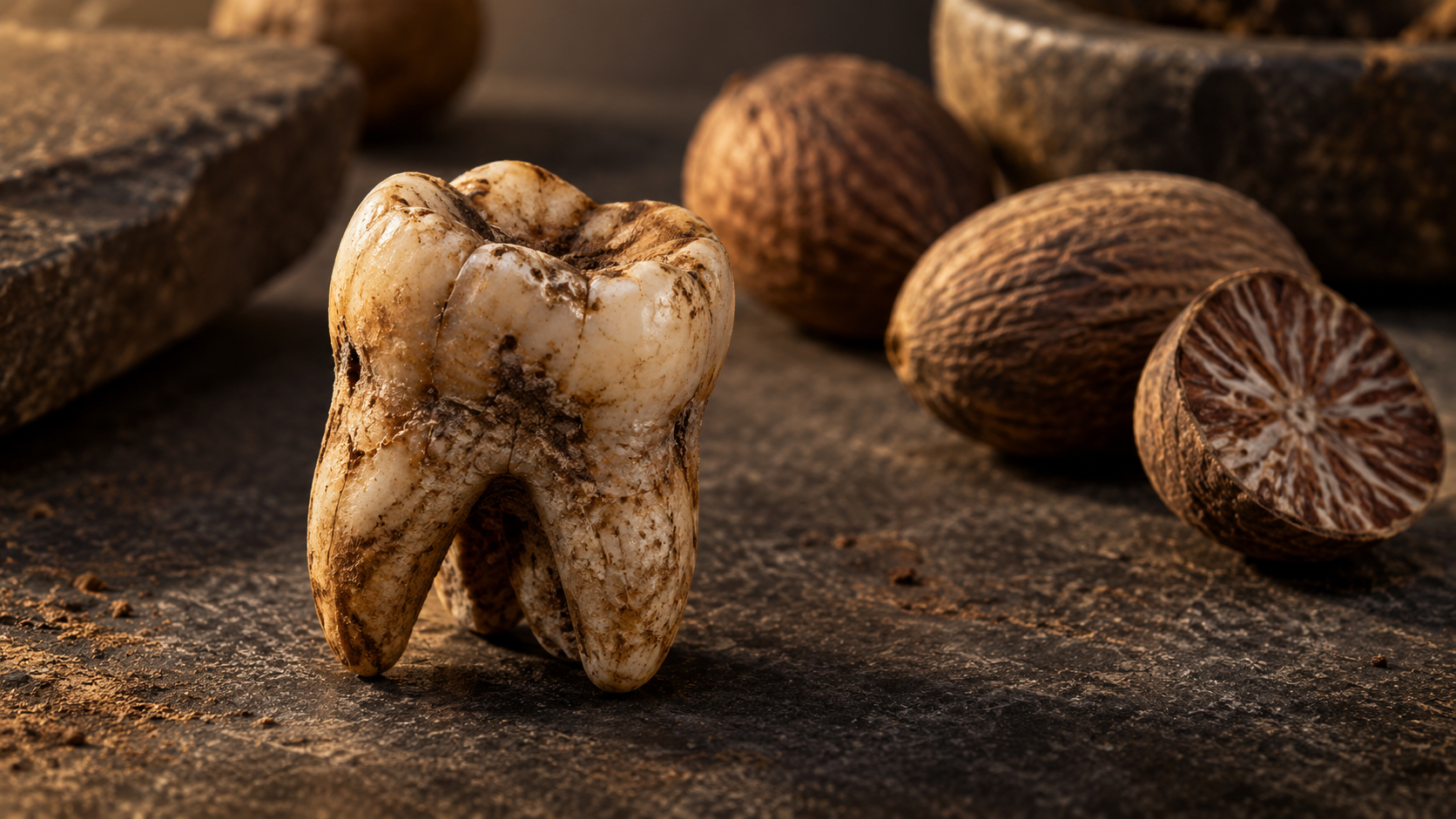
Ancient Teeth May Reveal Humanity’s Earliest Habitual Drug Use
Ancient teeth from Sulawesi may reveal the earliest known habitual drug use. Discover how physical wear and chemical traces support the betel-nut interpretation, and what the evidence cannot tell us about prehistoric lives.

Sleep Paralysis: Why You Wake Up Unable To Move
Sleep paralysis can make waking feel frighteningly unfamiliar. Explore how awareness, muscle control and dream-like perceptions overlap, why episodes do not automatically mean narcolepsy, and what the small treatment studies can actually establish.
Can Scientists Turn Plastic Into Food? The Chemistry Behind The Claim
Plastic-to-food research uses chemical breakdown and engineered microbes to produce new ingredients. Understand the conversion, the August conference evidence and why safety, nutrition and practical production must each be assessed separately.
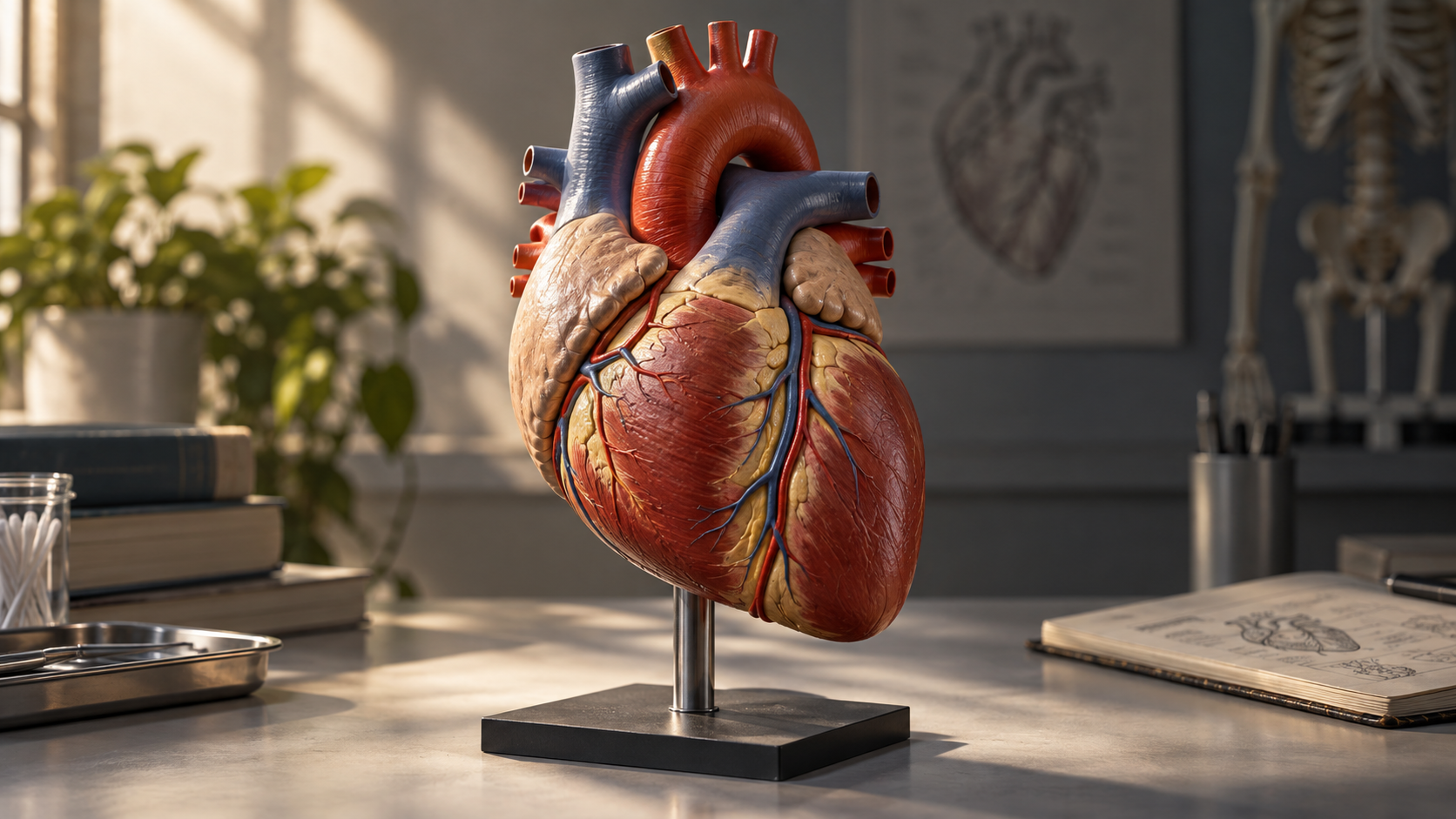
Can The Human Heart Regrow Muscle? What The Evidence Actually Shows
Human heart regeneration research points to a natural cellular response, not complete repair. Understand what the mitosis study reports, why its dates matter and what would be needed to turn biological capacity into treatment.
Cord-Blood T Cells Offer A Different Route To Cancer Immunotherapy
UCLA’s experimental cord-blood T-cell platform tackles cancer recognition and manufacturing together. Learn why consistent batches matter, what off-the-shelf means in research, and why human outcomes remain the decisive test.
Injectable Nanoantennas Show Promise Against Brain Cancer In Preclinical Tests
Injectable nanoantenna research offers an experimental approach to glioblastoma. Understand what laboratory and mouse studies can show, why patient-derived cells are not a patient trial, and what clinical translation still requires.
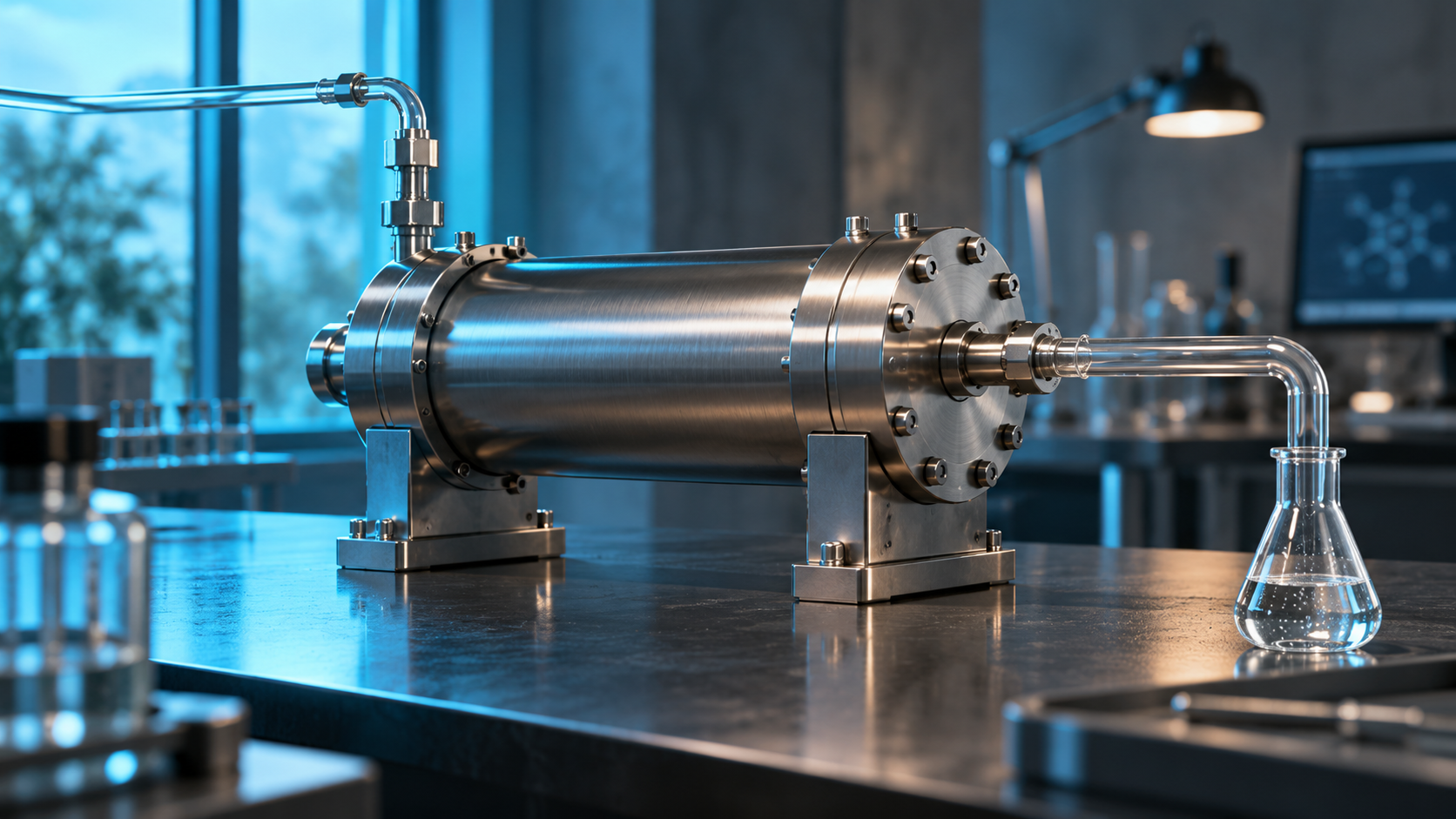
Ammonia-to-Hydrogen Method Targets A Hidden Cost In Clean-Energy Logistics
MIT’s ammonia-to-hydrogen research targets recovery and purification within a larger energy chain. Understand why a lower-temperature process is interesting and why materials, scale and upstream emissions still matter to its usefulness.
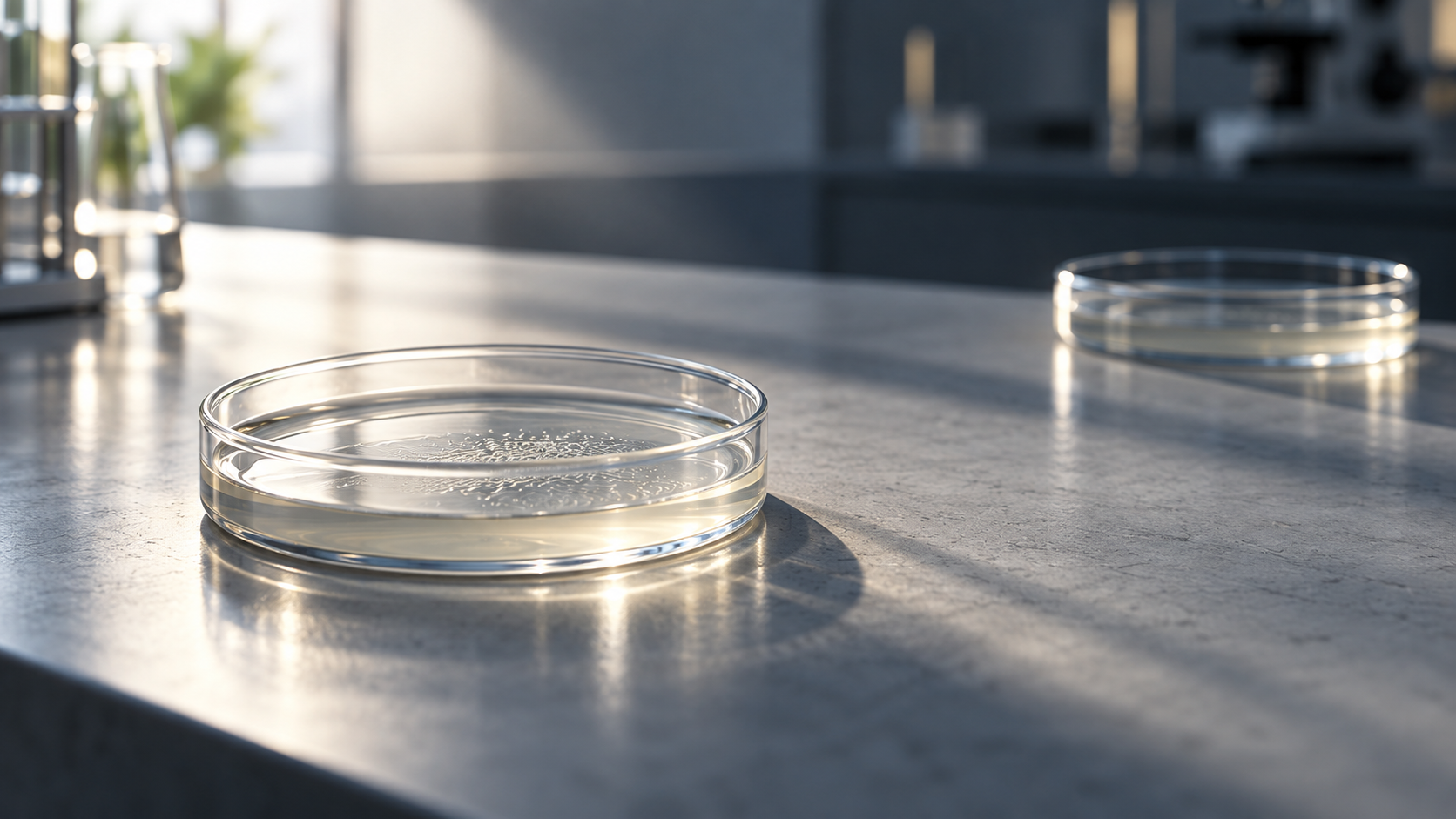
Why A Treatment That Works In Mice Can Still Fail In Humans
Animal studies can reveal real effects without establishing a benefit in people. Learn how models, outcomes, delivery and trial design shape the journey from promising experiments to evidence that can support treatment.

Why Old Science Suddenly Looks New In Your News Feed
A new science headline can describe an older paper or a fresh interpretation. Learn to separate research dates, publication stages and independent confirmation using concrete examples from the current news cycle.
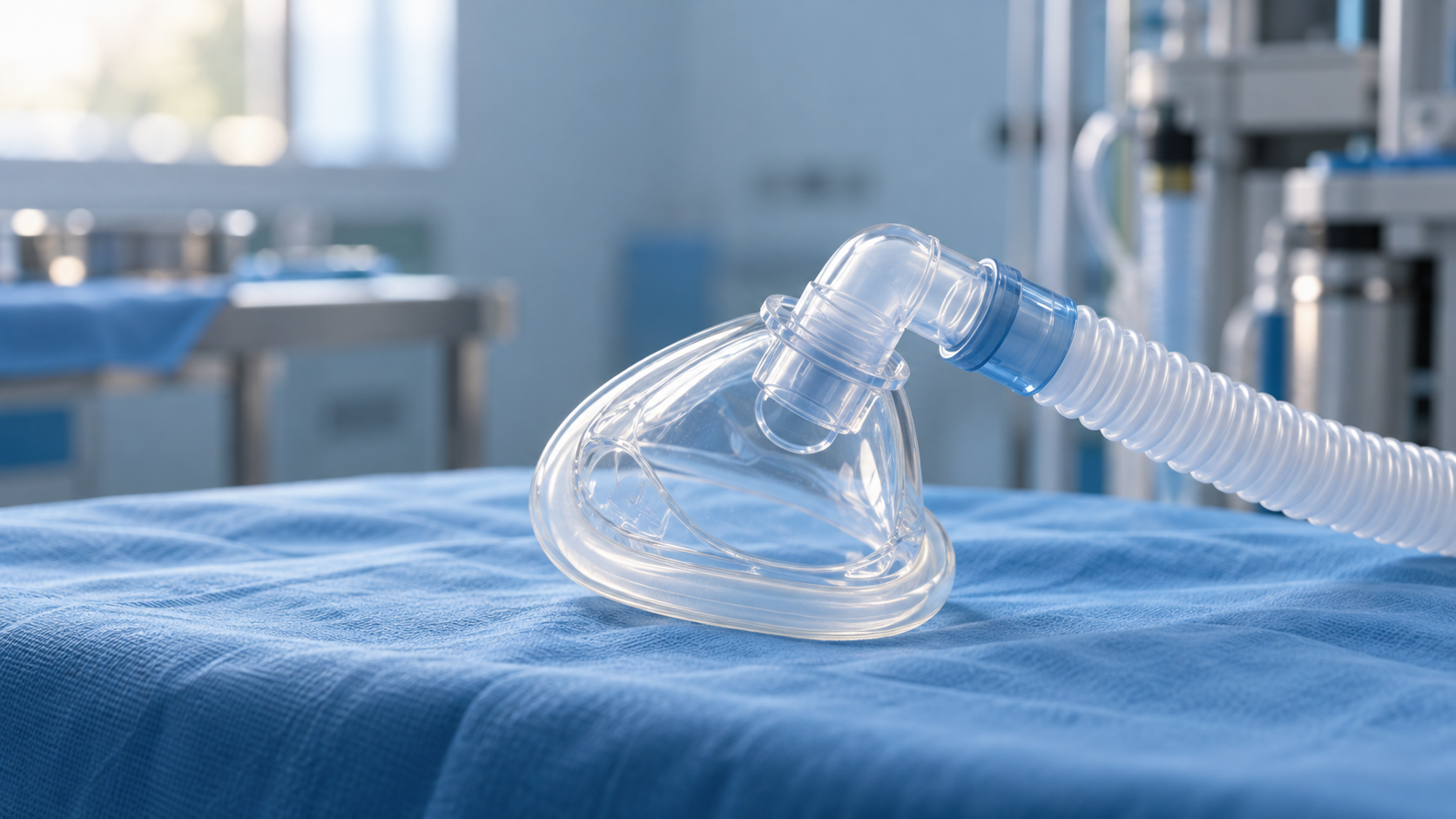
How General Anaesthesia Works—And What Scientists Still Debate
General anaesthesia alters nervous-system activity through known drug actions. Explore why unconsciousness, memory and movement differ, how clinicians monitor patients, and what remains unresolved about the loss and return of conscious experience.
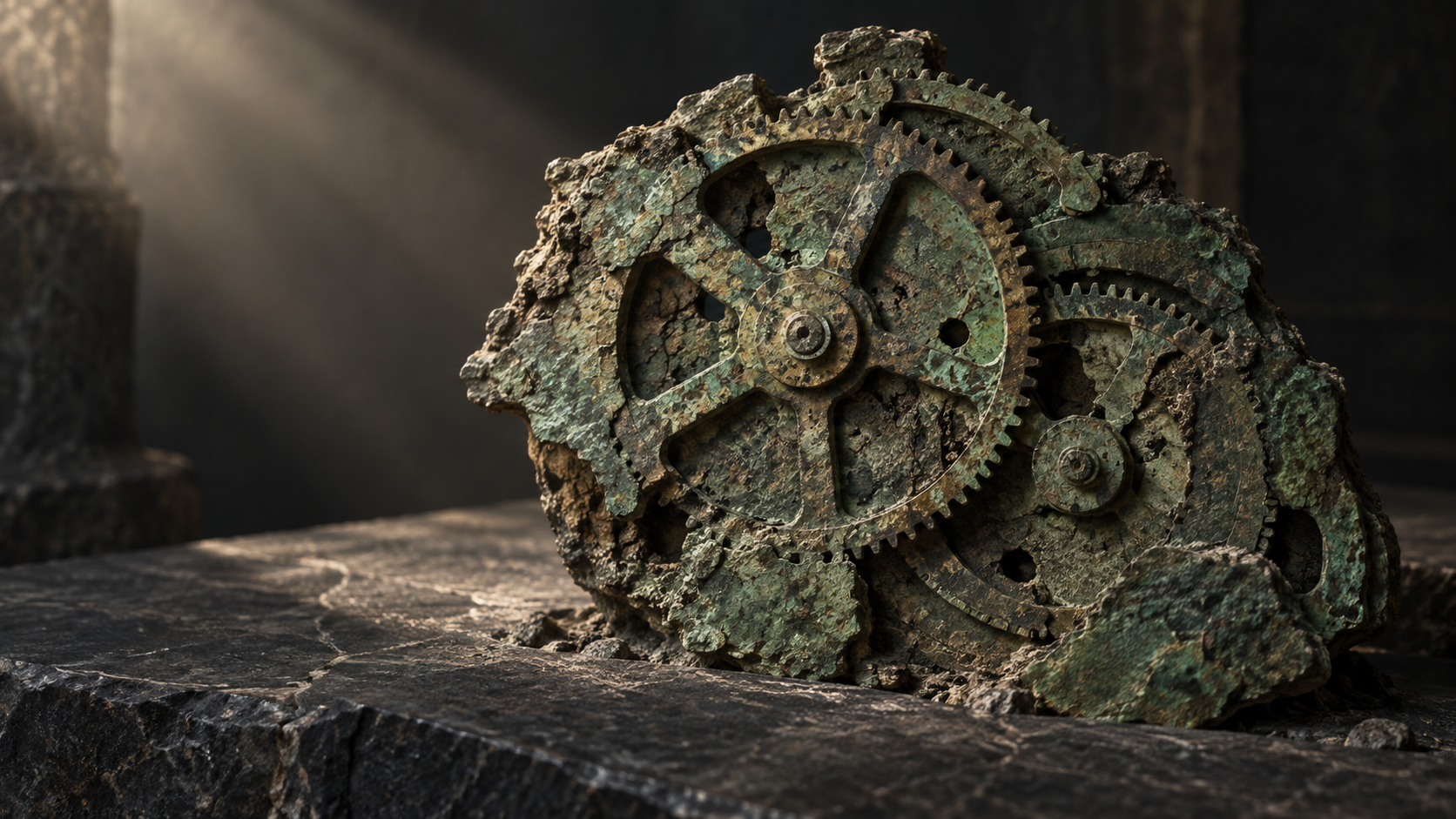
The Antikythera Mechanism: How Researchers Read An Ancient Astronomical Calculator
The Antikythera mechanism encoded astronomical cycles in bronze gears. Discover how imaging and inscriptions reveal its functions, why reconstruction remains difficult, and what the ancient calculator does—and does not—show about lost technology.
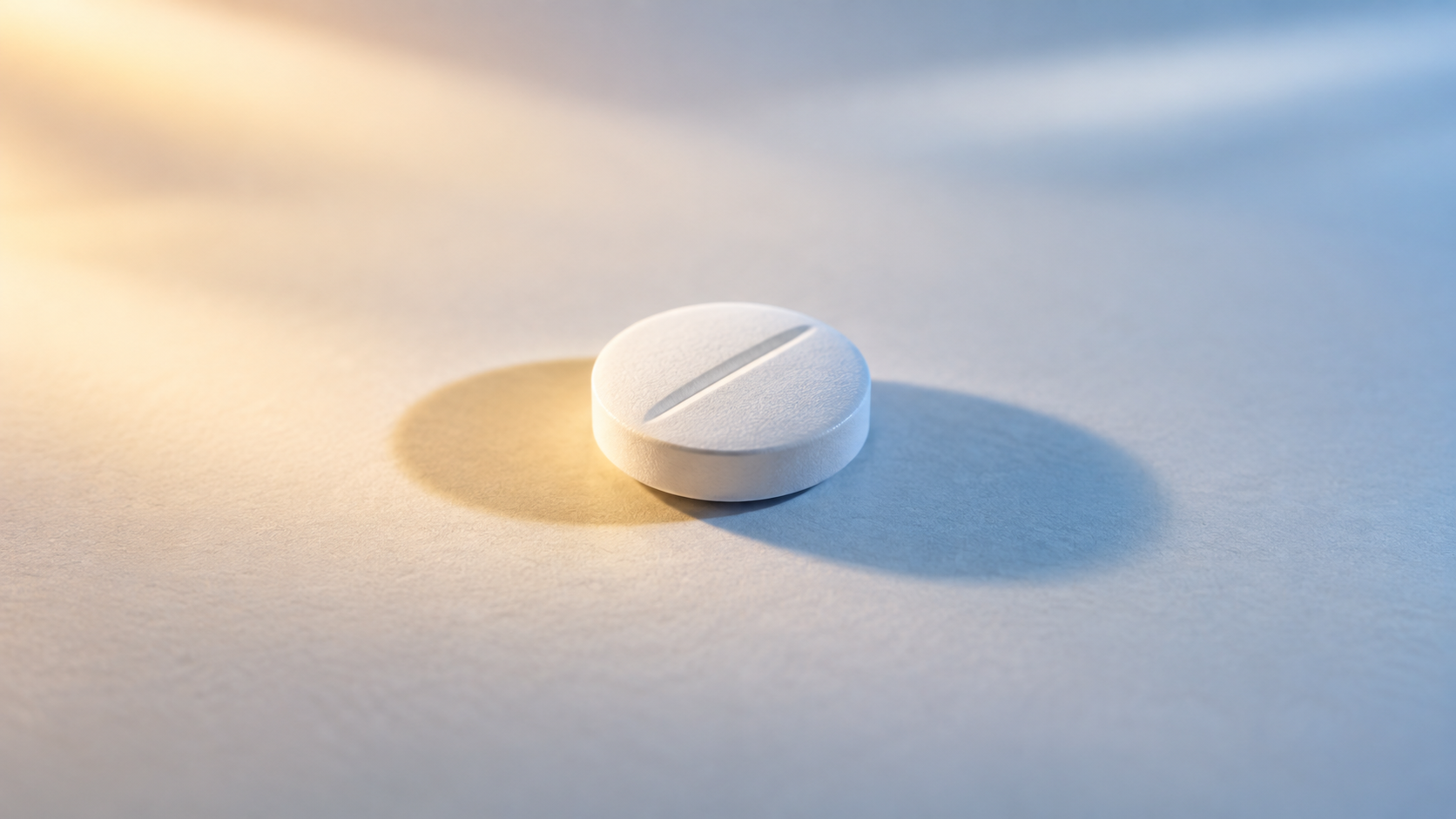
The Placebo And Nocebo Effects: What Expectations Can—And Cannot—Change
Placebo and nocebo effects can shape symptoms without explaining every change after treatment. Explore controlled trials, expectations and the crucial difference between feeling better and altering an underlying disease process.
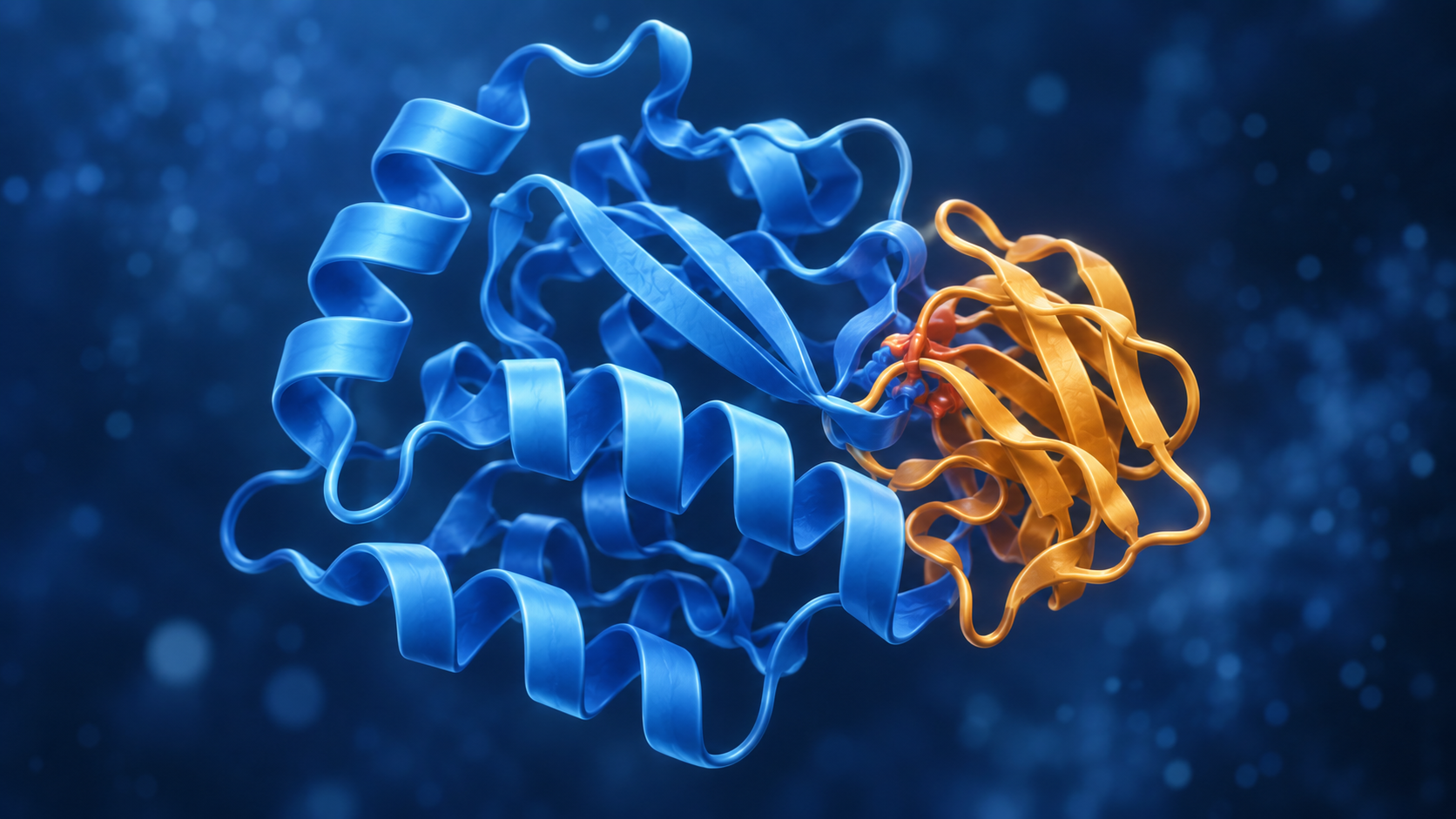
Prions Explained: How Misfolded Proteins Can Cause Disease
Prions are disease-associated protein forms that can promote further misfolding. Understand how they propagate, why classic and variant CJD differ, and why rare transmission routes should not be confused with everyday contagion.
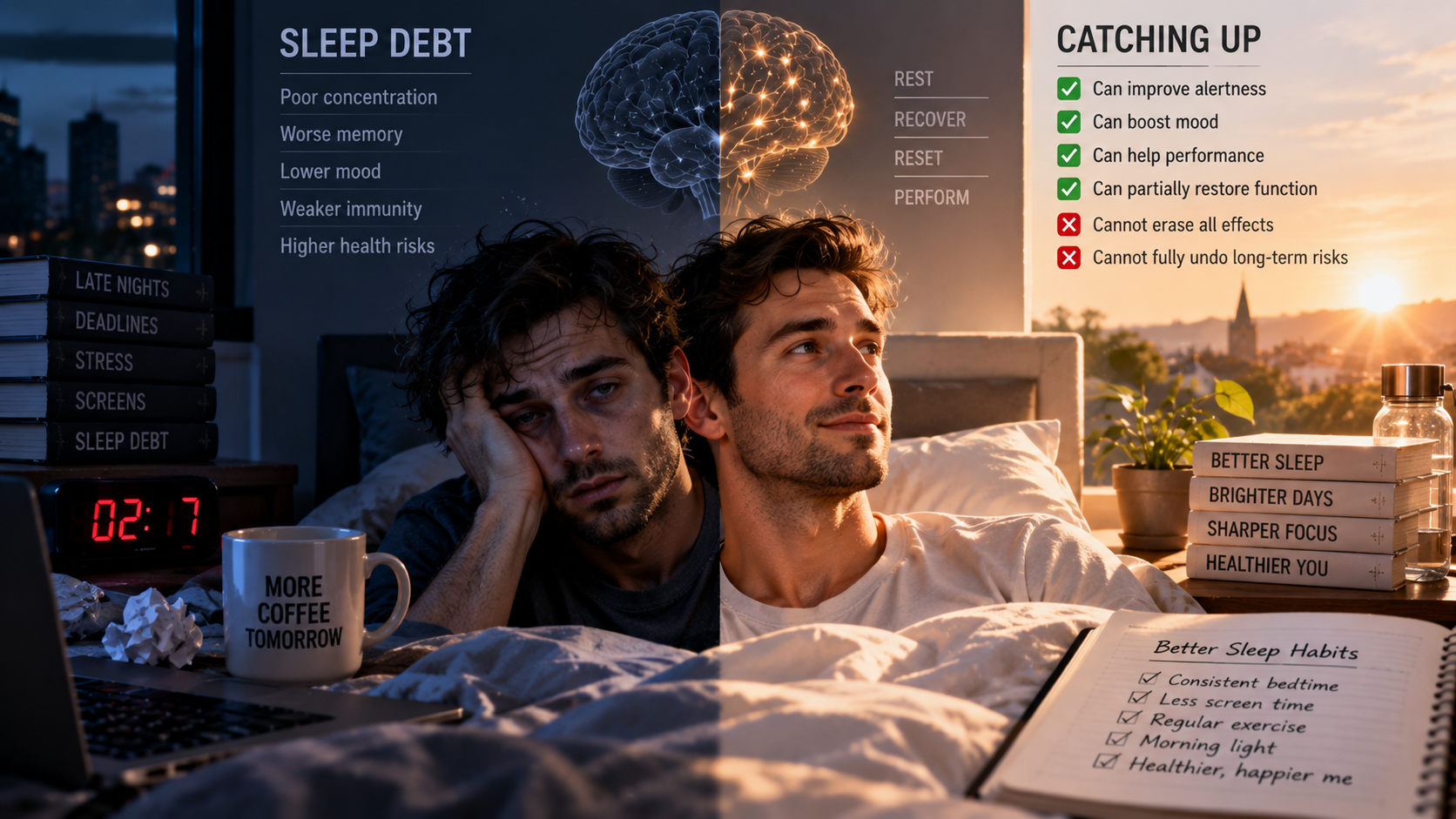
Sleep Debt Explained: What Catching Up Can And Cannot Do
Understand accumulated sleep loss, what recovery sleep may improve and why weekend catch-up is not a guaranteed reset, with careful distinctions between sleepiness, performance, research findings and persistent sleep problems.
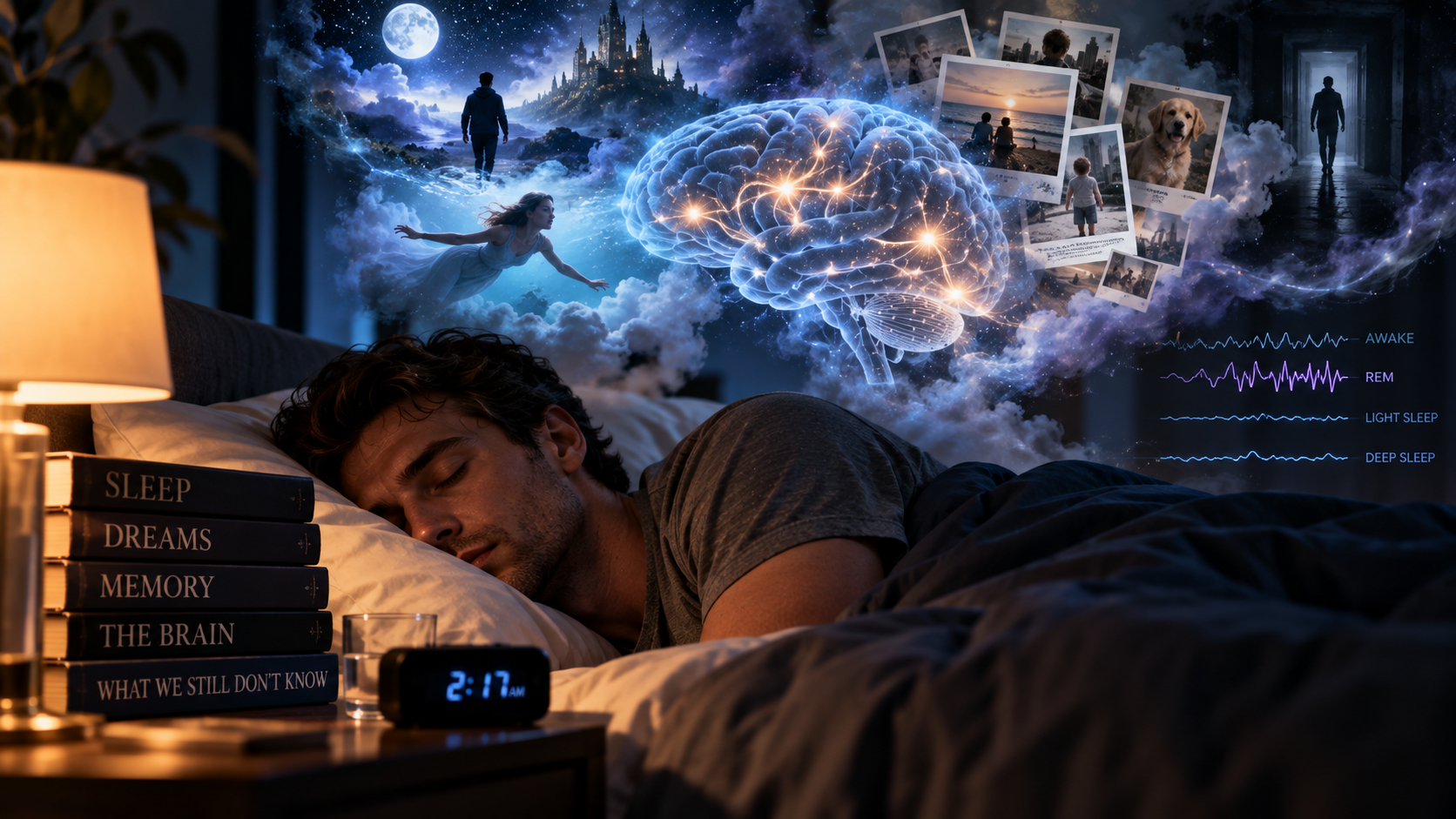
Dreams, Sleep And Memory: What Is Known And What Is Still Debated
Explore the link between sleep, dream reports and memory, including maze-learning research, the limits of causal claims and why personal dream meanings differ from a scientifically validated decoding system.