History
Thought-provoking, interpretive history essays that use the past to illuminate the present. These articles are speculative and exploratory – offering a modern lens on historical events, ideas, and figures
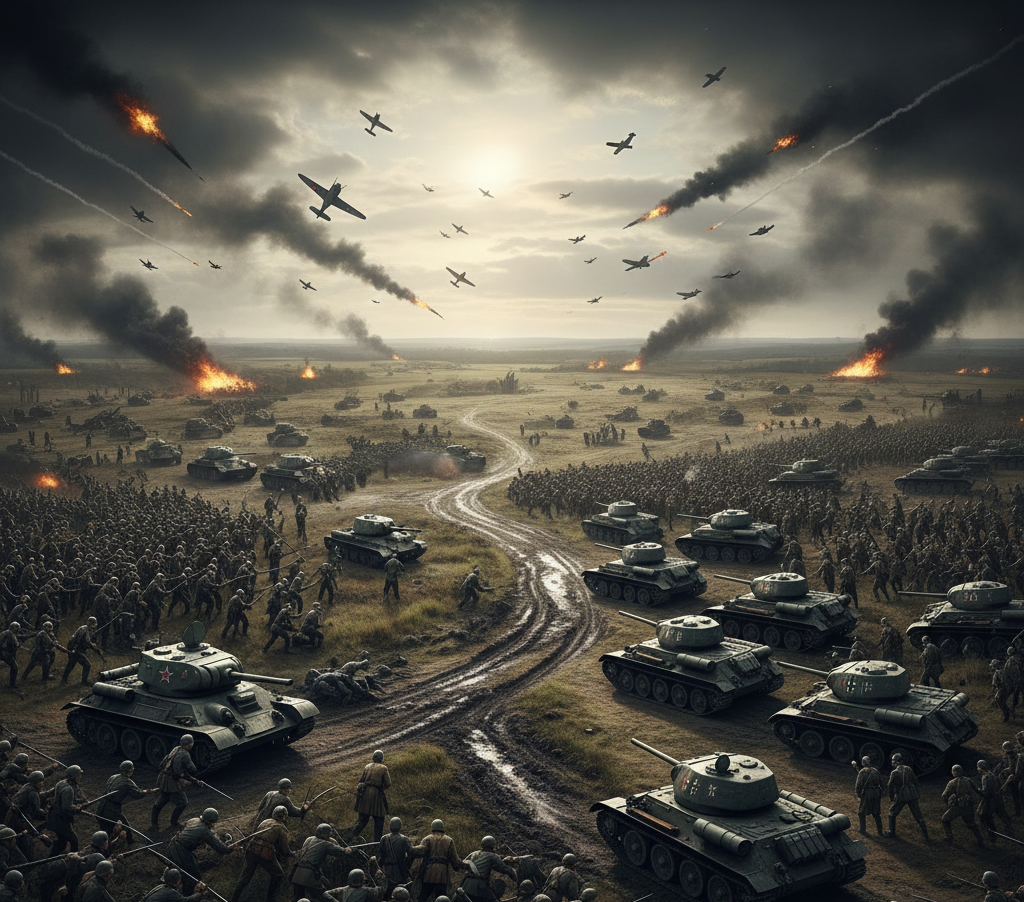
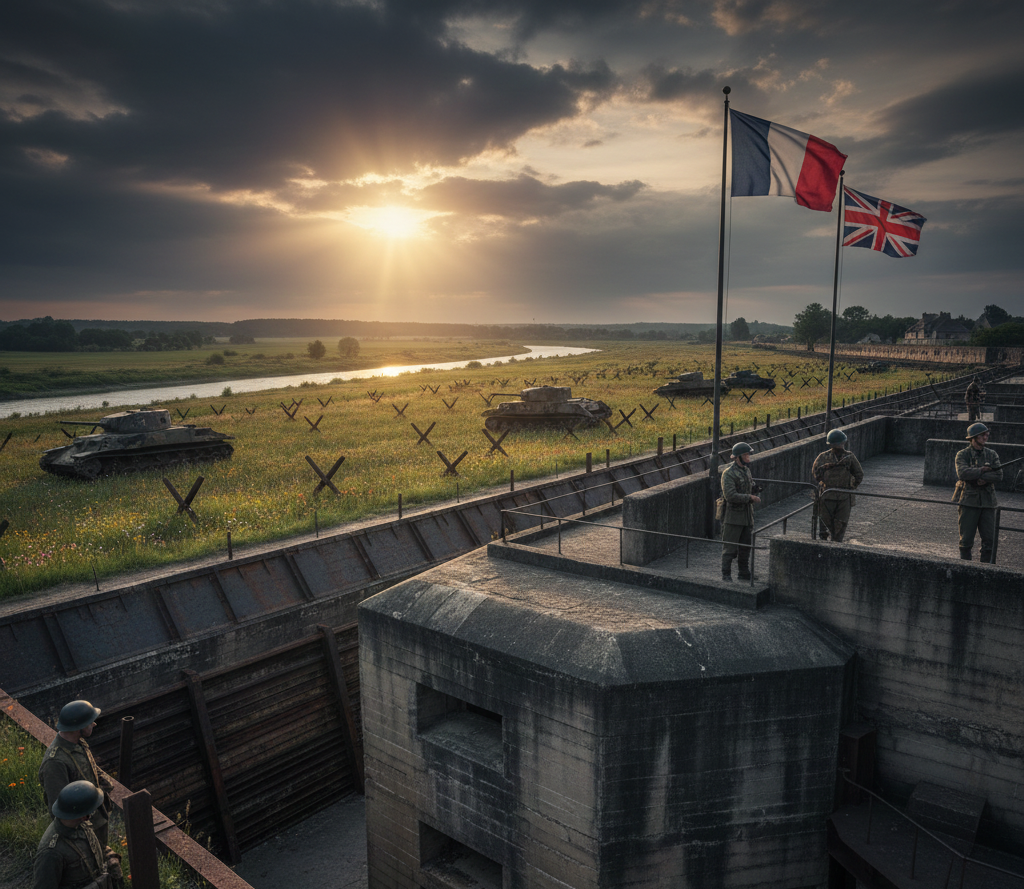
If the USSR attacked while Hitler invaded France
If the USSR attacked while Hitler invaded France
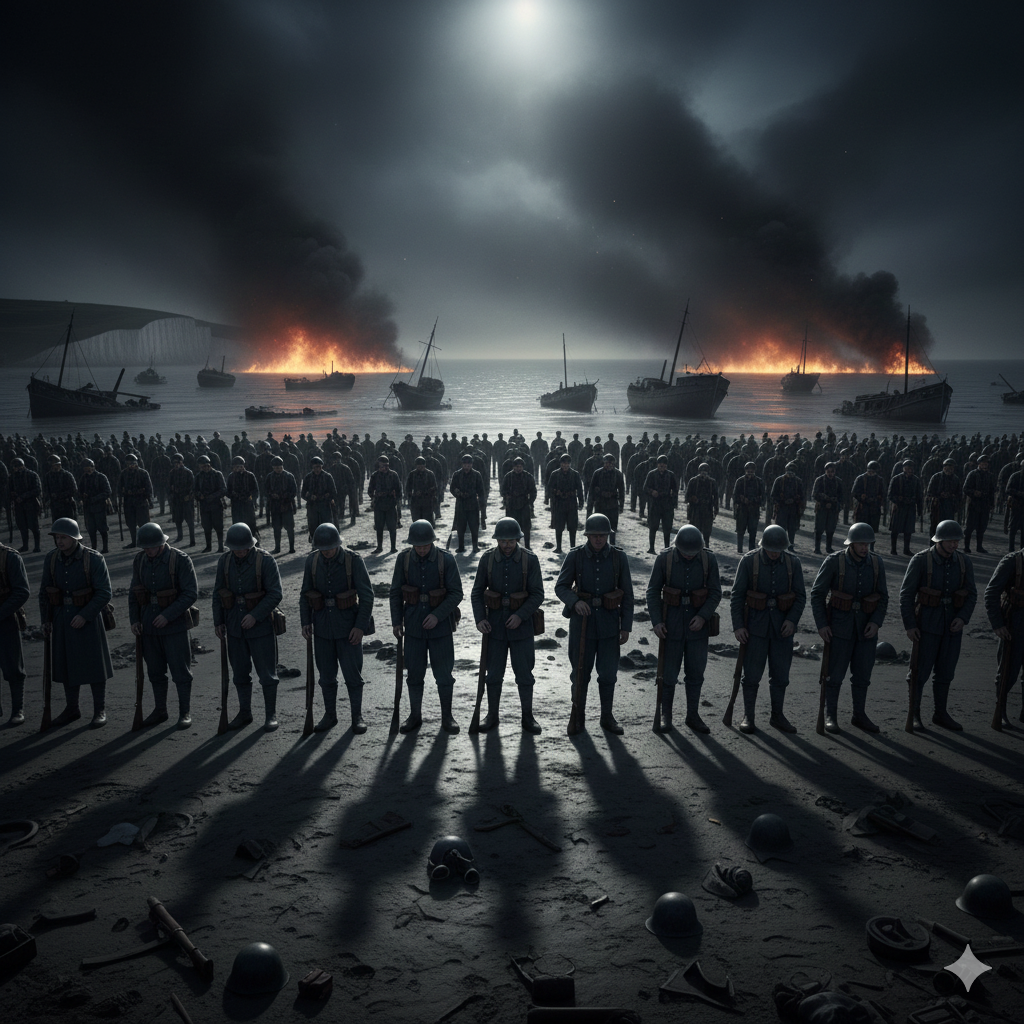
What If the Dunkirk Evacuation Failed: The Day Britain’s War Could Have Ended
What If the Dunkirk Evacuation Failed: The Day Britain’s War Could Have Ended

Princess Diana death conspiracy theories, ranked: what holds up, what collapses, and why it still’s still debated?
Princess Diana death conspiracy theories, ranked: what holds up, what collapses, and why it still’s still debated?

What if 9/11 failed: how one disrupted attack could have reshaped the modern world
What if 9/11 failed: how one disrupted attack could have reshaped the modern world

Ranking the 2020 Election Rigging Conspiracy Theories: Fact vs. Fiction
Ranking the 2020 Election Rigging Conspiracy Theories: Fact vs. Fiction
What a Hillary Clinton Win in 2016 Would Have Changed, and What It Wouldn’t
What a Hillary Clinton Win in 2016 Would Have Changed, and What It Wouldn’t

What Caused the 2008 Great Recession? The Main Drivers, Ranked
What Caused the 2008 Great Recession? The Main Drivers, Ranked
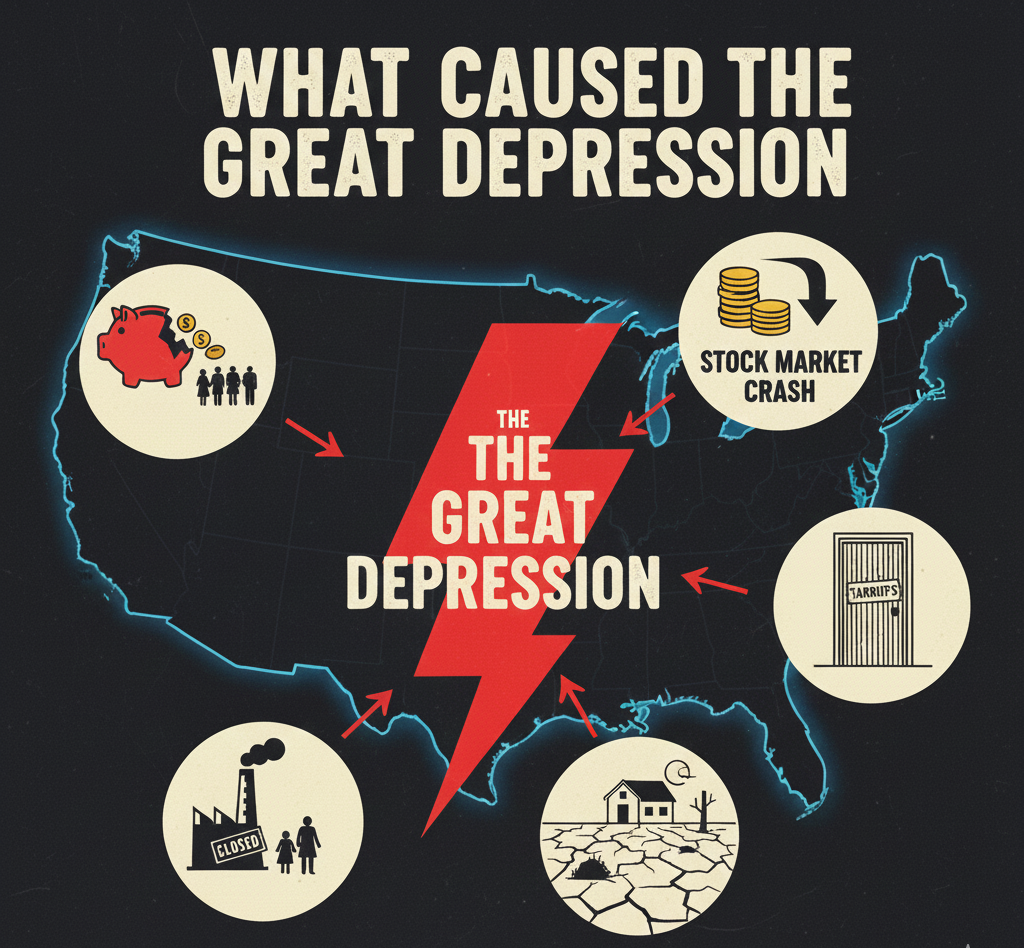
The Great Depression? The Main Drivers, Ranked
What Caused the Great Depression? The Main Drivers, Ranked
The Great Depression did not begin with a single bad day on Wall Street, even if the crash of October 1929 is still the famous image. It was the product of a chain of failures in markets, banks, policy, and international cooperation that turned a sharp slowdown into a decade-long catastrophe.
It matters now because those same fault lines keep reappearing in new forms: fragile banks, heavy debt, sudden panics in markets, and governments moving too slowly or in the wrong direction. Understanding what truly caused the Great Depression is a way of stress-testing today’s economic system.
This piece ranks the main causes, from most decisive to more indirect, and explains how each one made the collapse deeper and longer than it had to be. It then looks at who was hit, what changed in politics and society, and what lessons still shape economic policy.
The story turns on whether governments and central banks learn from past crashes or repeat them in slower motion.

The Collapse of the Soviet Union: The Forces That Brought It Down, Ranked
The Collapse of the Soviet Union: The Forces That Brought It Down, Ranked
Hitler’s Biggest Mistakes in World War Two, Ranked
Hitler’s Biggest Mistakes in World War Two, Ranked
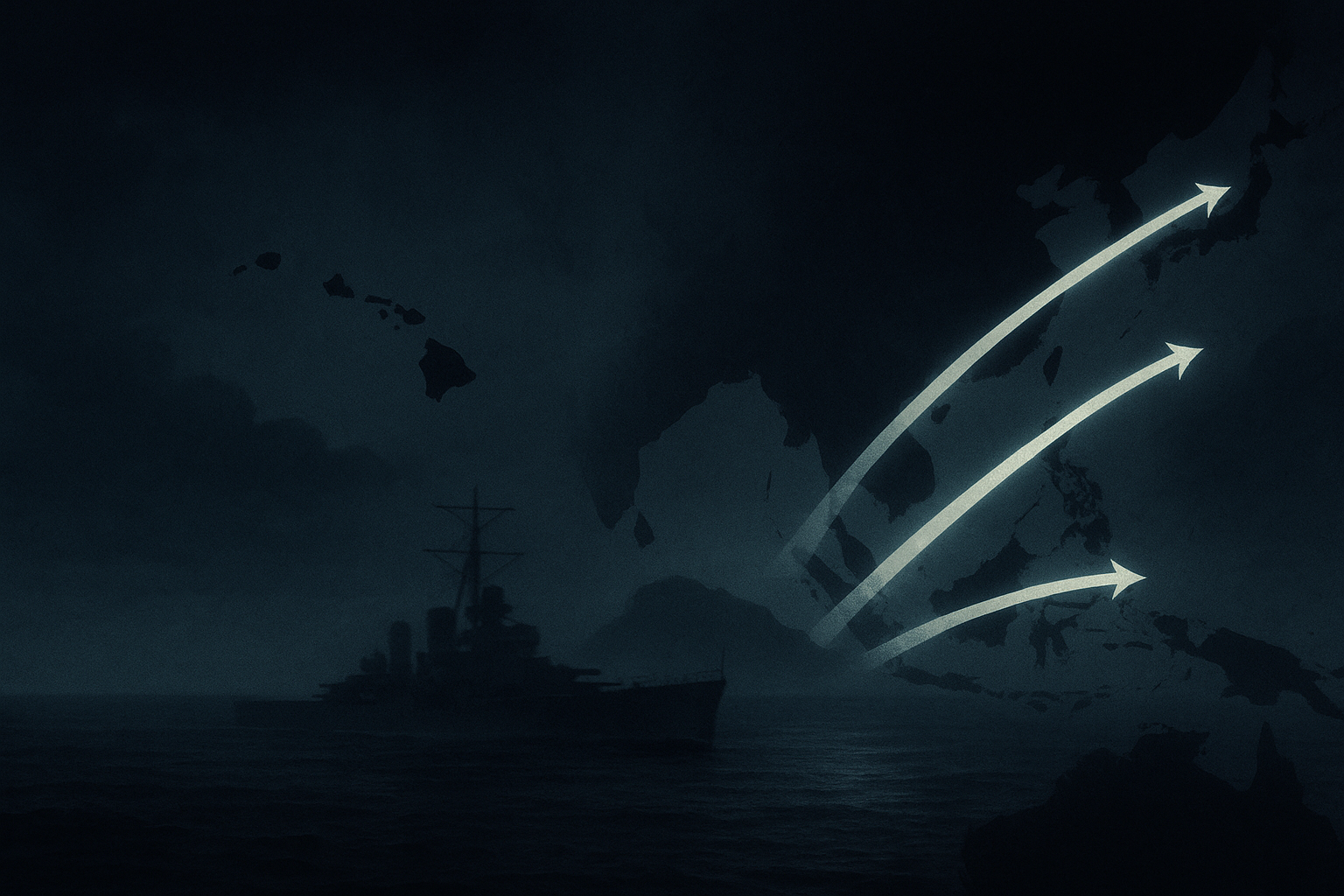
What If Japan Never Attacked Pearl Harbor? How World War II – and the World After – Might Have Changed
What If Japan Never Attacked Pearl Harbor? How World War II – and the World After – Might Have Changed
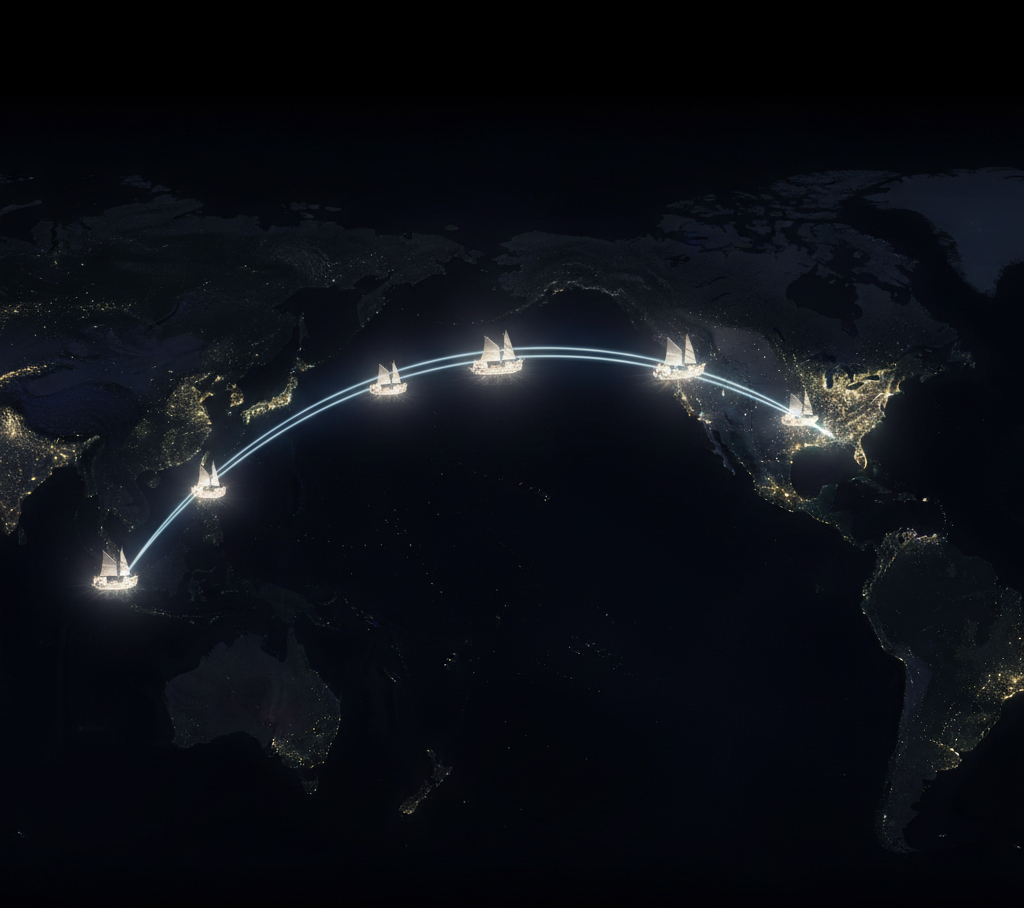
What If China Discovered the Americas First? How a Different First Contact Could Have Rewritten World History
What If China Discovered the Americas First? How a Different First Contact Could Have Rewritten World History
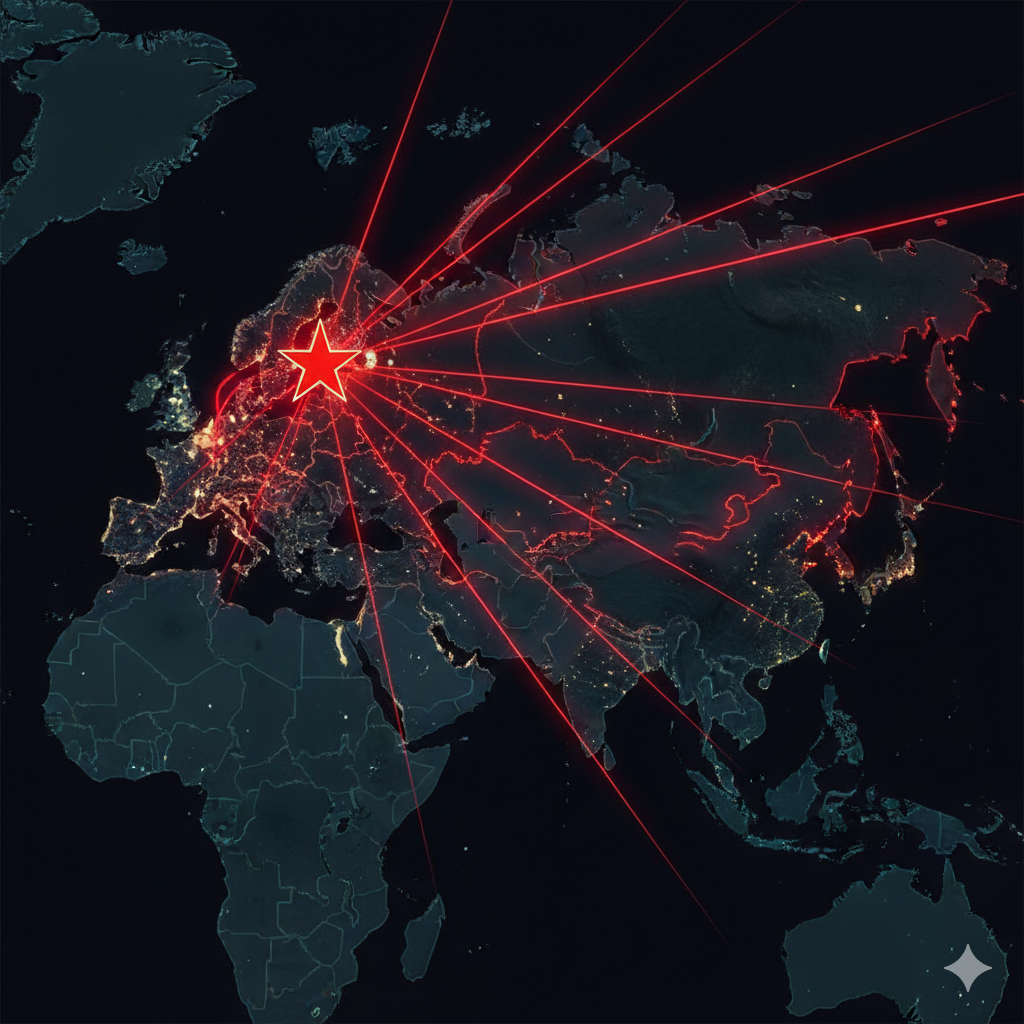
If the Soviet Union Never Collapsed: How Today’s World Could Look
If the Soviet Union Never Collapsed: How Today’s World Could Look

The Fusidisias Trap: When Technology Becomes Too Fast — and Too Big — to Stop
The Fusidisias Trap: When Technology Becomes Too Fast — and Too Big — to Stop