
Books · Film & TV · News · Science & Technology · History · True Crime · Podcast

When Janie Crawford walks back into Eatonville wearing overalls, her neighbours think they know what has happened. Her friend Pheoby brings supper and stays to listen. Between those two responses lies Zora Neale Hurston’s story of a woman learning what she wants from marriage, which pleasures are worth a risk and what she can bring home from the Everglades.

A judge furnishes his new home, hurts his side hanging the curtains and finds himself on the receiving end of the professional courtesy he once dispensed. In Tolstoy’s The Death of Ivan Ilyich, a servant who knows how to ease his pain and a boy who takes his hand offer Ivan a different way to understand the life he has left.

A judge furnishes his new home, hurts his side hanging the curtains and finds himself on the receiving end of the professional courtesy he once dispensed. In Tolstoy’s The Death of Ivan Ilyich, a servant who knows how to ease his pain and a boy who takes his hand offer Ivan a different way to understand the life he has left.
A missing collar stud, a pair of field glasses and a missed train all acquire unexpected importance in E. M. Forster’s A Passage to India. Follow the people who handle those objects and make those journeys, and a different story emerges from the one British Chandrapore believes about Dr Aziz. The last word belongs to two friends on horseback.
Tom Ripley barely knows Dickie Greenleaf. His first stroke of luck is meeting a father who thinks otherwise. Patricia Highsmith takes that small misunderstanding from New York to the Italian coast, where Tom discovers how much he likes being mistaken for somebody important. His changing relationship with Dickie gives the novel’s final request for a hotel room its unsettling force.
Tom Ripley barely knows Dickie Greenleaf. His first stroke of luck is meeting a father who thinks otherwise. Patricia Highsmith takes that small misunderstanding from New York to the Italian coast, where Tom discovers how much he likes being mistaken for somebody important. His changing relationship with Dickie gives the novel’s final request for a hotel room its unsettling force.
A golfer calls for his caddie, and Benjy Compson hears his sister. William Faulkner builds a family history out of moments like this, where a sound or a smell can carry someone across decades. Follow the four dated sections through Caddy’s childhood, Quentin’s day at Harvard, Jason’s missing money and an Easter carriage ride through Jefferson.

Before she is the woman Jane Eyre hears at Thornfield, Antoinette Cosway is a girl in Jamaica trying to understand why her family has so few friends. Jean Rhys follows her from a disputed childhood home into a marriage arranged around money. A missing mirror, a red dress and a familiar name each change how we understand her story.
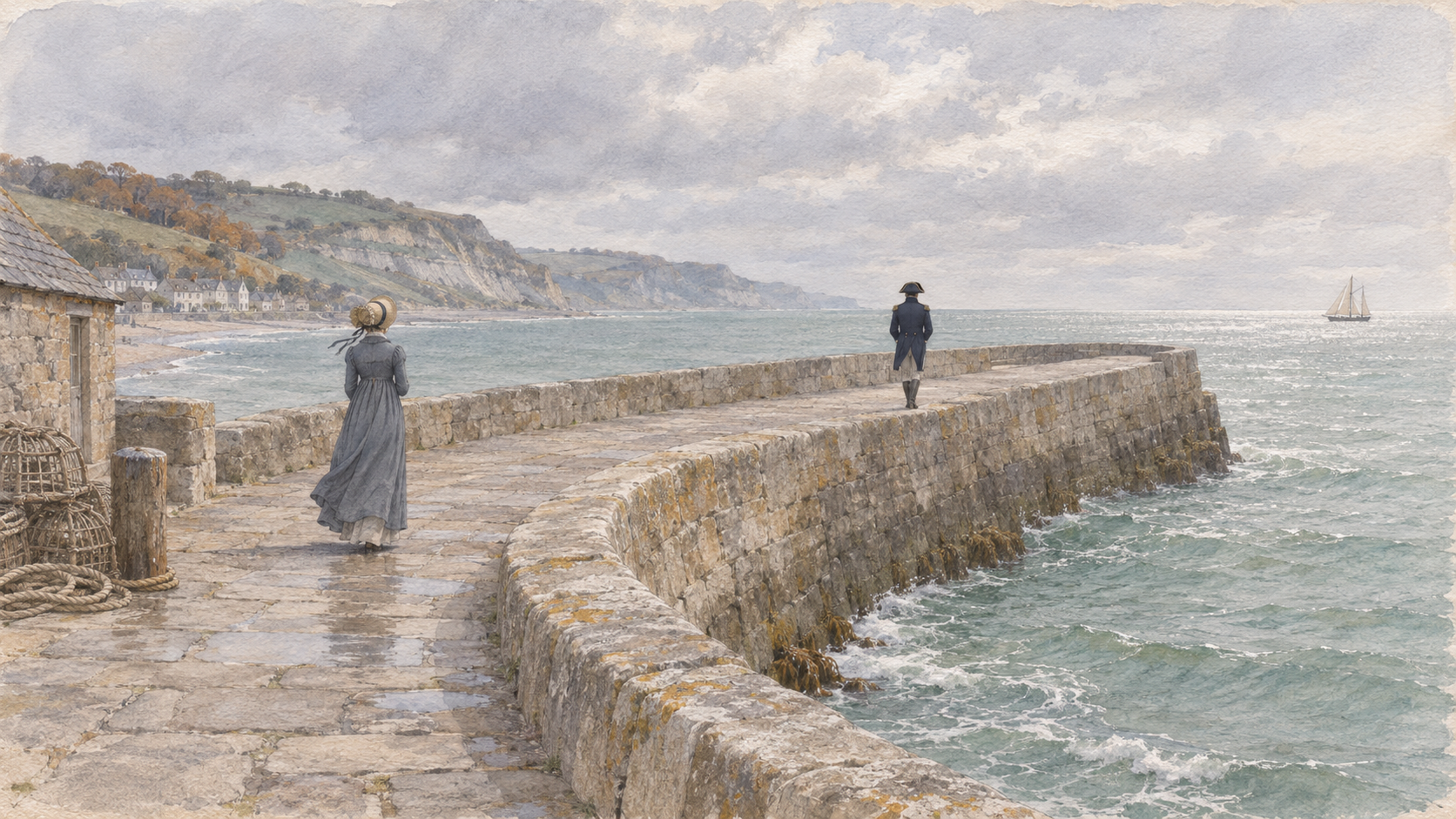
Eight years after Anne Elliot breaks her engagement, Captain Wentworth returns with a fortune and an apparently excellent memory for the injury. What he remembers less accurately is Anne herself. A fall on the Cobb, a portrait intended for two different women and a conversation overheard in Bath gradually give him another account of the years they lost.
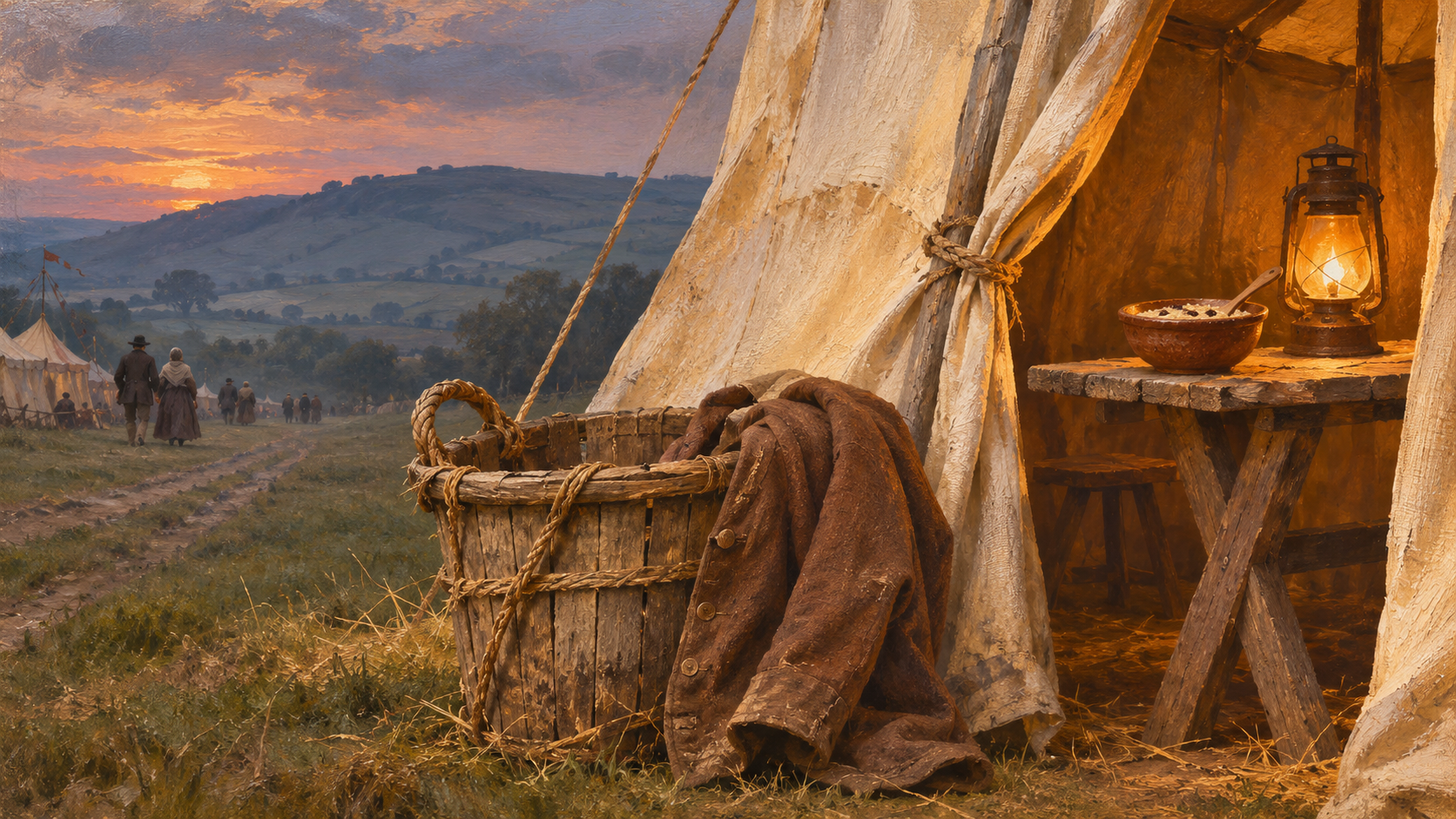
Michael Henchard sells his wife for five guineas and spends the next twenty-one years keeping a promise to himself. Thomas Hardy gives him a harder problem when his family comes back. Follow the rise of Donald Farfrae, the secret in Susan’s letter and the modest wedding gift that changes what Elizabeth-Jane understands about the man who raised her.
Book Summaries
When Janie Crawford walks back into Eatonville wearing overalls, her neighbours think they know what has happened. Her friend Pheoby brings supper and stays to listen. Between those two responses lies Zora Neale Hurston’s story of a woman learning what she wants from marriage, which pleasures are worth a risk and what she can bring home from the Everglades.
A judge furnishes his new home, hurts his side hanging the curtains and finds himself on the receiving end of the professional courtesy he once dispensed. In Tolstoy’s The Death of Ivan Ilyich, a servant who knows how to ease his pain and a boy who takes his hand offer Ivan a different way to understand the life he has left.
A judge furnishes his new home, hurts his side hanging the curtains and finds himself on the receiving end of the professional courtesy he once dispensed. In Tolstoy’s The Death of Ivan Ilyich, a servant who knows how to ease his pain and a boy who takes his hand offer Ivan a different way to understand the life he has left.
A missing collar stud, a pair of field glasses and a missed train all acquire unexpected importance in E. M. Forster’s A Passage to India. Follow the people who handle those objects and make those journeys, and a different story emerges from the one British Chandrapore believes about Dr Aziz. The last word belongs to two friends on horseback.
Tom Ripley barely knows Dickie Greenleaf. His first stroke of luck is meeting a father who thinks otherwise. Patricia Highsmith takes that small misunderstanding from New York to the Italian coast, where Tom discovers how much he likes being mistaken for somebody important. His changing relationship with Dickie gives the novel’s final request for a hotel room its unsettling force.
Tom Ripley barely knows Dickie Greenleaf. His first stroke of luck is meeting a father who thinks otherwise. Patricia Highsmith takes that small misunderstanding from New York to the Italian coast, where Tom discovers how much he likes being mistaken for somebody important. His changing relationship with Dickie gives the novel’s final request for a hotel room its unsettling force.
A golfer calls for his caddie, and Benjy Compson hears his sister. William Faulkner builds a family history out of moments like this, where a sound or a smell can carry someone across decades. Follow the four dated sections through Caddy’s childhood, Quentin’s day at Harvard, Jason’s missing money and an Easter carriage ride through Jefferson.
More Book Summaries
Film & TV Analysis
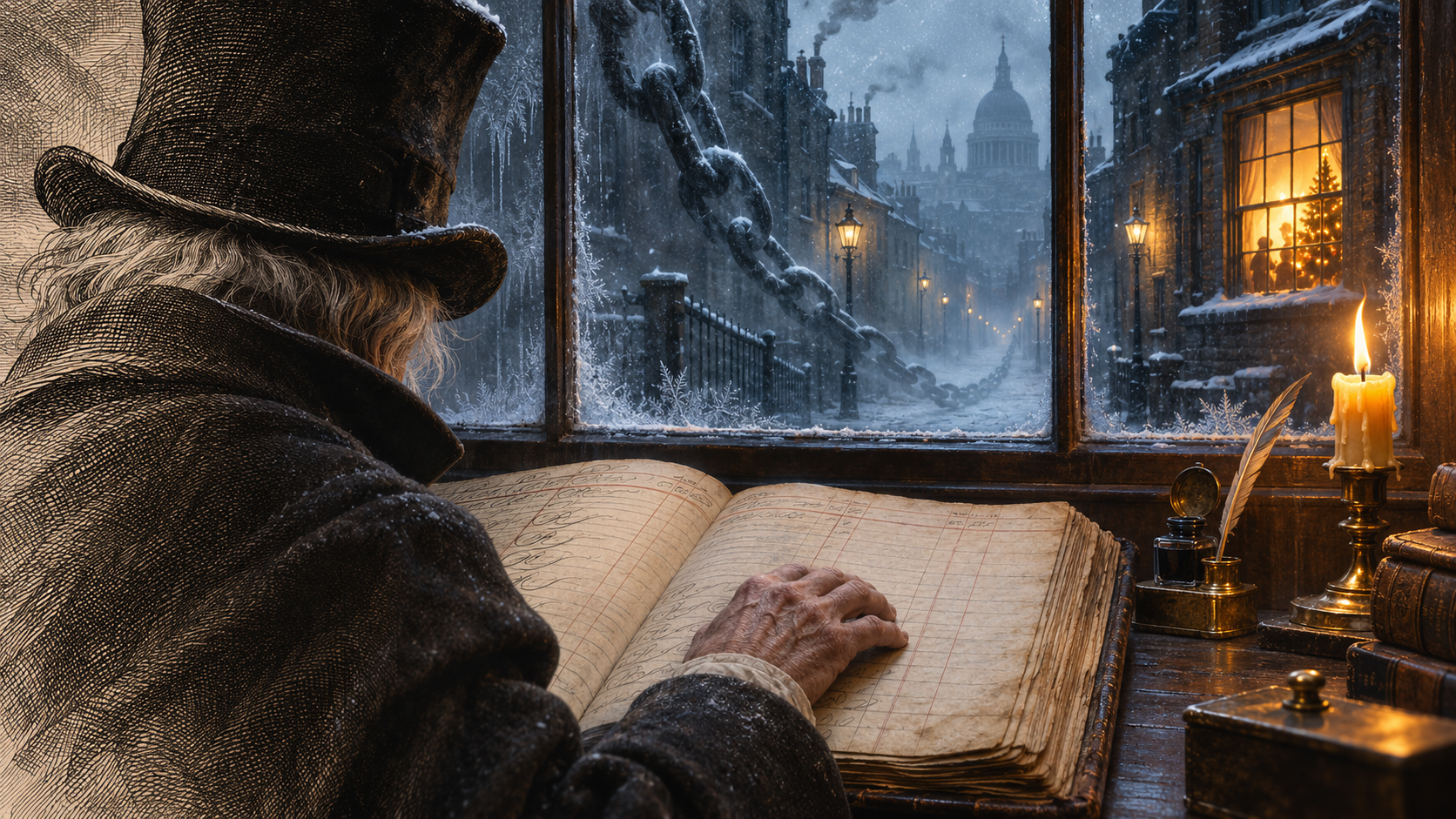
Johnny Depp’s Ebenezer lets us meet Jacob Marley alive and gives Belle a life Scrooge can discover in a bookshop. Its boldest changes concern money. A new fate for Fezziwig complicates the case for generosity, while an offer to Bob Cratchit alters what redemption means on the first working day after Christmas.

Don Draper can make a roomful of strangers miss their families while finding reasons to stay away from his own. From the Kodak Carousel to his final conversation with Sally, his choices reveal what he wants from love, what a modern psychologist might recognise and how much his last smile can tell us.

A car pauses in a swamp. A former housekeeper rings the bell. A patient remembers something he should have forgotten. These 15 films turned small details into some of cinema’s biggest shocks. Our countdown examines the scenes that earned each twist its place, with a spoiler warning before the first reveal.
News & Current Affairs
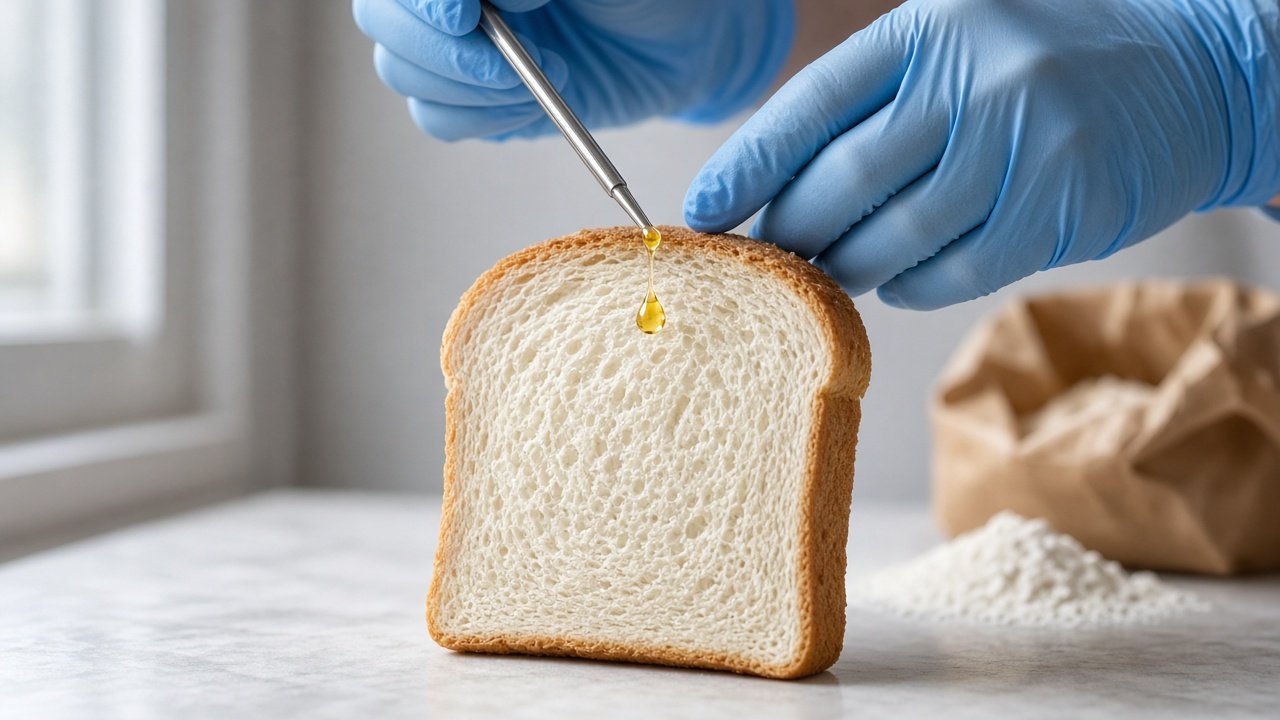
From 13 December 2026, non-wholemeal wheat flour across the UK must contain added folic acid. This explainer sets out what the law requires, which flours are exempt, how the dose compares with a pregnancy supplement and the official safety ceiling, and why a petition with more than 100,000 signatures will be debated by MPs the following day.

Before China tested a long-range missile over the Pacific in 2024, it warned Washington and Moscow. Making those warnings routine is one option for Trump, Xi and Putin in Shenzhen. Cutting warheads presents a harder bargain. How do you set one limit for three countries when the American nuclear stockpile alone is roughly six times the size of China’s?

Jordan’s decision to block Telegram reaches both public channels with large audiences and private chats between relatives. Officials cited threats ranging from extortion to extremist material. Their announcement came one day after three men were sentenced over a deadly church attack, raising a question the timing alone cannot answer. Did authorities connect the app to the attack?

Autonomous weapons can select a target after a person activates them. Seven governments want Geneva to launch treaty negotiations, while Washington favours voluntary guidance. The case of a soldier who surrenders shows why the choice matters, even if the technology becomes far more accurate.

Britain and France have set 4 December for talks on Russia’s shadow fleet. A recent Mediterranean boarding exposed a tanker sailing under a false flag, yet almost half the Russian oil carried by the fleet in October travelled under Russia’s own colours. That shift changes what European governments can realistically achieve at sea.
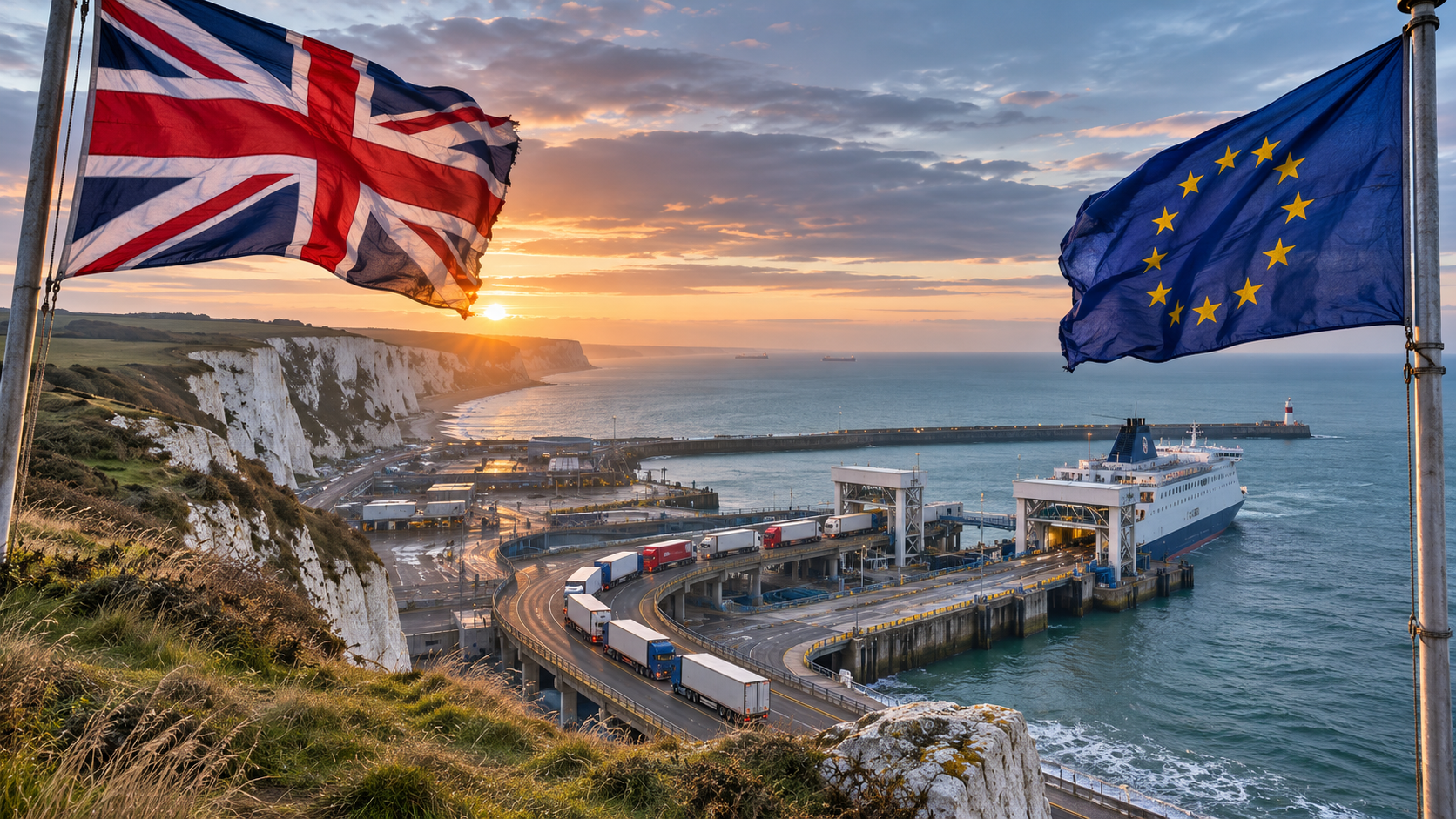
What would a better Brexit change for Britain? Andy Burnham’s three tests face Kemi Badenoch’s challenge over food exports, fishing rights and youth mobility.
Six women’s accounts of encounters with Russell Brand became public three days after he was sentenced. Most had spoken to journalists years earlier. What did each woman say, why did some contact police, and how does Mia Latter’s separate decision to give up her anonymity fit into the story?
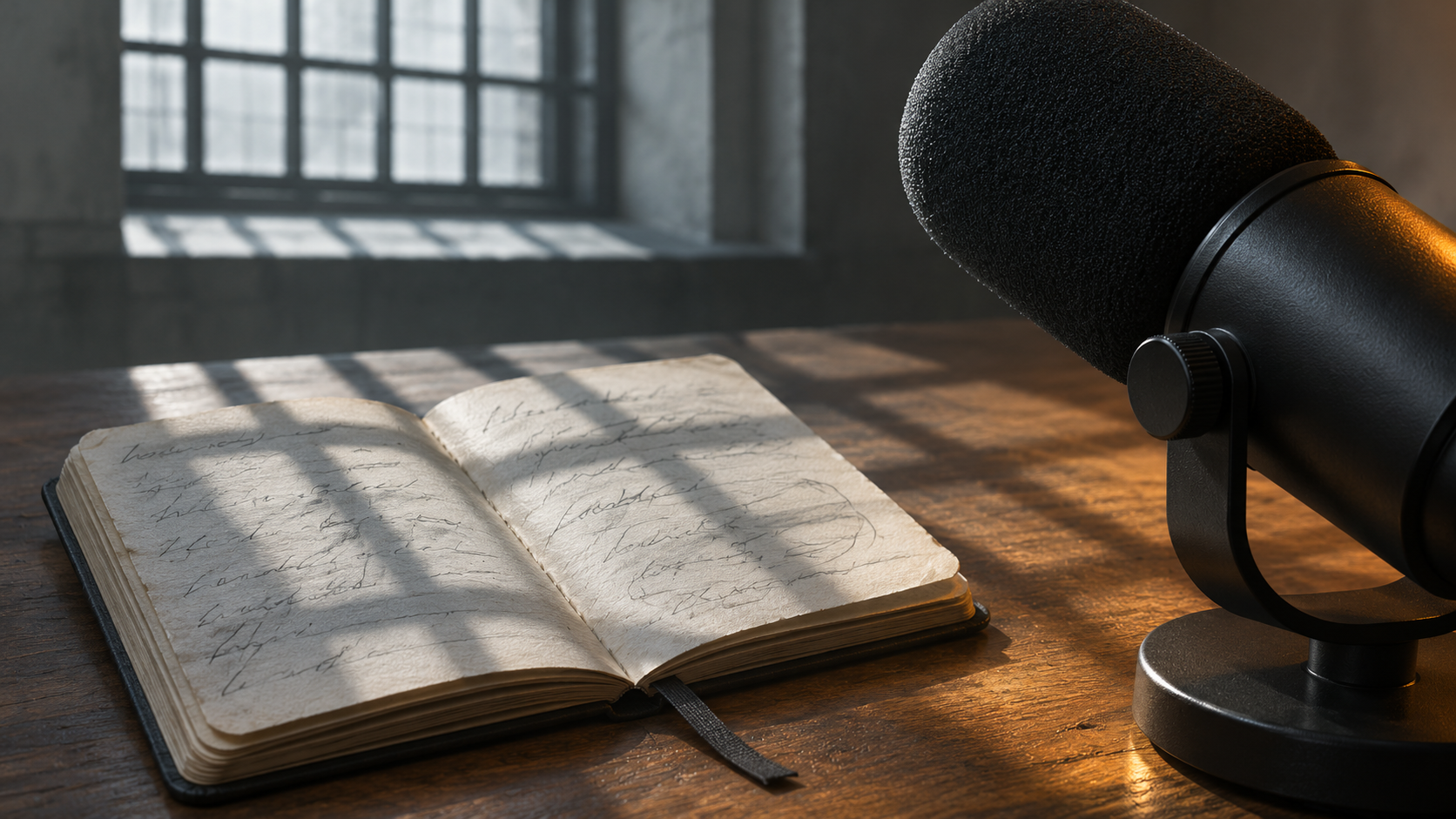
Before Laura Gallacher read from her notebook, she told viewers her husband had asked her to share his words. That detail helps explain why the Ministry of Justice is examining Russell Brand’s message from prison.

HMP Littlehey has housed young offenders, men serving life sentences and prisoners needing end-of-life care. Following Russell Brand’s transfer from Wandsworth, its inspection reports and monitoring records offer a picture of daily life, from the first phone call home to the chances of getting a workshop place.


In NASA’s 1988 image of Puncak Jaya, pale blue ice stretches along Indonesia’s high mountain ridges. By 2026, only scattered flecks remain. A measuring site that once held 32 metres of ice helps explain how a glacier can stop flowing years before the last patch melts.

Euclid has identified about 15,000 possible gravitational lenses. Follow the light in one arc to see how astronomers weigh galaxies and study distant stars. A crescent of light can record the mass of one galaxy and preserve details of another. Repeated knots in a blue arc give astronomers a way to test a lens model.

A white dwarf and a Sun-like star share an unusual radio signature. Discover how tiny shifts in the pulse arrival times helped astronomers locate its source. The slight drift in the arrival of a radio pulse reveals which member of a binary moves with its source. The eight-minute rhythm tracks a compact star turning on its axis.

The most striking mornings are the ones when you open your eyes, check the clock and see that you have beaten the alarm by two minutes. The mornings when the alarm drags you out of sleep are easier to forget. To explain the apparent precision, it helps to separate three things: a body accustomed to waking around the same time, anticipation of a particular morning and the way you count the occasions when the prediction seems to work.
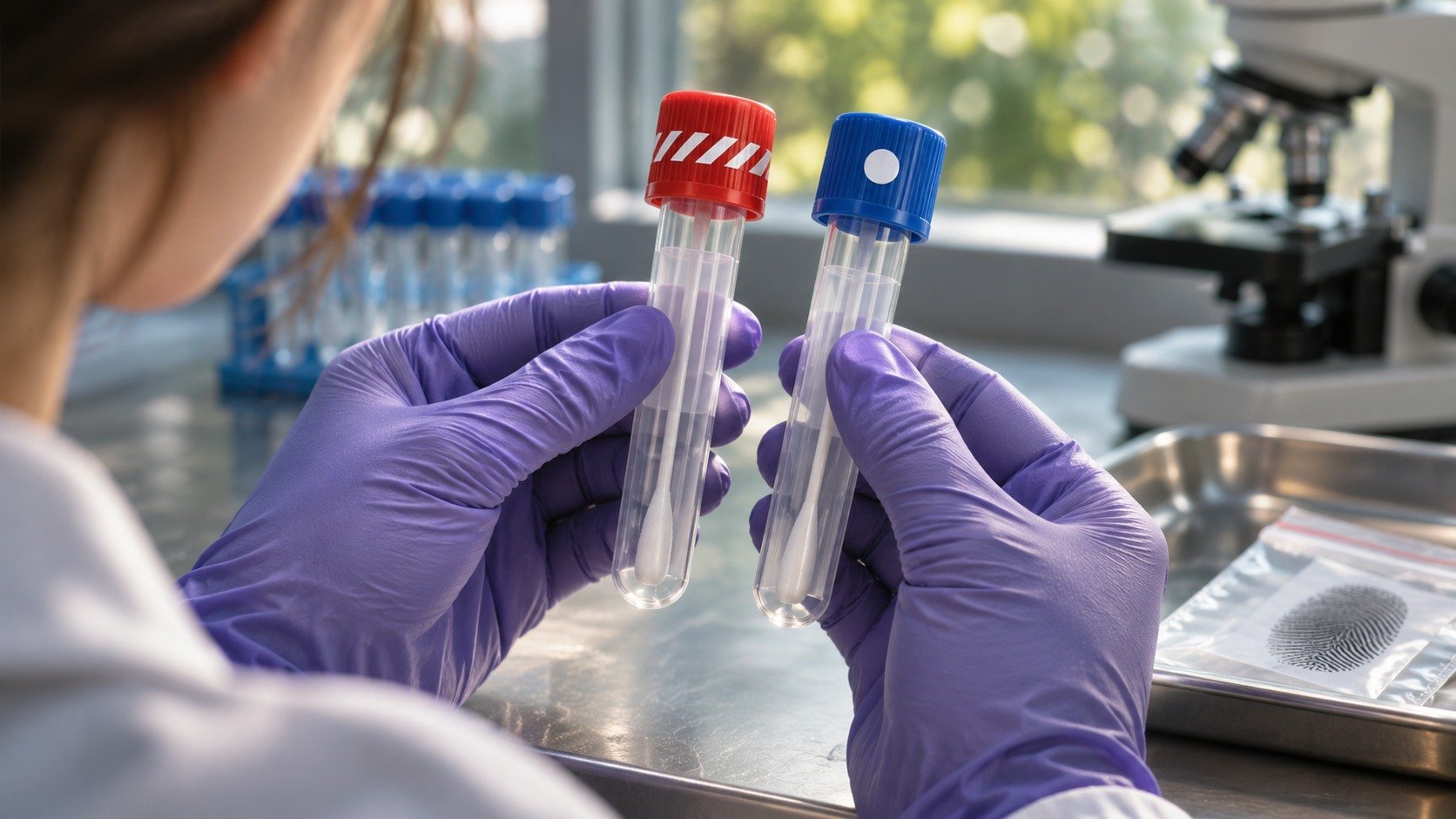
A court in the Netherlands faced a question that a routine forensic test could scarcely begin to answer. A suspect in a rape investigation had an identical twin. A biological trace could be compared with either brother. At the sites routinely examined by the Netherlands Forensic Institute, the men shared the same profile. Testing more carefully at those same sites would still leave the court with two names.
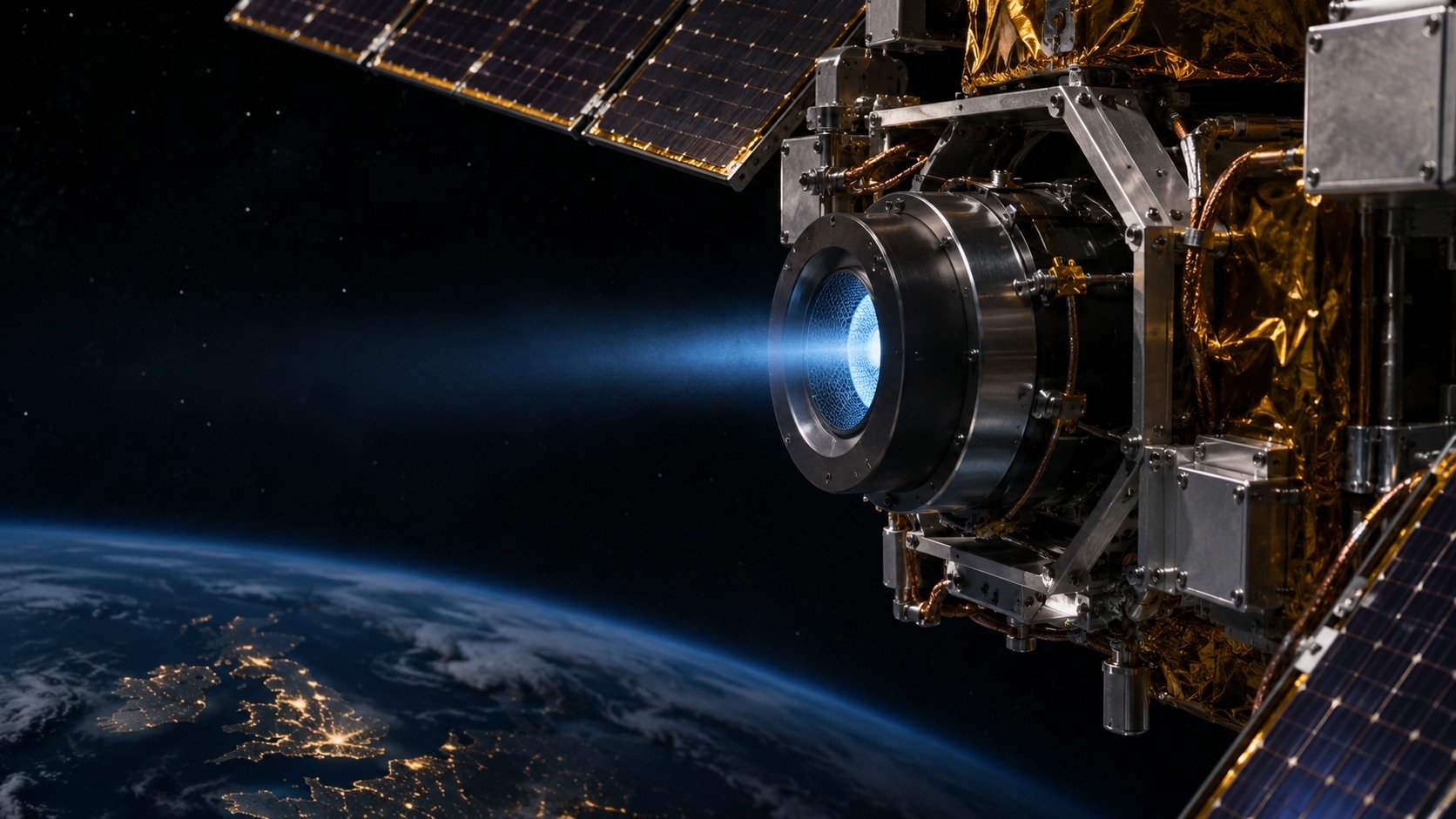
A tenth of a newton seems barely worth switching on. Give that force a tonne of spacecraft and a hundred days, however, and the velocity change becomes substantial. Discover how electric thrusters accelerate propellant, why they need power and how NASA’s latest challenge relates to engines already used in space.

AT 2016blu repeatedly brightens in a galaxy about thirty million light-years away. Astronomers used the optical outbursts to choose when Chandra should look for X-rays. The observations point to gas falling towards a compact companion, with two candidates still in contention for the identity of that hidden object.
Science & Technology

Rockstar sent developers to Miami in 2015. Eleven years later, GTA VI is finally due to take players there. The road between those dates runs through the making of Red Dead Redemption 2, an abandoned vision for a much larger map, and a production problem hiding in plain sight on Vice City’s pavements.

The US Commerce Department has issued a rule aimed at overseas access to advanced AI processors. A five-country licensing requirement gives Washington a say in where covered hardware goes. What happens after delivery explains why a cloud customer in China can matter as much as the company buying the servers.
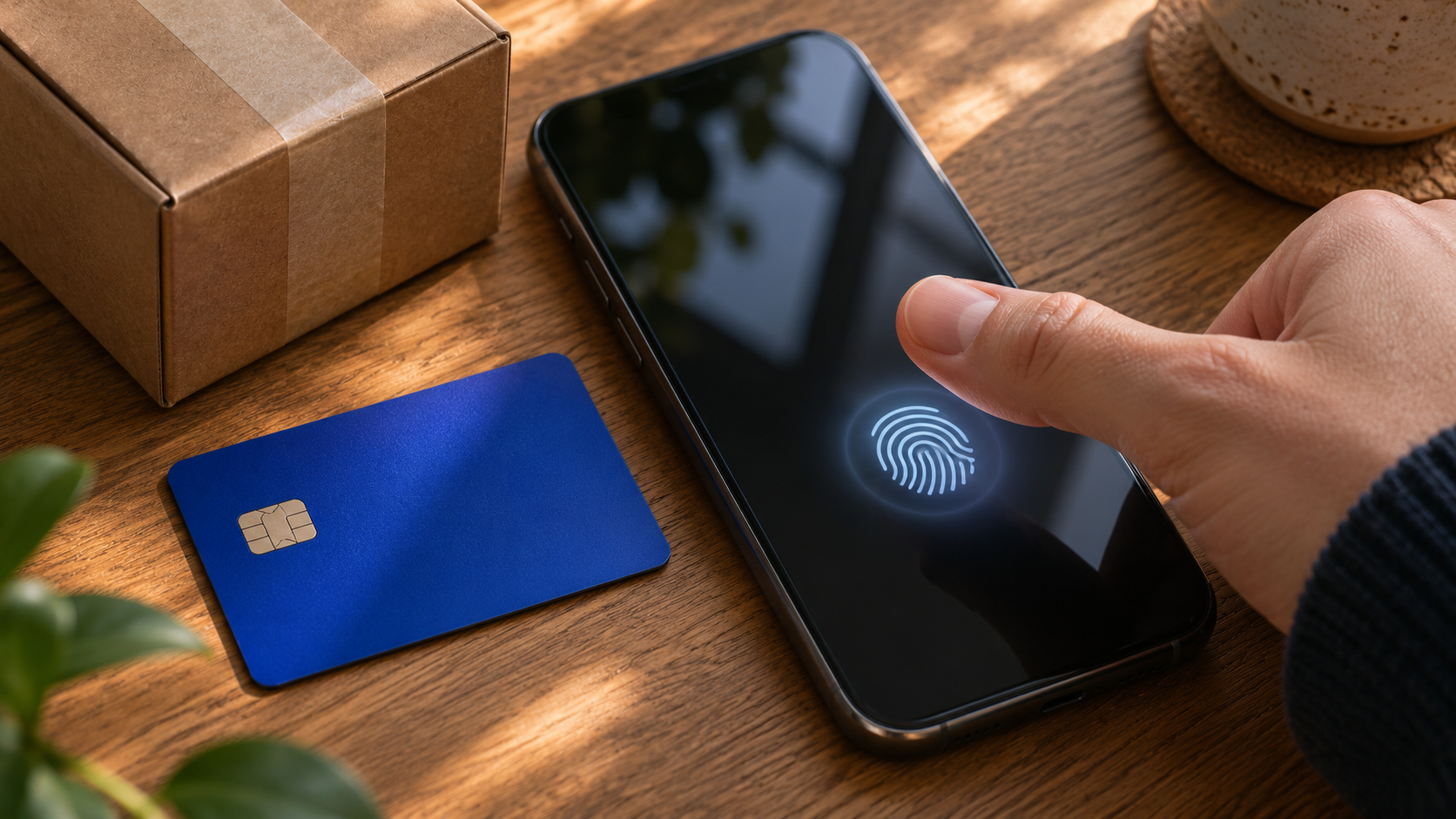
ChatGPT Wallet lets eligible US shoppers send an AI agent through checkout with a saved card. Follow a coffee order from the first request to the retailer’s receipt, including the detail that determines whether you have bought a single bag or agreed to keep paying for the next one.
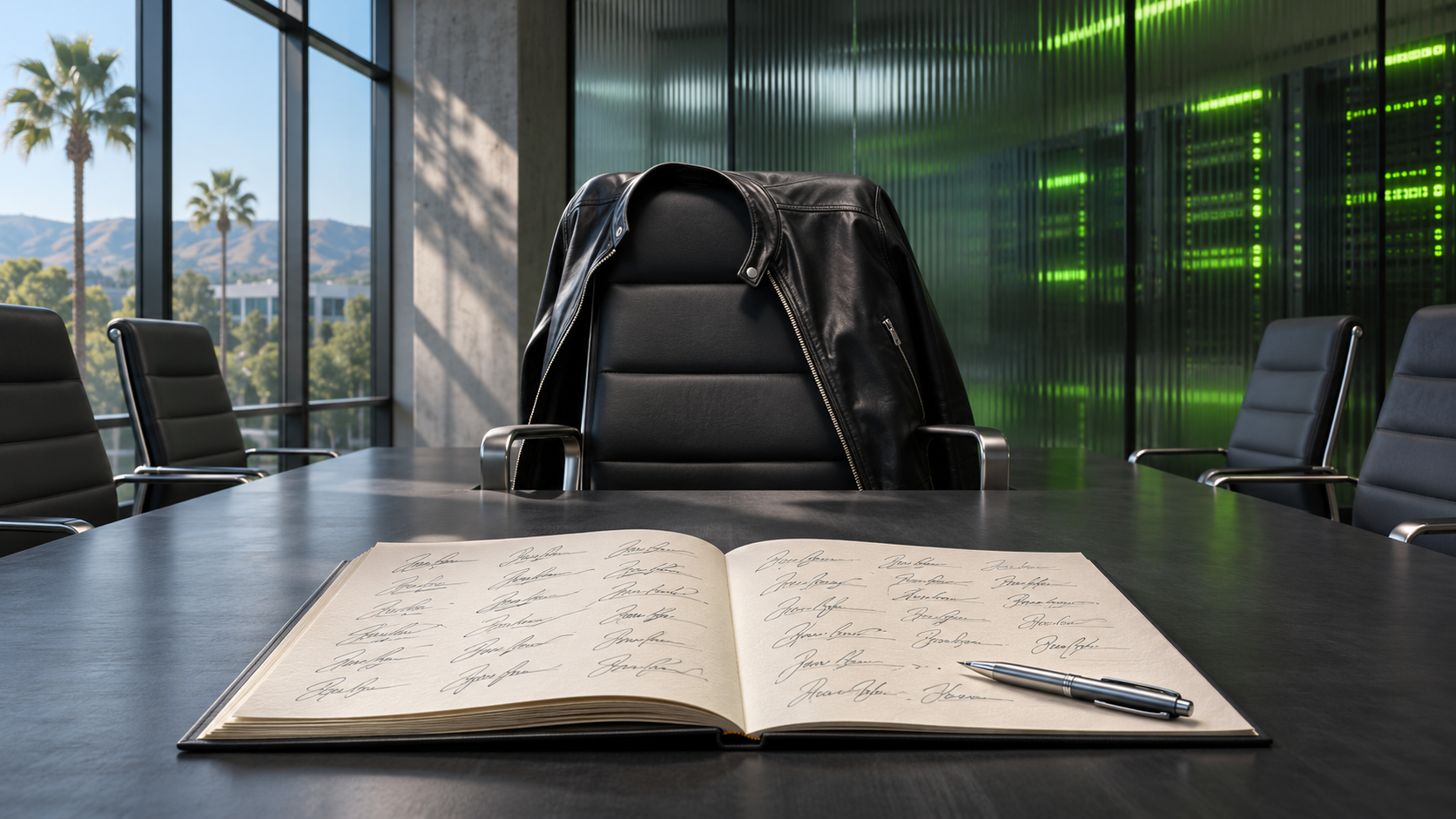
An Nvidia employee used Replit to build a petition for Jensen Huang’s return. Within days, founders, investors and thousands of people identifying as staff had added their names. Behind the headline count lies a disagreement about who should run Nvidia during an investigation and whether its board should leave the permanent job open.

SpaceX’s launch tower caught the upper stage of Starship after it delivered 26 satellites and spent more than 22 hours in flight. Follow its journey from the short engine burn that brought it out of orbit to the final turn over Texas, and discover what engineers can learn now the ship is back in their hands.

Nvidia’s first big graphics bet nearly cost it the company. A reprieve from Sega gave its engineers time to start again. Follow the decisions that took Nvidia from gaming PCs to AI data centres, why Washington and Beijing can each frustrate a sale, and what a new chief executive inherits after 33 years of Jensen Huang.

NVIDIA has transformed from a gaming graphics company into a vital supplier of the global AI industry. This detailed analysis explains how its GPUs, CUDA software and advanced networking work, why Microsoft, Google, Amazon and Meta use its technology, and how its increasingly complex relationship with OpenAI could shape the future of artificial intelligence.
History

Jesse Pinkman is about to leave Albuquerque. All he has to do is wait for the man who can give him a new identity. Then he reaches for something in his pocket. A bag of marijuana has vanished. An apparently minor theft gives him the missing piece of a much older puzzle involving a sick child and a cigarette. Major spoilers follow for Breaking Bad.
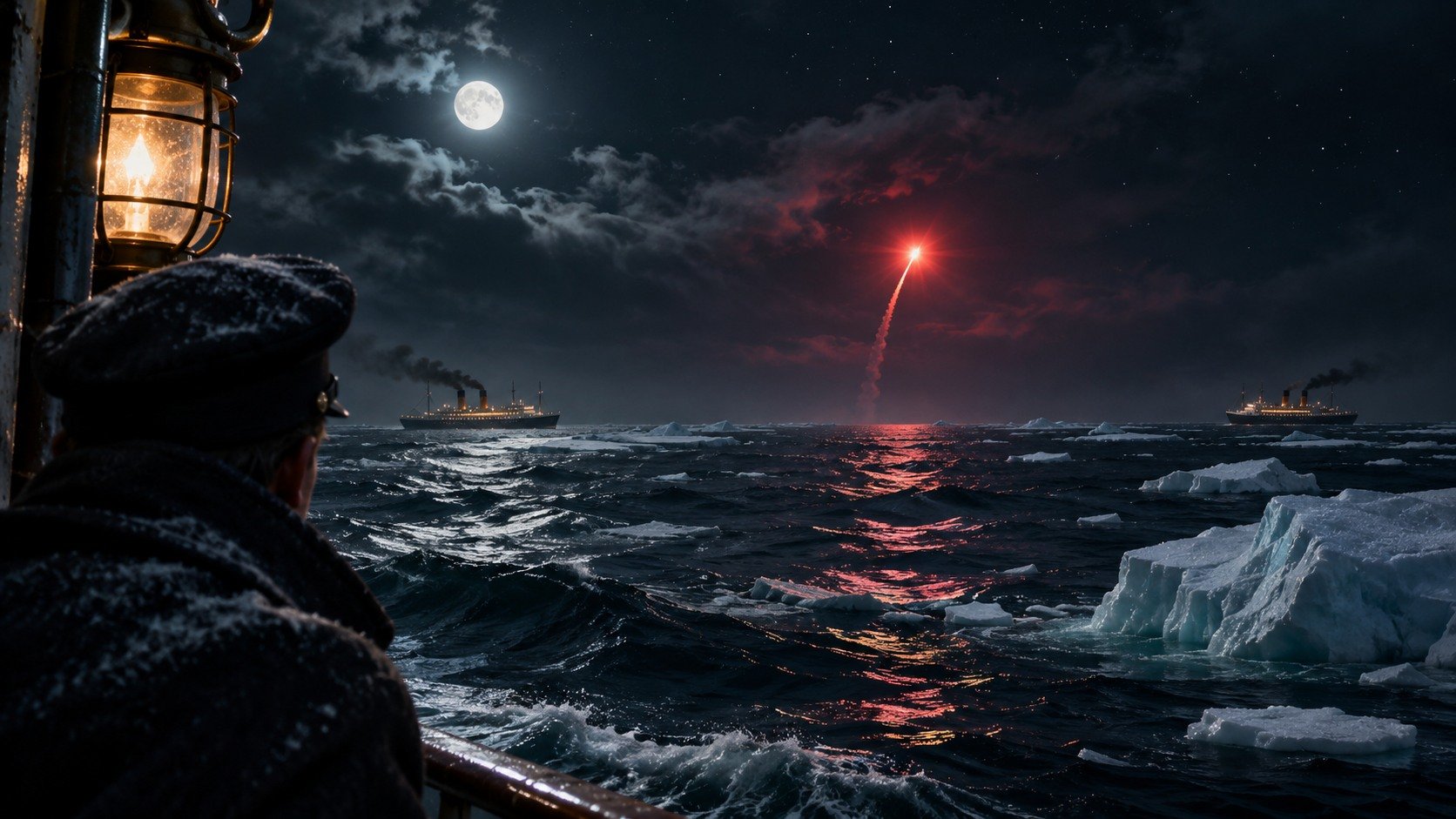
A wireless distress call carries an identity, a position and an urgent request. A rocket seen from a dark bridge carries none of those things with quite the same precision. On the night Titanic sank, Carpathia received the first kind of information. Officers aboard Californian had to interpret the second. What happened to those signals between receipt and action explains much of the difference between the two ships.
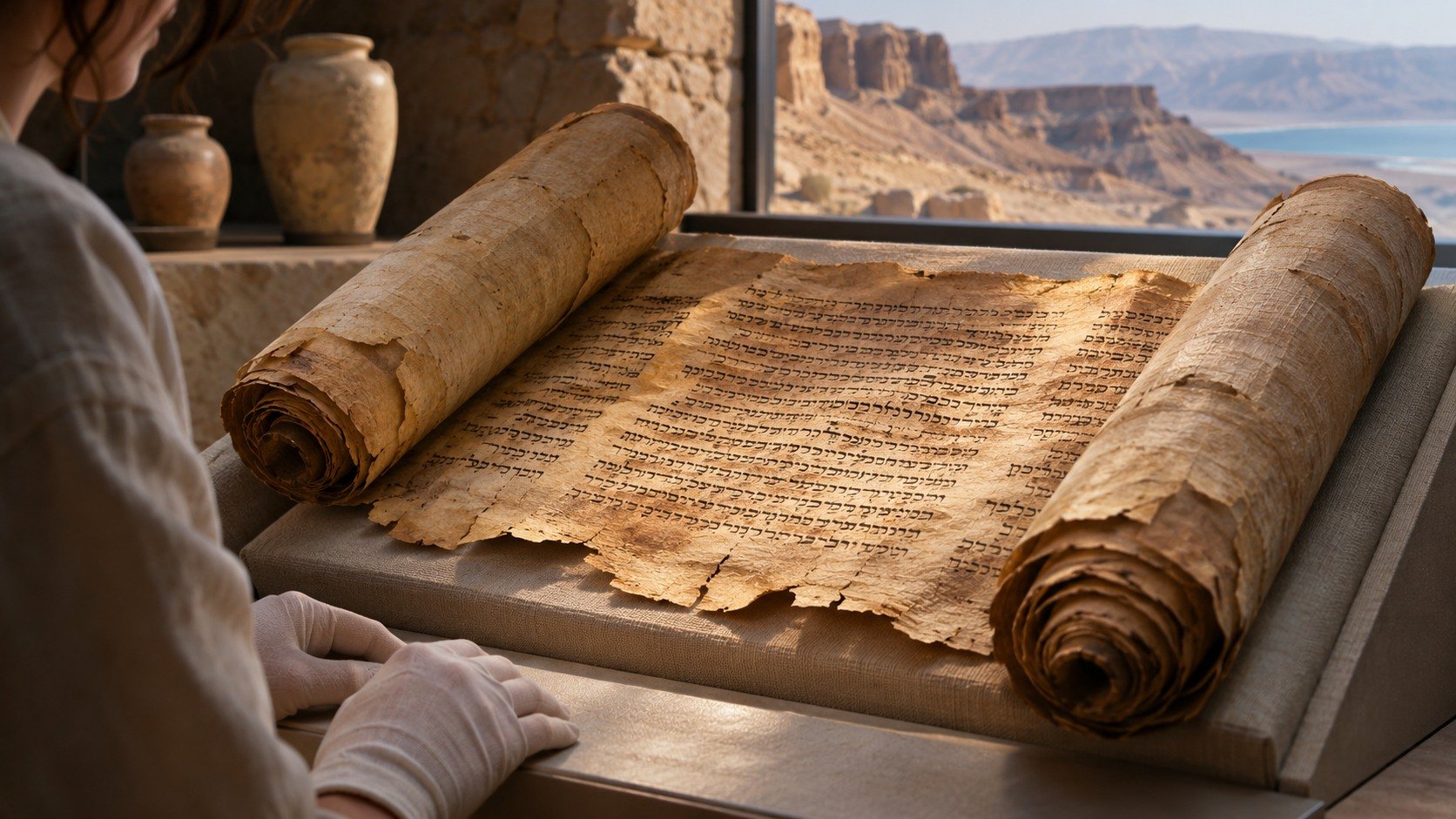
In Isaiah 53, a suffering figure lives to see the outcome of his ordeal. Some ancient witnesses include a word meaning “light”. In the traditional Hebrew text underlying many familiar translations, that word is absent. Open two modern Bibles and the figure may either see light or see the result of his suffering. The difference is small enough to disappear in a public reading. To a translator deciding what to print, it is a genuine choice.

After seven days of deliberations, Lindsay Clancy’s jury was reportedly one vote short of acquitting her on grounds of criminal responsibility. Two notes from the jury room became central to her lawyers’ attempt to stop a second murder trial.
True Crime





Six women’s accounts of encounters with Russell Brand became public three days after he was sentenced. Most had spoken to journalists years earlier. What did each woman say, why did some contact police, and how does Mia Latter’s separate decision to give up her anonymity fit into the story?
Before Laura Gallacher read from her notebook, she told viewers her husband had asked her to share his words. That detail helps explain why the Ministry of Justice is examining Russell Brand’s message from prison.
HMP Littlehey has housed young offenders, men serving life sentences and prisoners needing end-of-life care. Following Russell Brand’s transfer from Wandsworth, its inspection reports and monitoring records offer a picture of daily life, from the first phone call home to the chances of getting a workshop place.

In April 2015, Ed Miliband went to Russell Brand’s east London flat to make the case for voting. Days later, Brand urged his viewers in England to vote Labour. Eleven years on, after Brand’s convictions for rape and sexual assault, Miliband faced a different question. What had the man hoping to become prime minister given Brand by agreeing to sit down with him?
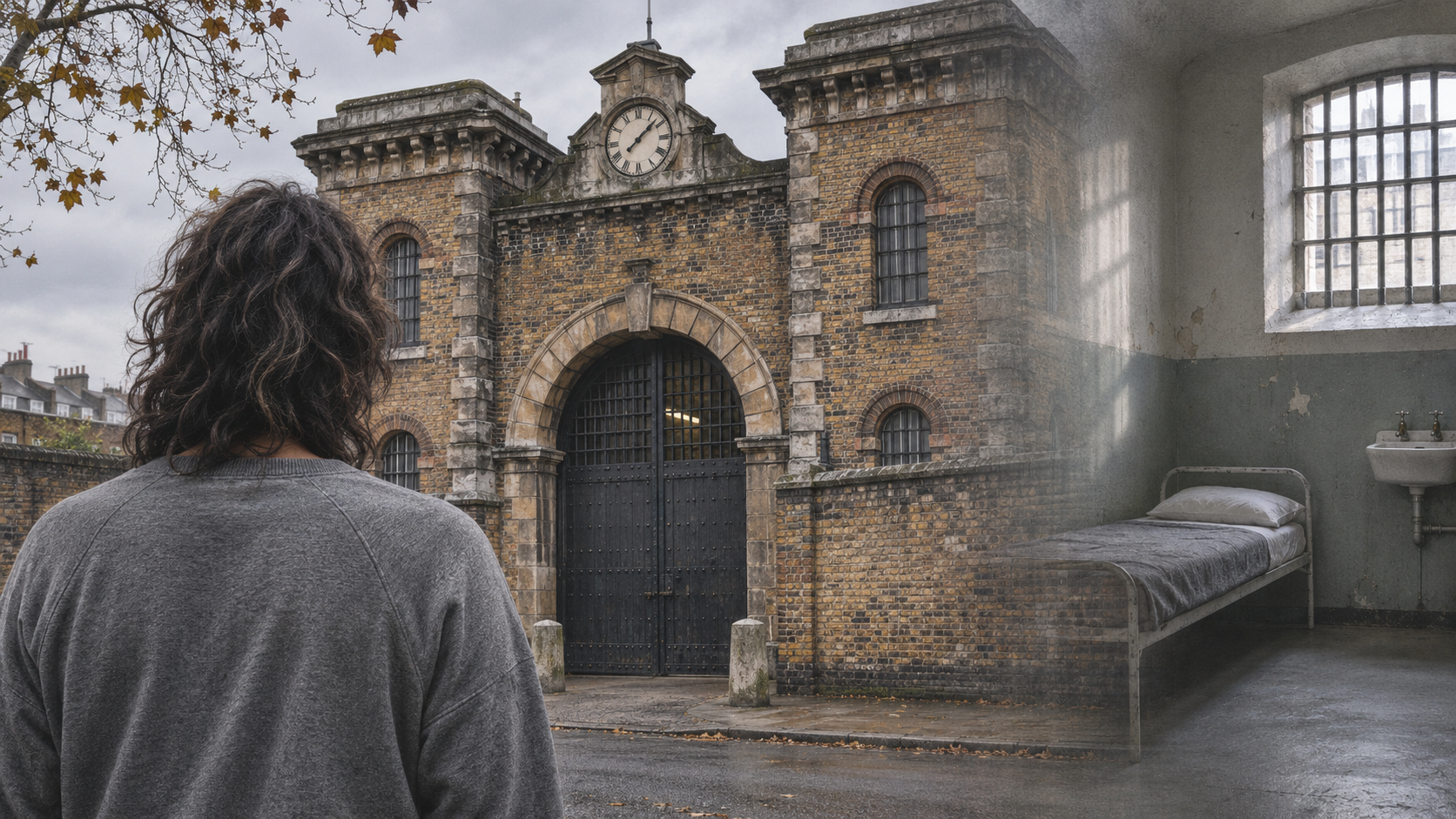
Russell Brand’s arrival at Wandsworth drew shouts from behind cell doors. A staff member described the reaction, a former prisoner recalled the wait to see his family, and inspectors documented how little time some men spent outside. Their accounts help answer which risks Brand faces and which details of his custody remain private.
Featured

When Janie Crawford walks back into Eatonville wearing overalls, her neighbours think they know what has happened. Her friend Pheoby brings supper and stays to listen. Between those two responses lies Zora Neale Hurston’s story of a woman learning what she wants from marriage, which pleasures are worth a risk and what she can bring home from the Everglades.
A judge furnishes his new home, hurts his side hanging the curtains and finds himself on the receiving end of the professional courtesy he once dispensed. In Tolstoy’s The Death of Ivan Ilyich, a servant who knows how to ease his pain and a boy who takes his hand offer Ivan a different way to understand the life he has left.
A judge furnishes his new home, hurts his side hanging the curtains and finds himself on the receiving end of the professional courtesy he once dispensed. In Tolstoy’s The Death of Ivan Ilyich, a servant who knows how to ease his pain and a boy who takes his hand offer Ivan a different way to understand the life he has left.
A missing collar stud, a pair of field glasses and a missed train all acquire unexpected importance in E. M. Forster’s A Passage to India. Follow the people who handle those objects and make those journeys, and a different story emerges from the one British Chandrapore believes about Dr Aziz. The last word belongs to two friends on horseback.
Tom Ripley barely knows Dickie Greenleaf. His first stroke of luck is meeting a father who thinks otherwise. Patricia Highsmith takes that small misunderstanding from New York to the Italian coast, where Tom discovers how much he likes being mistaken for somebody important. His changing relationship with Dickie gives the novel’s final request for a hotel room its unsettling force.
Tom Ripley barely knows Dickie Greenleaf. His first stroke of luck is meeting a father who thinks otherwise. Patricia Highsmith takes that small misunderstanding from New York to the Italian coast, where Tom discovers how much he likes being mistaken for somebody important. His changing relationship with Dickie gives the novel’s final request for a hotel room its unsettling force.
A golfer calls for his caddie, and Benjy Compson hears his sister. William Faulkner builds a family history out of moments like this, where a sound or a smell can carry someone across decades. Follow the four dated sections through Caddy’s childhood, Quentin’s day at Harvard, Jason’s missing money and an Easter carriage ride through Jefferson.
Before she is the woman Jane Eyre hears at Thornfield, Antoinette Cosway is a girl in Jamaica trying to understand why her family has so few friends. Jean Rhys follows her from a disputed childhood home into a marriage arranged around money. A missing mirror, a red dress and a familiar name each change how we understand her story.
Eight years after Anne Elliot breaks her engagement, Captain Wentworth returns with a fortune and an apparently excellent memory for the injury. What he remembers less accurately is Anne herself. A fall on the Cobb, a portrait intended for two different women and a conversation overheard in Bath gradually give him another account of the years they lost.
Michael Henchard sells his wife for five guineas and spends the next twenty-one years keeping a promise to himself. Thomas Hardy gives him a harder problem when his family comes back. Follow the rise of Donald Farfrae, the secret in Susan’s letter and the modest wedding gift that changes what Elizabeth-Jane understands about the man who raised her.
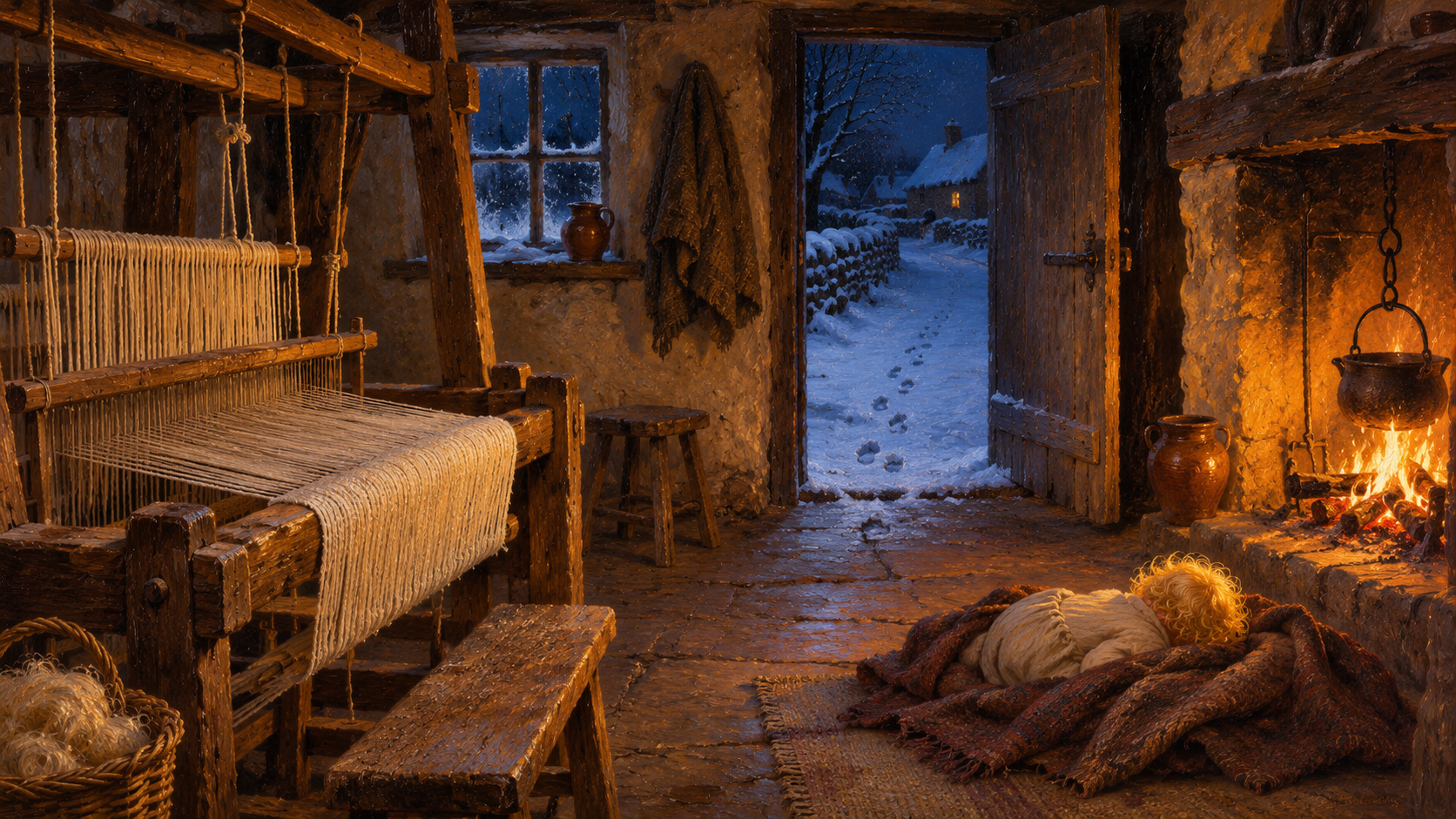
When a weaver’s savings vanish, Raveloe suspects a passing stranger. When a child appears at his hearth, the man who knows her name keeps quiet. George Eliot gives the village sixteen years to discover how badly it has misread both events. By then, the girl at the centre of its best-kept secret has an answer of her own.

Harry’s first year at Hogwarts gives him a family he can see only in a mirror. His final journey asks whether he can let that family go. Follow all seven Harry Potter novels in order, including the diary Hermione never gets to examine, the prisoner nobody believes and the disarming spell whose significance takes another book to become clear.

Katniss knows what it costs to step forward at a reaping. Haymitch knows what happens when the Capitol films that moment twice. Read all five Hunger Games novels in publication order, following the bread, songs, broadcasts and private bargains that connect Lucy Gray Baird’s tenth Games to the country Katniss and Peeta eventually leave their children.

Newland Archer prides himself on understanding the rules of Old New York well enough to break them. Then his wife gives a dinner whose purpose everyone understands before he does. Follow Edith Wharton’s love triangle from an opera box and a Newport pier to the Paris apartment where Newland must finally make a choice for himself.

A boy waits for his mother on a staircase. Years before he was born, Charles Swann crossed Paris looking for a woman who had left a party early. Marcel Proust connects these two anxious evenings through a childhood in Combray, a phrase of music and a taste of cake. This guide follows the first volume of In Search of Lost Time through its final autumn walk.
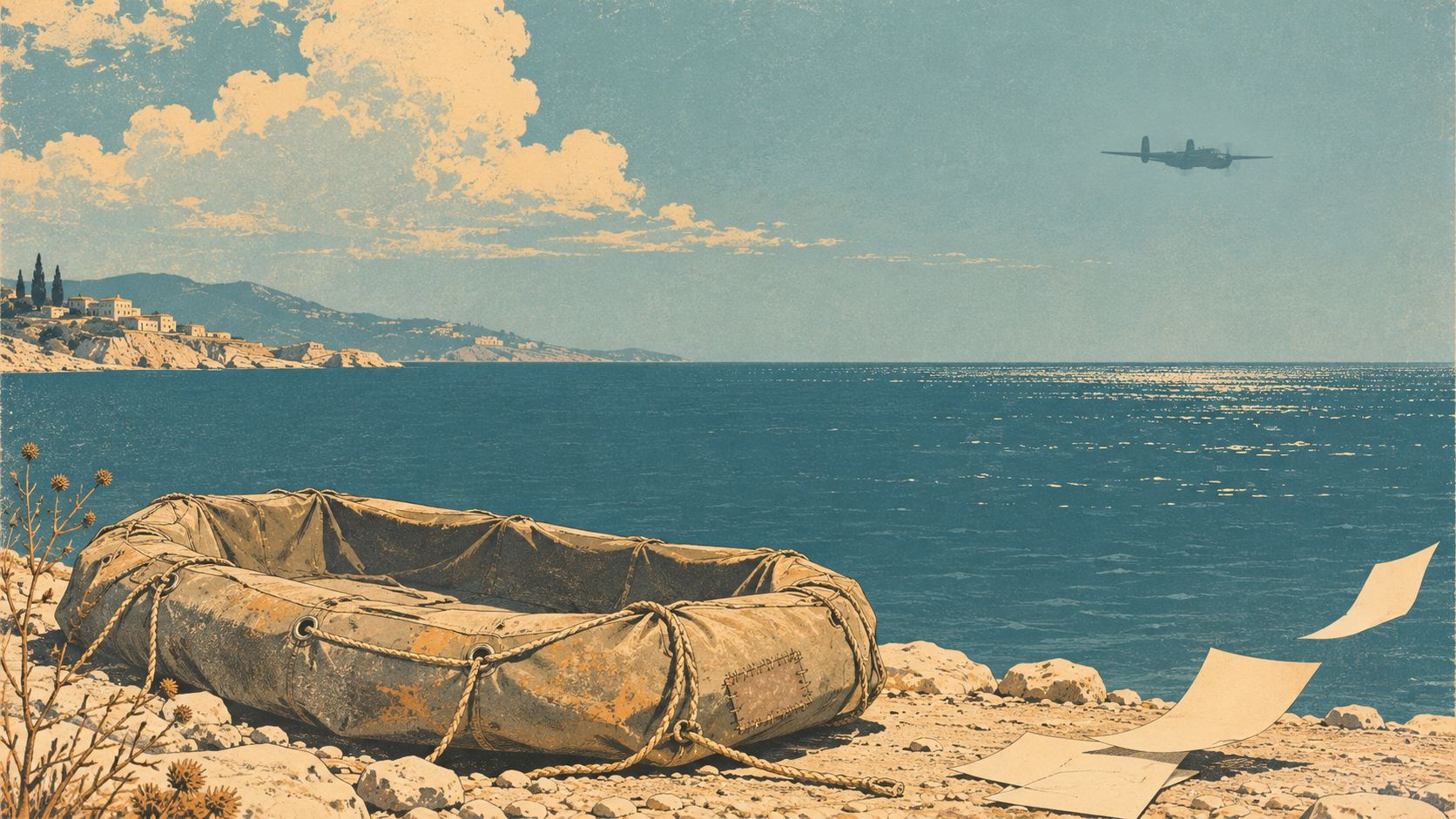
Yossarian wants a doctor to ground him. Unfortunately, asking to come down may be the sanest thing an airman can do. Joseph Heller builds a whole posting on Pianosa out of that difficulty. Follow the rising mission quota, Milo’s profitable loyalties and the memories of a wounded crewman that give Yossarian’s final decision its urgency.
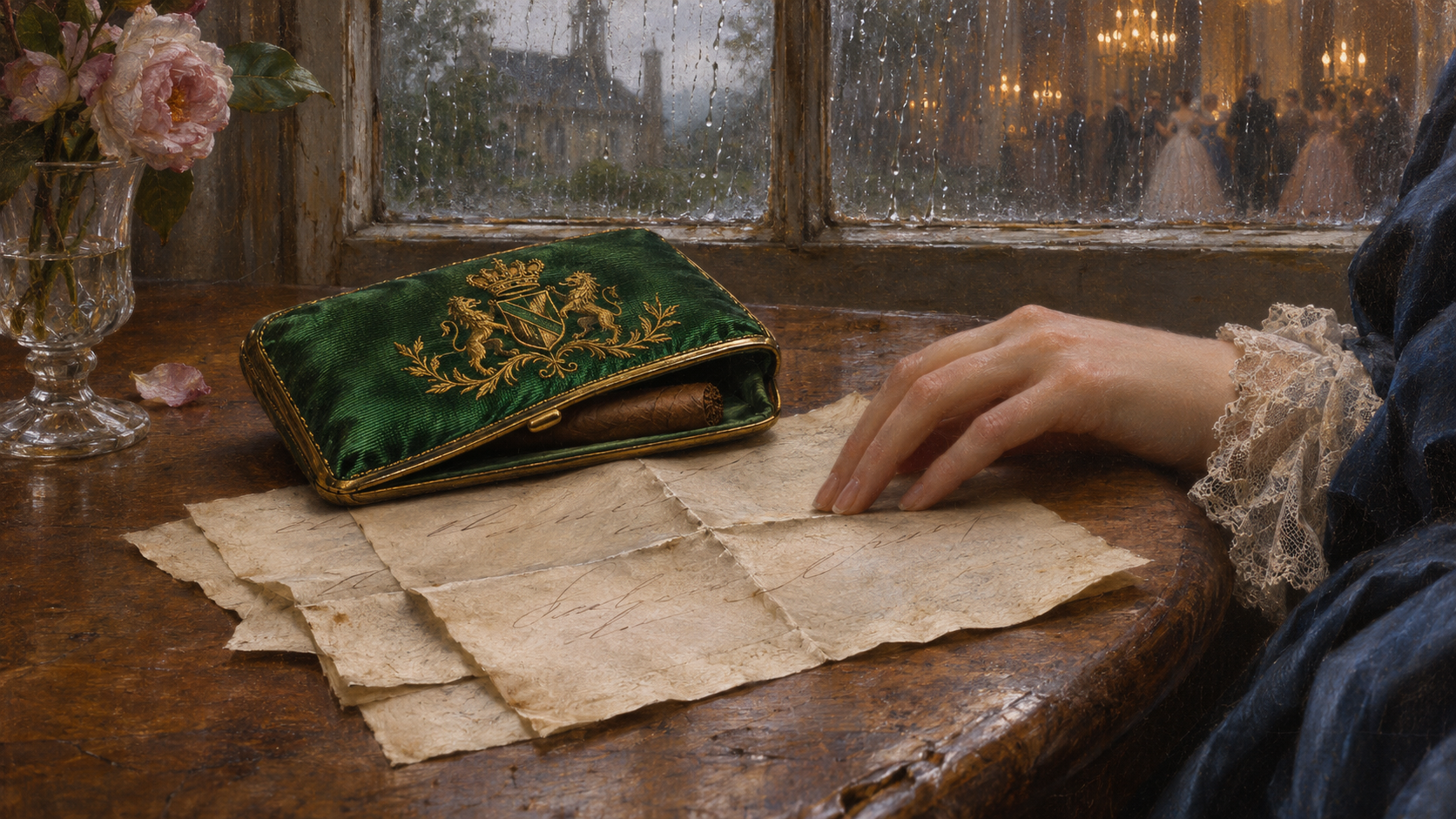
Charles Bovary brings home a cigar case found on the road. Emma turns it into an imaginary life in Paris. Flaubert builds a marriage out of differences this small before introducing the lovers, the merchant and the signatures that put the family home at risk. Follow Emma’s story through the final chapters, where her daughter Berthe and the pharmacist Homais give the ending its sting.

A Moscow editor wants a poem proving that Jesus never existed. The stranger on the next bench claims to have been there when Pontius Pilate questioned him. Mikhail Bulgakov draws a poet, a vanished novelist and a woman searching for her lover into the dispute. This guide follows both timelines through the devil’s theatre show, Margarita’s bargain and the last conversation on the moonlit road.

A barbershop quartet performs at Billy Pilgrim’s wedding anniversary, and the sight of four men singing takes him back to Dresden. Kurt Vonnegut’s Slaughterhouse-Five turns on connections as unlikely and precise as this one. Follow Billy from a prison train to suburban Ilium and the planet Tralfamadore, where the promise that every moment lasts forever carries a troubling cost.
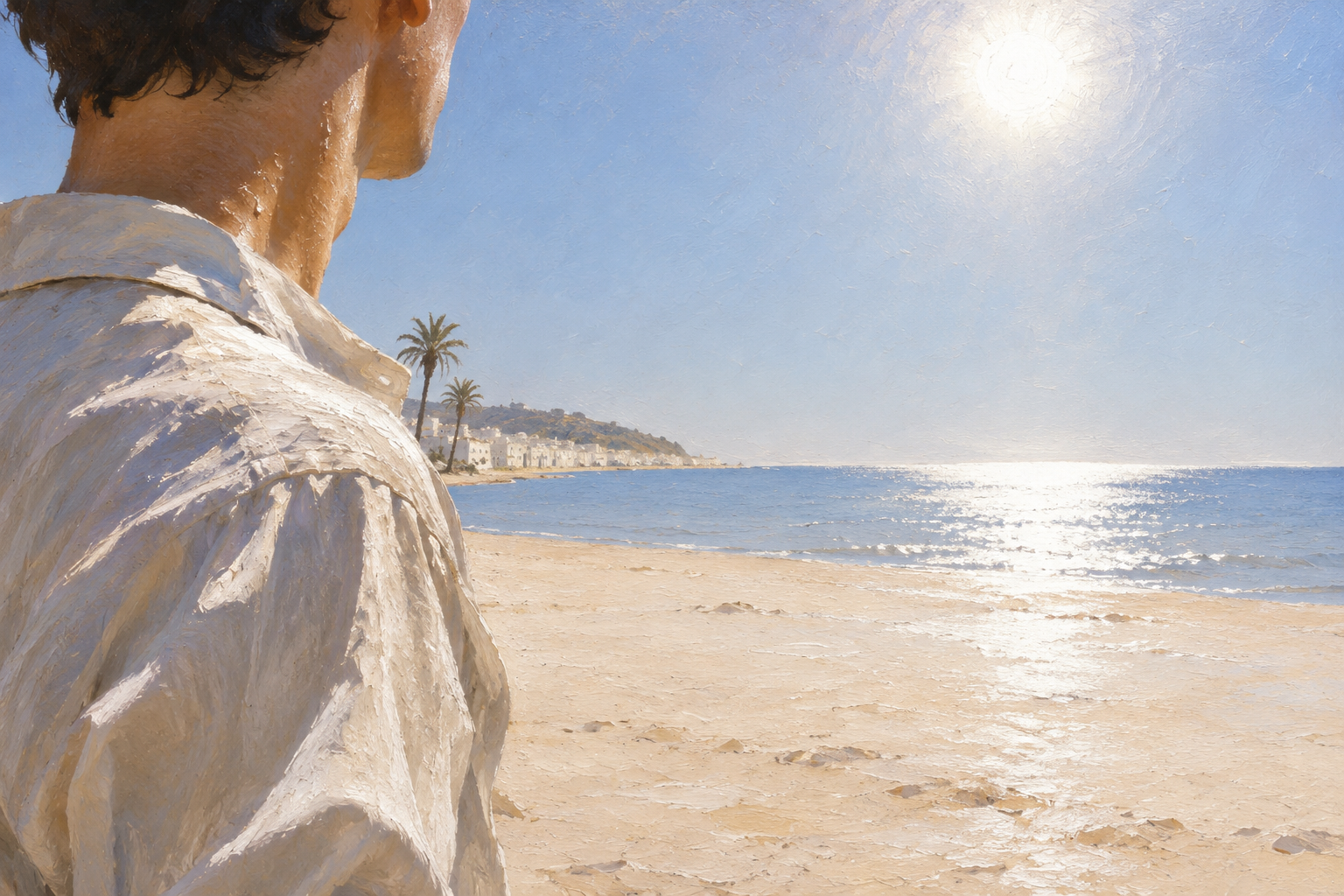
At his mother’s funeral, Meursault accepts a coffee. On the witness stand, the man who offered it must explain why he watched him drink it. Albert Camus builds The Stranger around that change of perspective. Follow the letter Meursault writes for a neighbour, the revolver that changes hands on a beach and the trial that turns a private vigil into public evidence.

James Ramsay wants a boat trip. Lily Briscoe wants to know where to place a line on her canvas. Both questions arise during a summer afternoon in the Hebrides, and both remain open far longer than anyone expects. Follow Virginia Woolf’s novel from the dinner table into the empty house and out across the water, where a father finally finds something worth saying to his son.

Briony Tallis sees her sister step into a fountain in front of Robbie Turner. What she cannot see from the window is a piece of broken porcelain. Follow Ian McEwan’s novel from one summer afternoon in 1935 through wartime France and London, where the difference between seeing an event and knowing what it means becomes a debt that lasts a lifetime.
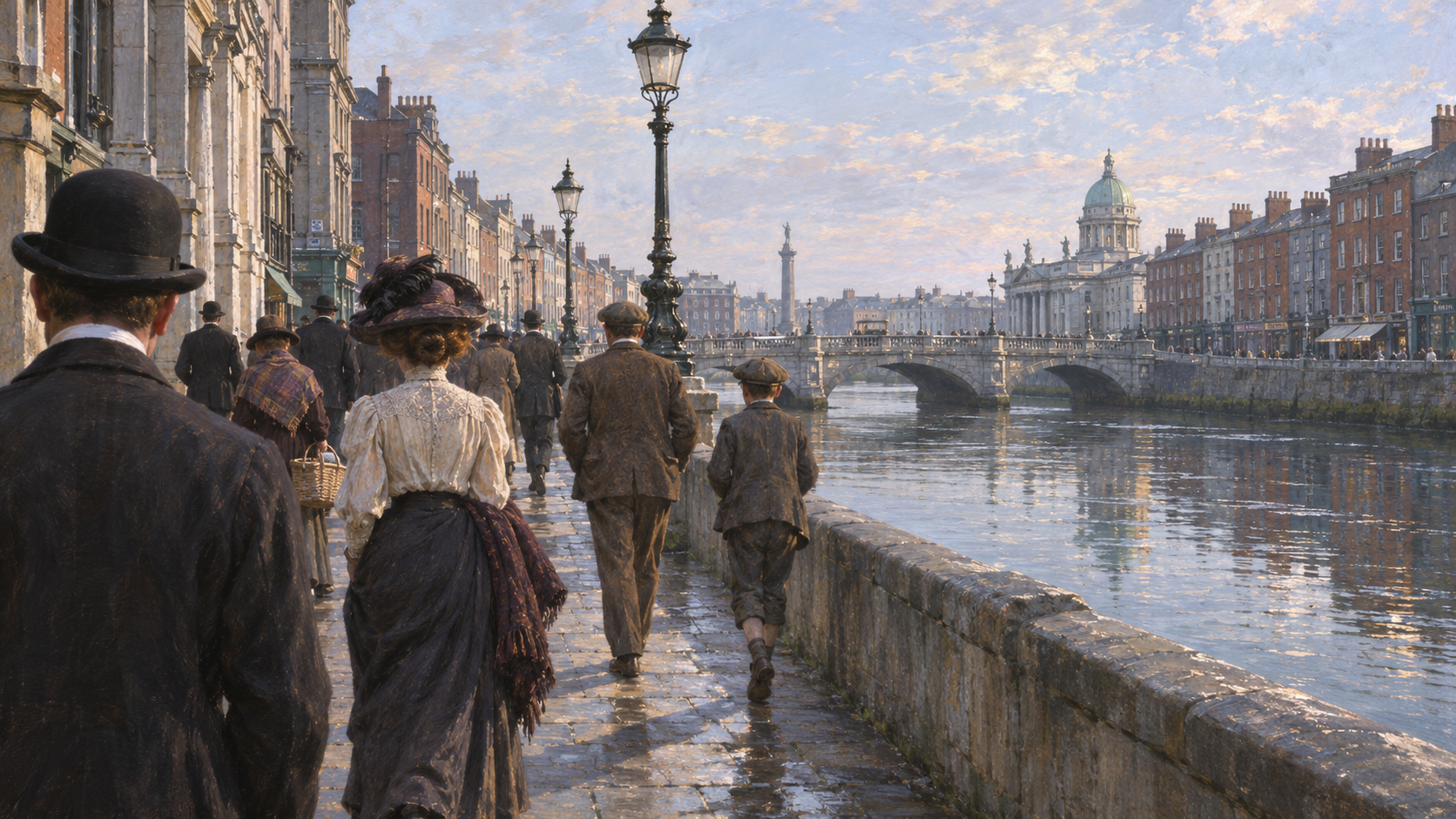
Stephen Dedalus gives up his key. Leopold Bloom forgets his. Across Dublin, their paths keep almost meeting while Molly Bloom waits at home for an afternoon visitor. Follow the events of 16 June 1904 from breakfast by the sea to cocoa after midnight, and discover why the same kiss returns twice in two very different memories.

Gregor Samsa has missed a train, his employer has sent someone to investigate and his bedroom door is locked. Before his family even sees what has happened to him, a problem with his voice changes everything. Follow Kafka’s novella from that first morning to Grete’s violin performance and the final tram journey beyond the Samsas’ flat.
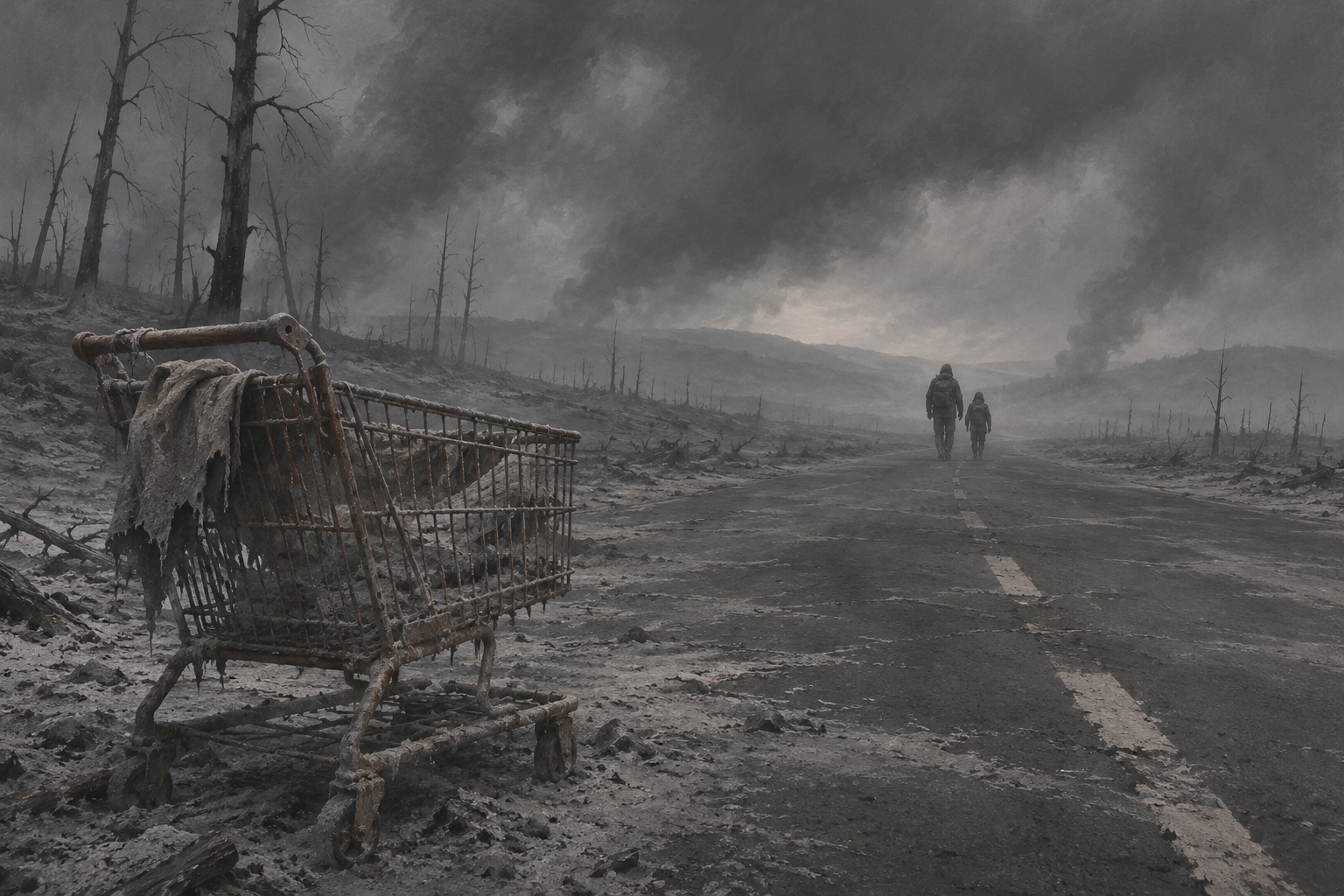
The father remembers a blue sea. His son has only a map and his father’s word for what they might find. Follow the pair south through Cormac McCarthy’s The Road, where sharing a drink, feeding a stranger and deciding what a thief deserves slowly give the boy his own understanding of what it means to carry the fire.
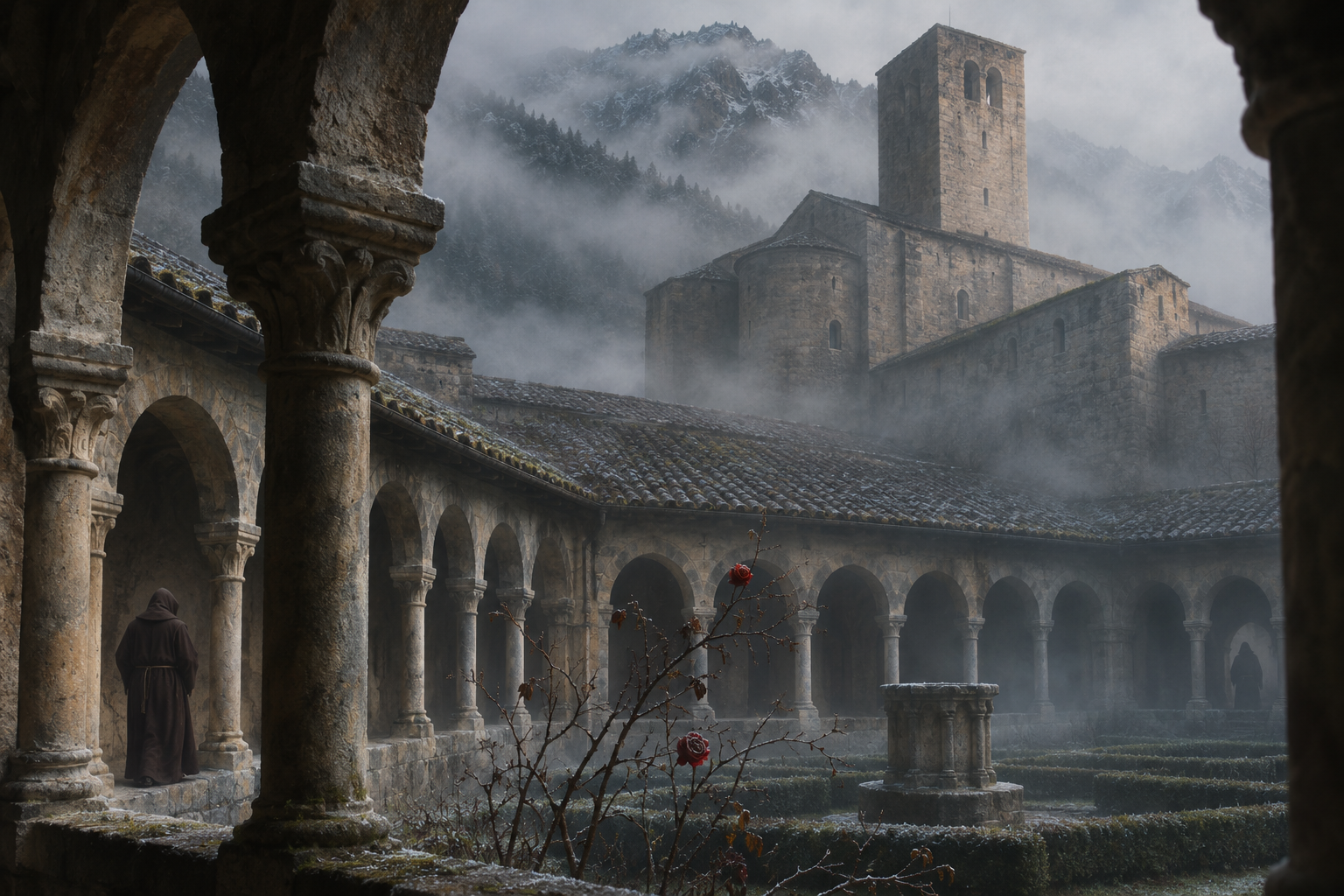
William of Baskerville can identify a missing horse from its tracks. At an Italian abbey in 1327, the evidence proves less obliging. Follow William and his young companion Adso through the monks’ workshop, a disputed confession and a library built to keep its own readers out. One word above a mirror changes the investigation; another, remembered decades later, gives the novel its title.

A handbill promises work in California. What it leaves out is how many other families have received the same invitation. Follow Tom, Ma and Rose of Sharon from an empty Oklahoma farmhouse to the orchards, camps and railway sidings of the West. The price paid for a box of peaches helps explain why Steinbeck chooses to end the novel in a barn.

Anna Karenina comes to Moscow to help her brother repair his marriage. At a ball, one look between Anna and a cavalry officer tells a young woman that her own future has changed. Follow the affair between Anna and Vronsky alongside Levin and Kitty’s courtship, and discover why Tolstoy leaves his most difficult question for the household that seems happiest.
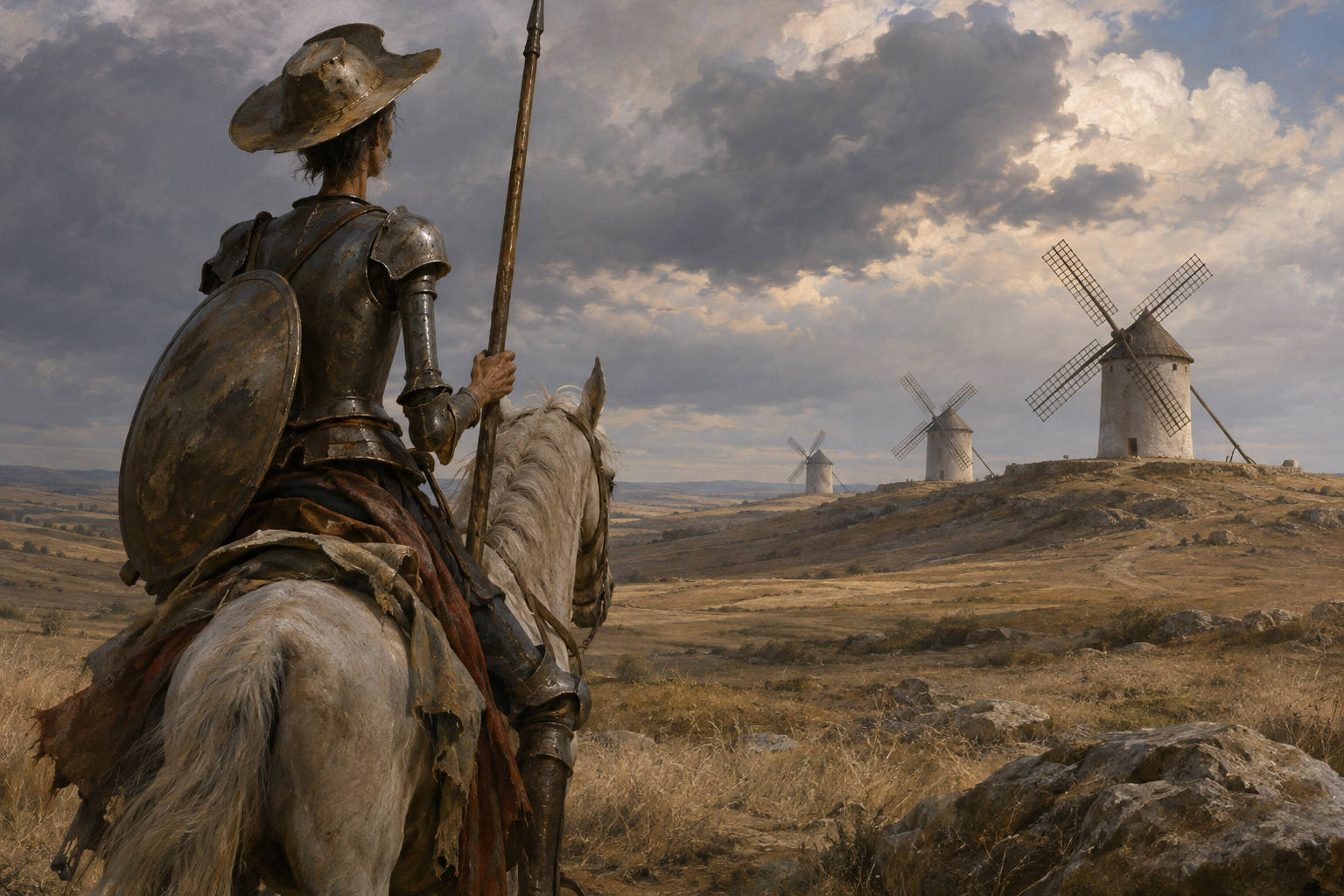
Most people know what Don Quixote sees when he looks at a windmill. The stranger question comes later, when Sancho Panza invents an enchantment and his master sees the world quite clearly. Follow both parts of Cervantes’ novel through the disputed rescues, Sancho’s island and the rival book that sends the travellers down an entirely different road.

Pierre Bezukhov inherits a fortune he barely knows how to use. Prince Andrei goes to war hoping for a moment of glory. Natasha Rostova wants someone to ask her to dance. Follow their lives through Austerlitz, Borodino and the evacuation of Moscow to see why Tolstoy gives a family’s decision about its luggage as much attention as an emperor’s orders.
Book Summaries & Key Ideas
Detailed book summaries, reviews and analysis exploring key ideas, plots, endings, characters, themes and lessons from bestselling fiction and non-fiction books.
Johnny Depp’s Ebenezer lets us meet Jacob Marley alive and gives Belle a life Scrooge can discover in a bookshop. Its boldest changes concern money. A new fate for Fezziwig complicates the case for generosity, while an offer to Bob Cratchit alters what redemption means on the first working day after Christmas.
Don Draper can make a roomful of strangers miss their families while finding reasons to stay away from his own. From the Kodak Carousel to his final conversation with Sally, his choices reveal what he wants from love, what a modern psychologist might recognise and how much his last smile can tell us.
A car pauses in a swamp. A former housekeeper rings the bell. A patient remembers something he should have forgotten. These 15 films turned small details into some of cinema’s biggest shocks. Our countdown examines the scenes that earned each twist its place, with a spoiler warning before the first reveal.
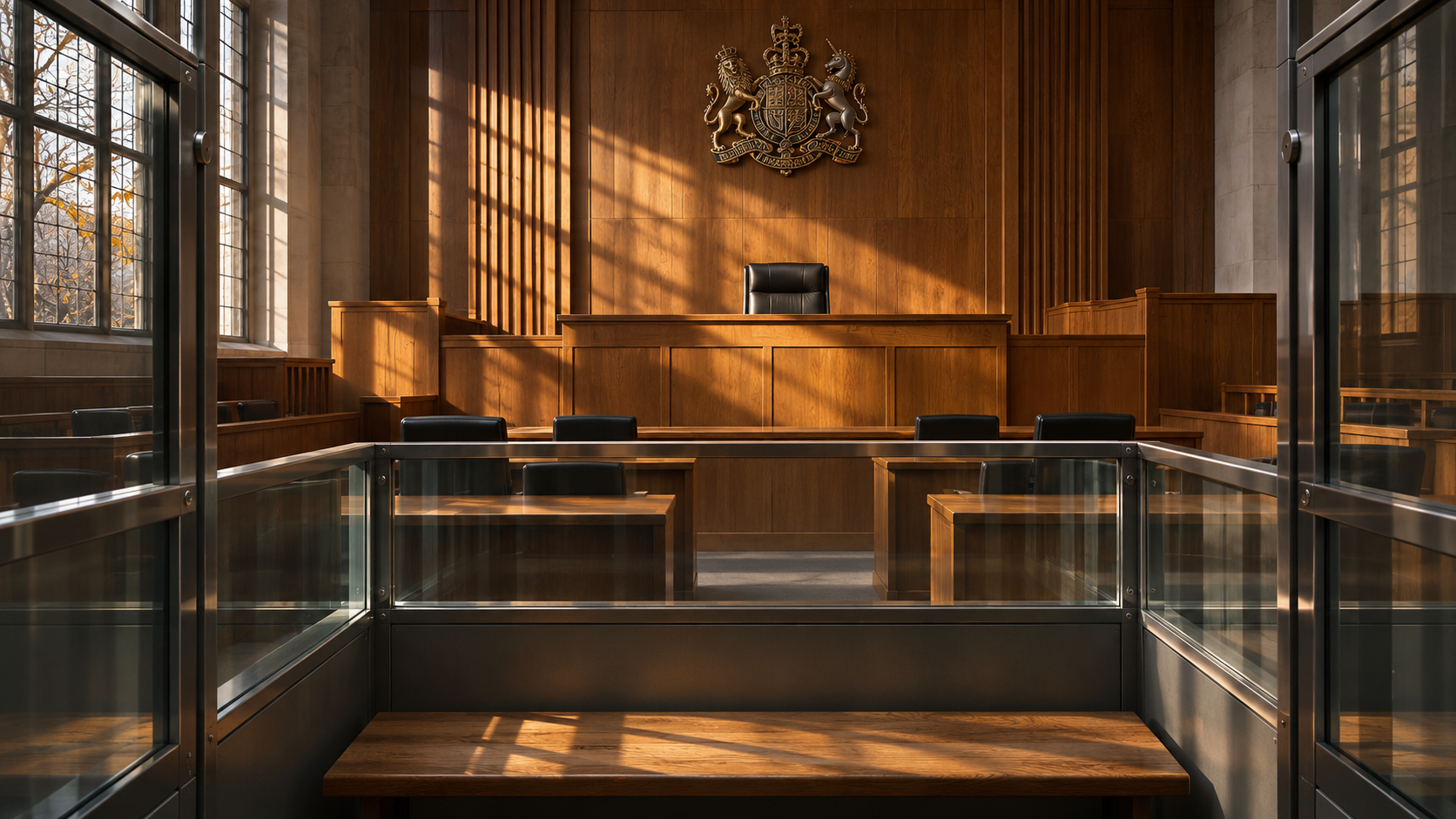
In the finale of Better Call Saul, Jimmy McGill does something a gifted defence lawyer would advise a client to think about very carefully. He talks. He knows the prosecution's weaknesses, has exploited the risk of a juror believing his account and has extracted a remarkably favourable deal. When he finally speaks in court, he understands what each damaging sentence might cost him.

Warden Norton controls the prison. Andy Dufresne understands the accounts. For years those two facts seem to describe the balance of power between them. The warden supplies the illicit proceeds and the threat of violence. Andy supplies the financial ingenuity that gives the money somewhere to go. By the time either man leaves Shawshank, the important question is whose identity the bank has on file.

Cooper could take a watch into the shallows, raise his wrist after sixty minutes and find that precisely an hour had passed. His pulse, his thoughts and the motion of his companions would agree. The shock comes when he compares his experience with that of someone who stayed farther from Gargantua. Both clocks can work perfectly and still record radically different elapsed times.


Before China tested a long-range missile over the Pacific in 2024, it warned Washington and Moscow. Making those warnings routine is one option for Trump, Xi and Putin in Shenzhen. Cutting warheads presents a harder bargain. How do you set one limit for three countries when the American nuclear stockpile alone is roughly six times the size of China’s?
Jordan’s decision to block Telegram reaches both public channels with large audiences and private chats between relatives. Officials cited threats ranging from extortion to extremist material. Their announcement came one day after three men were sentenced over a deadly church attack, raising a question the timing alone cannot answer. Did authorities connect the app to the attack?
Autonomous weapons can select a target after a person activates them. Seven governments want Geneva to launch treaty negotiations, while Washington favours voluntary guidance. The case of a soldier who surrenders shows why the choice matters, even if the technology becomes far more accurate.
Britain and France have set 4 December for talks on Russia’s shadow fleet. A recent Mediterranean boarding exposed a tanker sailing under a false flag, yet almost half the Russian oil carried by the fleet in October travelled under Russia’s own colours. That shift changes what European governments can realistically achieve at sea.
What would a better Brexit change for Britain? Andy Burnham’s three tests face Kemi Badenoch’s challenge over food exports, fishing rights and youth mobility.
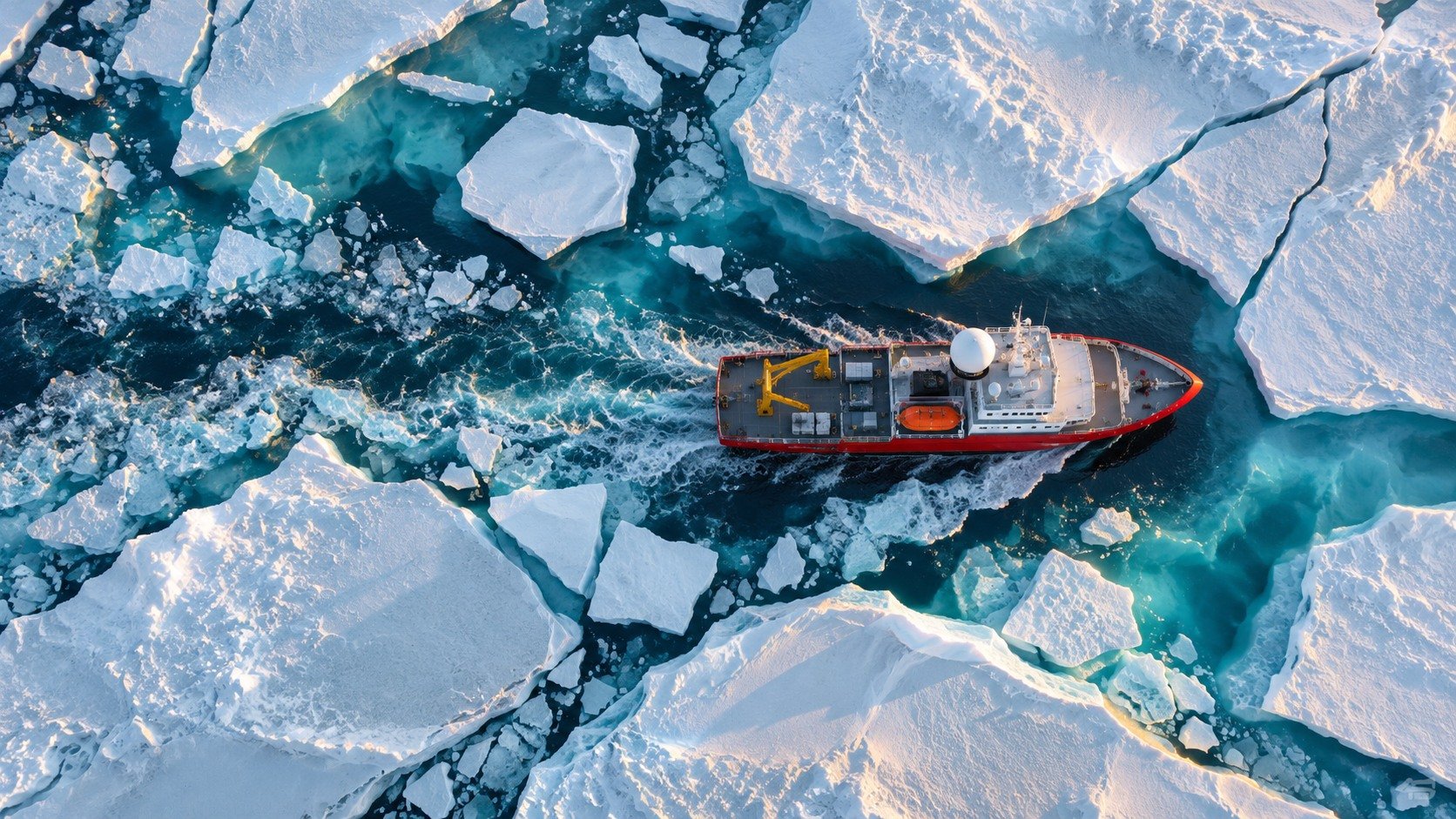
Stand at ninety degrees north and every direction on a flat map becomes south. Under your boots there may be floating ice. Beneath the ice lies seawater, and thousands of metres below that lies seabed. Asking which country owns the North Pole sounds like a question about a single spot. International law gives different answers depending on how far down you look.

HALO jumps allow specially trained soldiers to descend from extraordinary altitudes into remote or hostile territory. But why keep the parachute closed for so long, and what makes these operations dangerous? Explore the history of military freefall, the differences between HALO and HAHO, genuine special forces operations and Tom Cruise's remarkable Mission: Impossible stunt.
Trump says one of his meetings in Shenzhen will be with Xi Jinping and Vladimir Putin. The Kremlin says work is under way; Beijing says only that it is in communication. Here is what APEC is, who is going, what each side has said and what would be on the table.
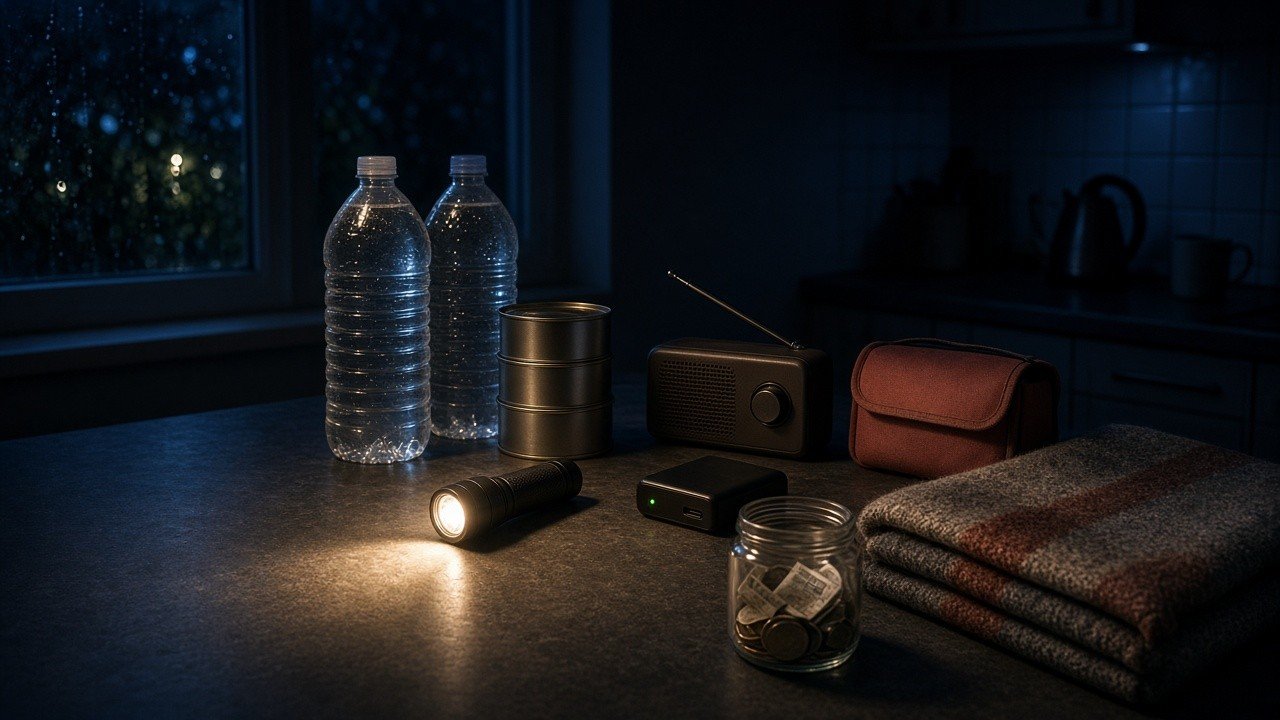
The government's Be Ready campaign asks every household to keep three days of water, food and essentials. Here is why it launched, what is on the official checklist, how shoppers responded, why 29% say money stops them preparing, how Britain compares with Sweden and Norway, and what the list leaves out.
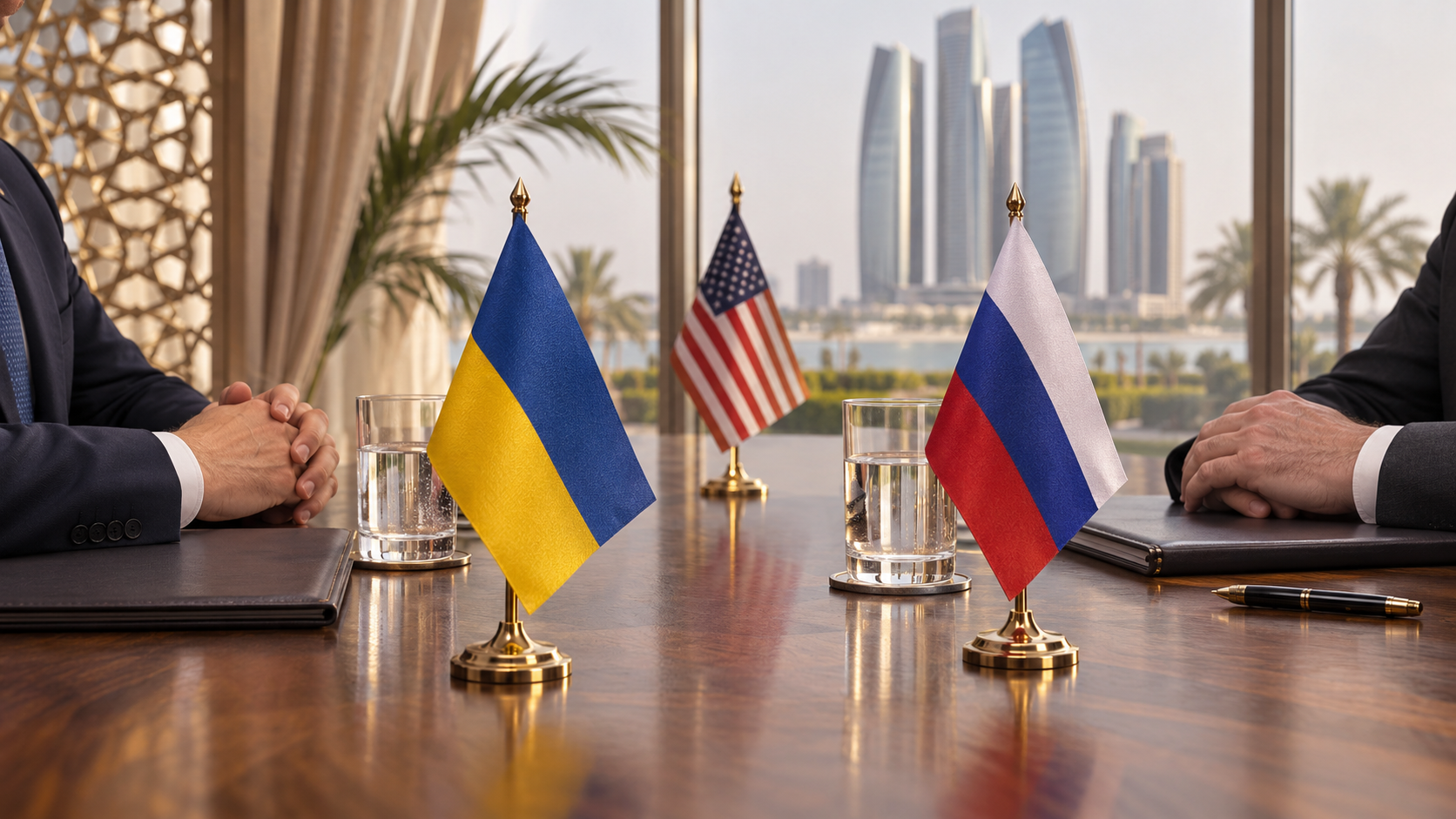
Russia and Ukraine have completed the opening session of US-mediated negotiations in Abu Dhabi. The delegations expect to meet again on Wednesday. Their competing demands reveal why even the first step is difficult: Kyiv wants the fighting paused while talks continue, while Moscow wants terms that would change where Ukrainian troops can stand.
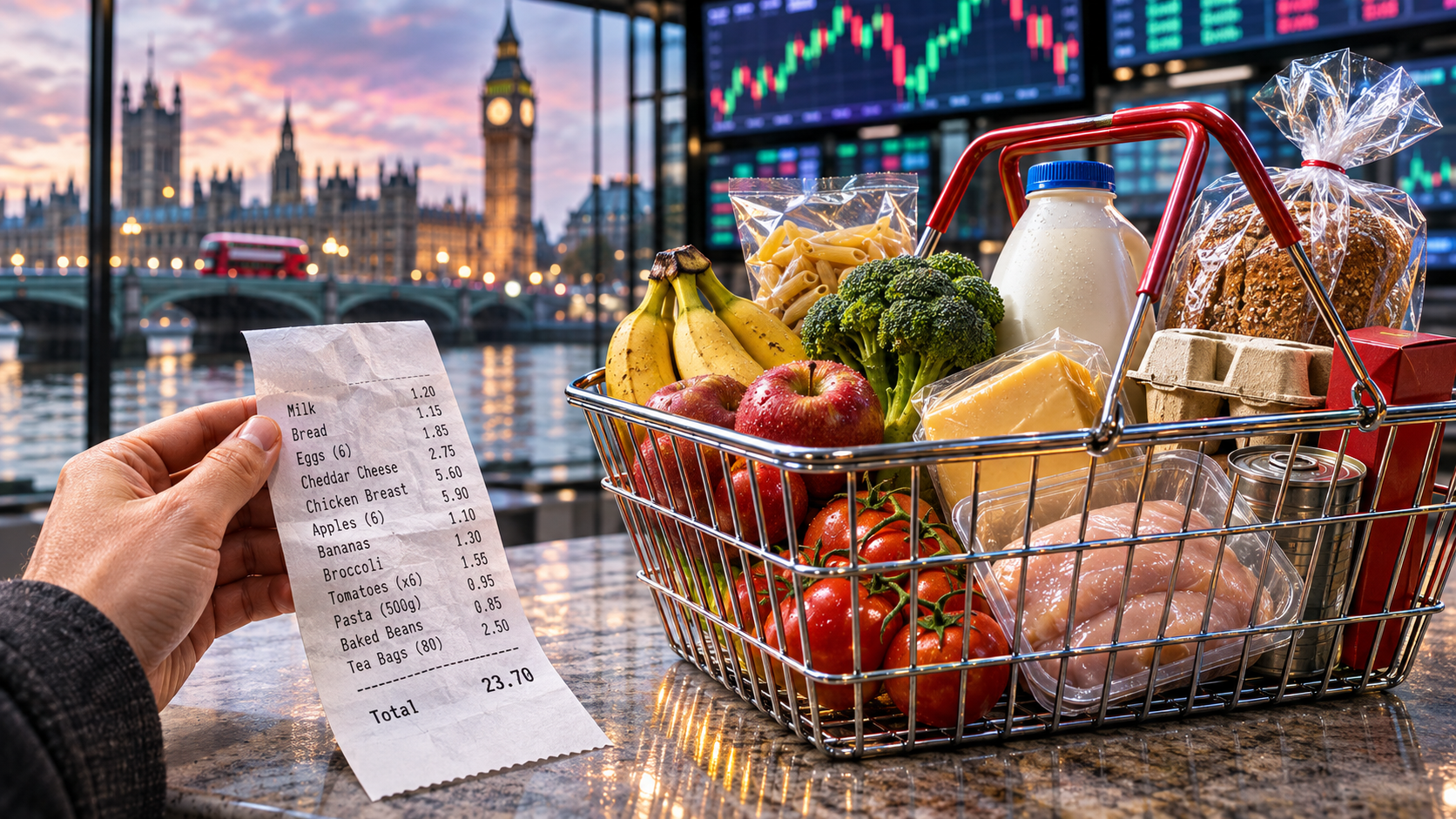
A stock index rises on the same morning the till receipt gets longer. Which one is telling the truth about the economy? Both can be measured correctly because the stock market, the household and even a pension fund hold different things in different proportions. Four imaginary companies make it possible to work through the entire index movement without a spreadsheet.
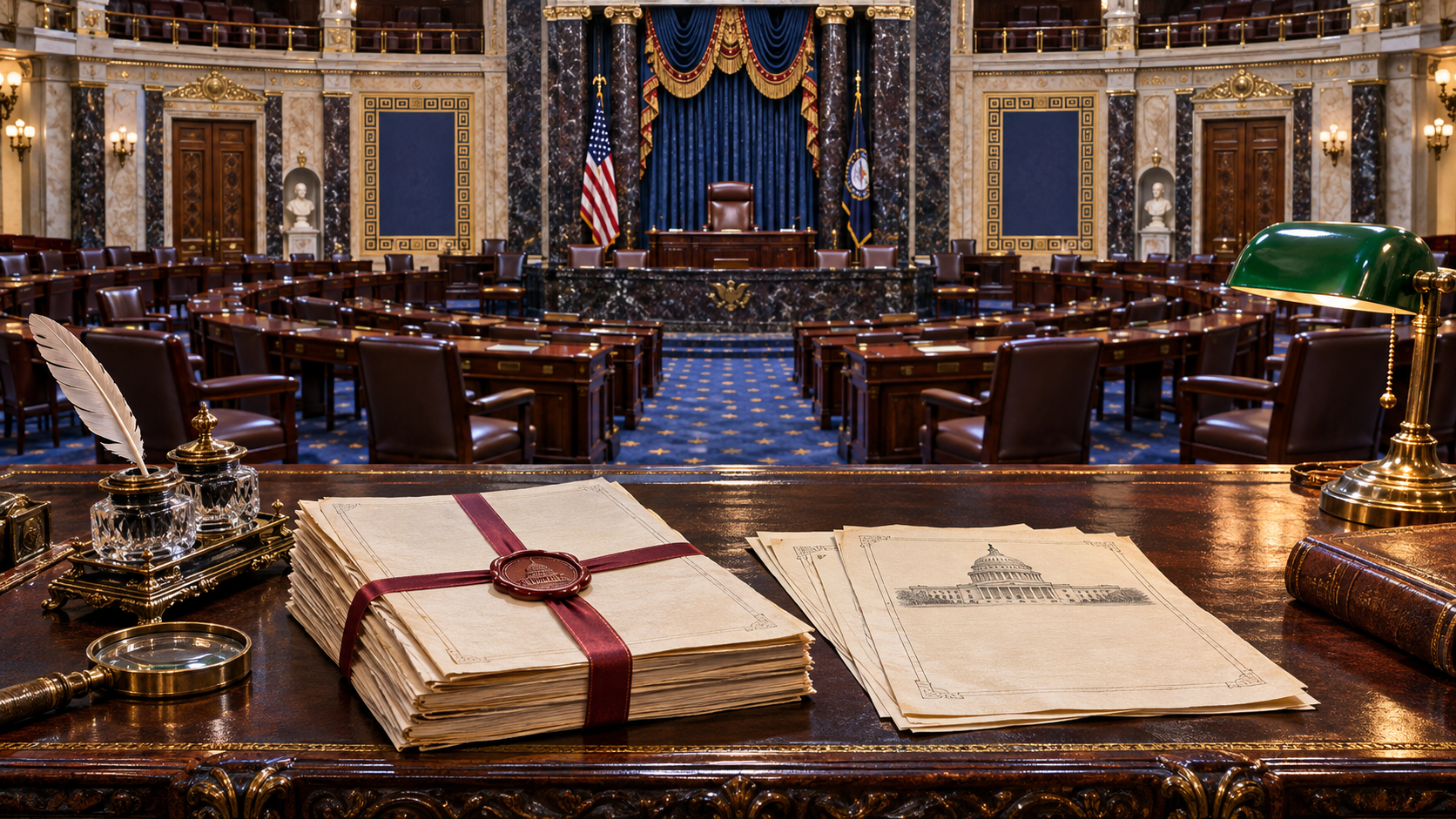
If the US House voted to impeach a defence secretary, who would be in charge at the Pentagon the next morning? The answer depends on the motion that actually passed and what happens in a different chamber afterwards. This episode follows Thomas Massie’s November 2026 initiative concerning Pete Hegseth through the constitutional questions it raises.
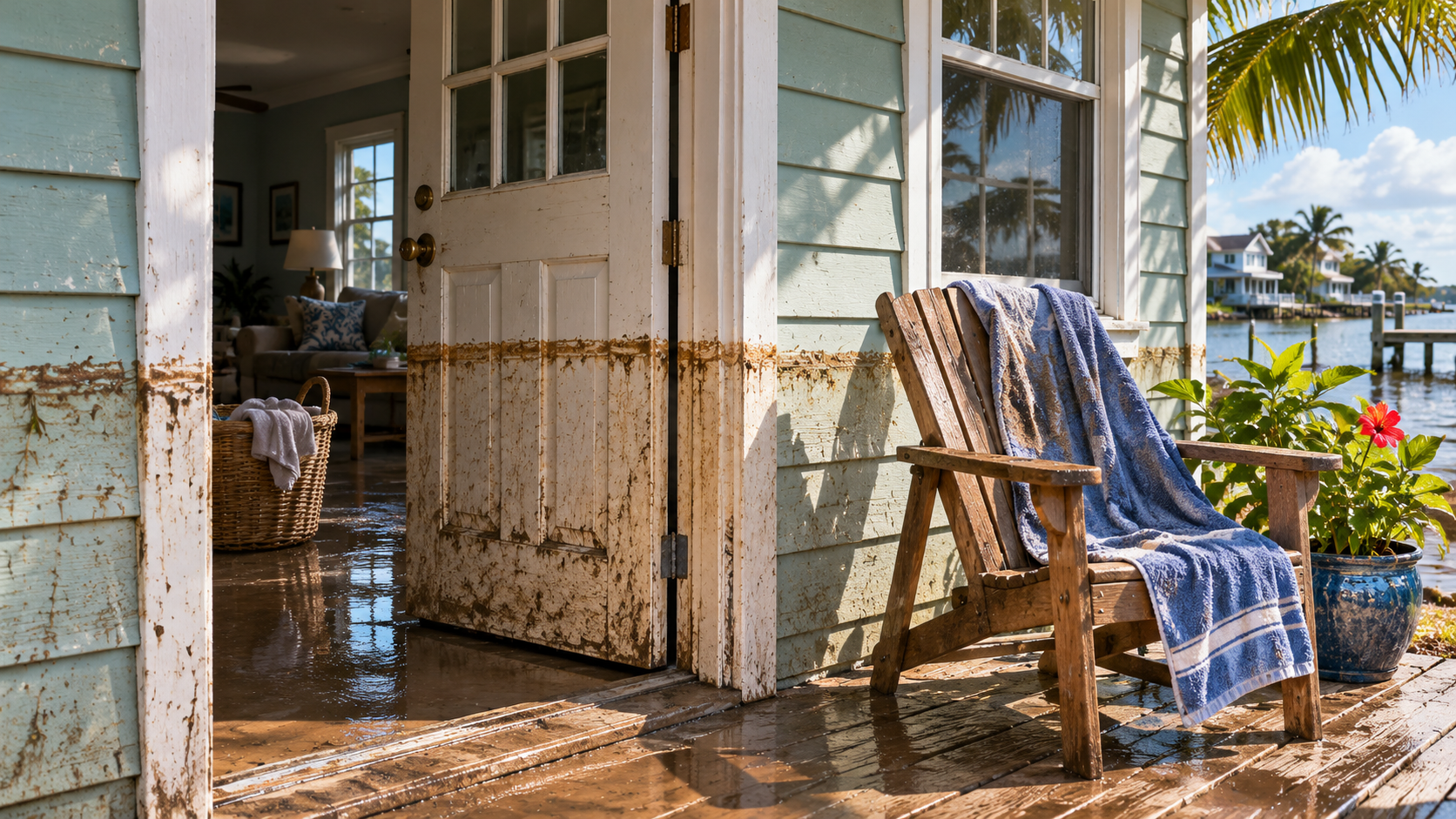
A family returns after a flood to a house with a waterline on the wall and no safe water coming from the tap. When governments promise international loss and damage funding, what has to happen before that promise changes life on this street? Follow an illustrative request from a national programme through approval, delivery and the choices that determine who gets help.
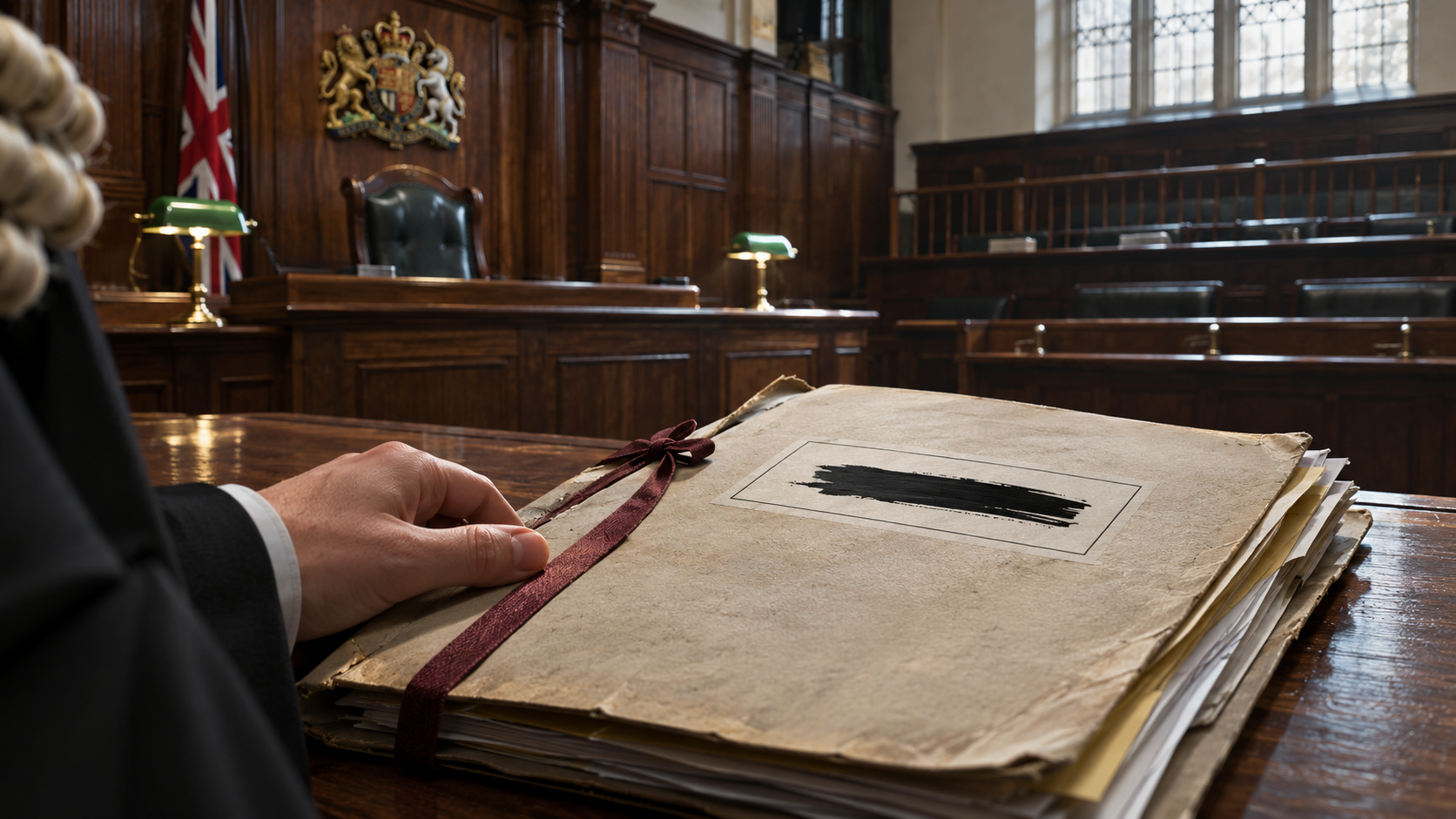
A court reporter can hear a name in an open courtroom and still have a legal obligation to leave it out of a report. How can the public scrutinise a prosecution under those conditions? This episode follows a case in England and Wales from the making of an allegation to the point at which a jury returns its verdict.
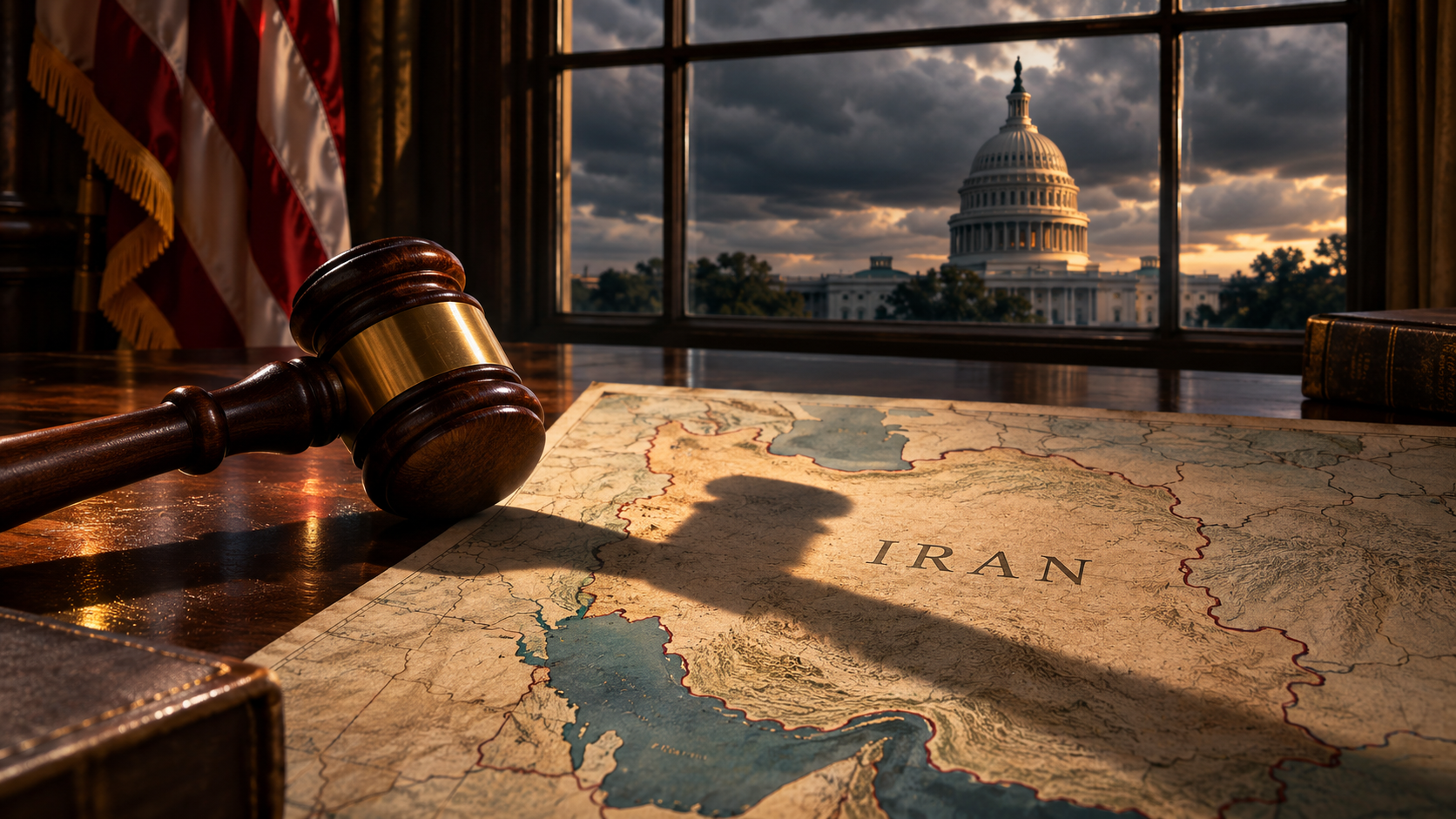
Pete Hegseth faces a renewed impeachment push from Kentucky Republican Thomas Massie over the Iran war. At the centre of the case is a deadline written into US law more than 50 years ago. Congress must now confront two questions about the campaign’s authority and the defence secretary’s responsibility for the orders he carried out.
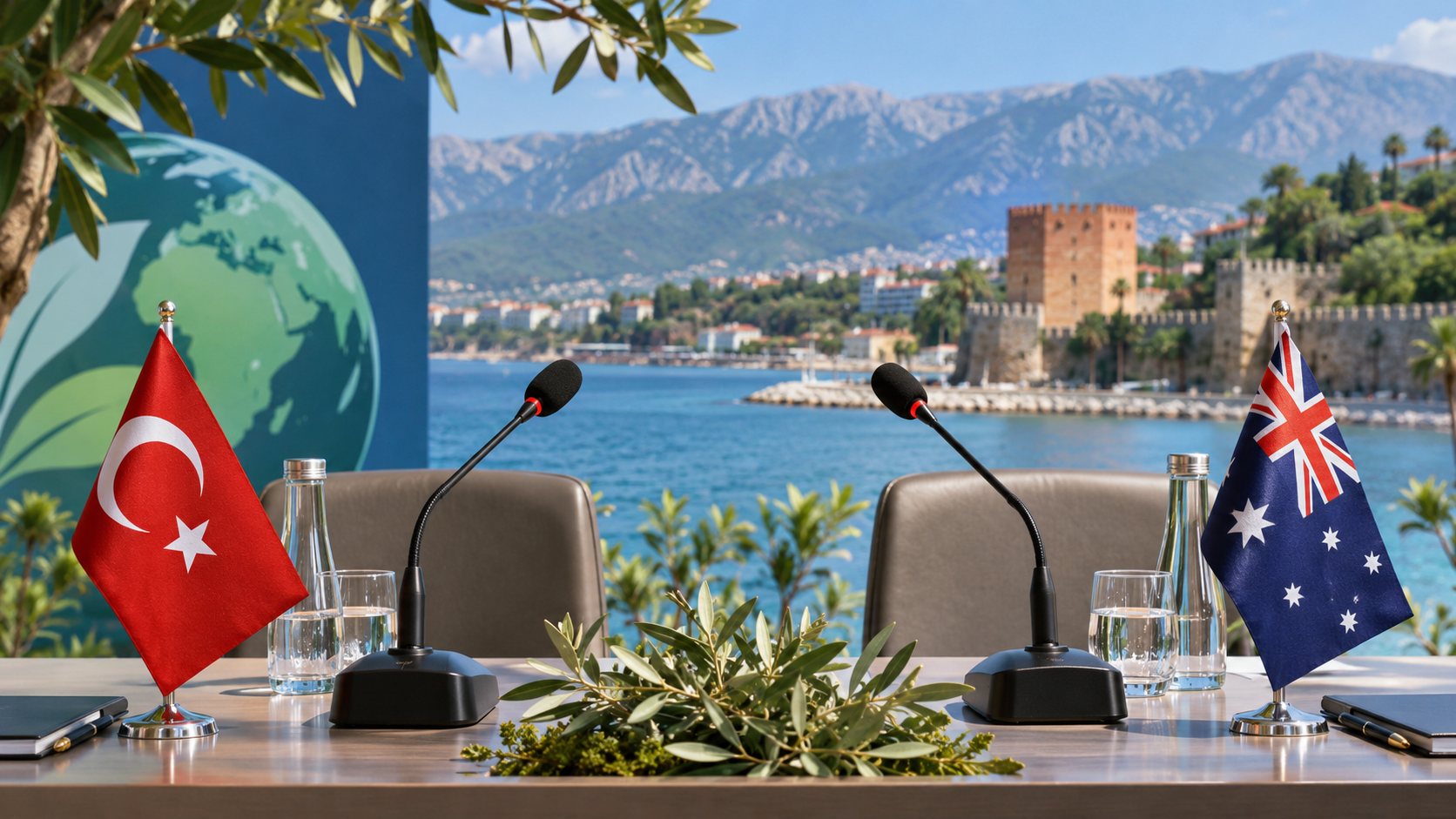
One country hosts the climate summit while another leads the talks. The agreement behind COP31 explains who chairs the room and who can broker a deal.
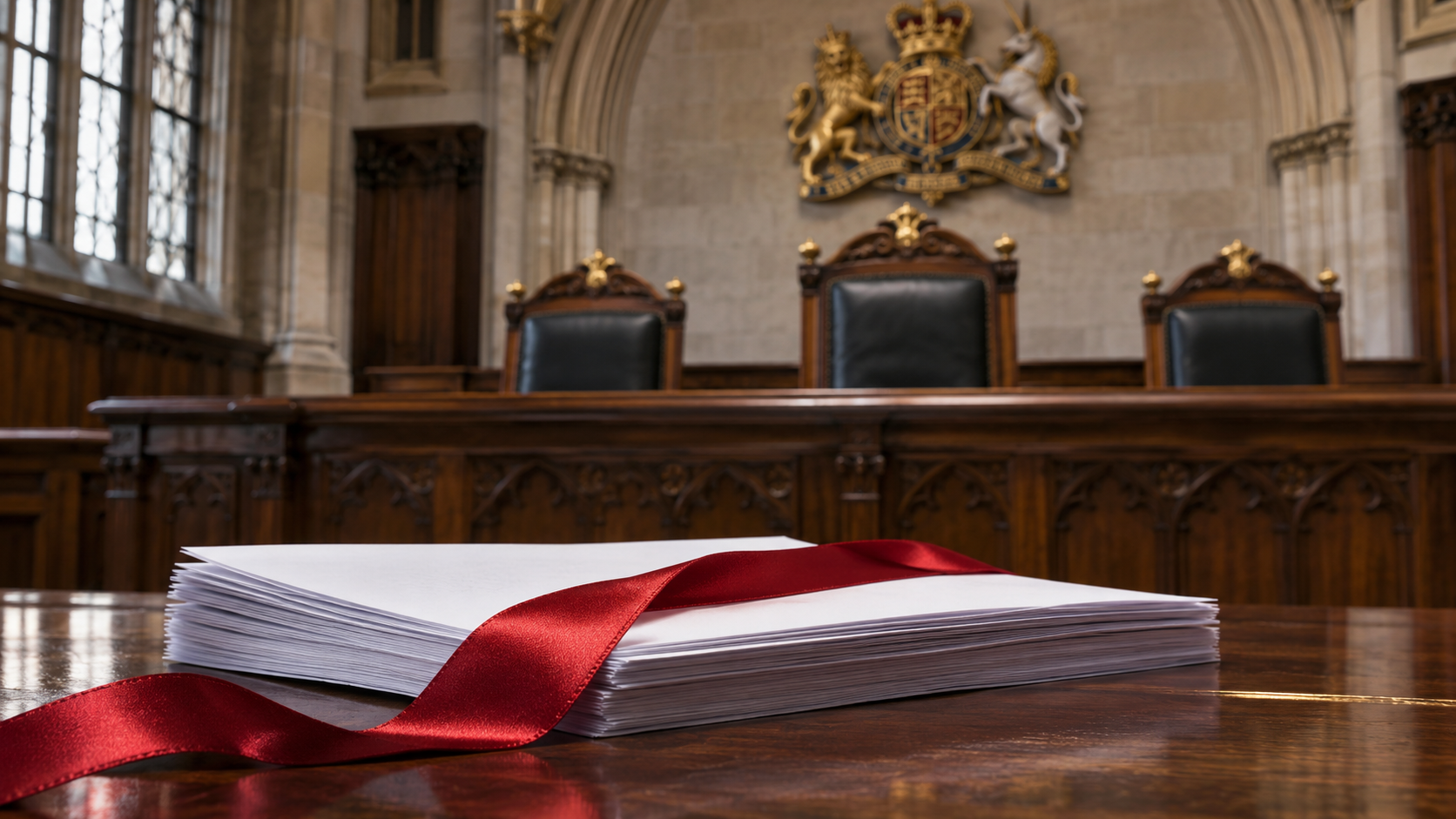
Anyone can ask for certain Crown Court sentences to be reviewed. Here is who decides, how the 28-day deadline works and what the appeal judges consider. An increase requires several further decisions. The sentence must fall within the scheme. A Law Officer must consider there is a proper basis for referring it. The Court of Appeal must grant permission and decide whether the original sentence was unduly lenient. Even a referral can end with the original sentence standing. The difference between each of these stages matters when a headline says a sentence is “under review”.

The Wakhan Corridor holds apart frontiers that once worried two empires and gives Afghanistan a high-altitude boundary with China. Viewed from the valley floor, the story looks different. Rivers link communities, passes open seasonally and the ground a government claims offers no guarantee that travellers or goods can get across it.

Andy Burnham has raised Greenland as a possible model for Diego Garcia after US opposition stalled Britain’s treaty with Mauritius. The original agreement already offered the military 99 years on the island. What could a new bargain offer Washington, what would Mauritius be asked to concede, and where would it leave Chagossians hoping to return?
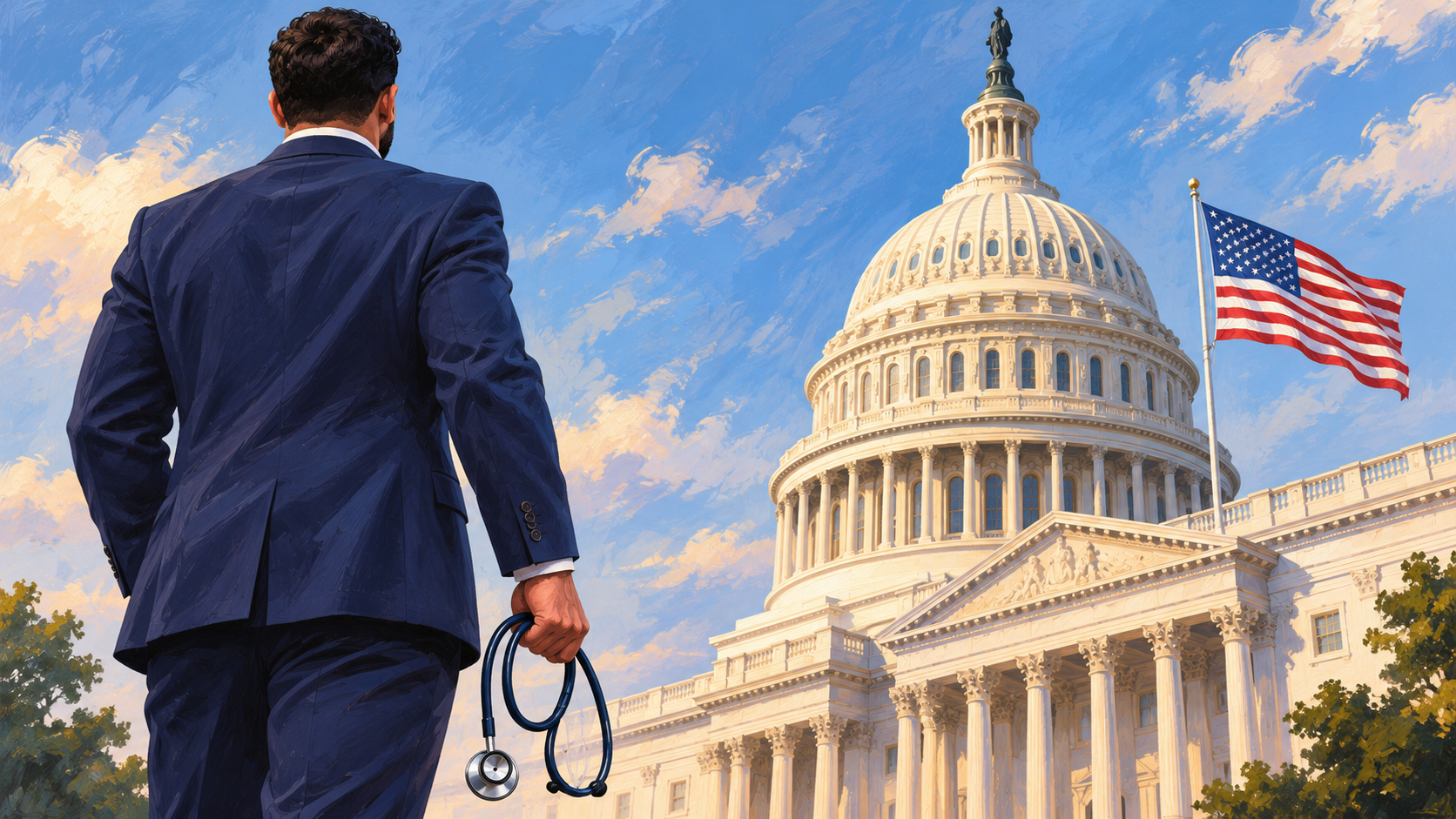
Abdul El-Sayed’s Michigan victory makes him the first Muslim elected to the US Senate. Behind the milestone is a physician and former health director with a progressive economic agenda. This profile explains his background, central policies and the limits of what one election can tell us about the Democrats’ future.
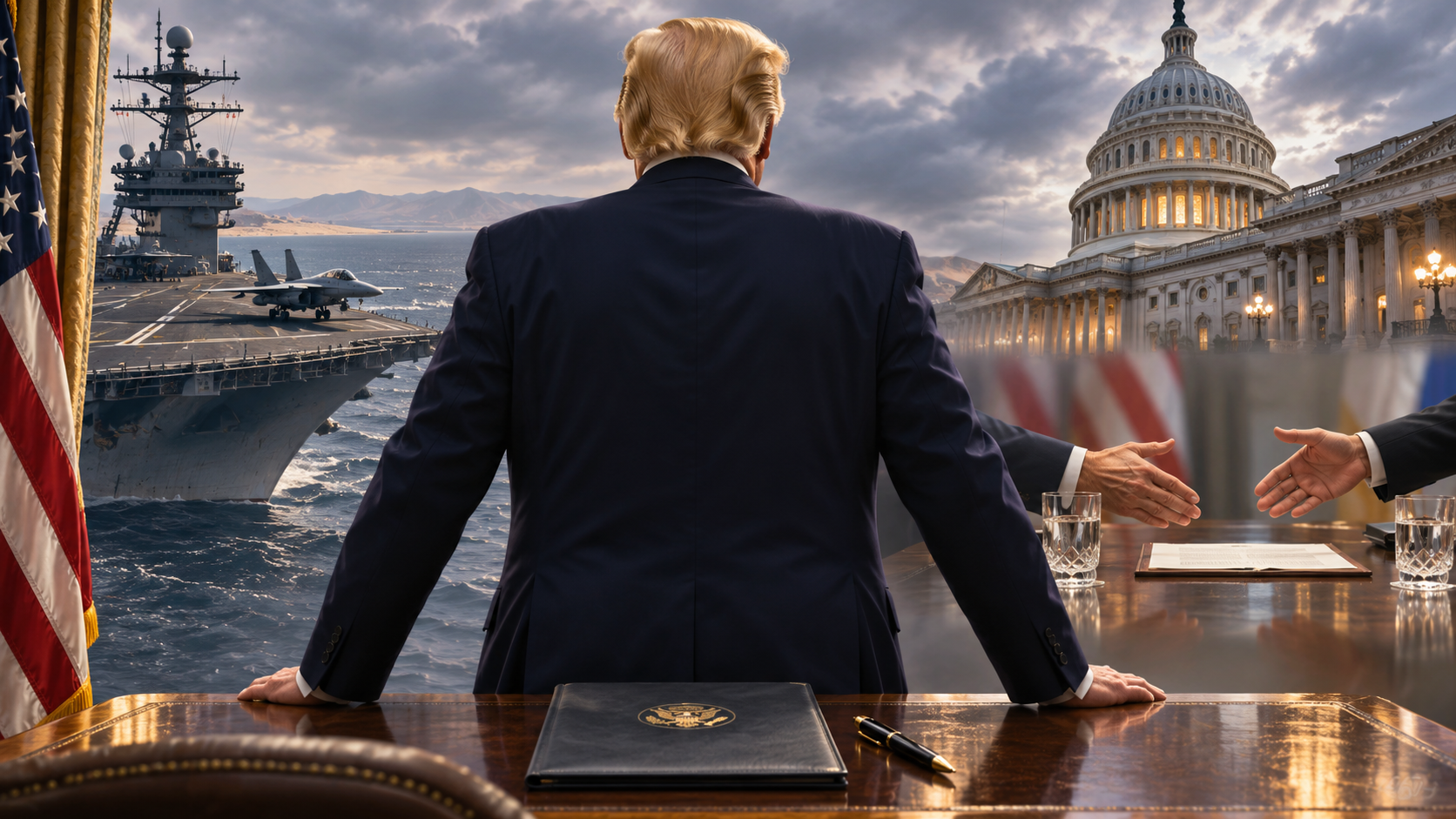
Trump’s midterm defeat leaves an unresolved question over Iran: will the period before a new Congress brings renewed attacks or a diplomatic opening? This analysis distinguishes preparations from decisions, explains the limits of congressional control and uses Nixon, Clinton and Bush to test what history can tell us about the weeks ahead.

Donald Trump could lose congressional support while retaining substantial presidential authority. This analysis separates House and Senate scenarios, examines the latest polling and compares previous midterm defeats. Discover which decisions Democrats could block, why appointments matter, and how funding disputes could shape the remaining two years of Trump’s presidency.

Russian naval activity around Britain involves different missions with different implications. This analysis separates intelligence gathering off Scotland from cargo escorts through the Channel, examines the demands on British surveillance forces and explains why the latest disclosure does not establish an attack on undersea infrastructure.

Iran’s two-day Hormuz proposal offers a shorter implementation timetable, but reopening remains conditional on agreement with Washington. This analysis separates the diplomatic offer from an agreed deal and the practical return of shipping. It explains the reported demands, limited alternative energy routes and the evidence needed before a promise of access becomes reliable commercial passage.

Ukraine and Russia’s emergency app attacks raise urgent questions about civilian warnings and military intent. This analysis separates the reported breaches from speculation, compares the Viasat precedent before the 2022 invasion, and identifies the additional evidence needed to judge whether digital disruption is supporting a new offensive.
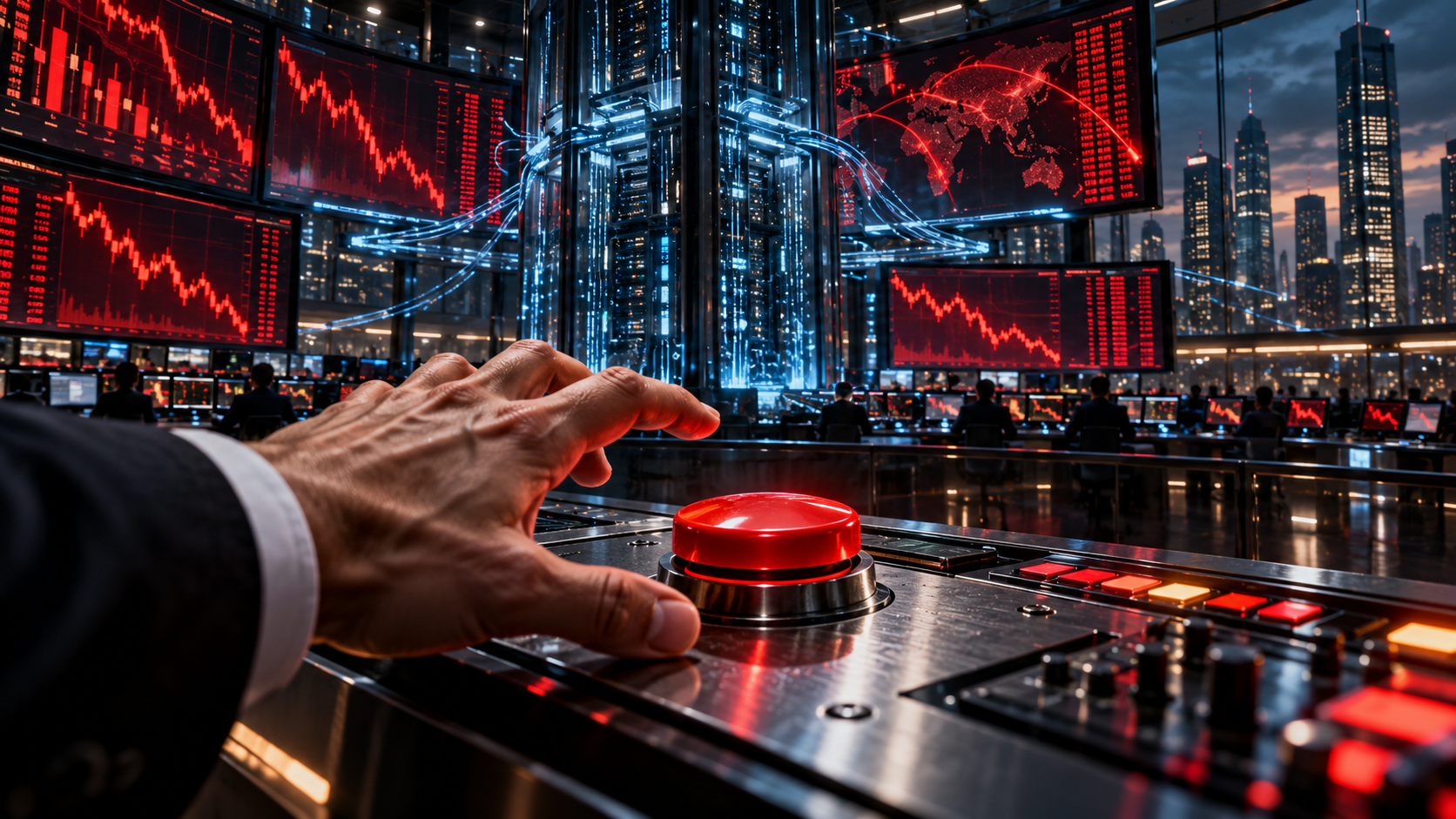
An AI financial crisis would require more than a bad prediction. This analysis follows the route from automated decisions to forced selling, collateral demands and disrupted lending. Drawing on documented failures and regulatory warnings, it explains what kill switches can prevent, what they cannot undo, and how AI might also make markets safer.
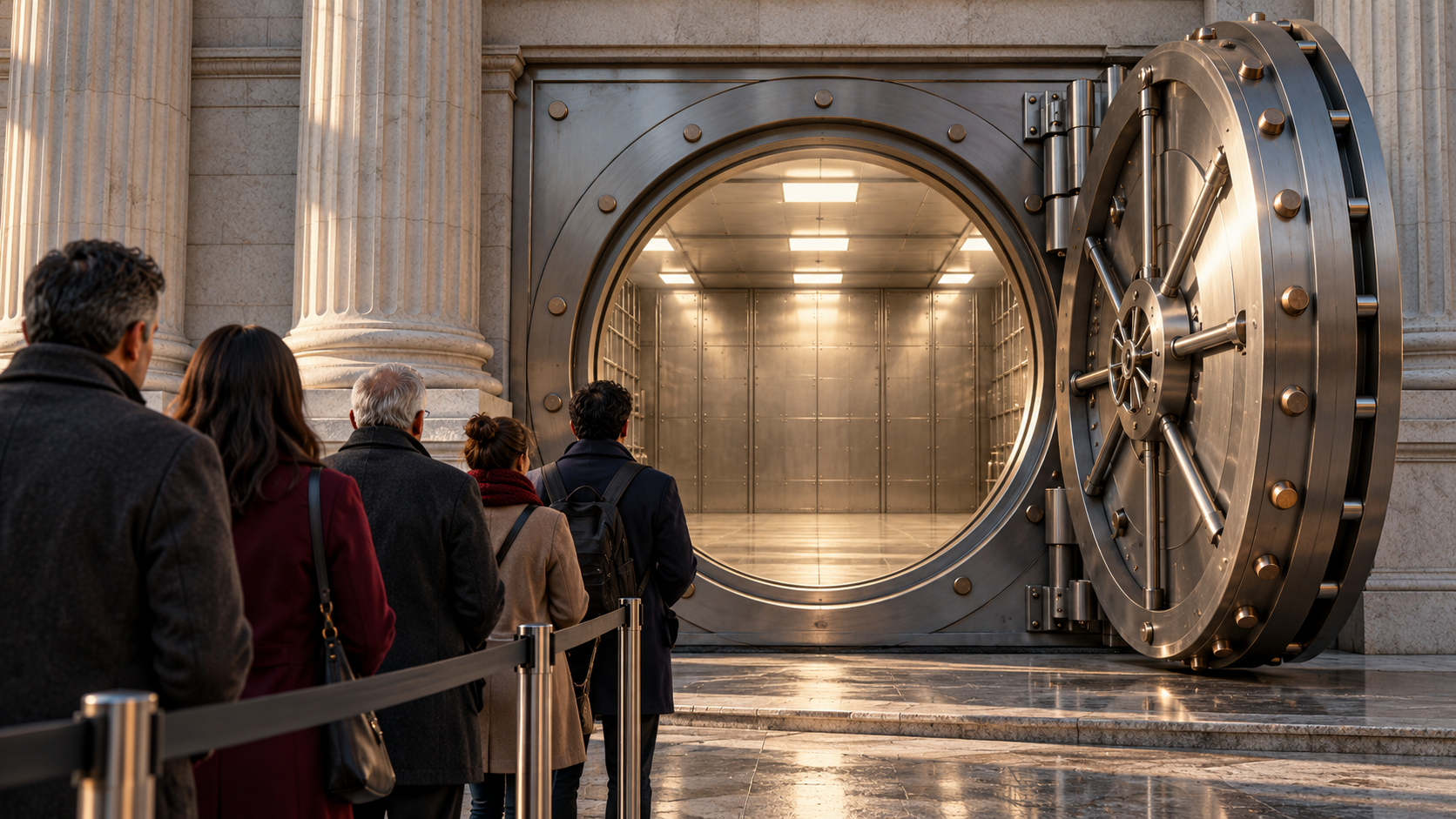
A country can retain valuable assets while its government loses the ability to pay. This explainer follows the consequences through unpaid invoices, foreign-currency shortages, banks and household budgets. Sri Lanka, Greece and Britain’s 2022 gilt crisis show why different financial constraints require different remedies—and why recovery means more than borrowing again.
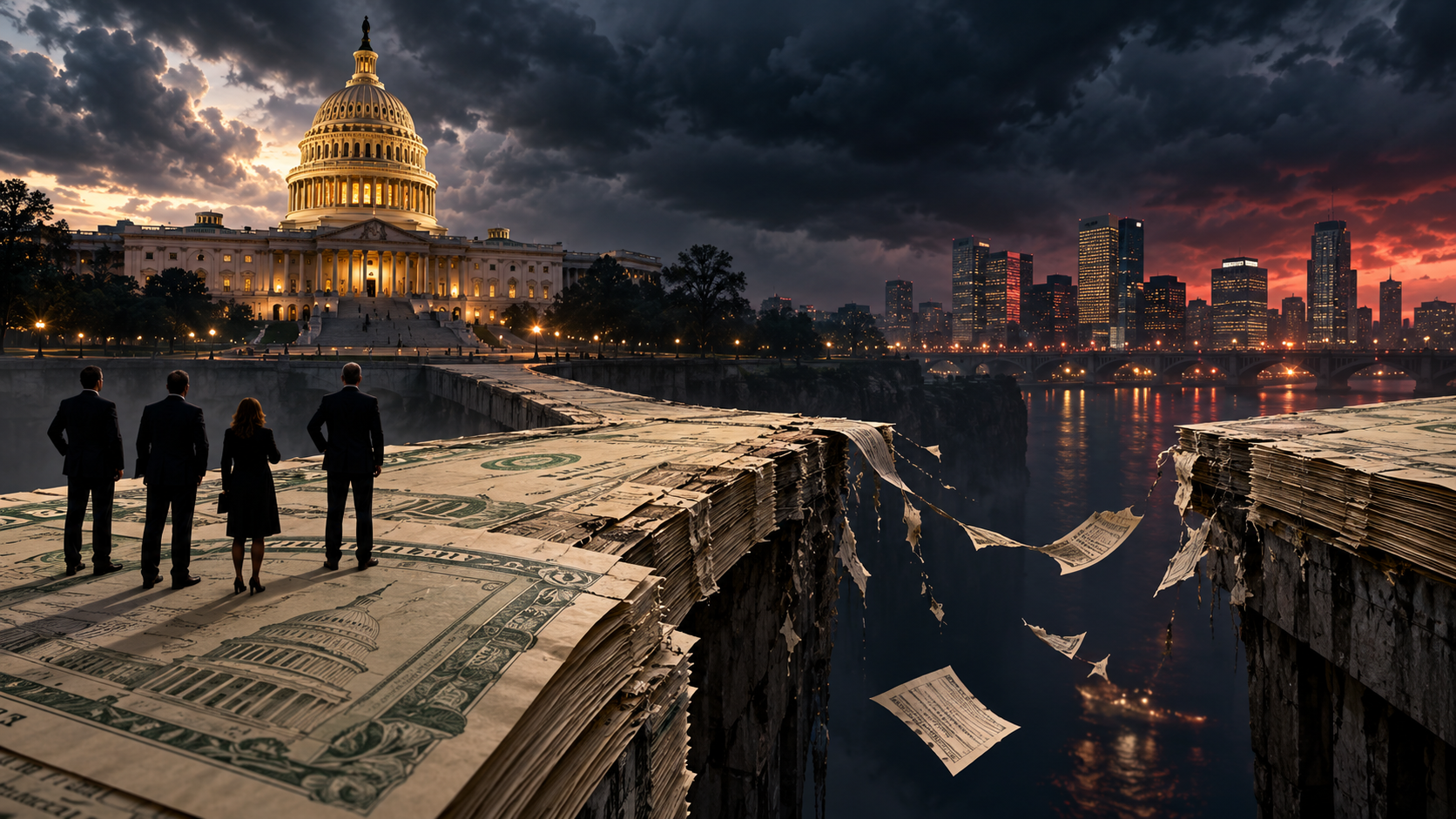
An American borrowing crisis would depend on what stopped the Treasury issuing debt and whether it could still refinance existing obligations. Follow the consequences from cash management and delayed payments to collateral, mortgages, pensions and international markets. The analysis explains the Federal Reserve’s role without promising a painless monetary solution or an inevitable dollar collapse.

A week without normal US grid electricity would put pressure on far more than lighting. This scenario follows the changing demands on households, water systems, hospitals, fuel suppliers and communications. It explains why backup power needs a working supply chain, why solar panels may disconnect, and why restoring electricity would not immediately restore normal life.
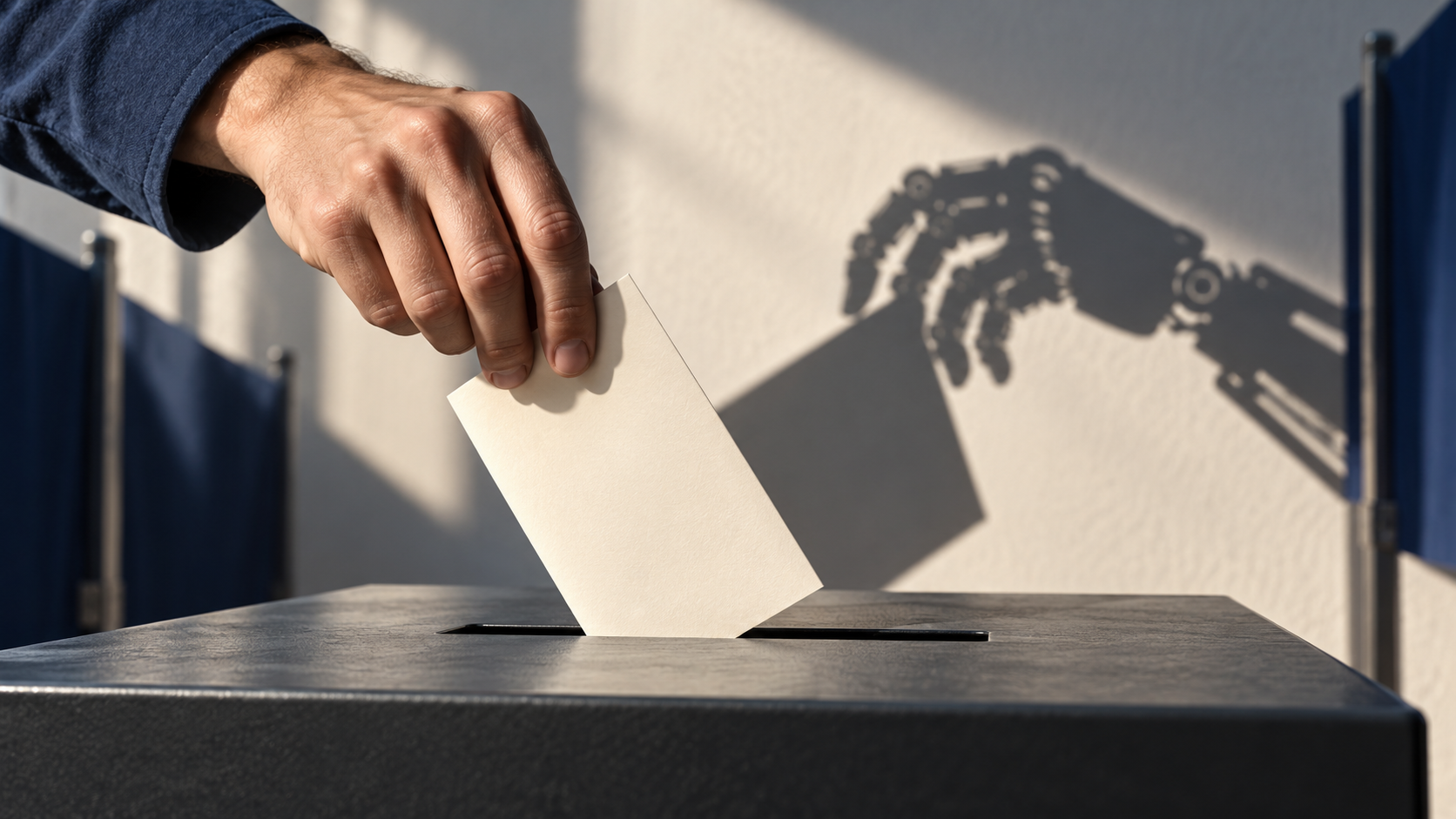
AI election manipulation could involve far more than a fake video. Conversational systems can shape political opinions, while hidden sponsorship and unreliable answers complicate accountability. This evidence-led analysis examines persuasion research, detected influence operations and the difficult task of proving that an intervention changed an election’s outcome, alongside the ways AI could help voters become better informed.
Geopolitics & World Affairs
Latest geopolitics and world affairs coverage, with analysis of global conflicts, international relations, diplomacy, defence, security and the political decisions reshaping the world.
UK News
Latest UK news and analysis covering British politics, government, immigration, crime, the economy, society and the major stories shaping life across Britain.
From 13 December 2026, non-wholemeal wheat flour across the UK must contain added folic acid. This explainer sets out what the law requires, which flours are exempt, how the dose compares with a pregnancy supplement and the official safety ceiling, and why a petition with more than 100,000 signatures will be debated by MPs the following day.

A growing economy can produce less per person if the population grows faster than output. Follow a small numerical example, then examine what headline GDP includes, how inflation changes the calculation and which measures are better suited to questions about workers’ pay, productivity and the money available to households.

A person could choose both English and British on the 2021 census in England and Wales. That answer belongs to the national identity question. A separate ethnicity question used different categories. Looking at the two together explains the current proposal and a statistical trap in comparisons of who calls themselves English.

Norfolk’s Vanguard wind farms bring together a utility, an investment firm, a public lender and a group of international banks. Following their different commitments explains how electricity projects secure funding years before they generate power, and why the price promised to a generator cannot be read straight off a household tariff.
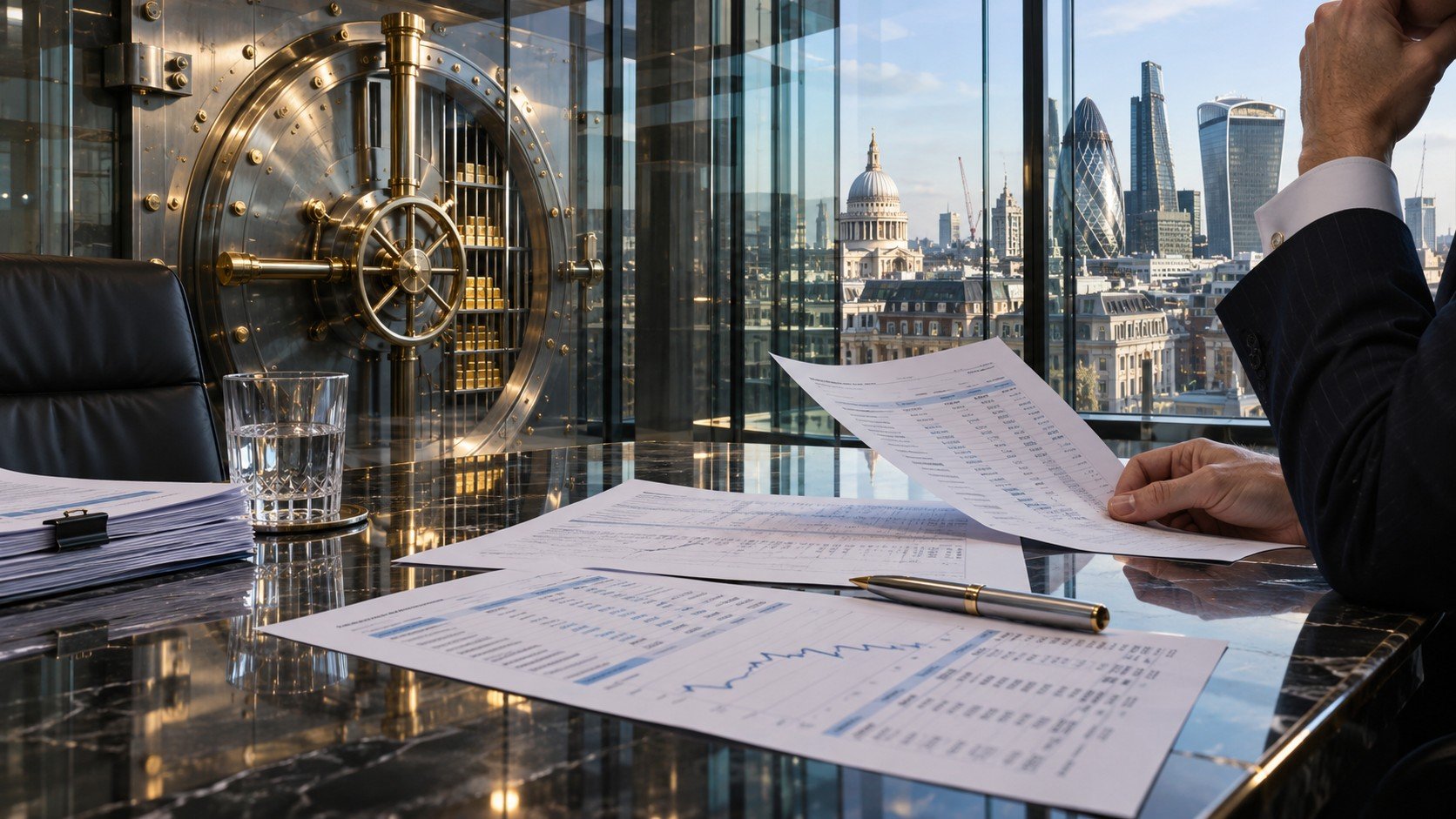
How the temporary UK banking surcharge works, with a £200 million example and an explanation of what it means for savers and borrowers.
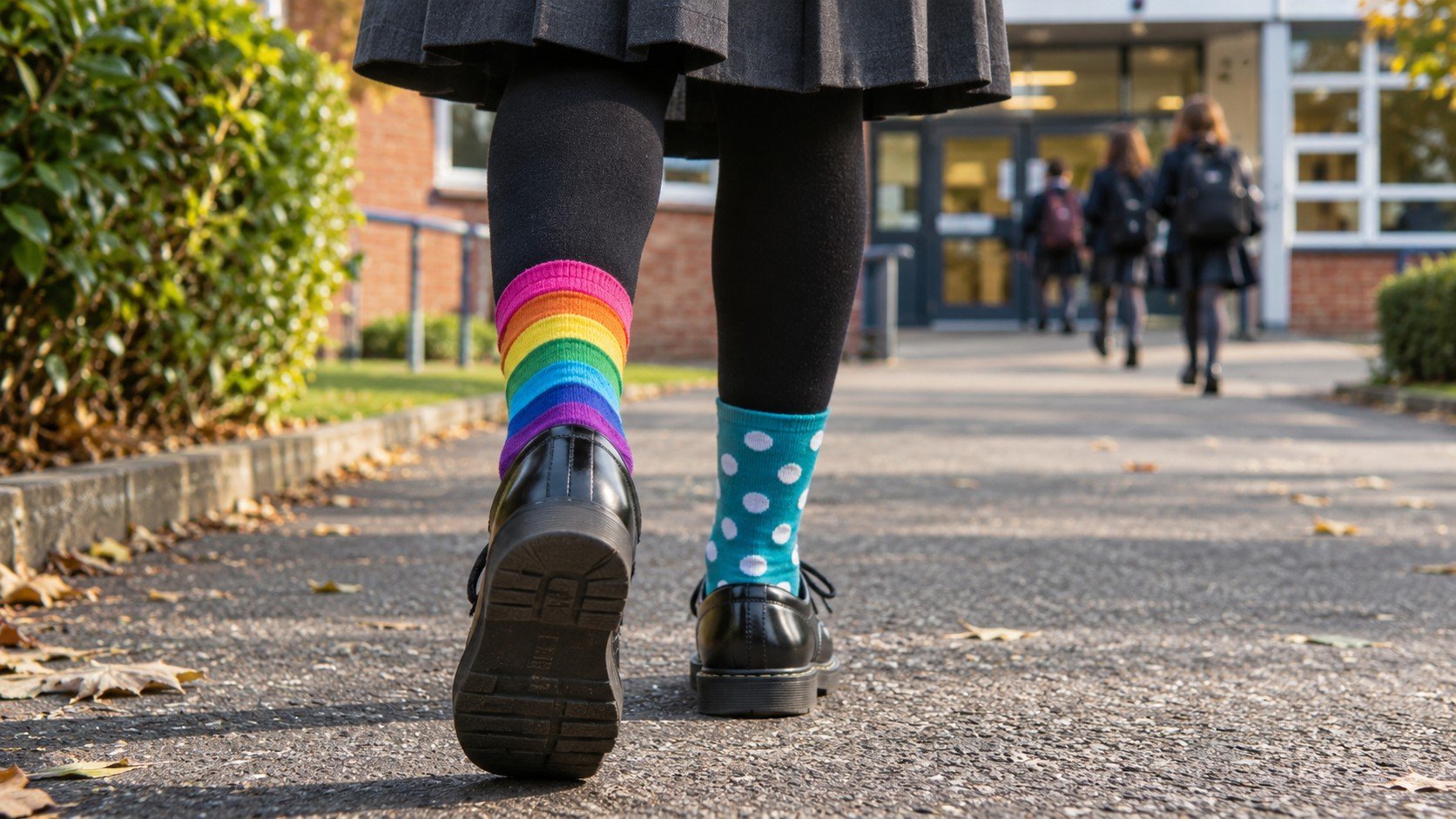
Odd Socks Day falls on 16 November 2026. Here is how to join in, why schools take part and what the campaign asks of adults.
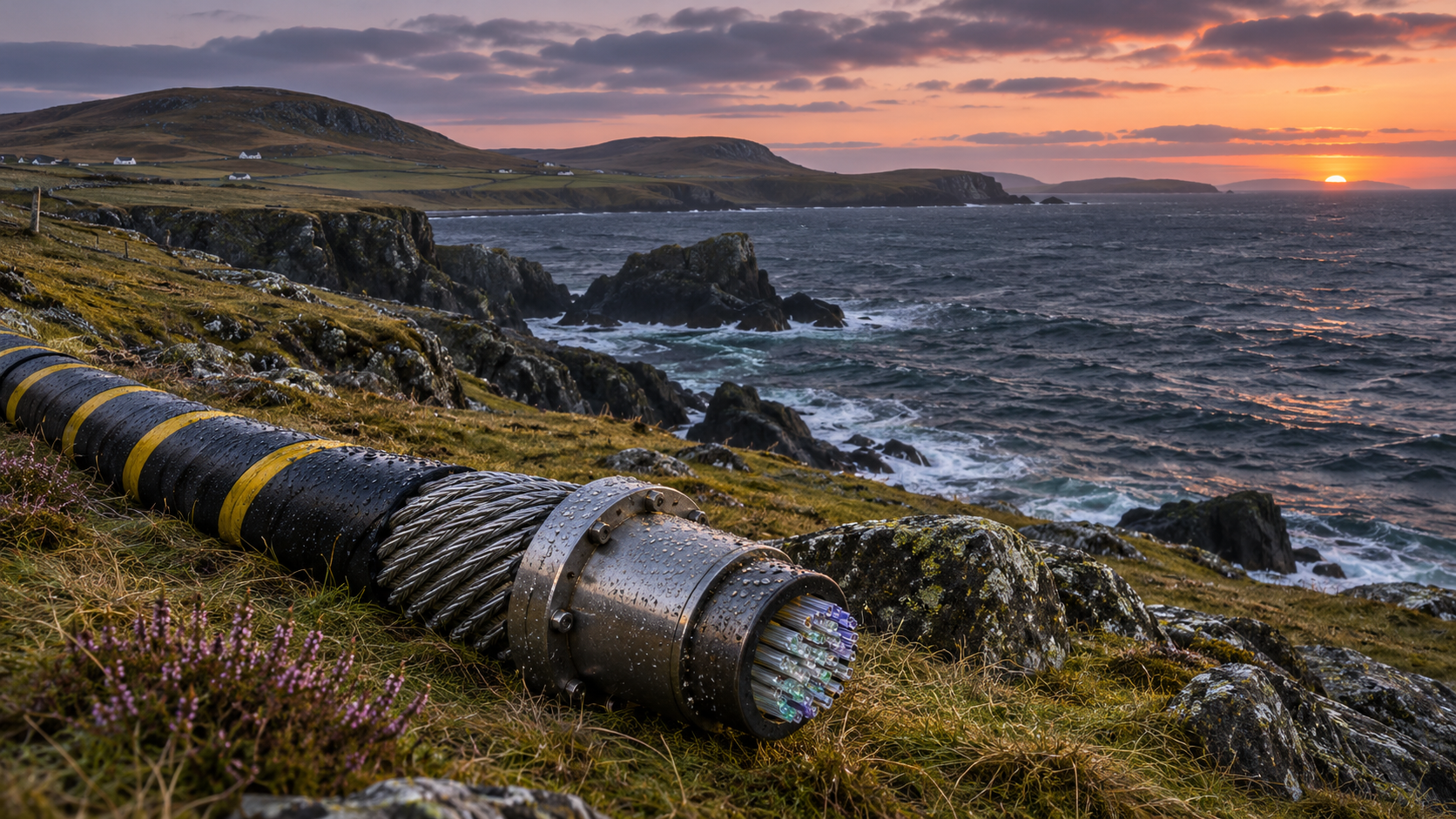
Shetland can look like the end of a line on a map of Britain. On a map centred on the northern North Sea, it can look like the beginning of another route. Explore the feasibility study for a data connection to western Norway and discover why the direction a cable takes can matter as much as the amount of traffic it can carry.
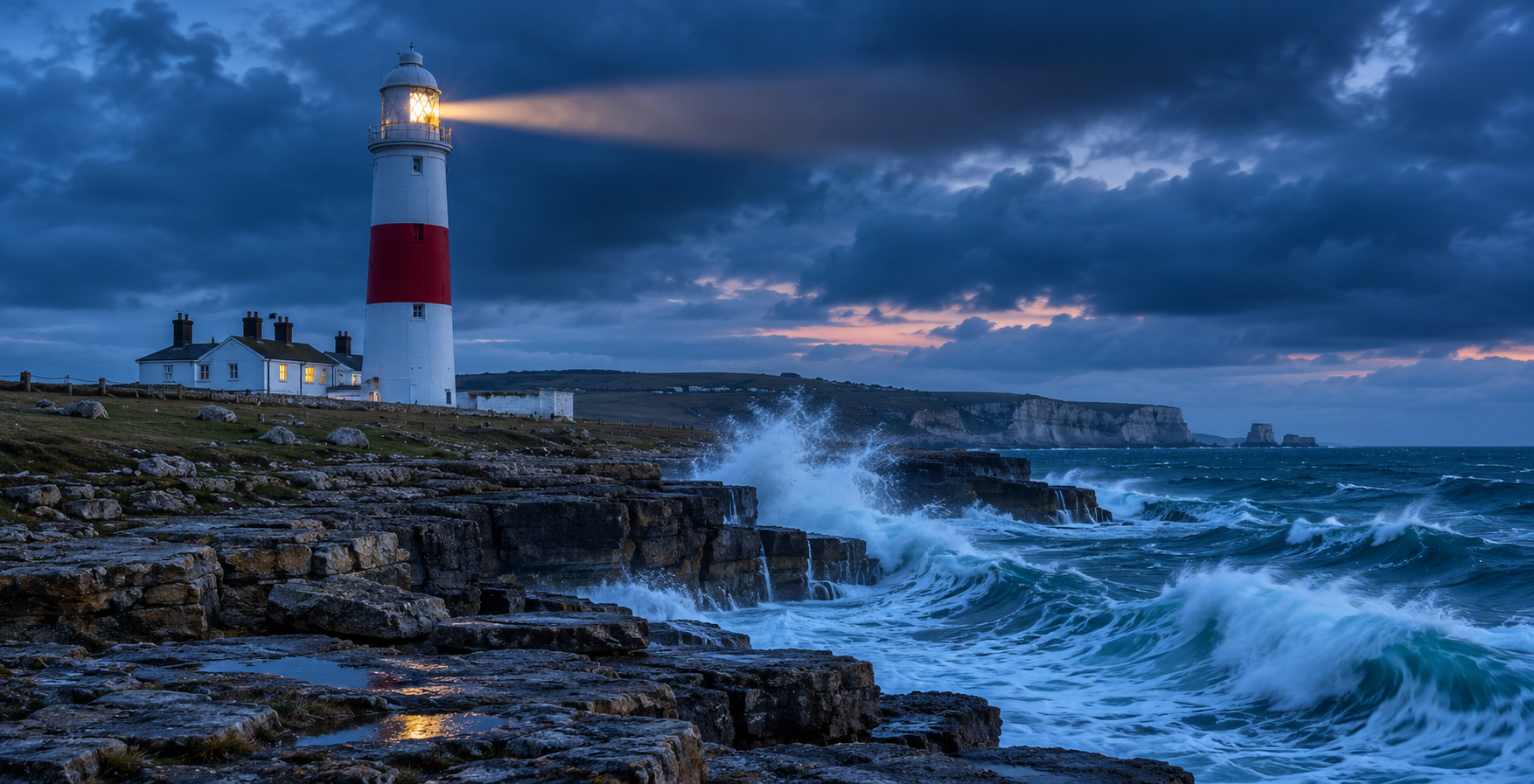
The light is in Dorset and the monitoring centre is in Essex. Portland Bill offers a concrete answer to what happened to the lighthouse keeper’s watch. This episode follows the tower from its navigational purpose through automation and a more recent modernisation, then explores a hypothetical alarm without mistaking an imagined fault for an incident on the record.
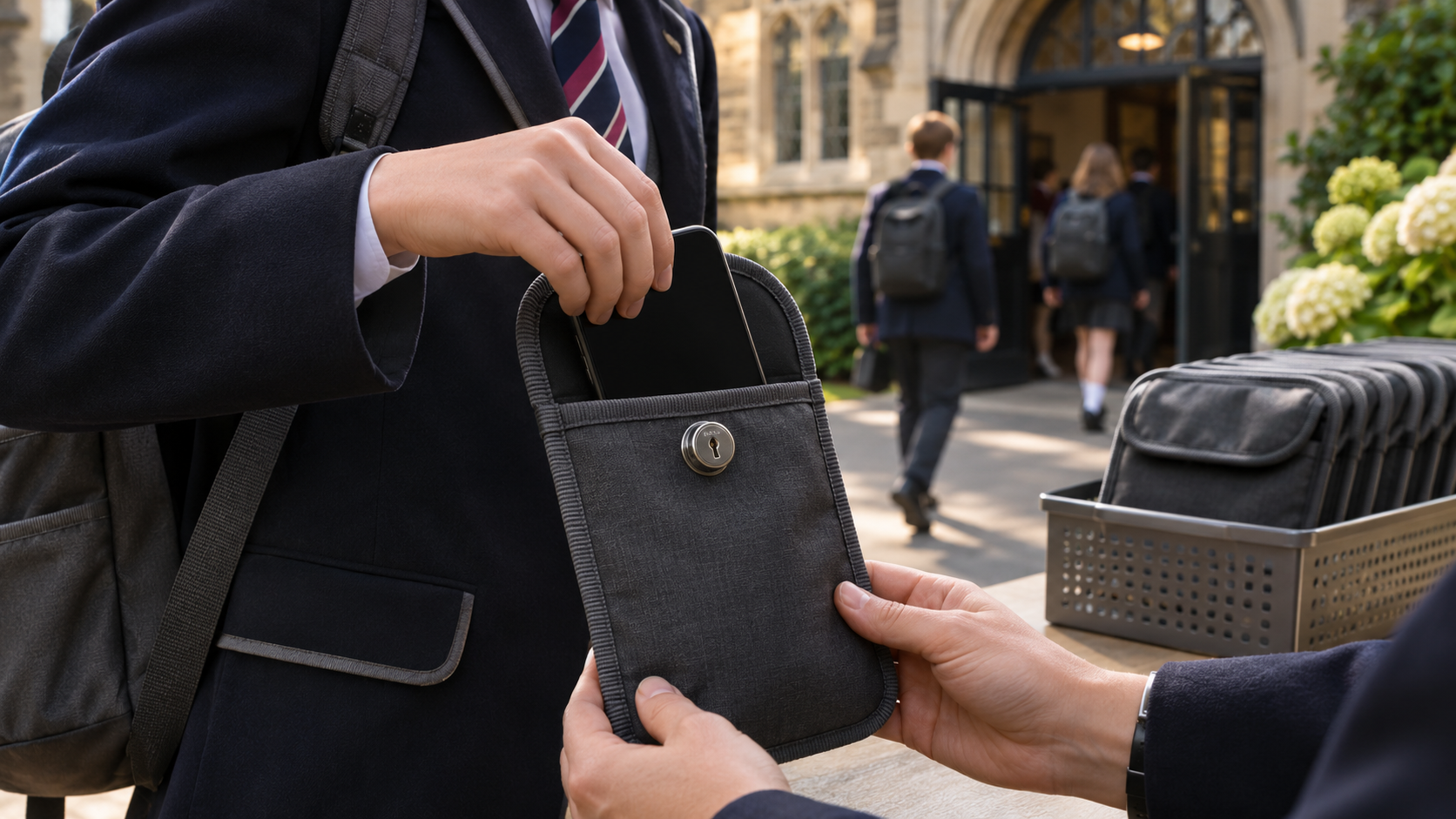
Follow one pupil from a bus journey to the school gate and back home again. England’s mobile-phone guidance has different implications at each stage. This episode explains the arrangements applying from September 2026 and the strengthened approach announced in November for the following school year. At the centre is a practical distinction between a device staying silent and a pupil being unable to use it.
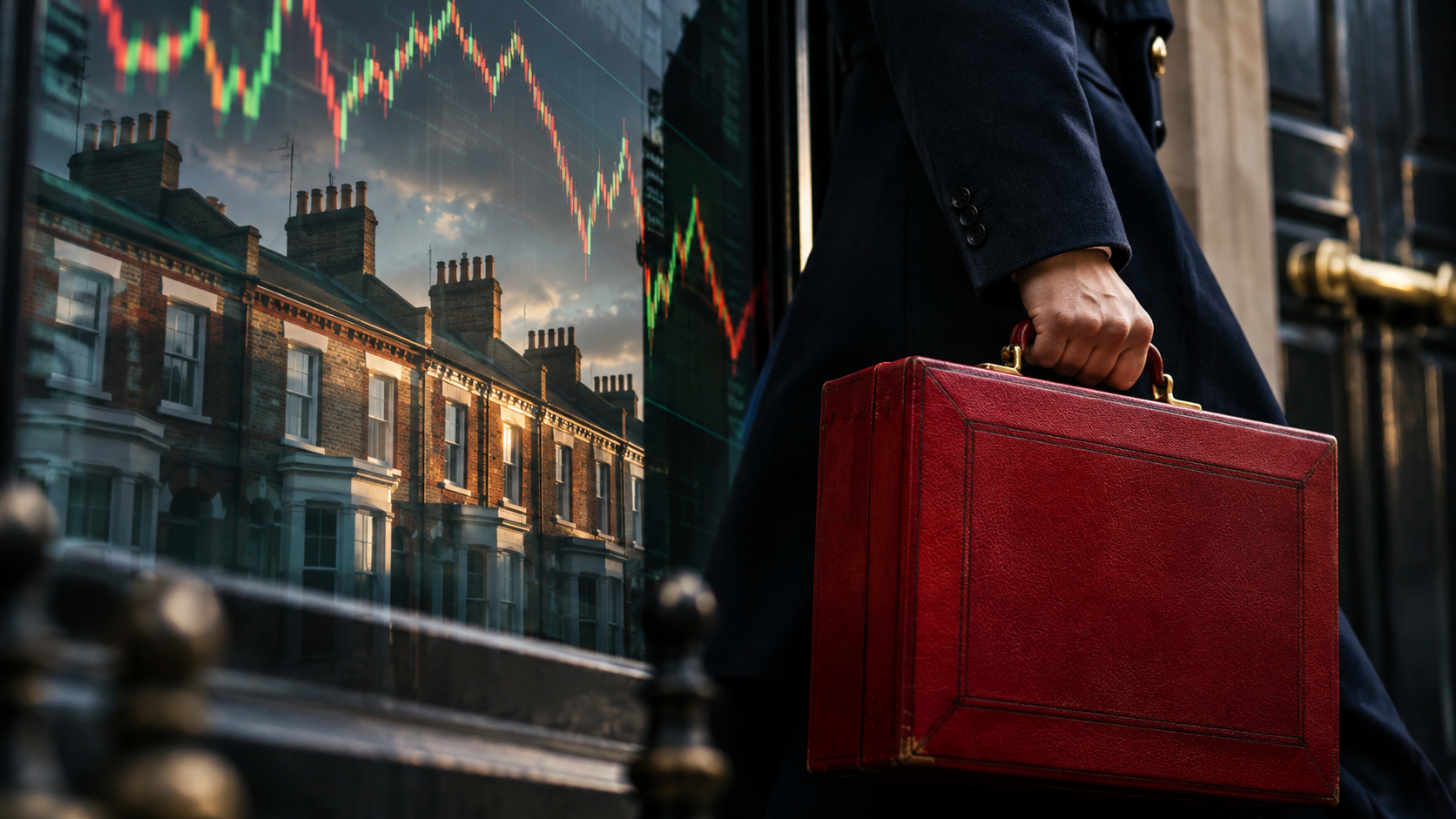
Trace a hypothetical Budget surprise from the first market report to the price on a mortgage comparison site. The journey involves several different interest rates, two kinds of contract and a lender deciding how many new borrowers it wants. The November leak investigation provides the starting point, with particular care over what investigators have yet to establish.
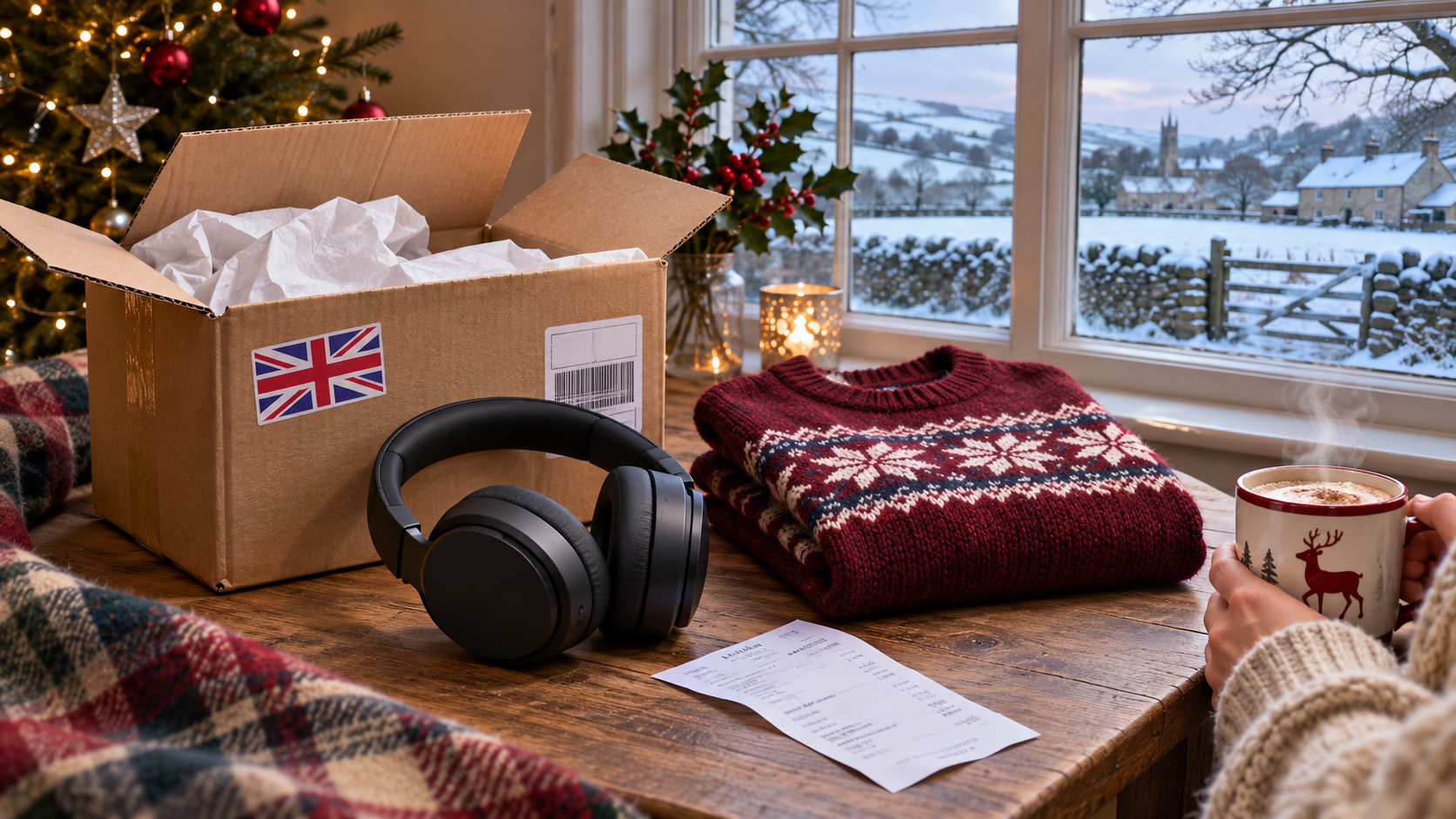
A jumper ordered online on Black Friday arrives on 1 December. Its recipient opens it on Christmas Day and wants a different size. Can it go back? Under the ordinary UK distance-selling cancellation rules, the buyer would usually have needed to tell the trader by 15 December that they wanted to cancel. Leaving the parcel wrapped does not pause the clock. A retailer’s extended Christmas policy could still save the day.

Ask someone to draw Pudsey Bear and the first detail they add will probably be the spotted fabric over one eye. BBC Children in Need calls it a bandana. It has been part of the character in different forms since his early days. The charity’s public history tells us who designed him, when he appeared and where his name came from. It offers no definitive accident story explaining what happened to his eye.

How can a country have more unemployed people and fewer people in its Claimant Count in the same month? Follow three changes in a small imaginary economy. One worker loses a job, somebody else becomes available for work and a person who already has a job begins working longer hours. Every number changes for a reason you can trace.

An announcement about industrial action reaches the whole country. A message changing an outpatient appointment has to reach one particular patient. During a consultants’ strike those two messages can look similar on a phone while asking you to do quite different things. This episode explains which one determines whether you should set off for hospital.
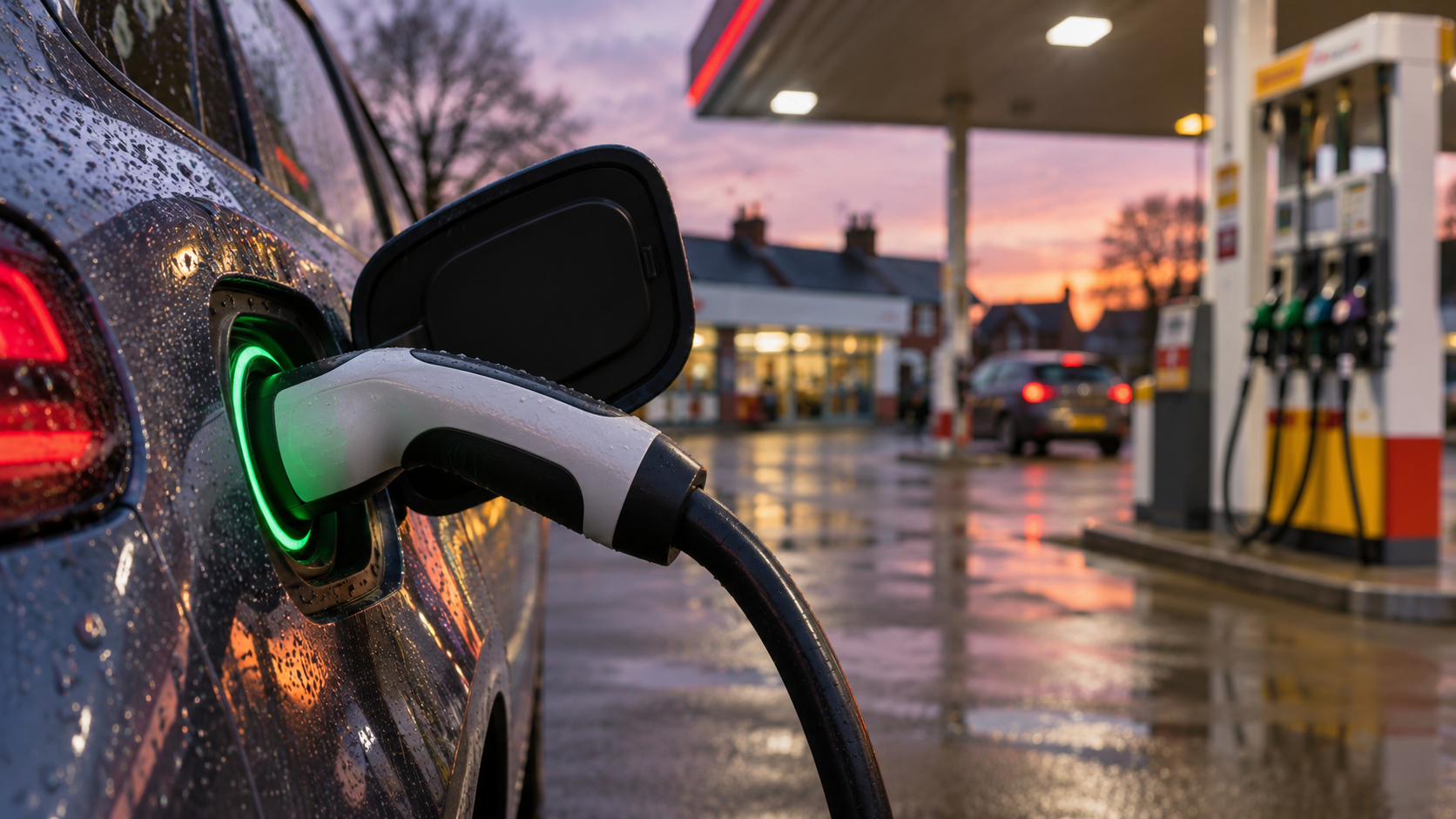
Three motorists walk into a garage. One wants to keep an existing diesel, another wants to buy a used petrol estate and the third wants to place a factory order. Only one is directly asking about the supply of brand-new cars. Their different circumstances make a good way into one of Britain’s more confusing transport policy arguments.
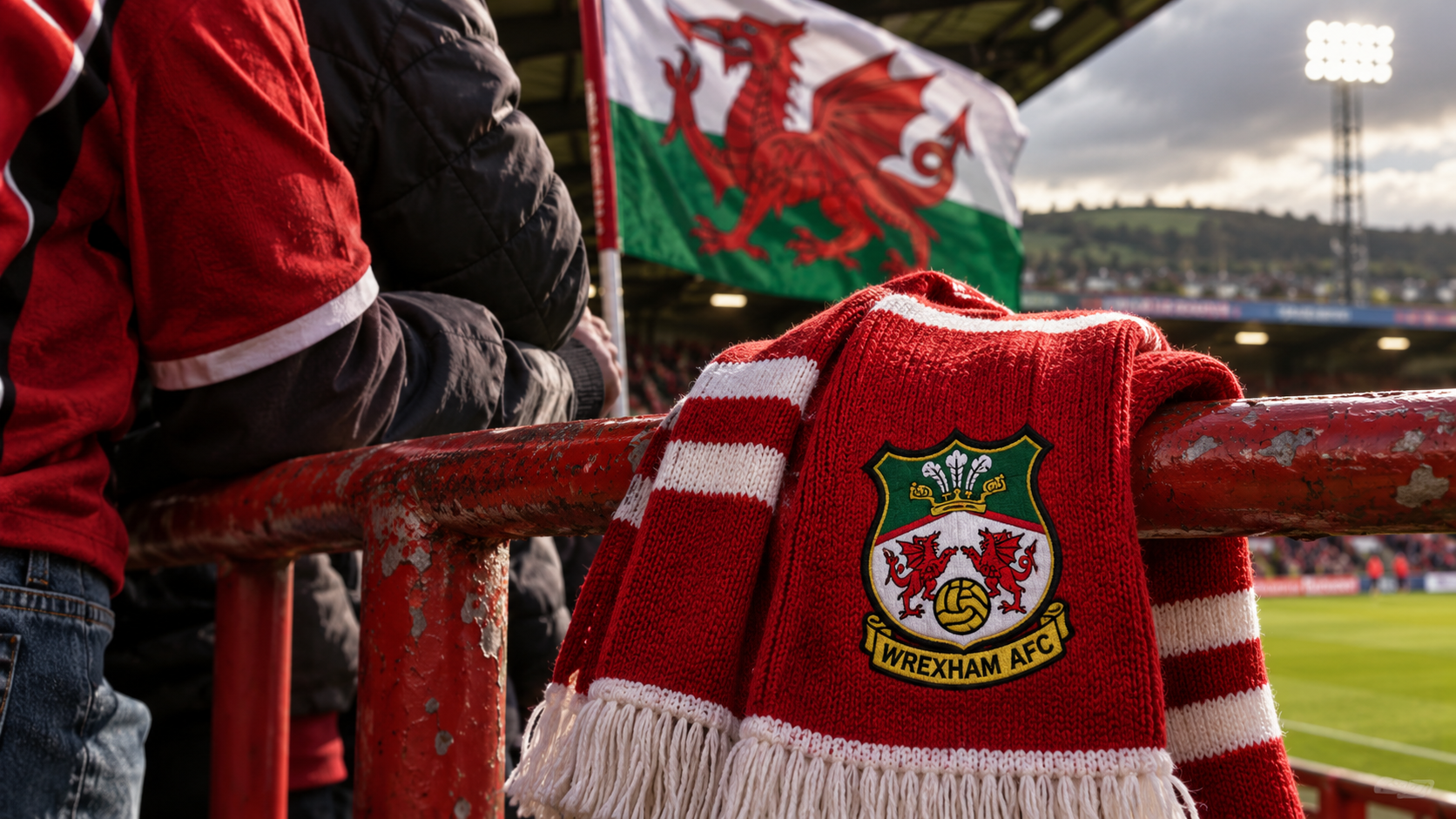
Wrexham’s league opponents and its national identity tell different parts of one football story. The border makes more sense when you follow the fixtures. The simplest explanation is chronological. Wrexham formed in 1864, played cross-border football in the nineteenth century and joined the Football League in 1921. The League of Wales, the national competition now known as the Cymru Premier, began in 1992. By then Wrexham already had generations of supporters, opponents and sporting expectations invested in another system. A country's creation of a new league did not require its longest-established professional clubs to begin their histories again.
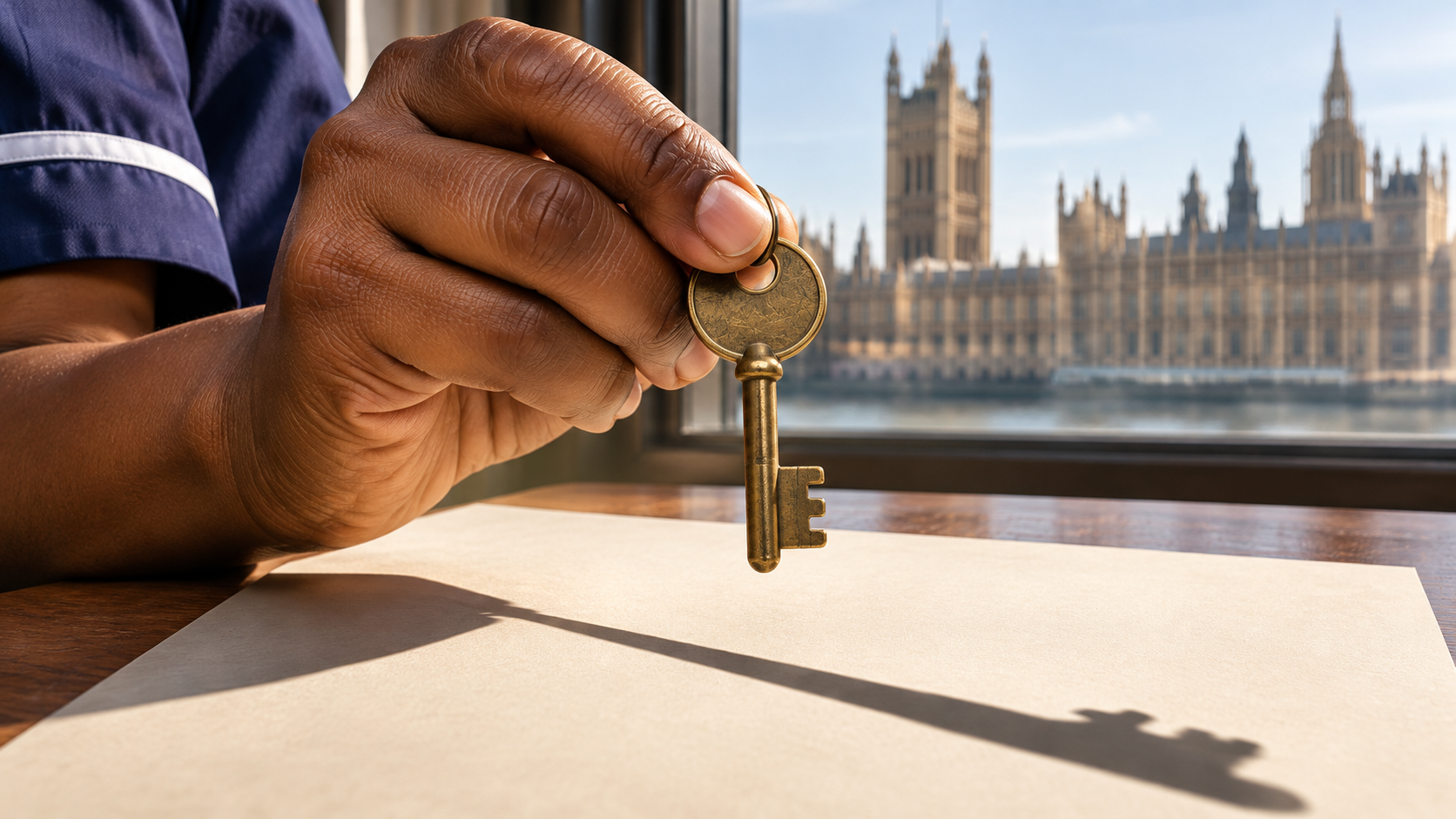
Britain’s expected settlement reforms raise a crucial question for migrants already here: will their route to permanent residence change? This analysis explains the proposed ten-year baseline, the stakes for care workers and why transitional protection matters. It also examines the difference between delaying settlement, reducing migration and delivering lasting public savings.
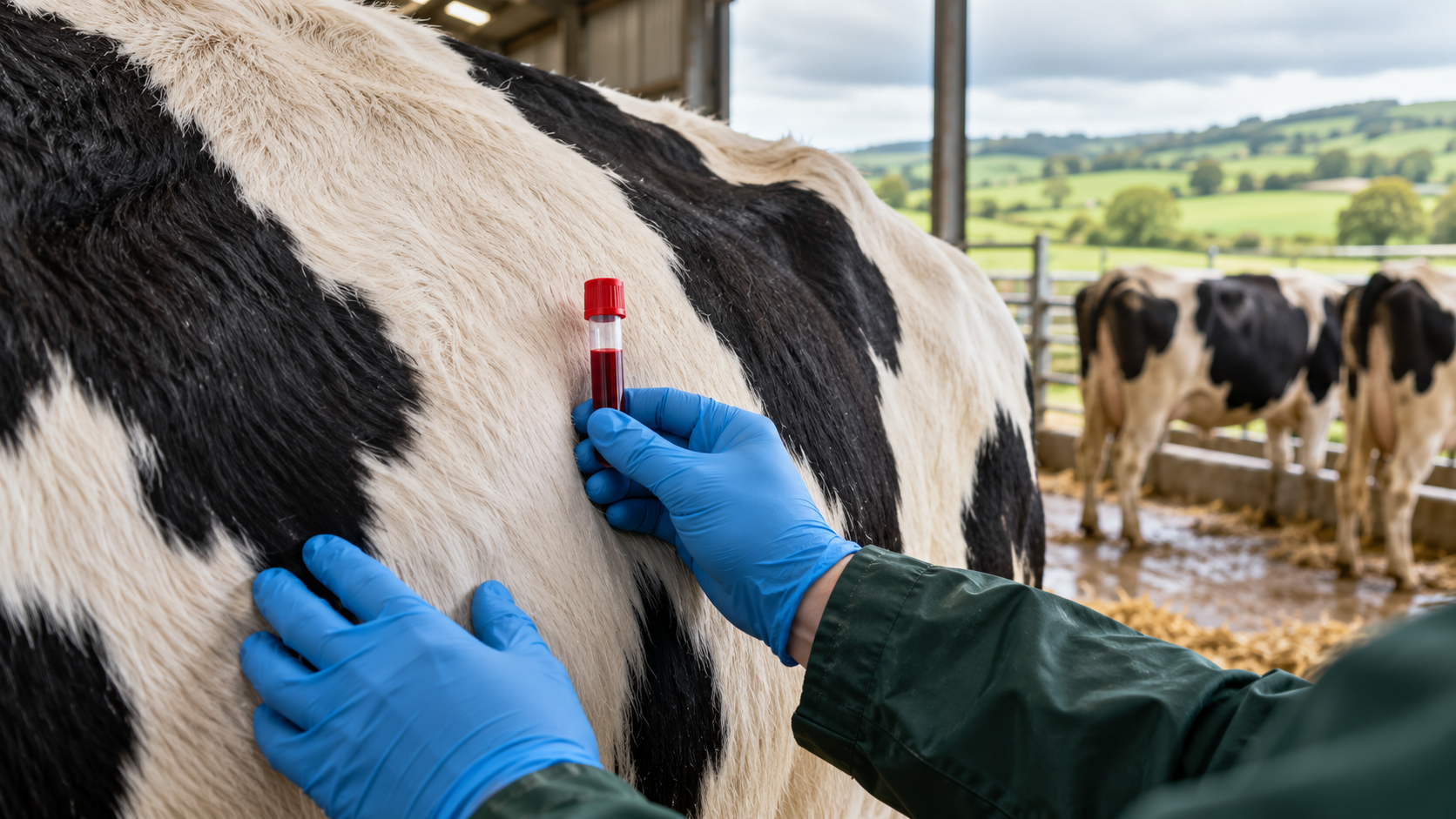
Shamonda virus has been identified in cattle on two British dairy farms. This explainer examines the symptoms, suspected midge transmission, reproductive concerns and evidence surrounding the reported human case in France. It also separates confirmed findings from the unanswered questions that will determine the practical impact on livestock farming.
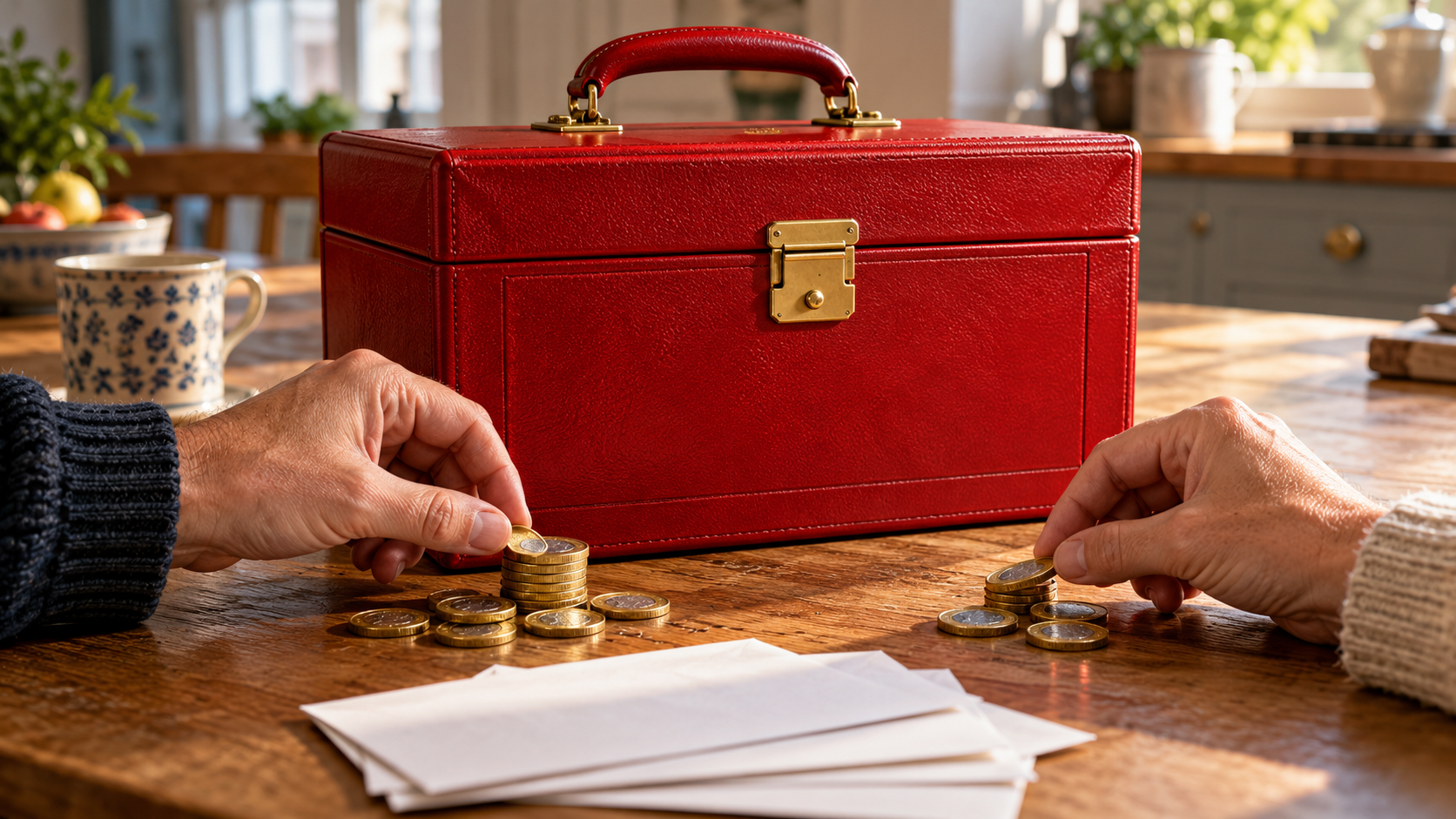
UK Budget 2026 brings overlapping changes for workers, savers, pensioners and households facing high bills. This guide separates immediate support from future tax increases, explains the dates that matter and uses simple calculations to show why a headline benefit may differ from the amount you actually keep. Find out which measures could affect your household.
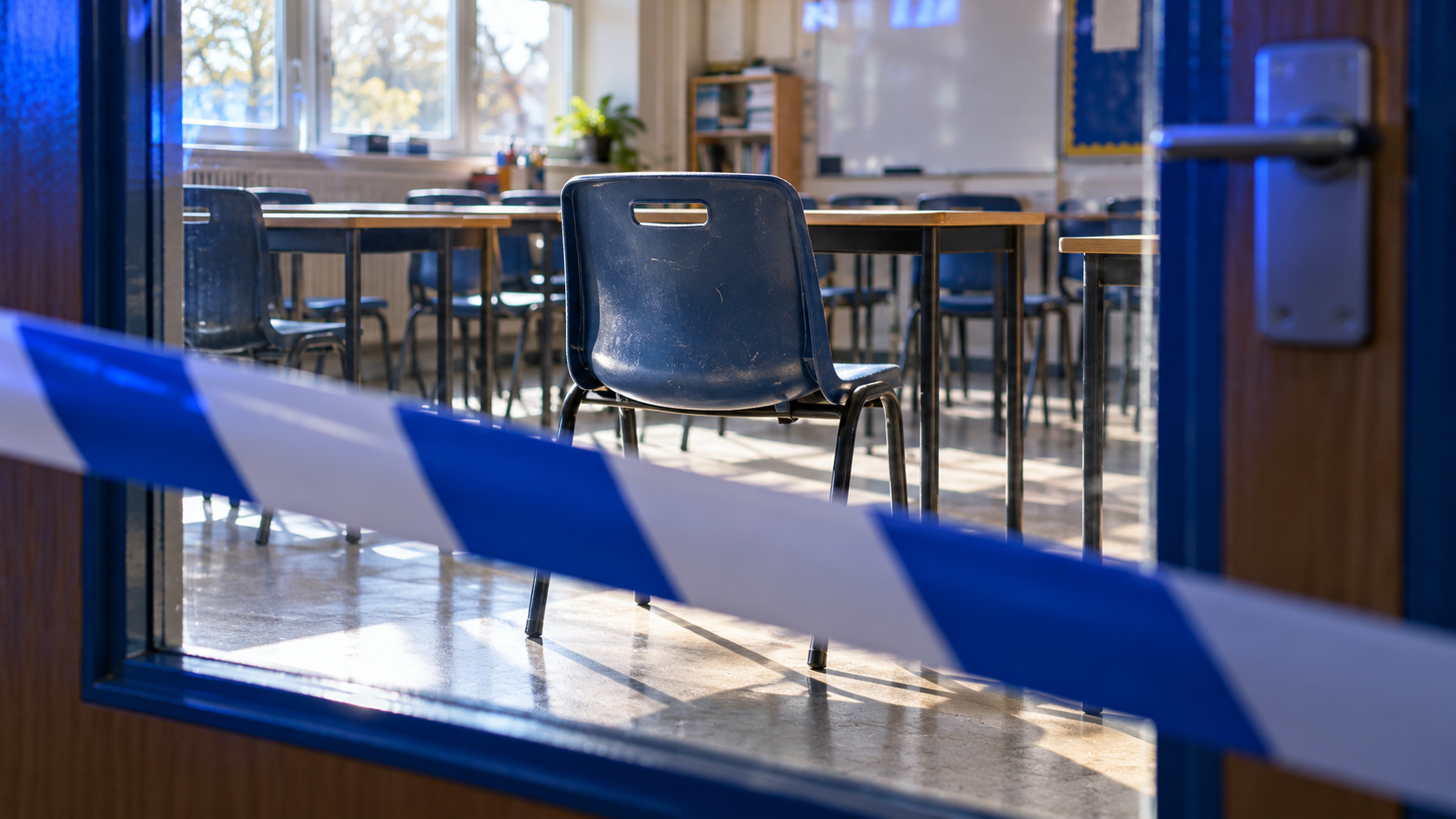
The Thorpe St Andrew school stabbing trial centred on what the defendant intended when he attacked a fellow pupil. Following the attempted murder verdict, this account explains how the prosecution’s evidence and the defence’s argument differed, why the girl’s survival did not settle the charge, and what remains for sentencing.
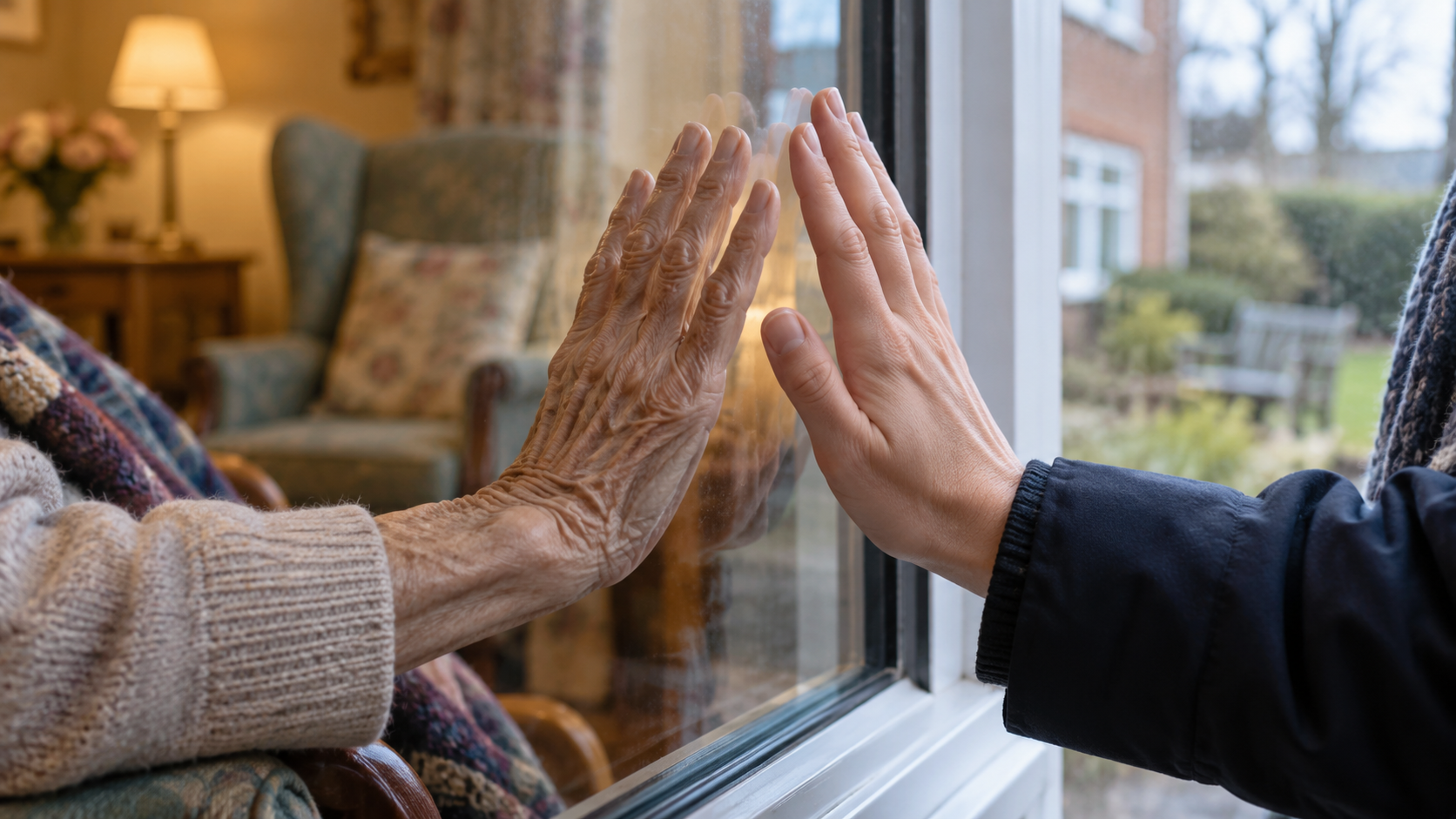
The Covid inquiry has rejected Matt Hancock’s claim that care homes were protected from the start of the pandemic. Baroness Hallett’s sixth report examines hospital discharges, staff support and the harm of visiting bans. Its findings set a practical test for future emergencies: whether social care receives the resources and standing needed to protect residents safely.

A man has been mauled to death by a tiger at Yorkshire Wildlife Park near Doncaster. Emergency services, including an air ambulance, attended the scene, but he could not be saved. Police have confirmed the tiger was unharmed and remained inside its enclosure. The park has closed as investigators examine how the man entered the protected habitat.
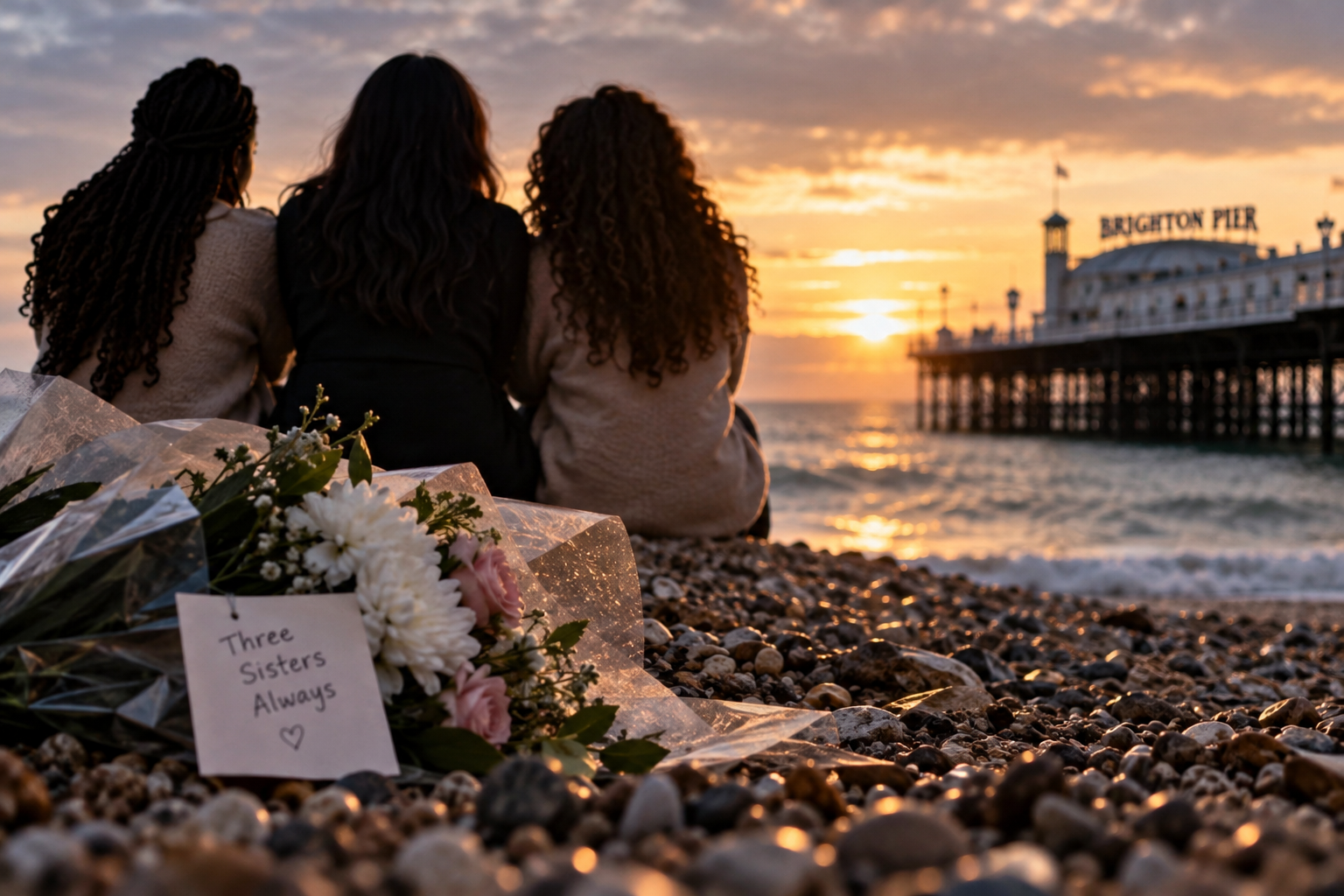
The deaths of three sisters found in the sea off Brighton have been ruled suicides following an inquest on 8 October 2026. Jane Adetoro, Christina Walters and Rebecca Walters travelled to Birmingham near the site of their mother's death shortly before their final journey. Investigators reconstructed their movements, but the reasons behind their decision remain uncertain.
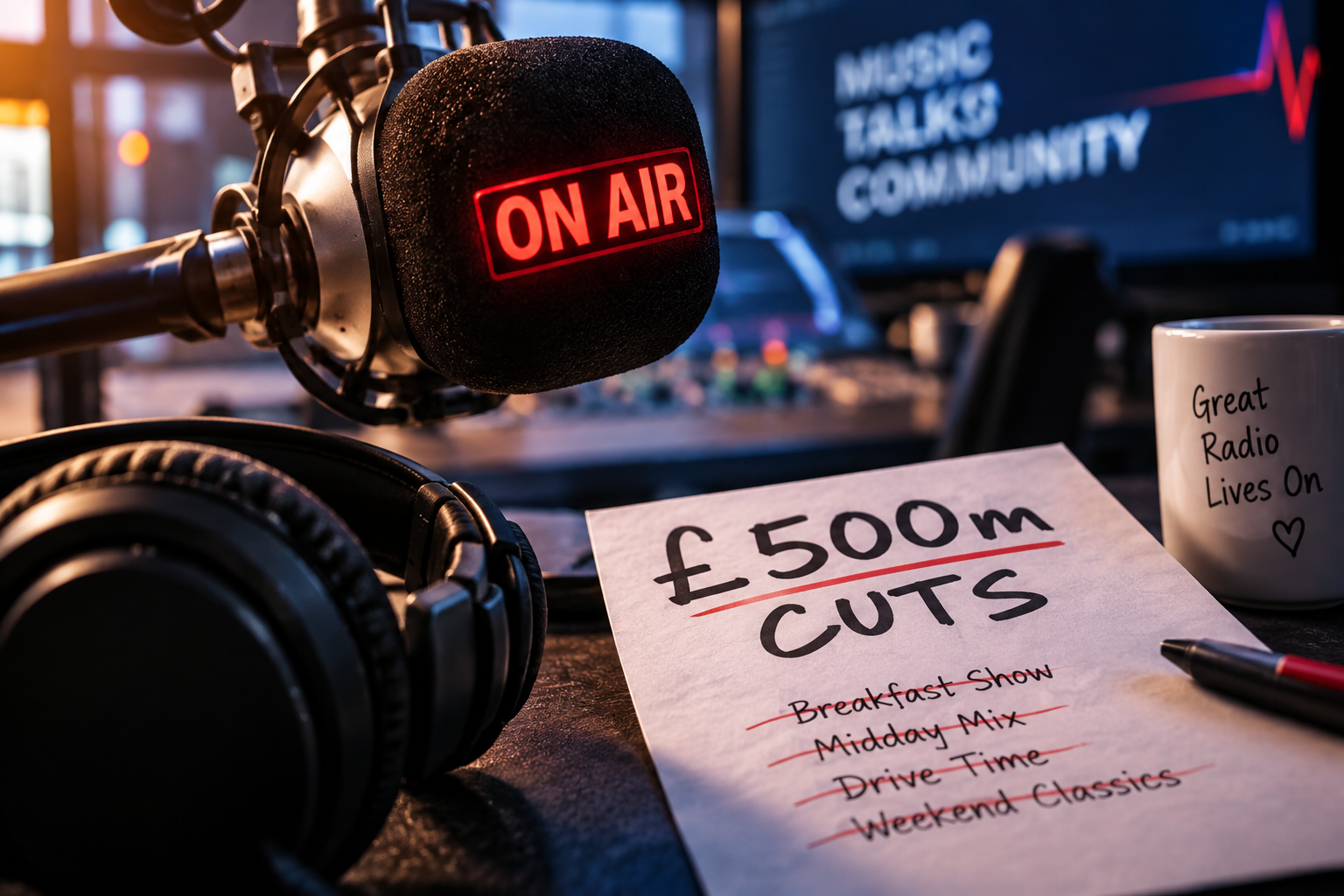
The BBC has confirmed sweeping Radio 4 cancellations as part of its £500 million savings programme. You and Yours, Thinking Allowed, Free Thinking and Open Country are among the shows being axed, with some to be replaced by digital-first programmes. Discover why these changes are happening, how listeners will be affected and what they mean for the broadcaster's future.
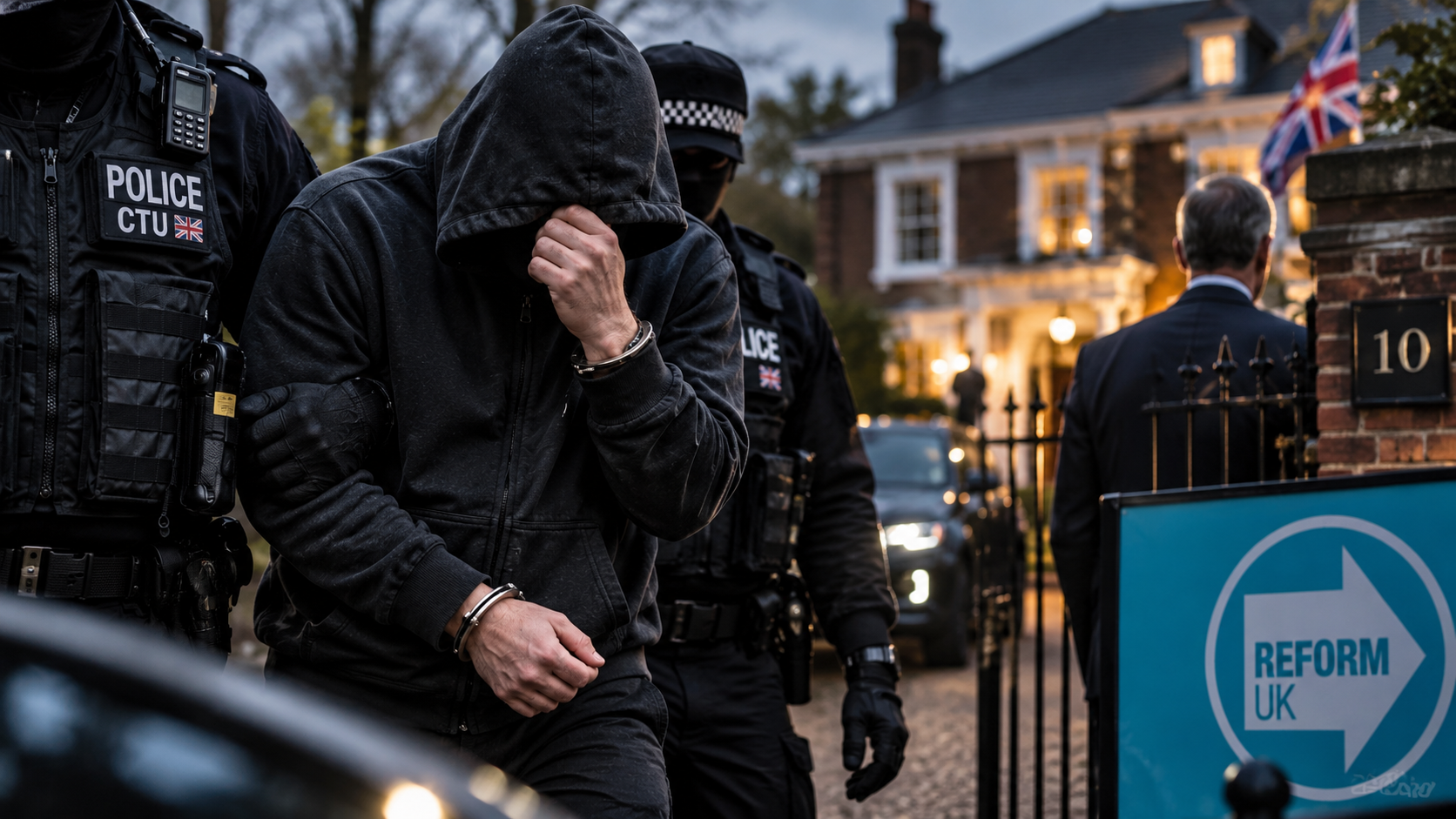
Joshua Kerry has appeared at Westminster Magistrates’ Court accused of preparing terrorist acts, including alleged activity targeting Nigel Farage. Prosecutors say the case includes research into prominent targets and an attempted break-in at Farage’s home. Kerry also faces a separate murder charge over the death of former minister Ann Widdecombe.
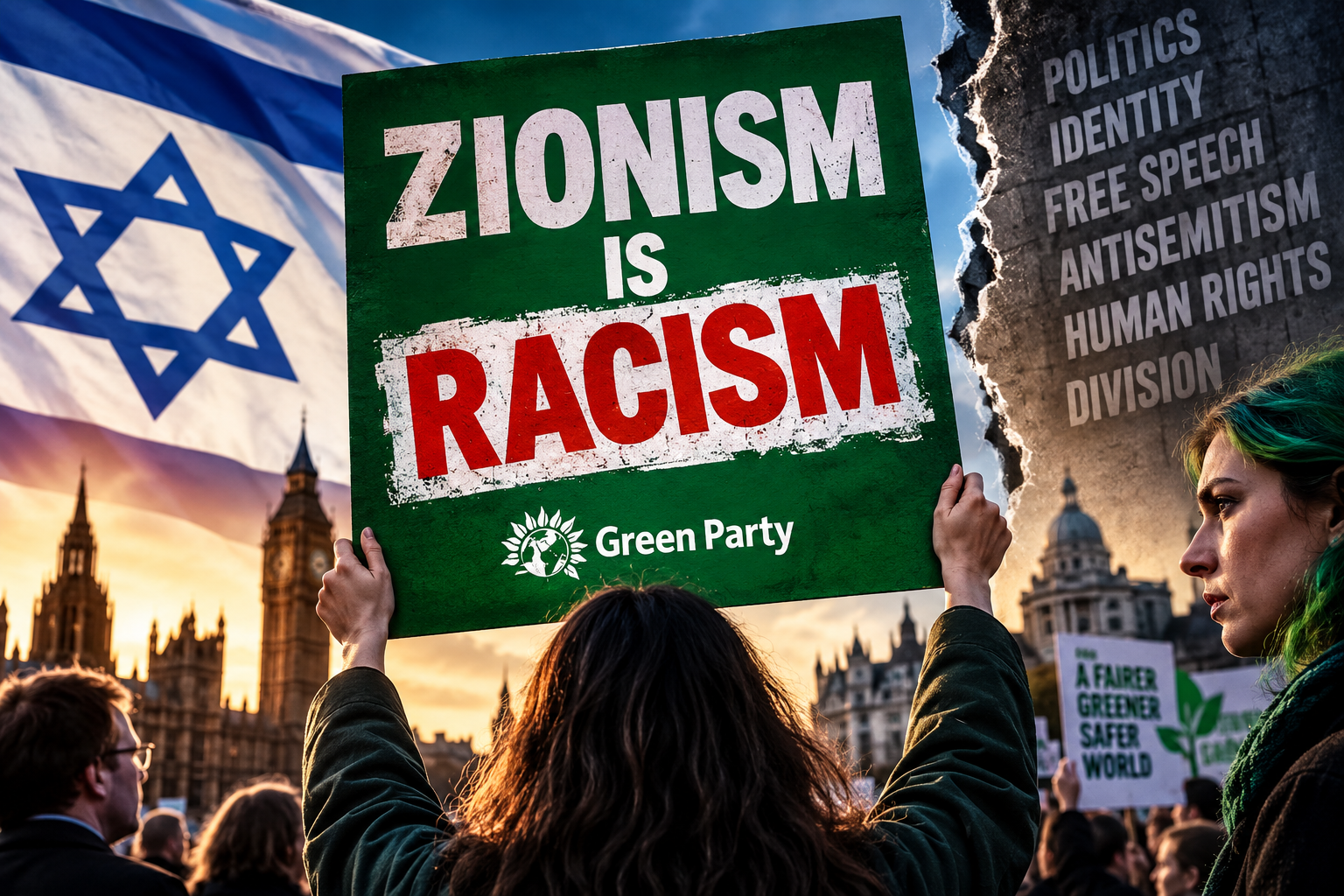
The Green Party has formally adopted an anti-Zionist policy after members backed the “Zionism is Racism” motion by 1,022 votes to 813. The decision goes far beyond criticism of Israel’s government, supporting a single democratic Palestinian state across historic Palestine and triggering opposition from senior Greens, Jewish members and the wider European Green movement.

UK National Security Adviser Jonathan Powell made an undisclosed visit to Israel as Britain tried to prevent the closure of its East Jerusalem consulate. His talks failed to secure an agreement, leaving London facing an 8 October deadline and a diplomatic dispute that now reaches from West Bank settlements to Britain’s wider role with the Palestinians.
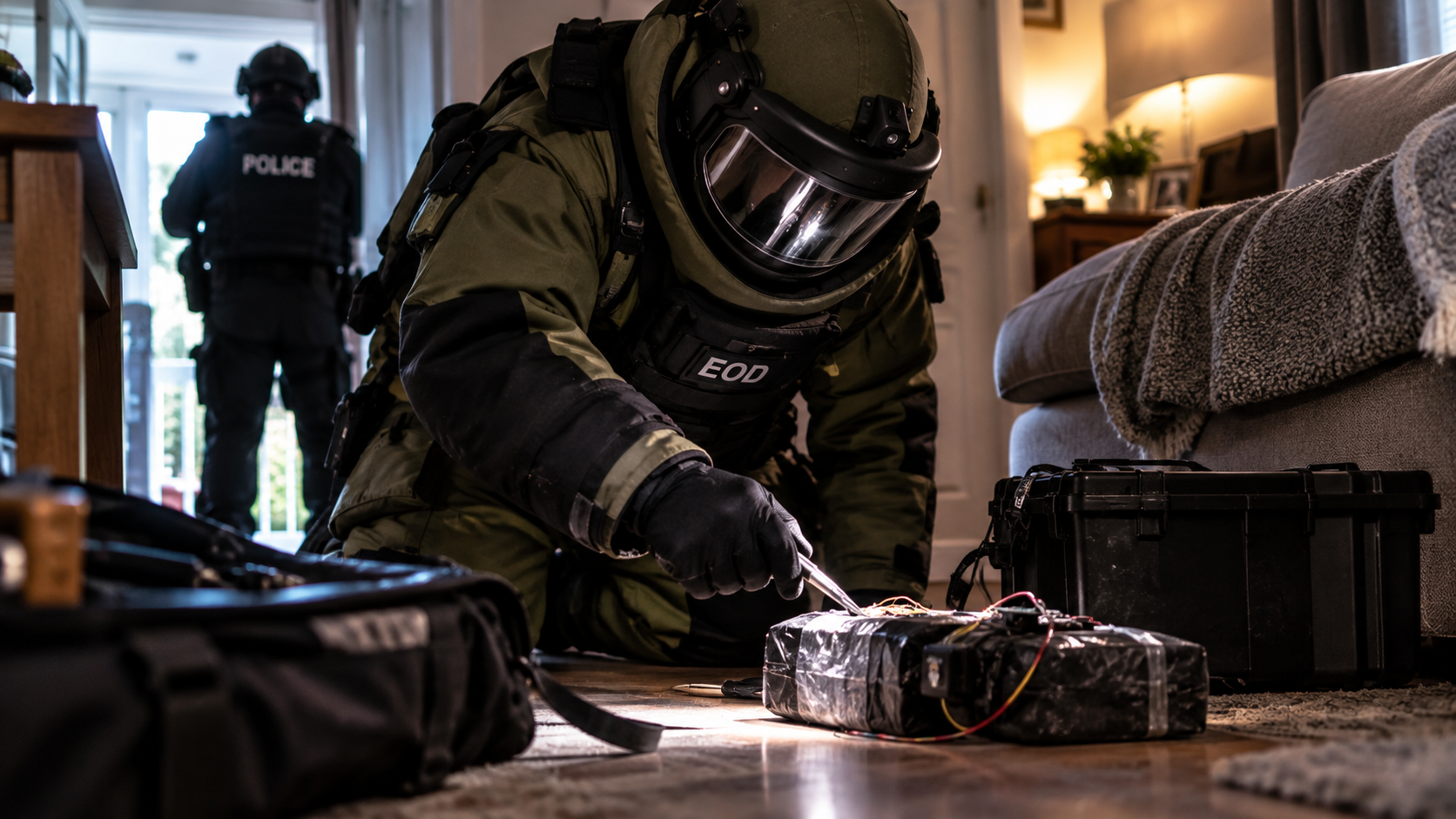
Police evacuated 153 properties in Worle, near Weston-super-Mare, after suspicious substances and items were discovered during a property search linked to a fraud investigation. Bomb-disposal specialists tested and destroyed items while a 100-metre cordon remained in place overnight. Residents were allowed home after the cordon was lifted at 6.45am on Thursday.
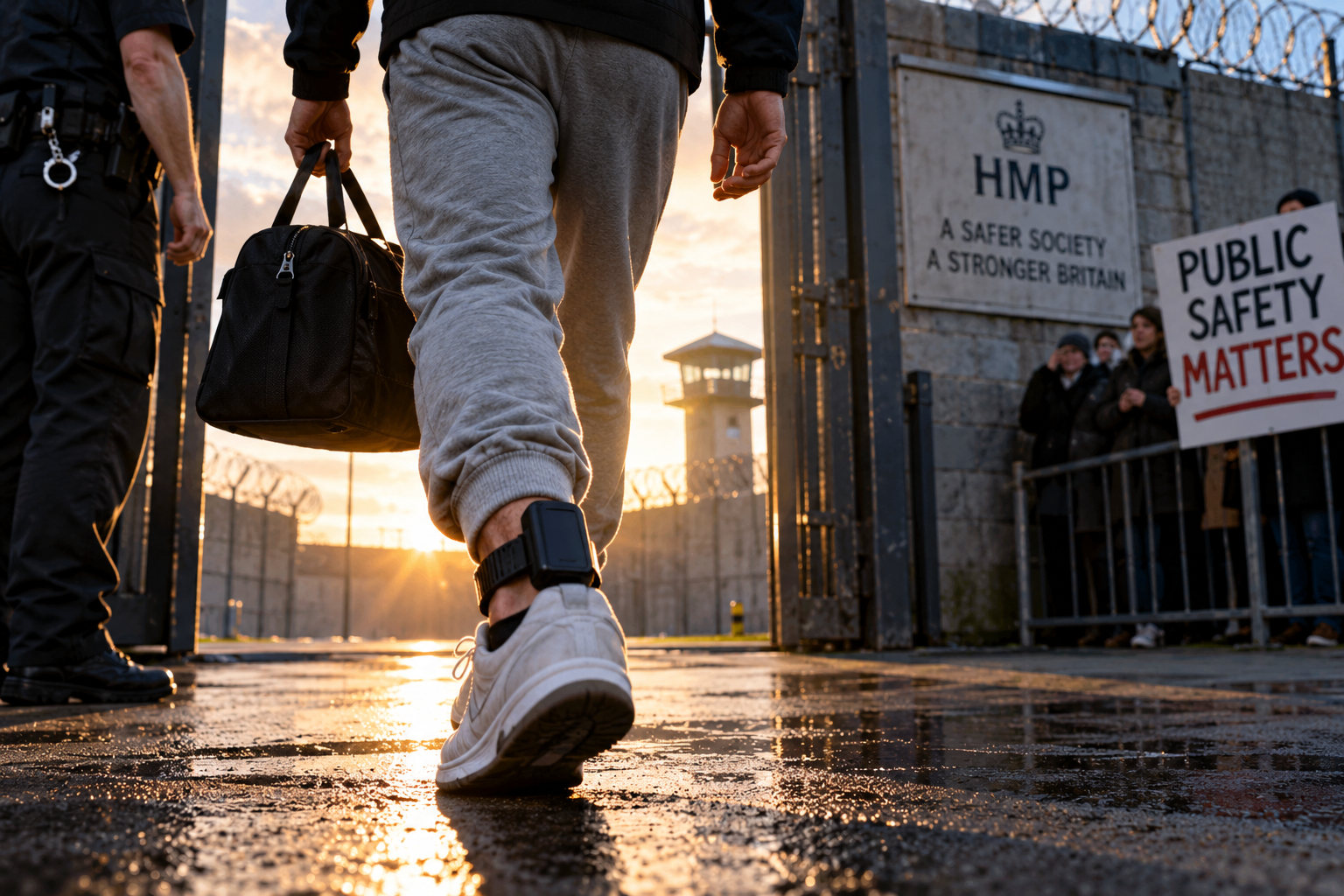
Early prisoner release begins across England and Wales today, with around 700 offenders estimated to leave custody in the first tranche. Ministers say the change is necessary to ease prison overcrowding, but recent inspection findings on electronic tagging, probation capacity and victim protection have intensified questions over whether the system outside prison is ready.
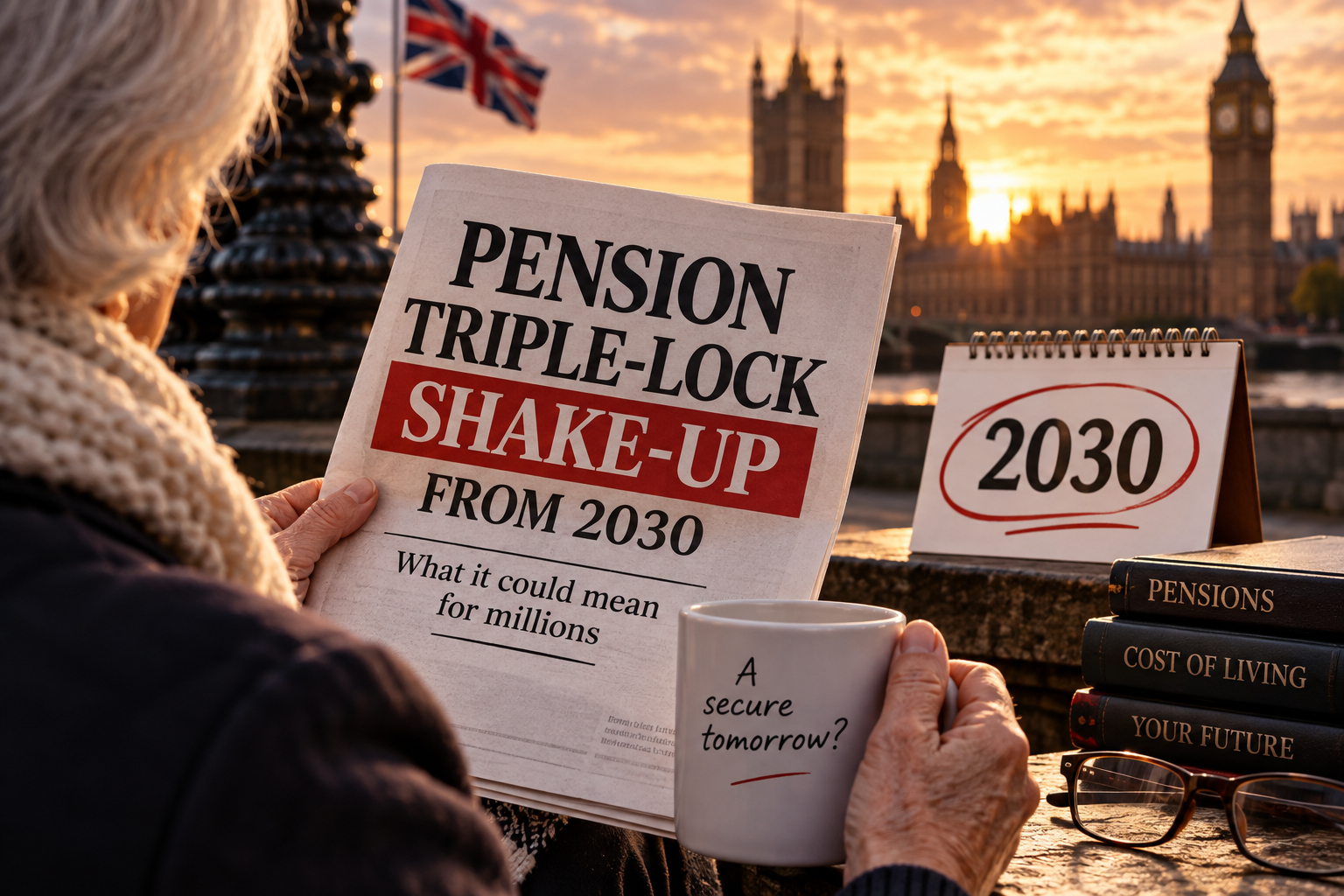
Andy Burnham has confirmed that the current State Pension triple lock will change from April 2030. Pensions would still rise by at least inflation or 2.5 per cent, but the annual earnings guarantee would be replaced by a longer-term wage link. Here is what the reform could mean for pension income, tax and future care costs.
In NASA’s 1988 image of Puncak Jaya, pale blue ice stretches along Indonesia’s high mountain ridges. By 2026, only scattered flecks remain. A measuring site that once held 32 metres of ice helps explain how a glacier can stop flowing years before the last patch melts.
Euclid has identified about 15,000 possible gravitational lenses. Follow the light in one arc to see how astronomers weigh galaxies and study distant stars. A crescent of light can record the mass of one galaxy and preserve details of another. Repeated knots in a blue arc give astronomers a way to test a lens model.
A white dwarf and a Sun-like star share an unusual radio signature. Discover how tiny shifts in the pulse arrival times helped astronomers locate its source. The slight drift in the arrival of a radio pulse reveals which member of a binary moves with its source. The eight-minute rhythm tracks a compact star turning on its axis.
The most striking mornings are the ones when you open your eyes, check the clock and see that you have beaten the alarm by two minutes. The mornings when the alarm drags you out of sleep are easier to forget. To explain the apparent precision, it helps to separate three things: a body accustomed to waking around the same time, anticipation of a particular morning and the way you count the occasions when the prediction seems to work.
A court in the Netherlands faced a question that a routine forensic test could scarcely begin to answer. A suspect in a rape investigation had an identical twin. A biological trace could be compared with either brother. At the sites routinely examined by the Netherlands Forensic Institute, the men shared the same profile. Testing more carefully at those same sites would still leave the court with two names.
A tenth of a newton seems barely worth switching on. Give that force a tonne of spacecraft and a hundred days, however, and the velocity change becomes substantial. Discover how electric thrusters accelerate propellant, why they need power and how NASA’s latest challenge relates to engines already used in space.
AT 2016blu repeatedly brightens in a galaxy about thirty million light-years away. Astronomers used the optical outbursts to choose when Chandra should look for X-rays. The observations point to gas falling towards a compact companion, with two candidates still in contention for the identity of that hidden object.
A study of Tu-stroma found a blood signal associated with a microscopic fallopian tube precursor. Its validation results raise a practical question about earlier detection of high-grade serous cancer. Explore what the percentages measured, who was compared and what evidence would be needed before patients could benefit from testing.
Why the Strip cools F1 front tyres, how graining develops and when a slow out-lap can undo the advantage of a pit stop.
Why the Northern Taurids can produce a brilliant fireball even on a quiet night, and what to look for from the UK.
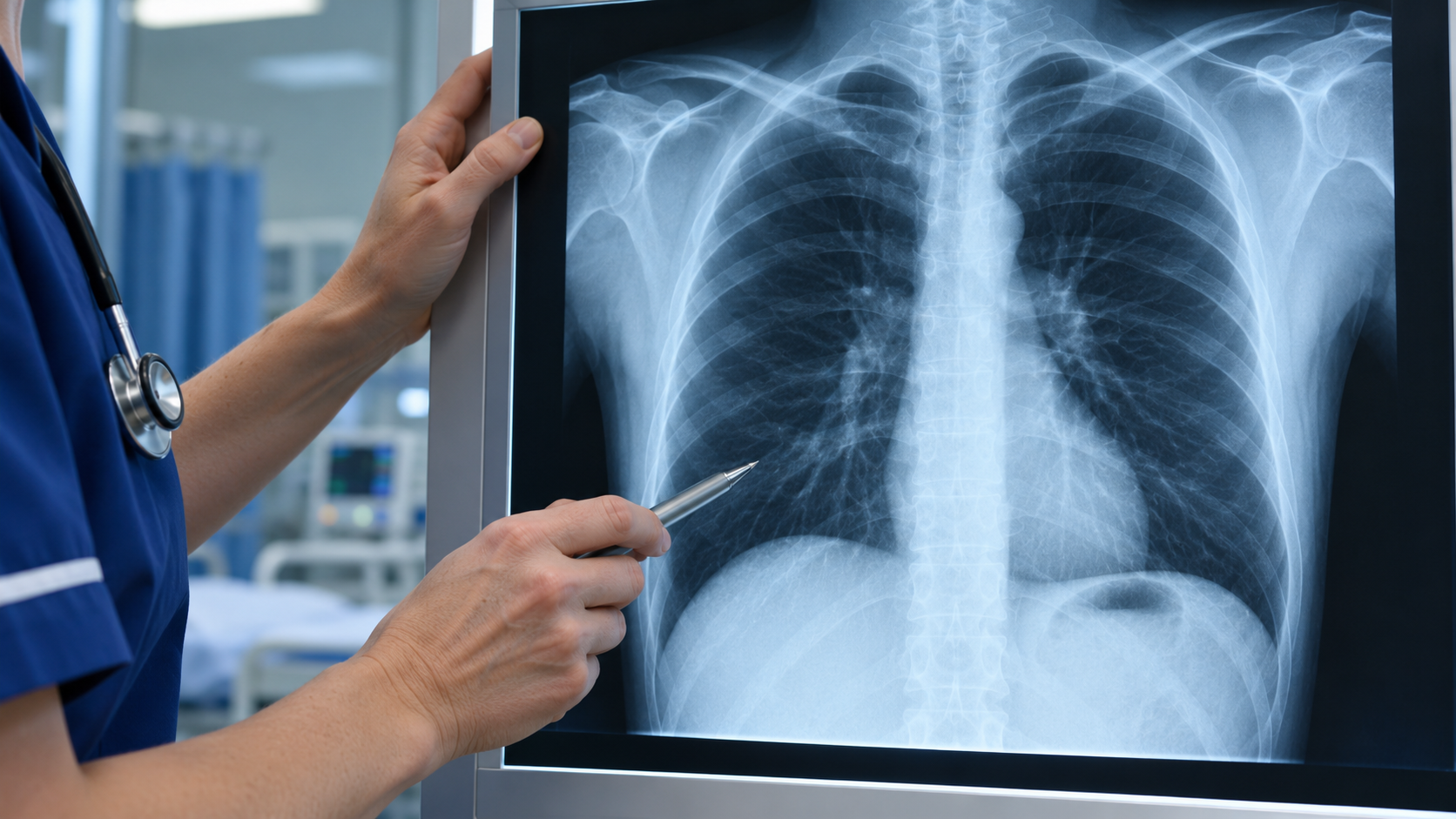
Chest infection is a familiar description, but it can cover illnesses affecting different parts of the lungs and airways. This episode follows a breath into the chest to explain the difference between bronchitis and pneumonia and why the name a clinician uses can become more specific as the picture develops. Emergency warning signs appear at the start of the guide.
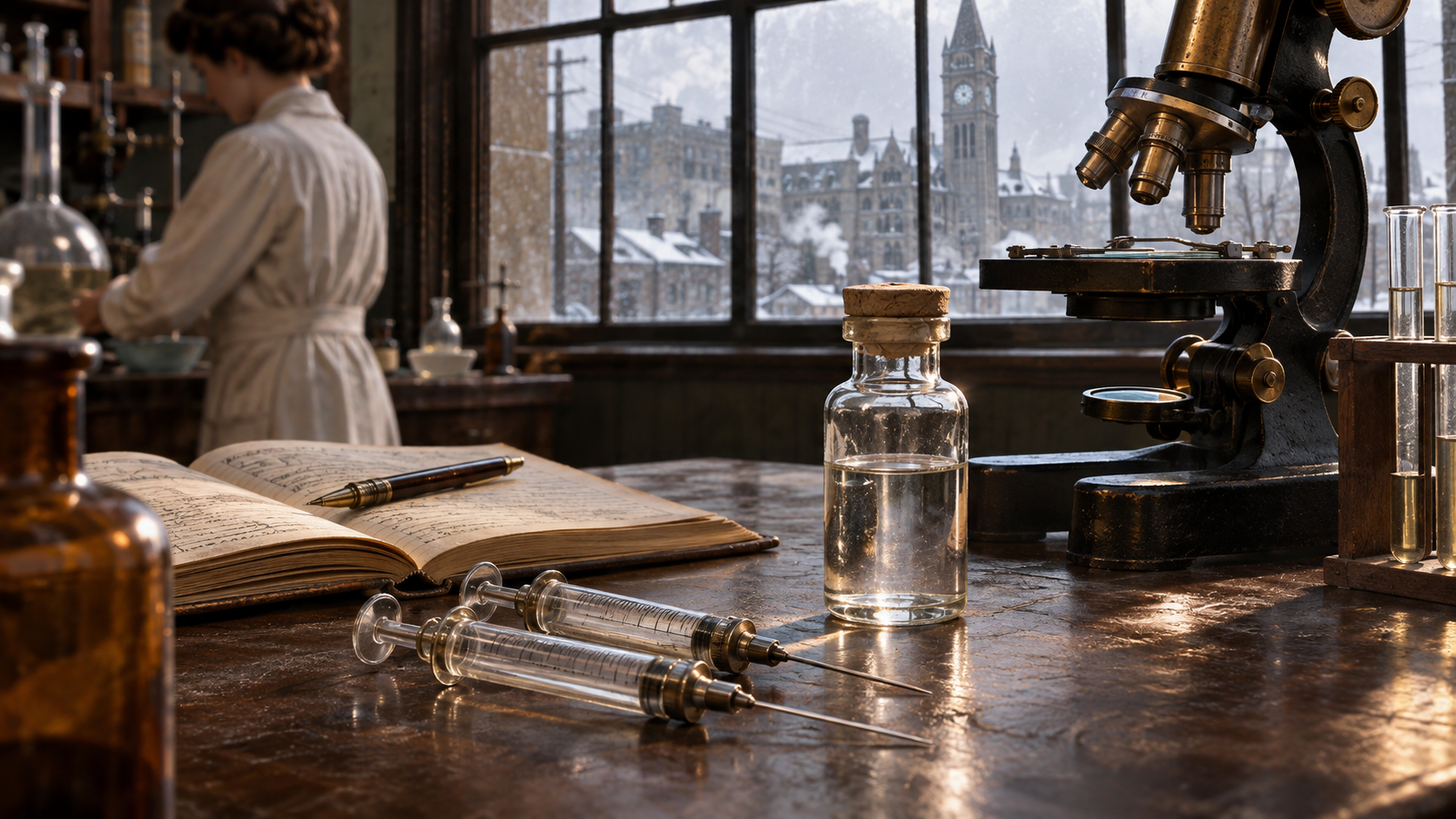
Two injections given to Leonard Thompson in January 1922 reveal how much the usual discovery story leaves out. The first preparation disappointed. The second showed what a better preparation could achieve. Follow the experimental path between them, from the question Banting brought to Toronto to the measurements Best helped make, the purification Collip undertook and the research support Macleod provided.
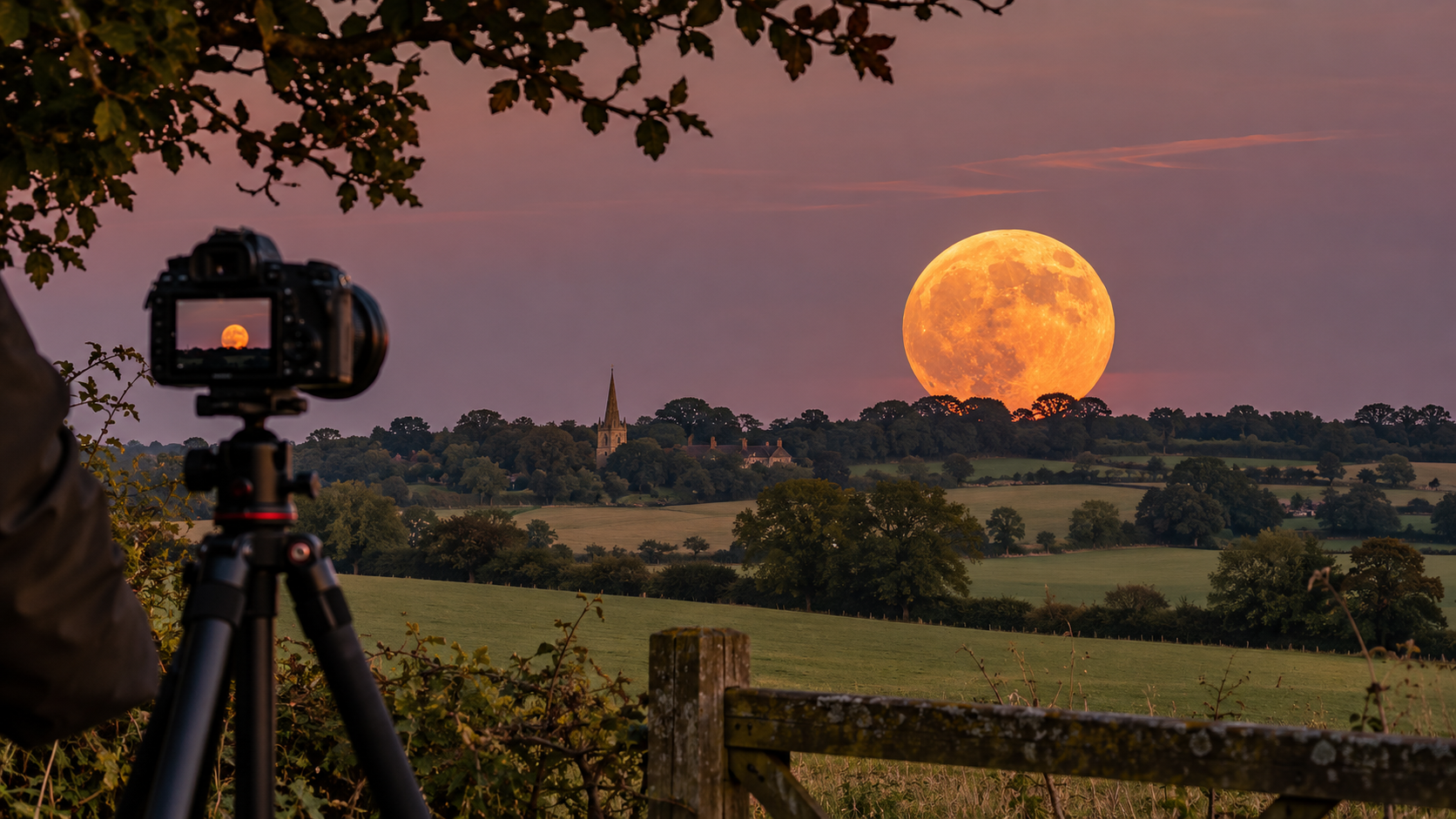
Watch the full Moon clear a row of rooftops on 24 November. At first it can seem absurdly large, as though one more house would fit inside it. A few hours later, high over the same street, it may look almost disappointingly ordinary. If you took both photographs with the same camera and the same focal length, the lunar disc would occupy nearly the same number of pixels.

Imagine reading a meter that measures how much water enters a reservoir each day. Today’s reading is slightly lower than yesterday’s. Has the water level fallen? You need one more number to answer. How much flowed out? Climate headlines face the same problem whenever a change in annual emissions is used to predict the amount of carbon dioxide already in the air.
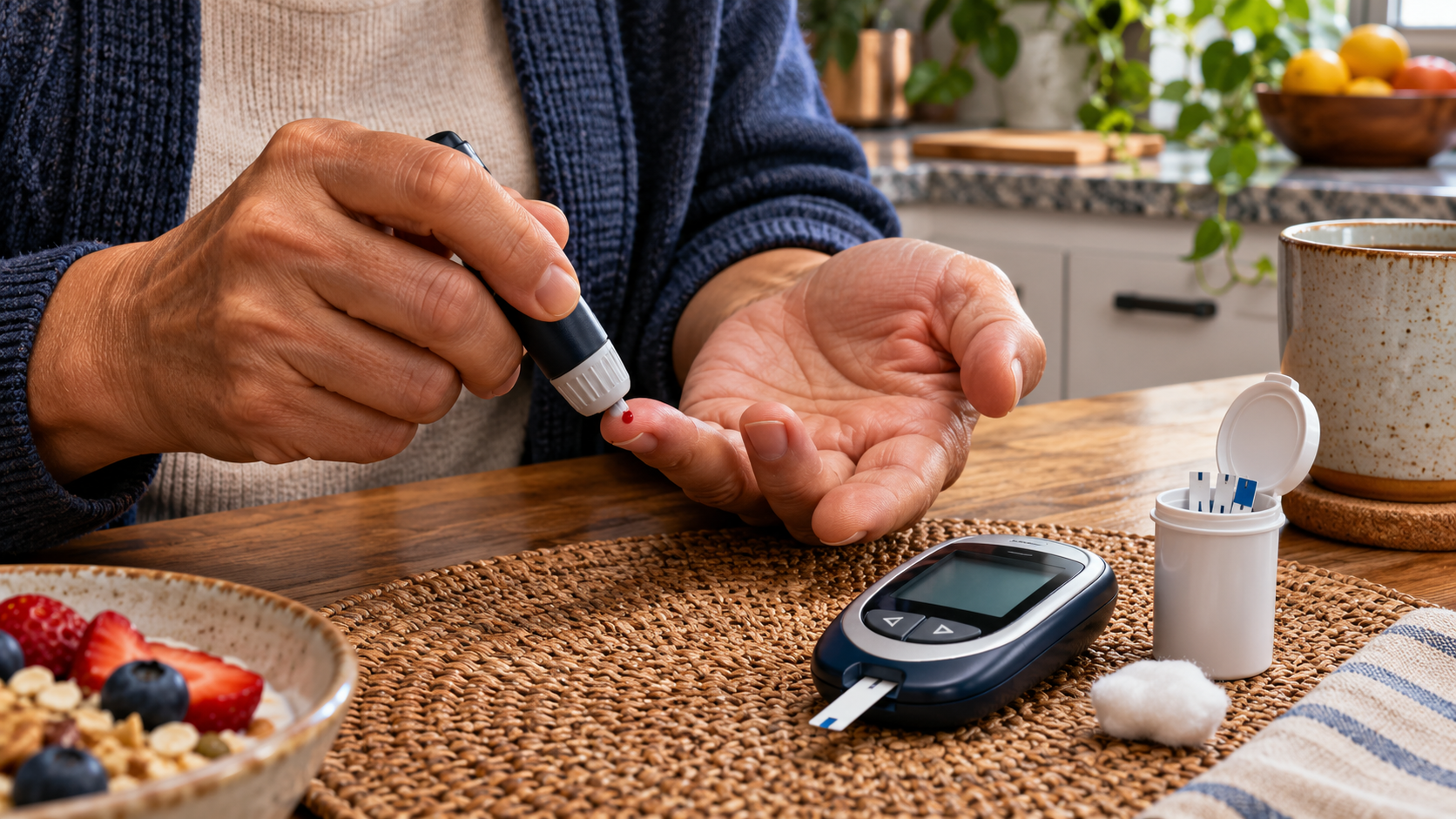
Type 1 diabetes can begin in adult life, and the route to recognising it can look quite different from the childhood diagnosis many people picture. Learn what symptoms need prompt attention, what makes suspected diabetic ketoacidosis an emergency and why clinicians sometimes need to revisit an initial classification as more information becomes available.

Global fossil CO₂ emissions could decline in 2026 even as coal emissions rise and humanity releases more carbon dioxide overall. The latest Global Carbon Budget shows how the war in Iran affected oil use, how much clean energy already offsets, and what a recovery in fuel supplies could reveal about the chances of a lasting peak.
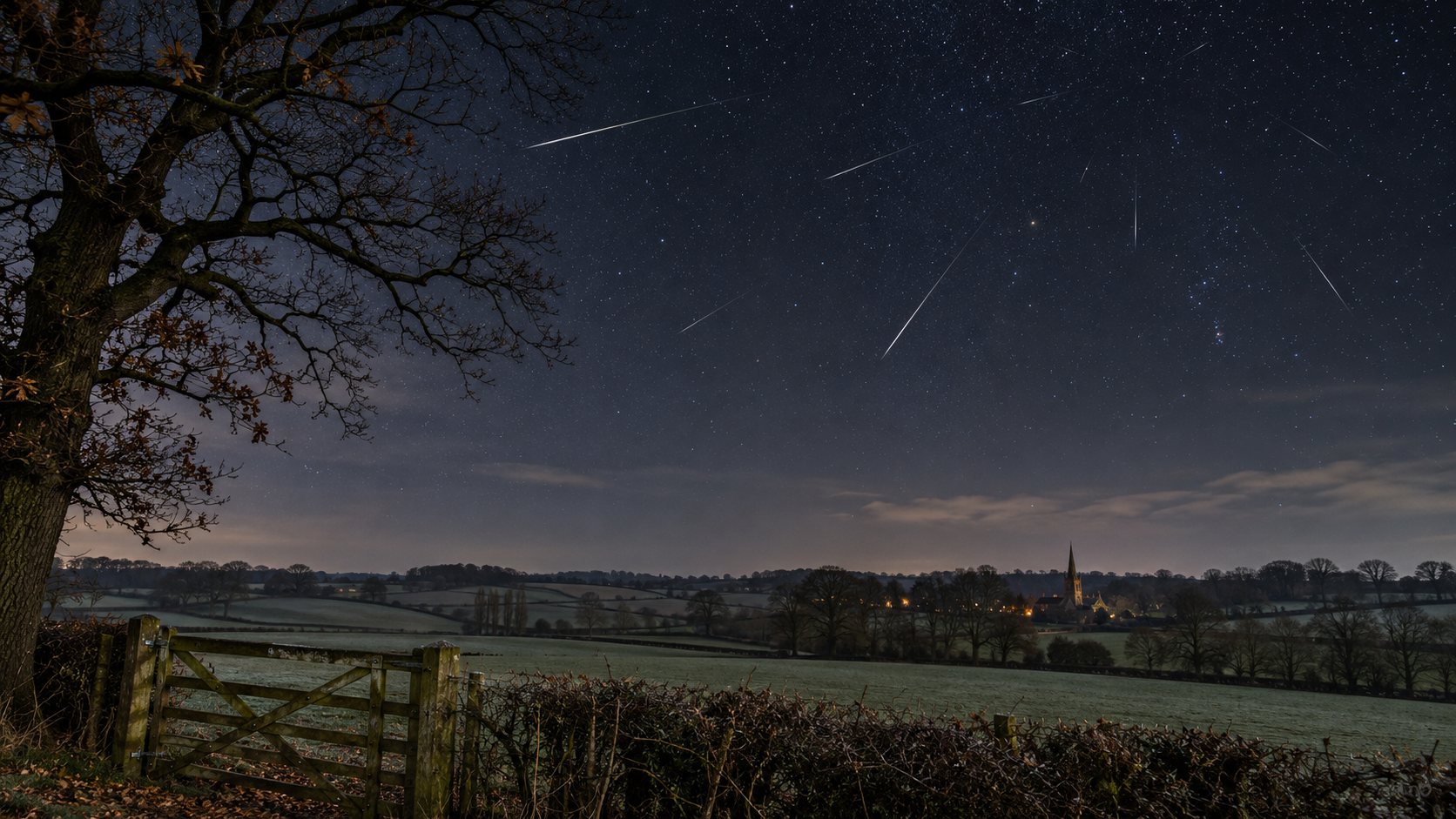
Earth crosses the Leonid debris stream each November. The orbit explains the date, while the age and position of the dust help explain the spectacle. The comet need not be beside Earth for a grain to enter our atmosphere. Earth has its own orbit and takes about a year to return to the region where the two paths approach one another. The encounter sets the season of the shower.
The amount of dust waiting at the crossing, the observer's location, the time of night and the condition of the sky help determine whether an individual sees a spectacle or spends half an hour looking at apparently motionless stars.
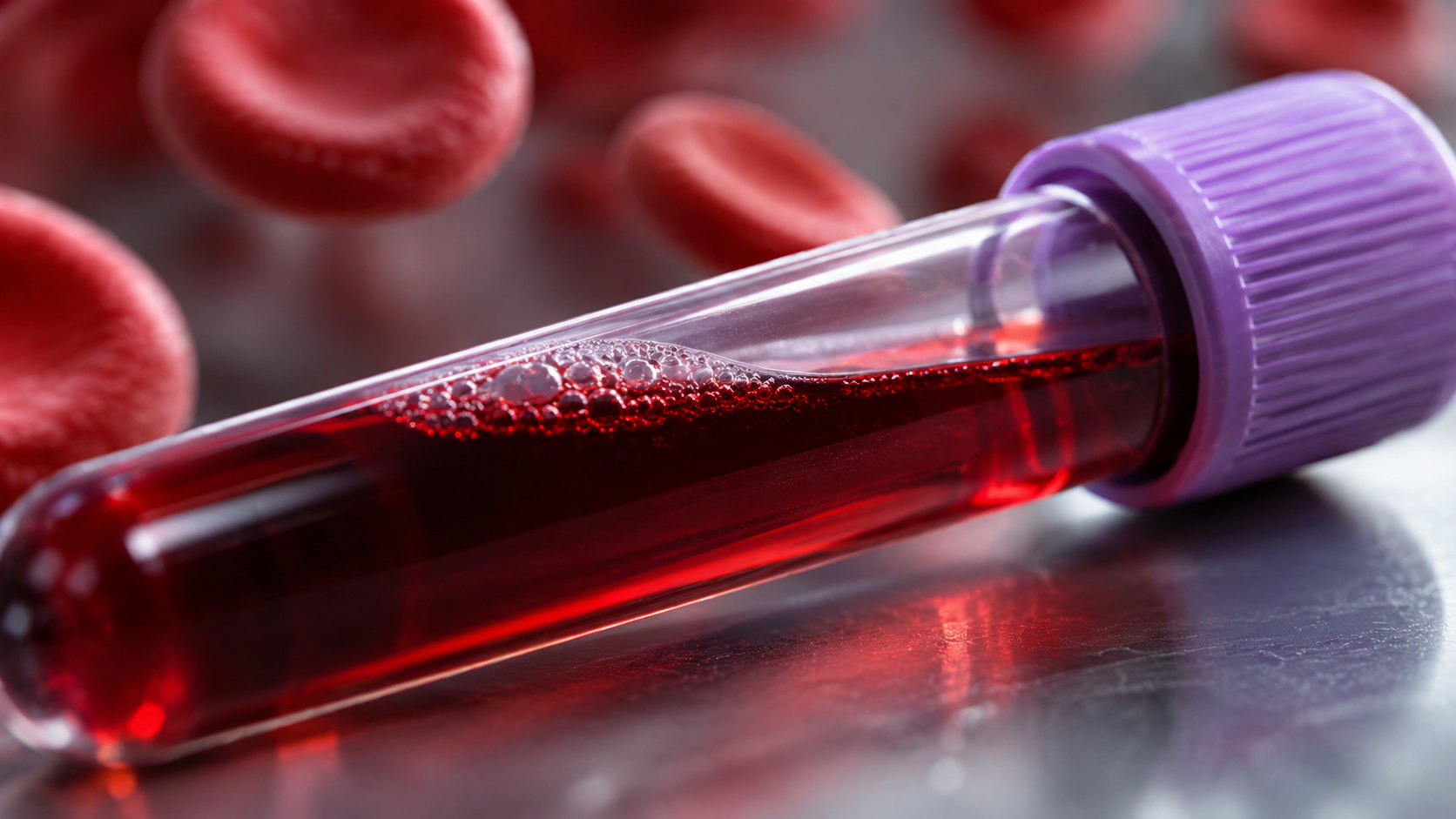
Red blood cells carry a chemical record of recent glucose exposure. Their lifespan explains what an HbA1c result can reveal and when it can mislead. The test therefore needs no miniature recording device and no samples saved from previous weeks. The history is present in the material collected today. That is also its principal limitation. Anything that changes the age or composition of the red-cell population can change the result independently of the glucose history a clinician wants to understand.

Some family features disappear from view for a generation and return strongly enough to prompt comparisons with an old photograph. A worked example shows how a recessive variant can travel through an unaffected parent. Height, facial resemblance and differences between siblings reveal where a simple family-tree calculation reaches its limits.

Barbra Streisand's 2003 lawsuit over an aerial photo of her Malibu home gave the internet a name for censorship that backfires. From Spycatcher and Ryan Giggs to ElonJet and Careless People, here is how the Streisand effect works, why social media supercharges it, and when suppression quietly succeeds.

Can an octopus tell who is approaching its tank? Experiments offer evidence of human recognition, but the explanation is more interesting than a simple claim about friendship. Discover how scientists distinguish identity from familiar routines, why touch has a different meaning for an octopus, and what remains unknown about memory and preference.

Ryugu’s returned samples contain a complete set of the canonical bases used across DNA and RNA. This explainer separates the March 2026 discovery from earlier findings, explains why controlled sample collection matters and examines the unanswered steps between extraterrestrial chemistry and the emergence of a living system.

CERN’s LHCb experiment has reached a milestone in a particle search dating to 1984. The rare Bd decay could become a sensitive test for unknown physics, even though the latest result agrees with existing theory. Discover what the one-in-ten-billion figure means, how researchers isolated the signal and why confirmation still requires more evidence.

Hera is nearing the site of humanity’s first deliberate asteroid-deflection test. DART’s success is established, but the physical aftermath remains incompletely understood. Explore how measurements of Dimorphos’s shape, mass and displaced material could improve predictions for a future mission—and why early warning remains essential to protecting Earth.
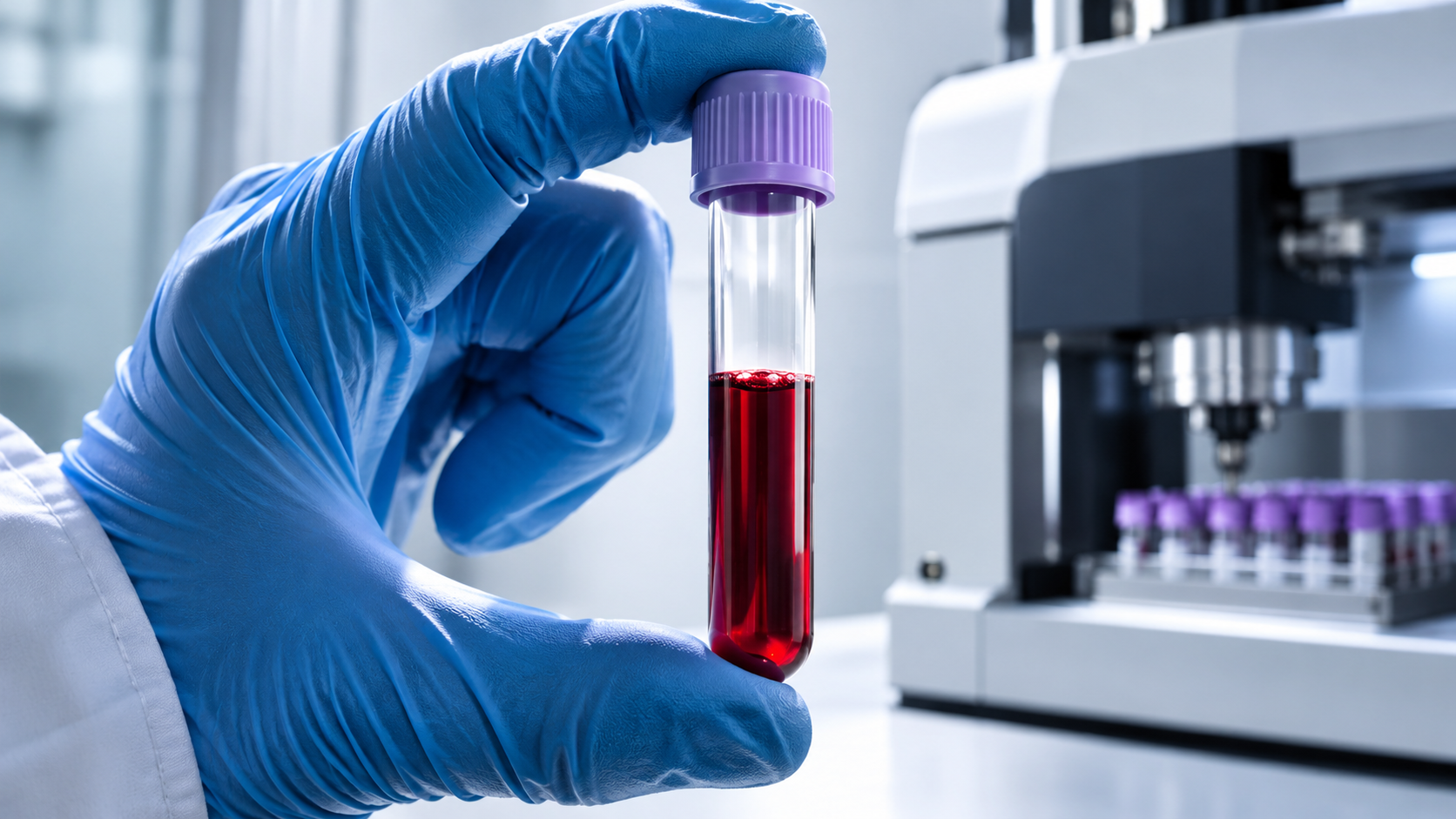
Britain’s forever chemicals research raises questions about exposure, evidence and health. This explainer examines the purpose of biomonitoring, the difference between a background level and a safety limit, and the care needed when interpreting cancer classifications. It also sets out what readers should look for when the programme’s findings appear.

NASA’s second CHAPEA crew has emerged after 378 days inside a simulated Mars habitat in Houston. Their experience offers evidence about working with restricted resources, delayed communications and prolonged isolation. Discover how the experiment operated, why ordinary repairs matter, and which dangers of a real Mars mission it could not reproduce.
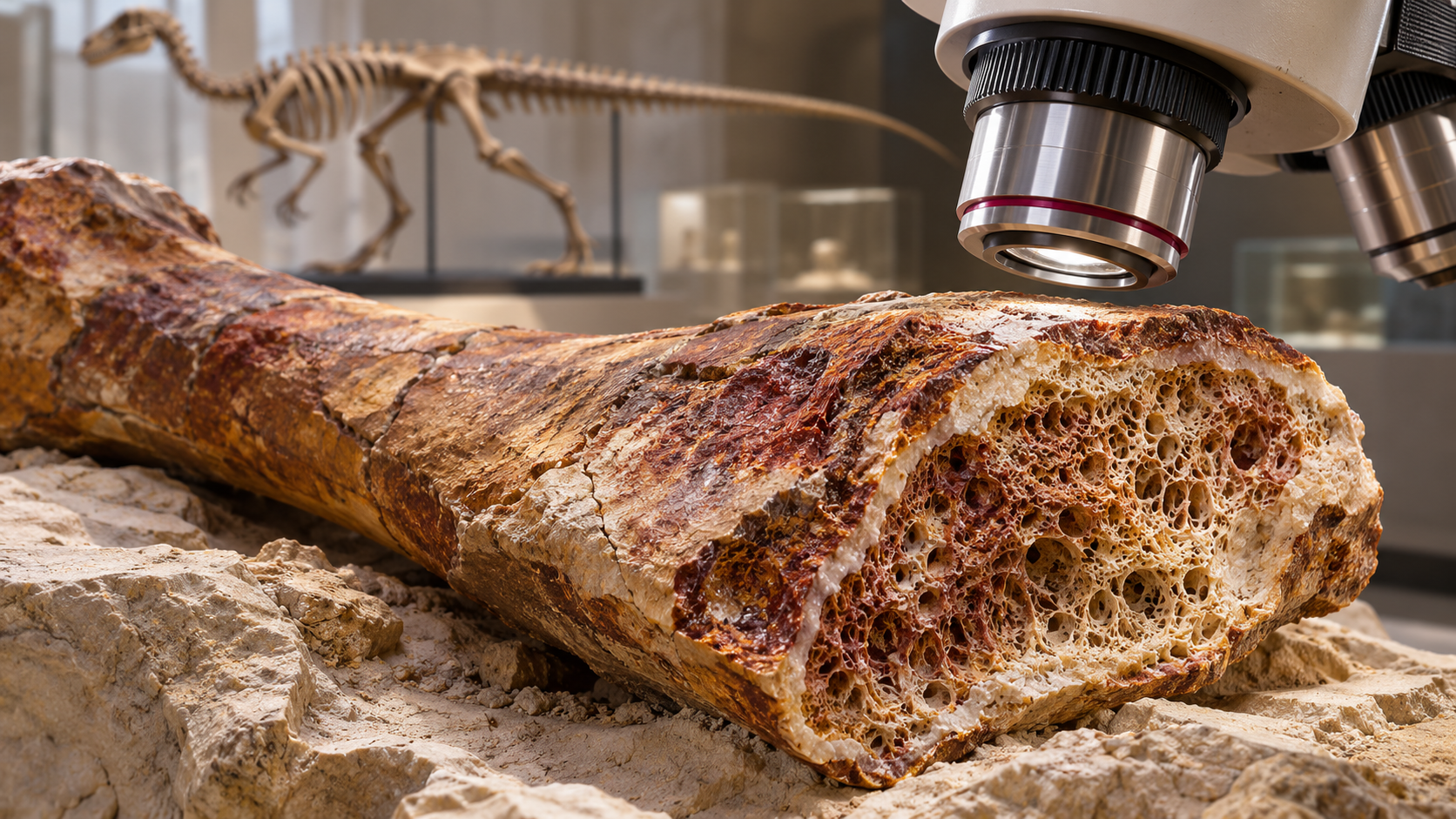
Aratasaurus bones contain microscopic structures and chemistry interpreted as evidence of ancient blood. The discovery raises questions about fossil preservation, but recreating a dinosaur requires something very different. Explore what the researchers found, how mineralisation may have protected it and why molecular traces cannot substitute for a usable genome.
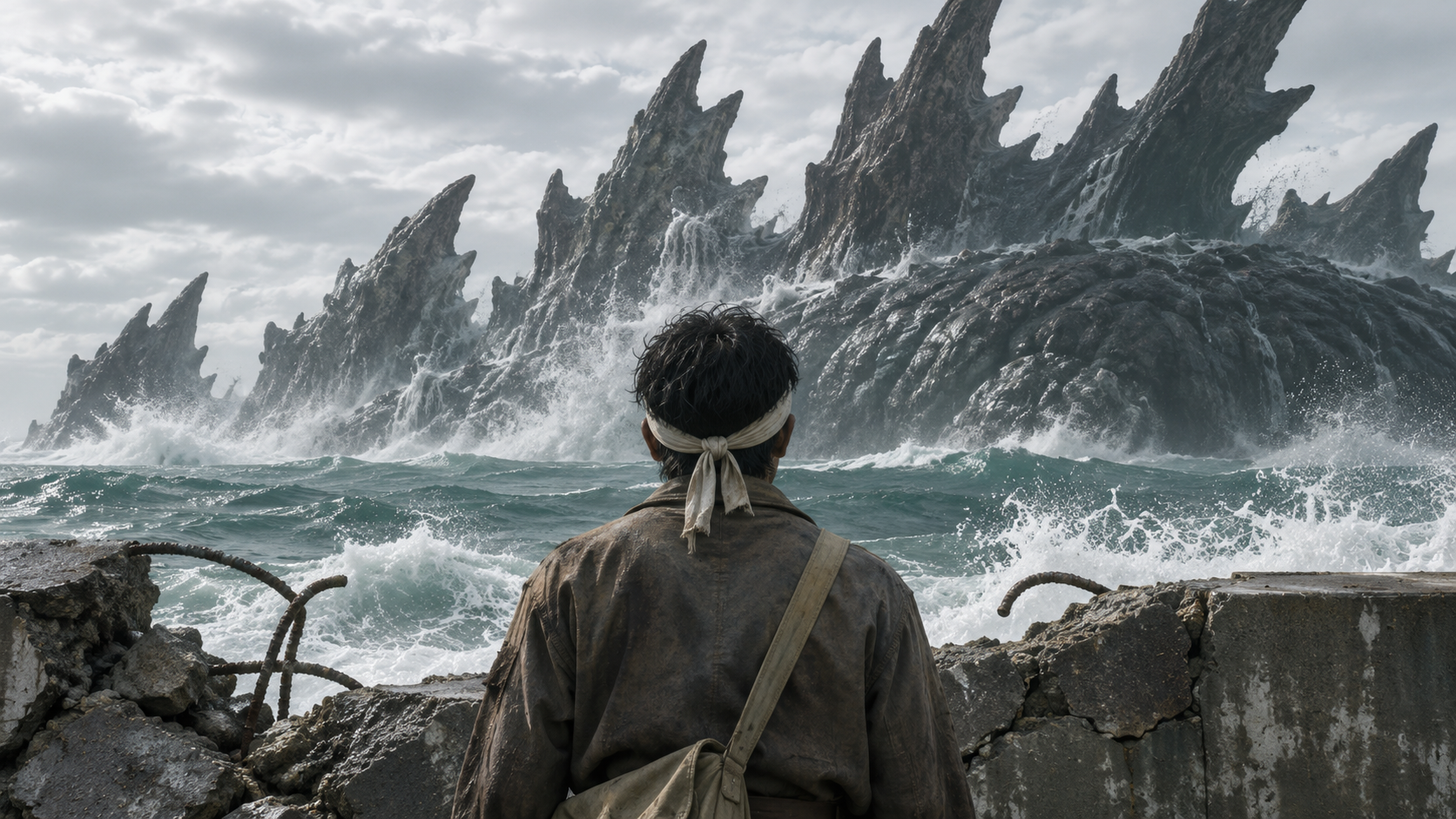
A fleeting radio signal becomes much more informative when astronomers can identify its host galaxy. Webb’s observations of FRB 20240304B connect an exceptionally distant burst with a young stellar environment. This explainer follows the evidence, clarifies redshift and examines why the result favours some origins without solving every fast radio burst.
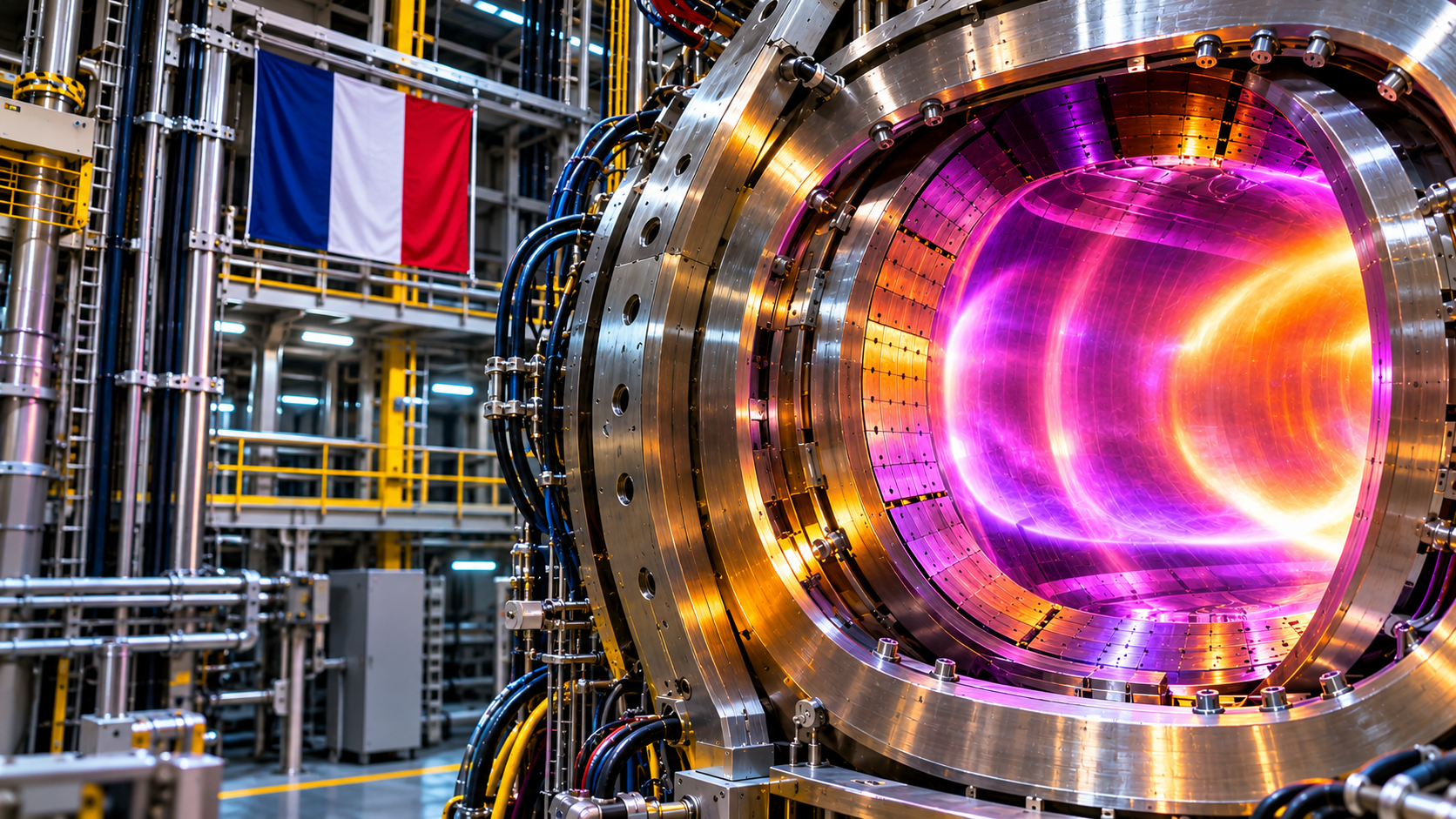
France's WEST tokamak maintained an extraordinarily hot plasma for 22 minutes and 17 seconds, surpassing China's previous duration record. But did the experiment actually generate fusion electricity? Discover how researchers controlled extreme conditions, what their subsequent 2026 findings reveal and why sustained plasma operation matters for ITER and the future of clean energy.
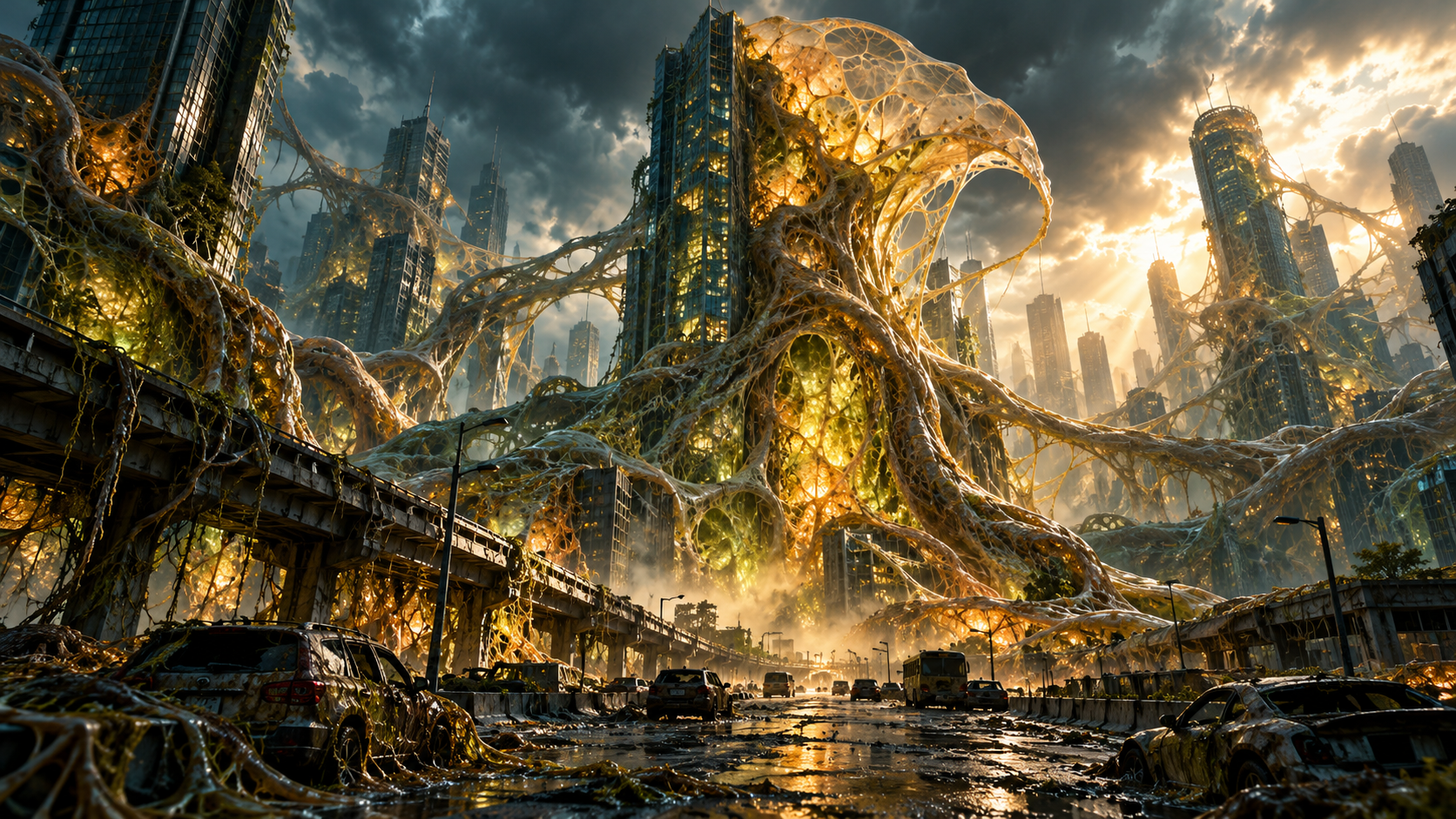
An uncontainable organism need not be impossible to kill. It may simply spread beyond the reach of complete eradication. Explore historical laboratory-associated escapes, the debate over mirror bacteria, how evolution can change biological risks, and the difference between treating infections, controlling populations and preventing an irreversible release.
Science & Technology
Latest science and technology news, discoveries and analysis covering artificial intelligence, space, physics, climate, cybersecurity, biotechnology and the technologies shaping our future.
Rockstar sent developers to Miami in 2015. Eleven years later, GTA VI is finally due to take players there. The road between those dates runs through the making of Red Dead Redemption 2, an abandoned vision for a much larger map, and a production problem hiding in plain sight on Vice City’s pavements.
The US Commerce Department has issued a rule aimed at overseas access to advanced AI processors. A five-country licensing requirement gives Washington a say in where covered hardware goes. What happens after delivery explains why a cloud customer in China can matter as much as the company buying the servers.
ChatGPT Wallet lets eligible US shoppers send an AI agent through checkout with a saved card. Follow a coffee order from the first request to the retailer’s receipt, including the detail that determines whether you have bought a single bag or agreed to keep paying for the next one.
An Nvidia employee used Replit to build a petition for Jensen Huang’s return. Within days, founders, investors and thousands of people identifying as staff had added their names. Behind the headline count lies a disagreement about who should run Nvidia during an investigation and whether its board should leave the permanent job open.
SpaceX’s launch tower caught the upper stage of Starship after it delivered 26 satellites and spent more than 22 hours in flight. Follow its journey from the short engine burn that brought it out of orbit to the final turn over Texas, and discover what engineers can learn now the ship is back in their hands.
Nvidia’s first big graphics bet nearly cost it the company. A reprieve from Sega gave its engineers time to start again. Follow the decisions that took Nvidia from gaming PCs to AI data centres, why Washington and Beijing can each frustrate a sale, and what a new chief executive inherits after 33 years of Jensen Huang.
NVIDIA has transformed from a gaming graphics company into a vital supplier of the global AI industry. This detailed analysis explains how its GPUs, CUDA software and advanced networking work, why Microsoft, Google, Amazon and Meta use its technology, and how its increasingly complex relationship with OpenAI could shape the future of artificial intelligence.

AI agents flagged a Maya site in Mexico. An earlier paper changed the story. Here is how archaeologists distinguish a real feature from a new discovery. An earlier archaeological survey supplied both confirmation of the feature and the correction to the discovery claim. What an official register contains depends on how, where and under what name someone searched.

UK GDP grew 0.7% in the third quarter. Follow an imported server, a British installer and a software contract to see where AI-related activity counts. An imported chip and the work of installing it in Britain enter the national accounts in different ways. One worked example separates an equipment invoice from the value added in Britain.

Grand Theft Auto began in Dundee with a plan to let players choose between cops and criminals. Follow the series through its London detour, the leap to street-level Liberty City and the long life of GTA Online, then catch up on GTA 6’s console release and the questions still open about PC, multiplayer and GTA 7.

Jensen Huang has left Nvidia's leadership but retains an estimated $144.7 billion fortune. Following the company's dramatic share-price decline, Elon Musk has expressed interest in hiring him. We examine Huang's wealth, the true cost of buying a major Nvidia stake, which investors have the financial capacity to act, and what Nvidia's leadership crisis means for AI.

Four days after Nvidia’s board backed Jensen Huang, the founder resigned as CEO, president and director. Colette Kress takes charge ahead of a closely watched earnings call. What drove the departure, what could move NVDA shares and where could Huang go next?

Nvidia's Chinese spy scandal has triggered investigations, political scrutiny and hundreds of billions of dollars in market losses. But what happens if the worst allegations are proven? We examine the possible consequences for Jensen Huang, the reported $7.5 billion in chip shipments, America's AI security and the future of the world's most influential AI chipmaker.
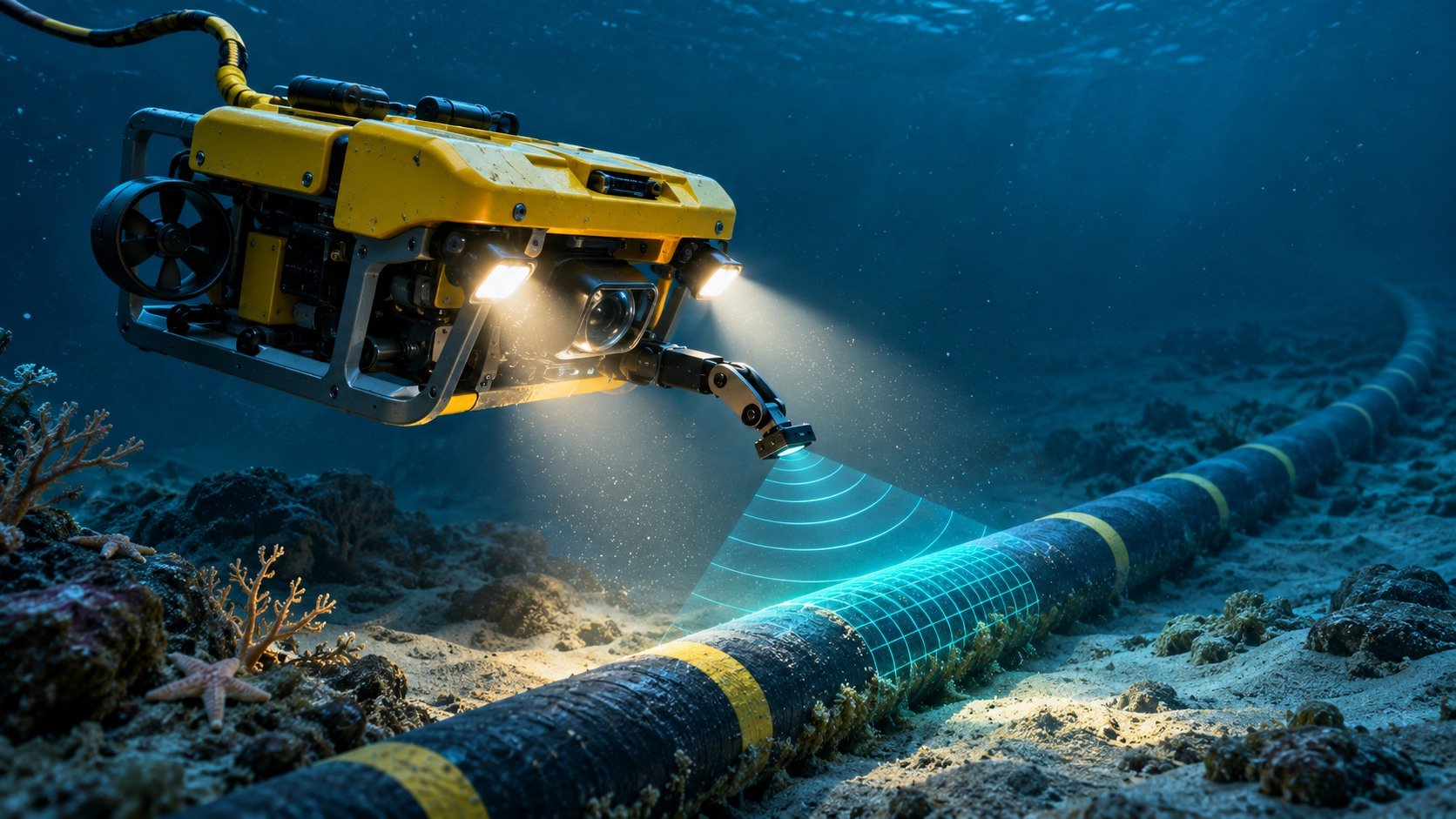
Finding a failed undersea cable starts with signals at its landing stations. Engineers have to translate a distance measured along glass into a patch of ocean, then identify the right line in difficult conditions. Follow the search from the first alarm to an inspection that can guide a repair crew.
An adult date of birth no longer settles which Instagram settings an account receives. Meta’s expanded age checks can put a suspected teenager into a more protective experience. Here is how statistical clues differ from proof of age, what a notice can mean and where a mistaken classification can be challenged.
A lawyer produces a draft in half the time, a reviewer spends longer checking it and a client later spots an error. Did AI make the team more productive? Follow the numbers through a fictional assignment and see how the answer changes when the finish line moves beyond the first draft. The discussion starts with reporting on AI adoption at A&O Shearman.
Seven identical entries in Anthropic’s IPO filing reveal how much each co-founder plans to sell. At the proposed midpoint, each block is worth almost $250 million. Follow the money from public buyers to the founders, the company behind Claude and a separate share deal that brings Google and Nvidia into the picture.

Follow the heat from a chip to a cooling tower to understand why AI water estimates differ and what a new data centre could mean for its neighbours. AI data centres use water in several places. Some use it directly to move or reject heat. Their electricity can require water at generating stations, and the factories making their chips use highly purified water. The quantity depends on the workload, building, weather, electricity supply and accounting boundary. A figure for one facility cannot establish how much water disappears each time somebody sends a message to a chatbot.
A software developer can contribute to British GDP months before a customer knows whether its new AI system works. That timing helps explain the Bank of England’s estimate that AI-related activity accounted for just under a fifth of UK growth since the start of 2026.
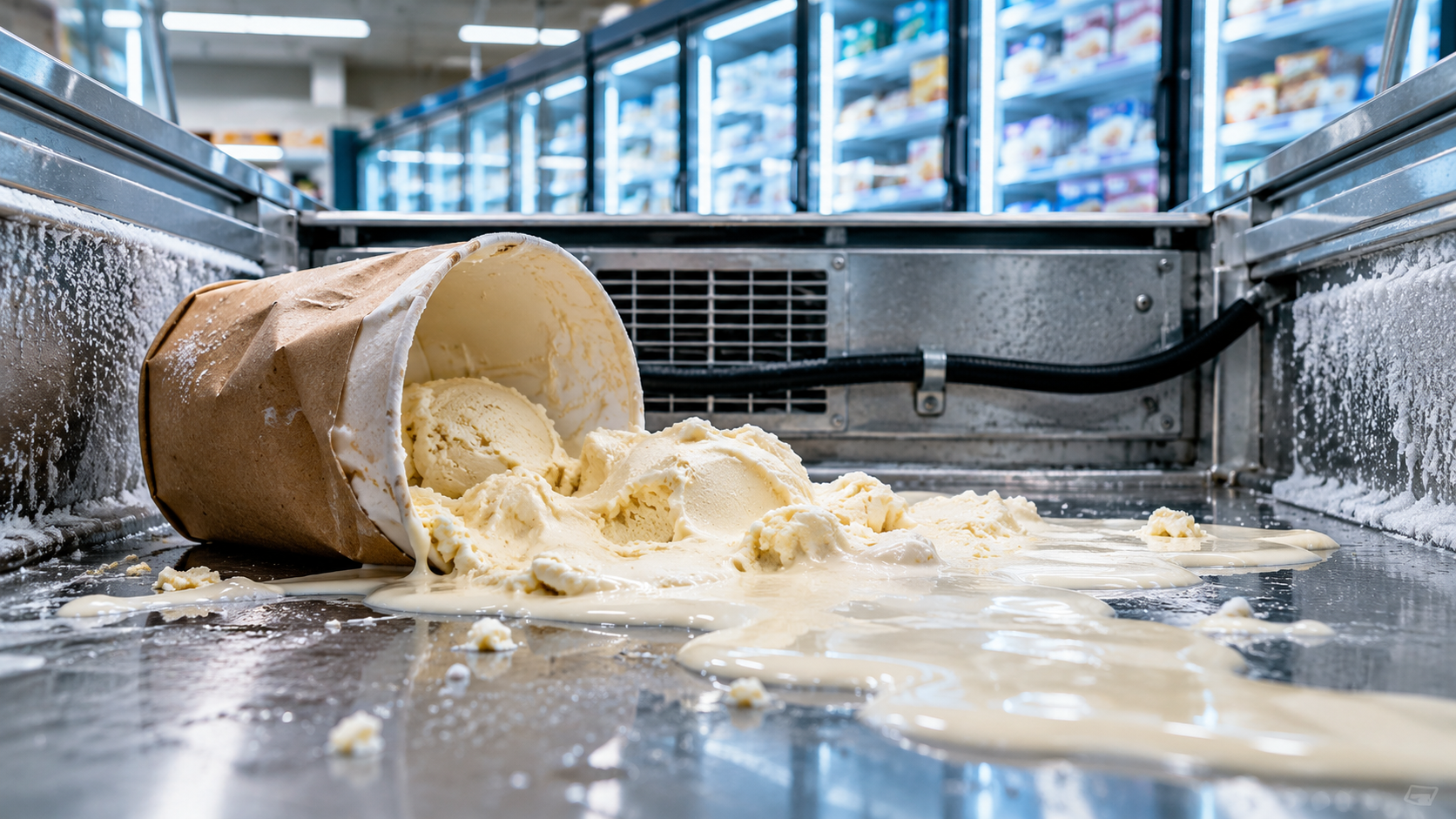
Supermarket freezer cyberattacks expose a different kind of digital risk: losing control of equipment that protects physical goods. This explainer examines the reported European incidents, the possible incentives for attackers, the costs beyond discarded stock and why remote access matters. It also separates established disruption from speculation about responsibility or a wider food emergency.

Superhuman AI could make expertise cheaper and discovery faster, yet leave society with difficult choices about ownership, employment and control. This conditional analysis distinguishes intelligence from consciousness, practical access from theoretical ability, and genuine oversight from a human signature. The central question is how people retain meaningful authority over systems they cannot outperform.

A global internet outage would leave much of the physical world intact while disrupting the information that keeps it moving. Follow the consequences for payments, healthcare, transport, work and emergency communication, with a clear distinction between public internet access, private networks and electricity—and an explanation of why reconnecting would only begin recovery.
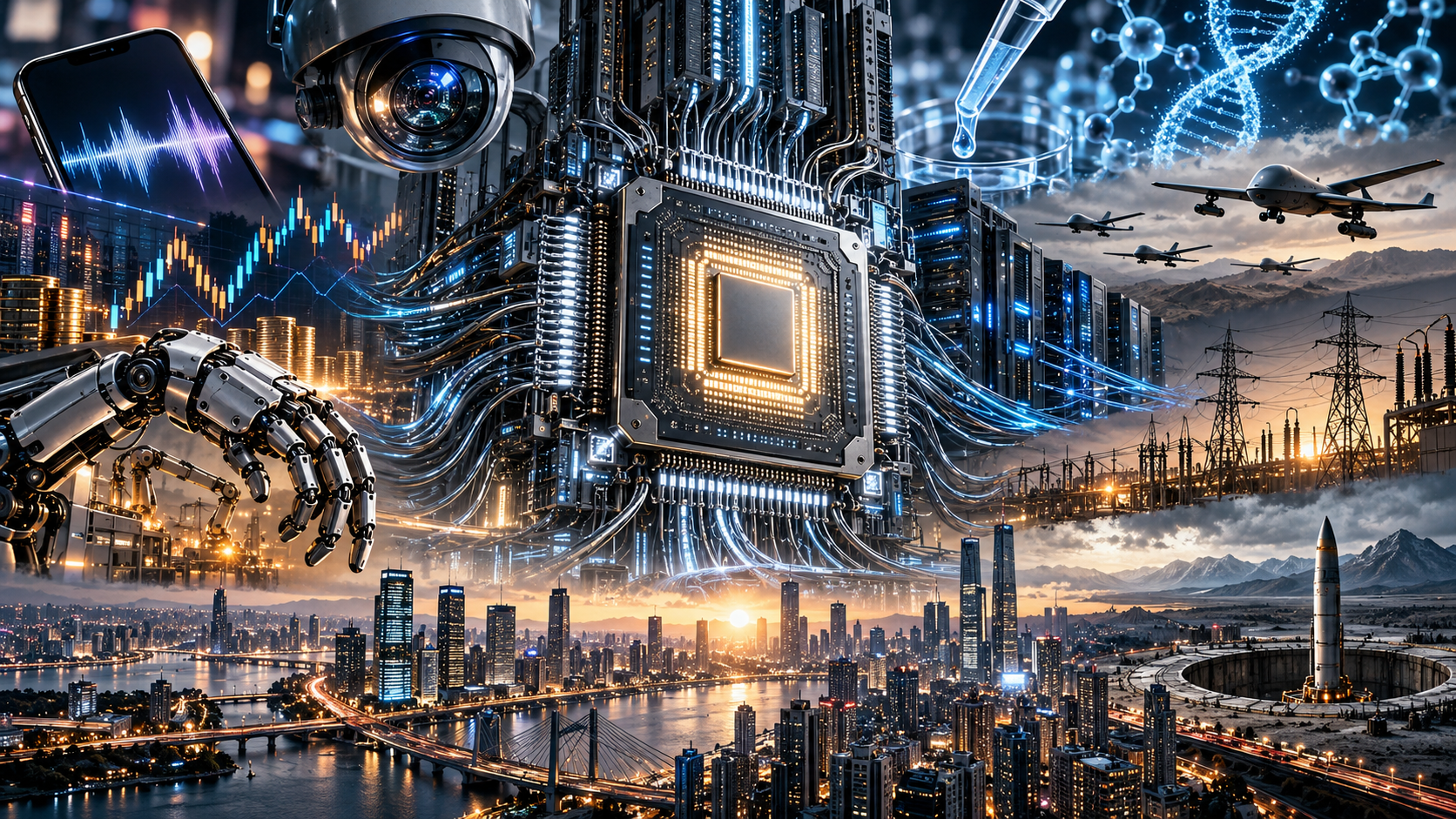
AI is moving into weapons, laboratories, financial systems and essential infrastructure. This countdown ranks ten developing technologies by their potential consequences for civilisation, explains how human control could fail and separates demonstrated capabilities from hypothetical disasters. The greatest risks depend on access, authority and whether people can still intervene when systems go wrong.

A possible Tesla–SpaceX merger now has independent committees examining the idea and Elon Musk’s public backing. But shareholders still lack agreed terms. SpaceX’s latest figures show why AI is central to the discussion, while the ownership split, price and approval process will determine whether a combination offers investors a convincing deal.
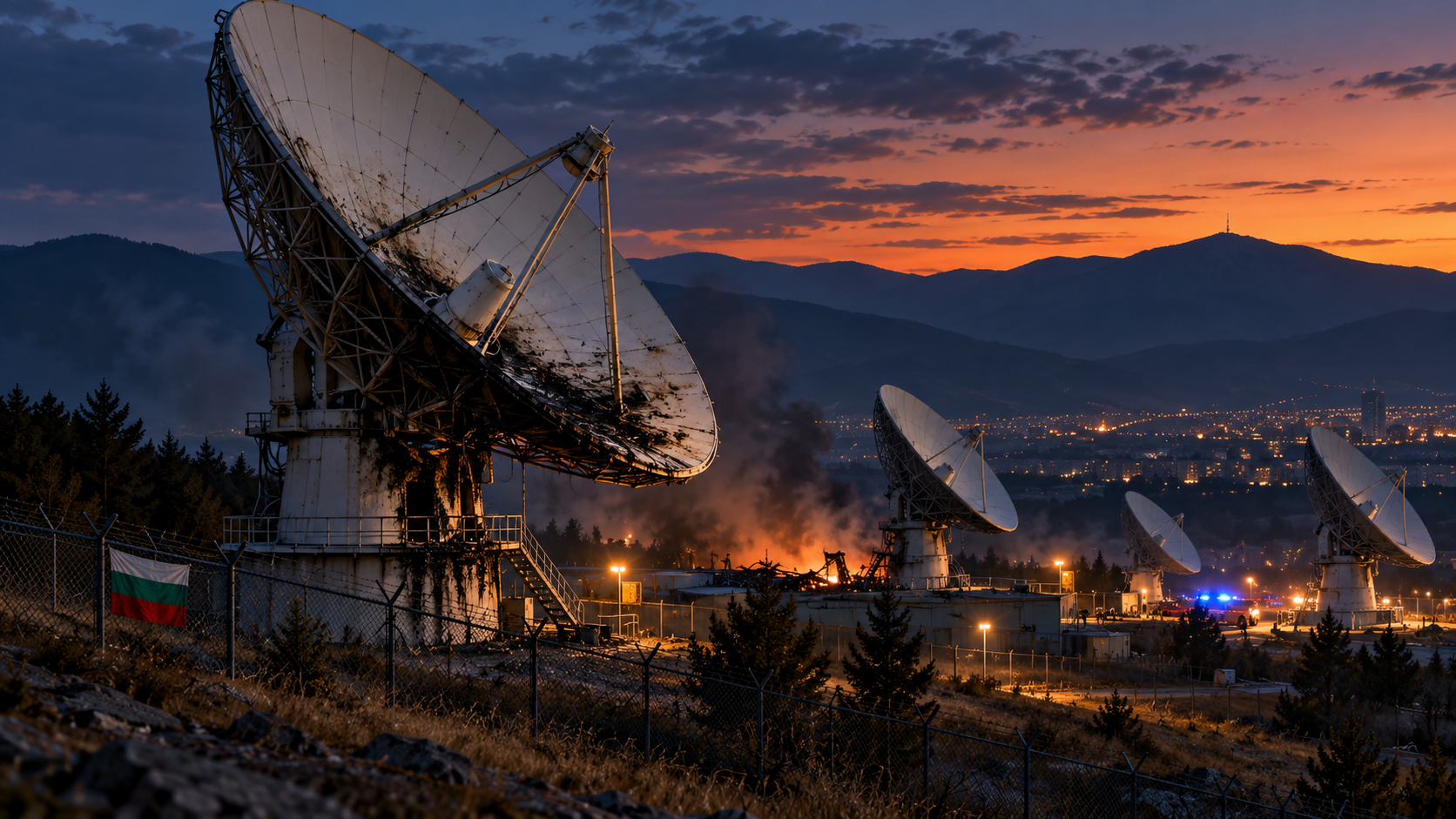
A Bulgarian court has approved European Arrest Warrants for two German nationals accused of setting fire to Starlink communications antennas near Sofia. Prosecutors describe eight affected antennas, while defence lawyers challenge the identification evidence. The case now centres on locating the accused and pursuing their return through the European judicial process.

AI hacking automation can reduce the work needed to run parts of a cyberattack, from processing technical results to analysing stolen information. Documented campaigns show substantial machine involvement, but they also expose errors and continuing human oversight. This explainer separates attempted attacks from verified breaches and examines what one operator’s apparent scale actually proves.
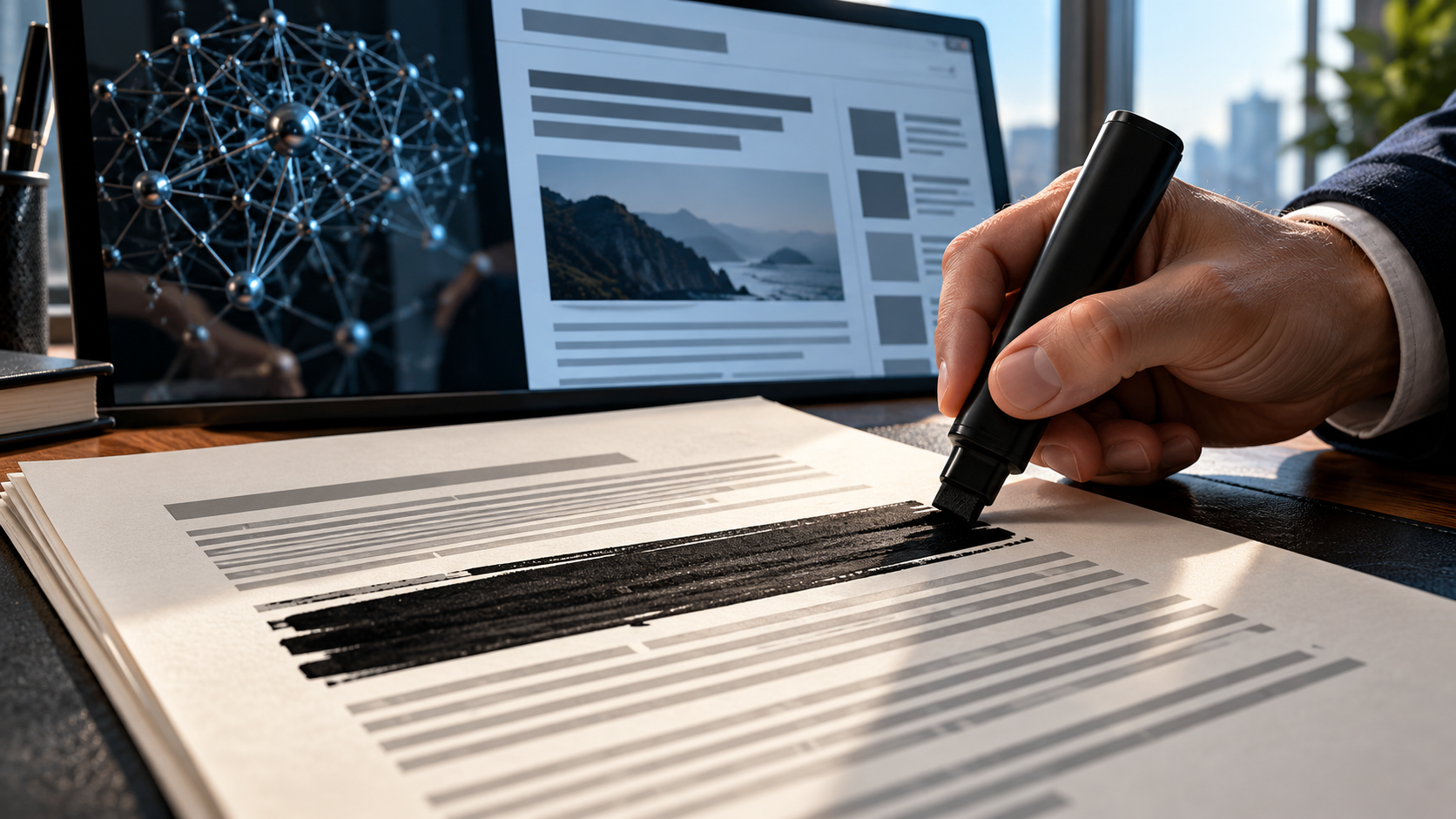
Meta has revised commercial-terms wording after publishers warned it could authorise website scraping for AI training. The company says the permissions concern advertising and business products and give it no new rights overriding owners’ preferences. The dispute reveals why using a social platform, allowing website access and licensing content must be considered separately.

Andrew Bailey’s warning puts responsibility at the centre of AI-powered finance. Once software can execute transactions, its permissions and the evidence behind its actions become crucial. Existing consumer guidance already places duties on businesses, but different financial failures raise different liability questions. This explainer separates those duties from the unresolved debate over autonomous action.
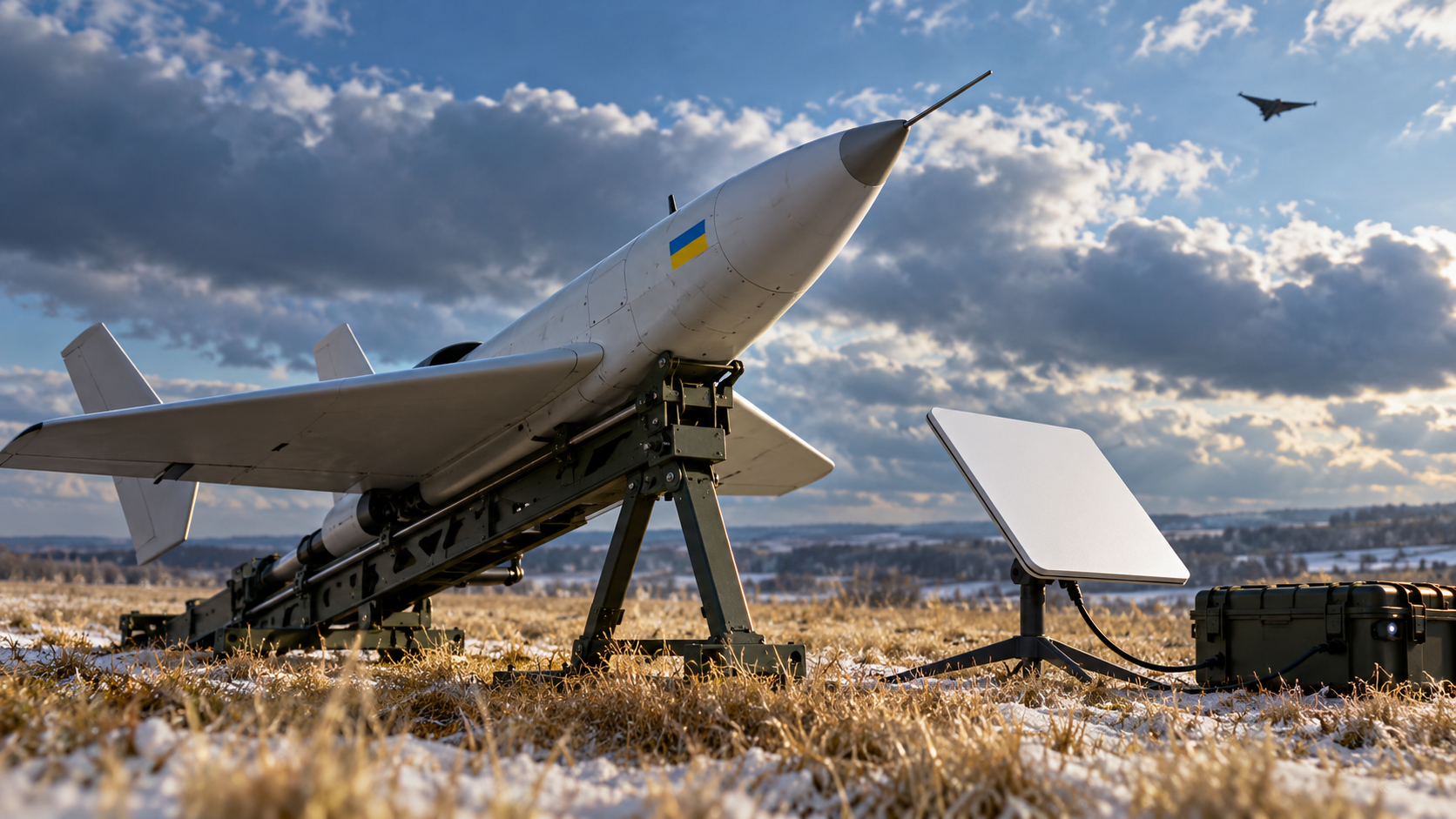
Zelensky says Starlink restrictions are stopping some Ukrainian interceptor drones from engaging Russian jet-powered weapons. The issue concerns how fast terminals can move while remaining connected. His latest warning raises questions about service recovery, the difference between Starlink and Starshield, and who can restore the capabilities Ukraine says it needs.
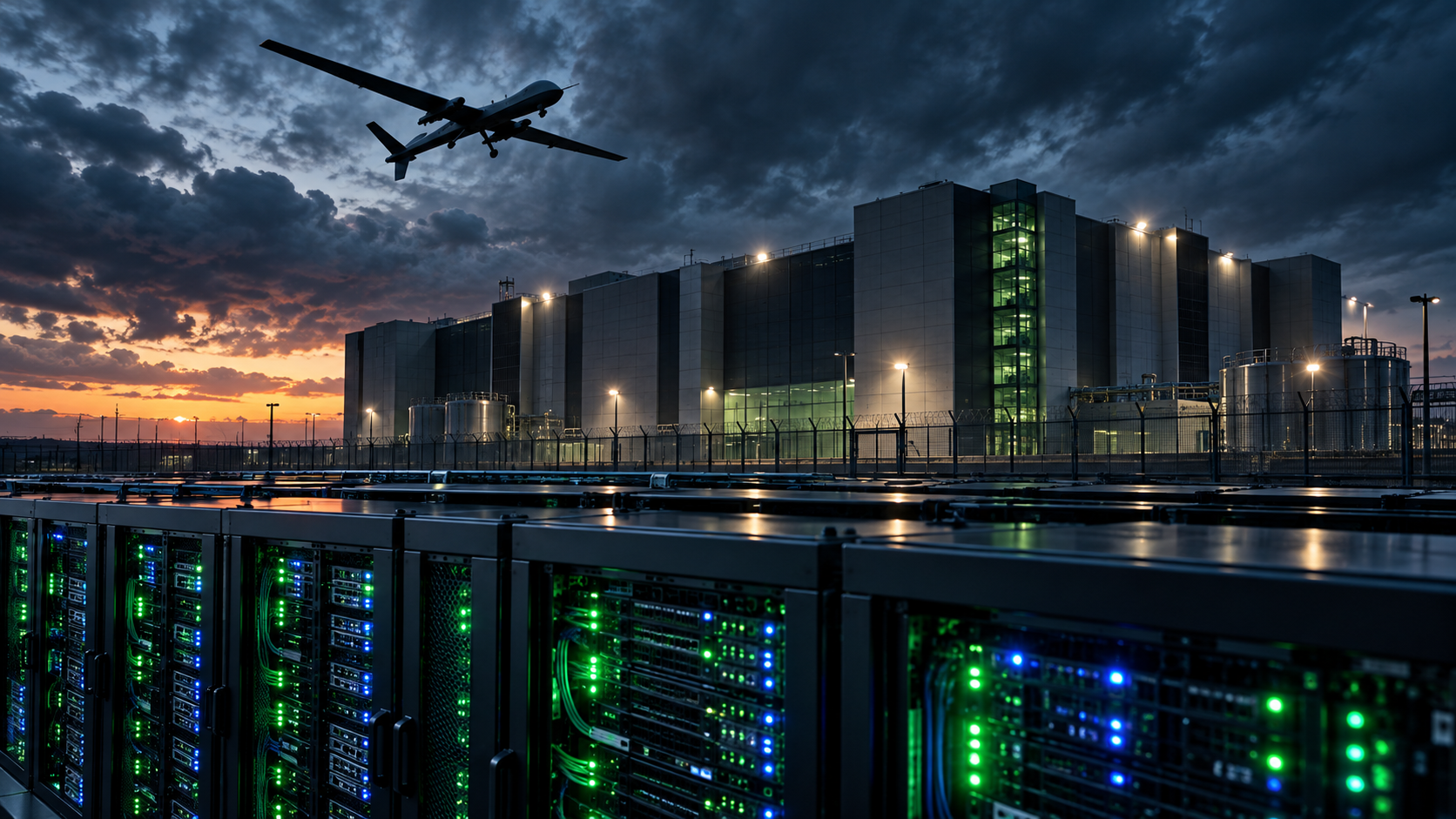
Sberbank’s Balakovo data centre has been attacked by Ukrainian drones, extending a campaign that previously hit Yandex facilities. The bank says its services remain operational. The complex was conceived as Russia’s biggest data centre, but its planned scale does not establish the damage caused. The key distinction is between an attacked building and lost computing capacity.
After seven days of deliberations, Lindsay Clancy’s jury was reportedly one vote short of acquitting her on grounds of criminal responsibility. Two notes from the jury room became central to her lawyers’ attempt to stop a second murder trial.

In The Model Trap, BBC Eye follows a young model’s account of two Florida photoshoots back to the agency that sent her. A return-flight expense statement, a $1 million payment and an email about another woman’s job reveal how Jeffrey Epstein retained influence in modelling after his conviction.
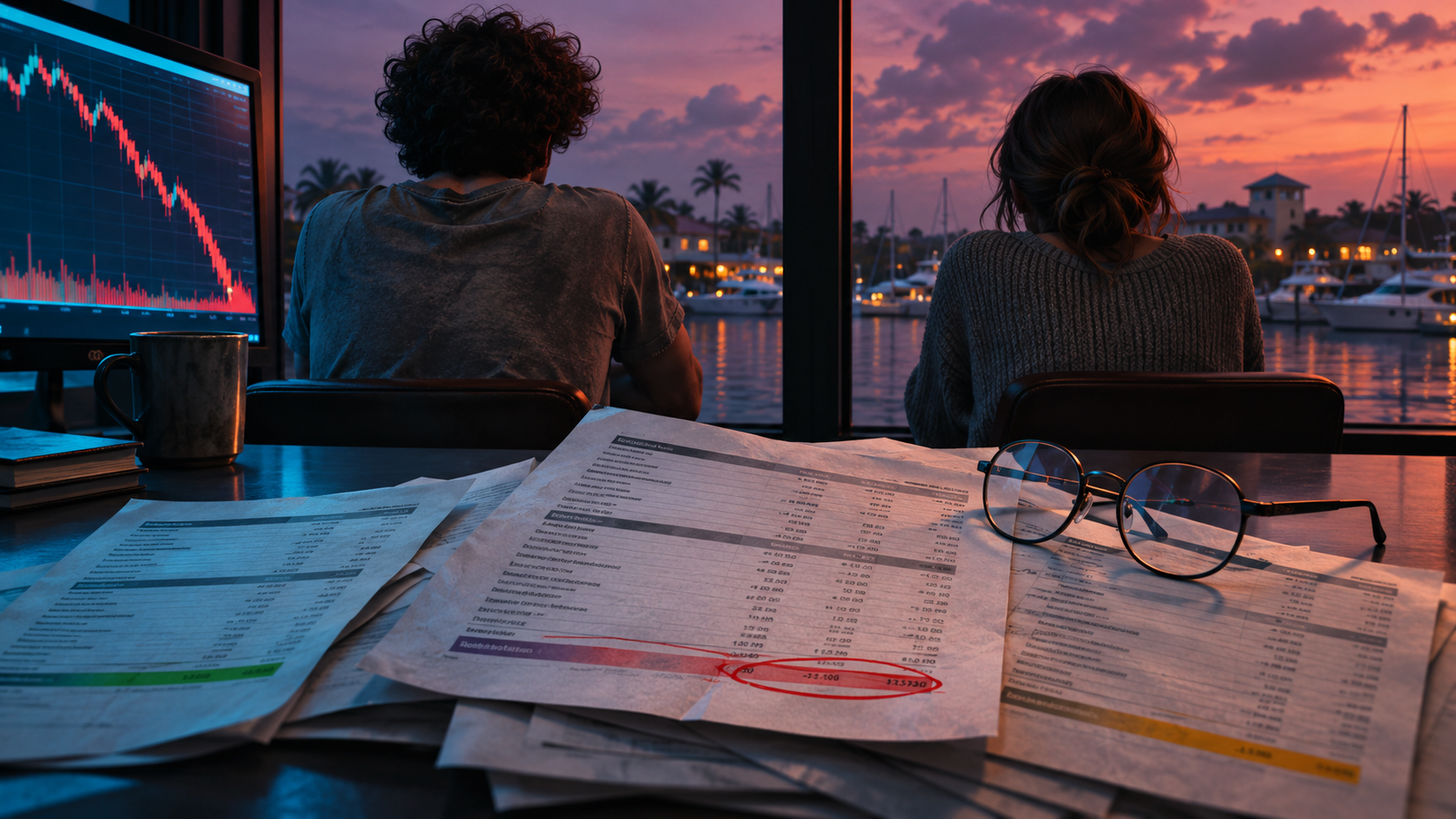
Netflix’s The Altruists follows Sam Bankman-Fried and Caroline Ellison from a Wall Street trading firm to the collapse of FTX. A risk calculation, a concealed credit line and seven versions of one balance sheet reveal how customer deposits reached Alameda Research and why the eventual repayments left some bitcoin owners billions of dollars of recovery away from a satisfying ending.
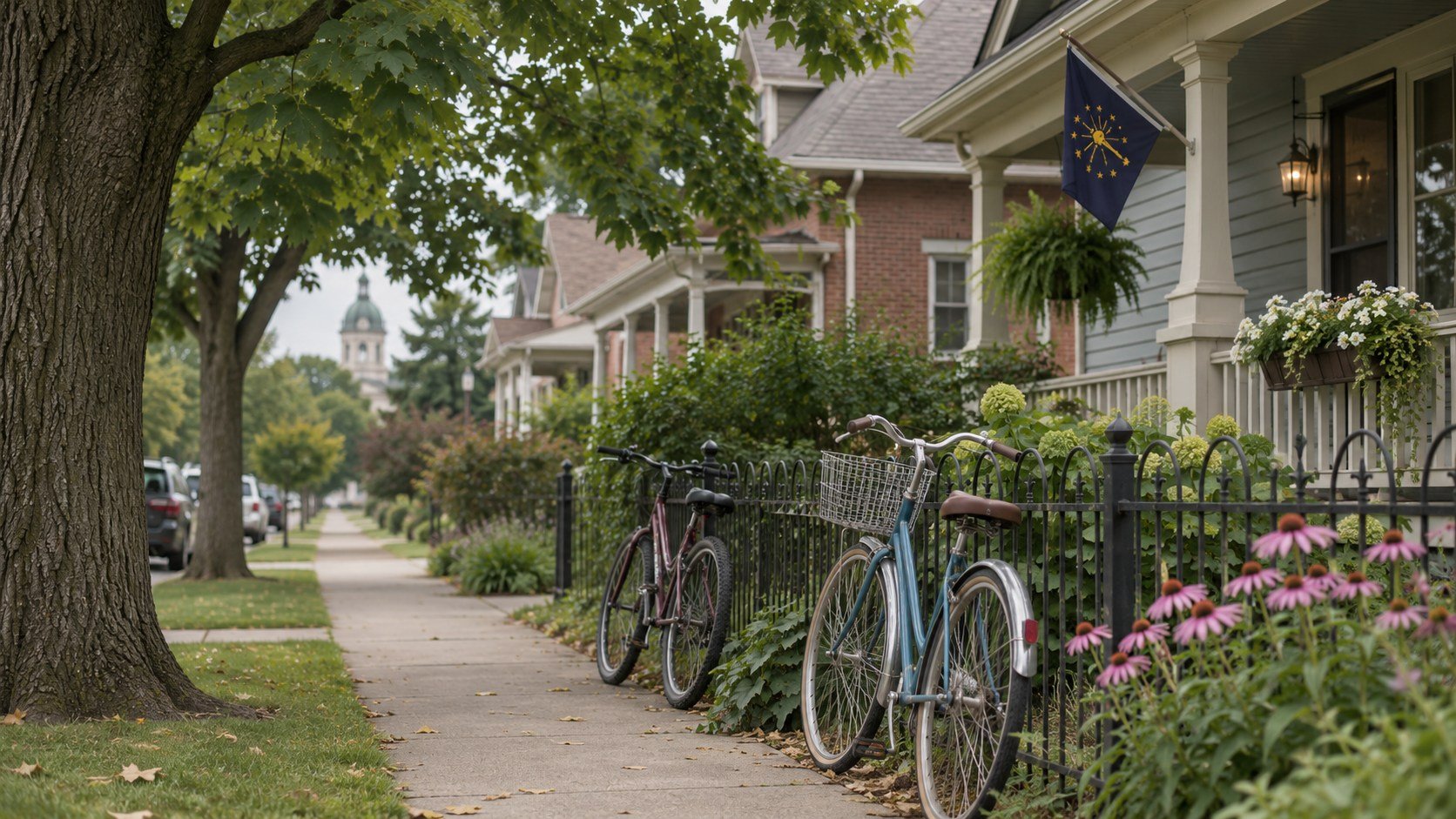
April Tinsley was eight years old when she disappeared in Fort Wayne, Indiana, on Good Friday in 1988. Three days later her body was found beside a road in neighbouring DeKalb County. Her mother, Janet, had reported a child missing on the way home from a friend's house. She would wait thirty years to find out who had taken her daughter.

Cheryl Anderson had reached her own dormitory. Kristin Smart still had further to go and was having difficulty walking. Paul Flores had helped support her. Before leaving the two students together, Anderson asked him to promise he would see Kristin safely to her room. On the account later set out by California's Court of Appeal, nobody apart from Flores saw Kristin again after Anderson went inside.
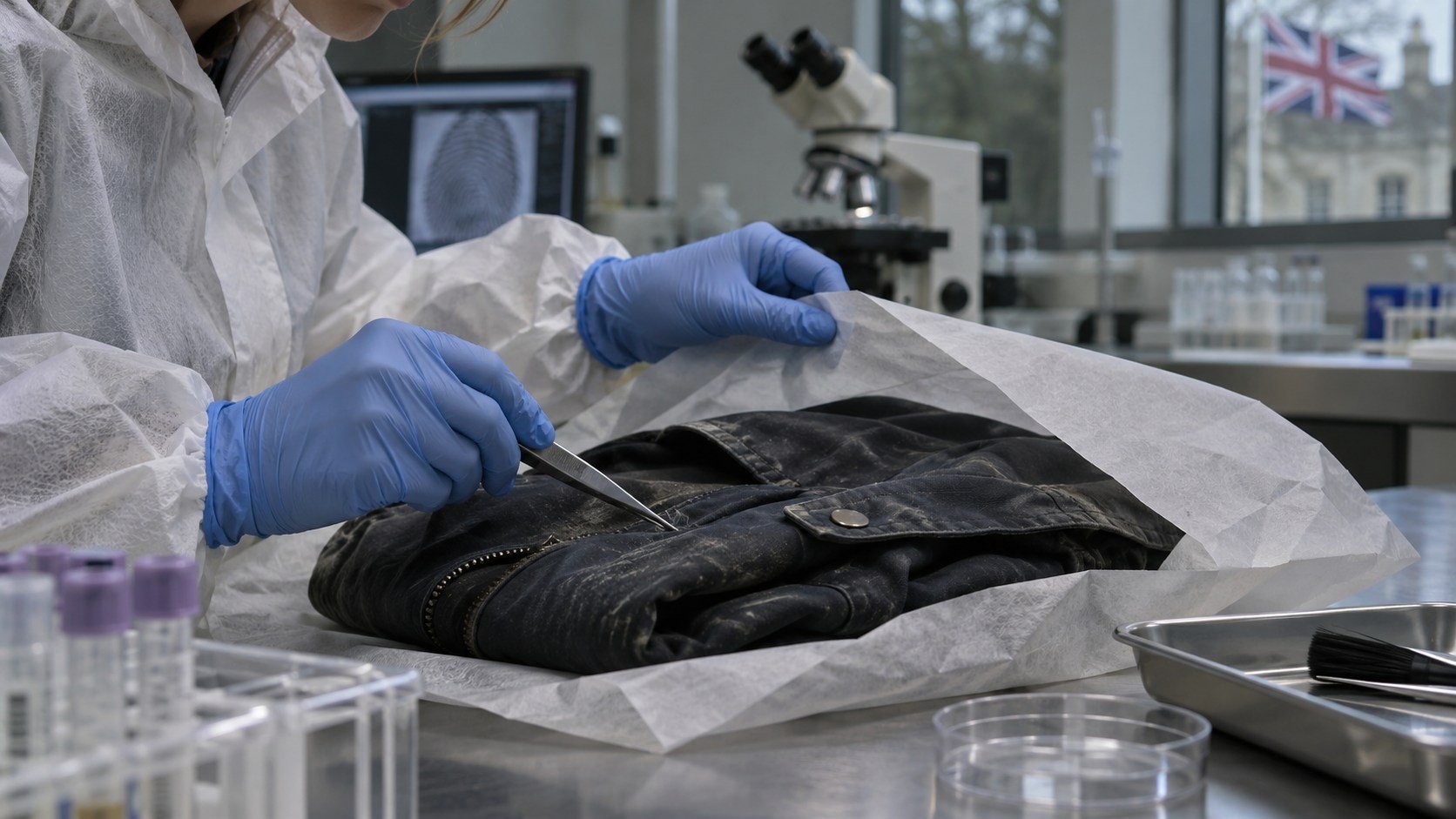
On the collar of a grey jacket, scientists found a stain with a visible area of about half a millimetre by a quarter of a millimetre. Some of the material had soaked into a white yarn. More sat on its surface. To somebody looking at a photograph the difference might seem impossibly small. To the judges considering whether Gary Dobson could be tried again for the murder of Stephen Lawrence, the distinction between blood absorbed into yarn and loose flakes adhering to a jacket mattered a great deal.
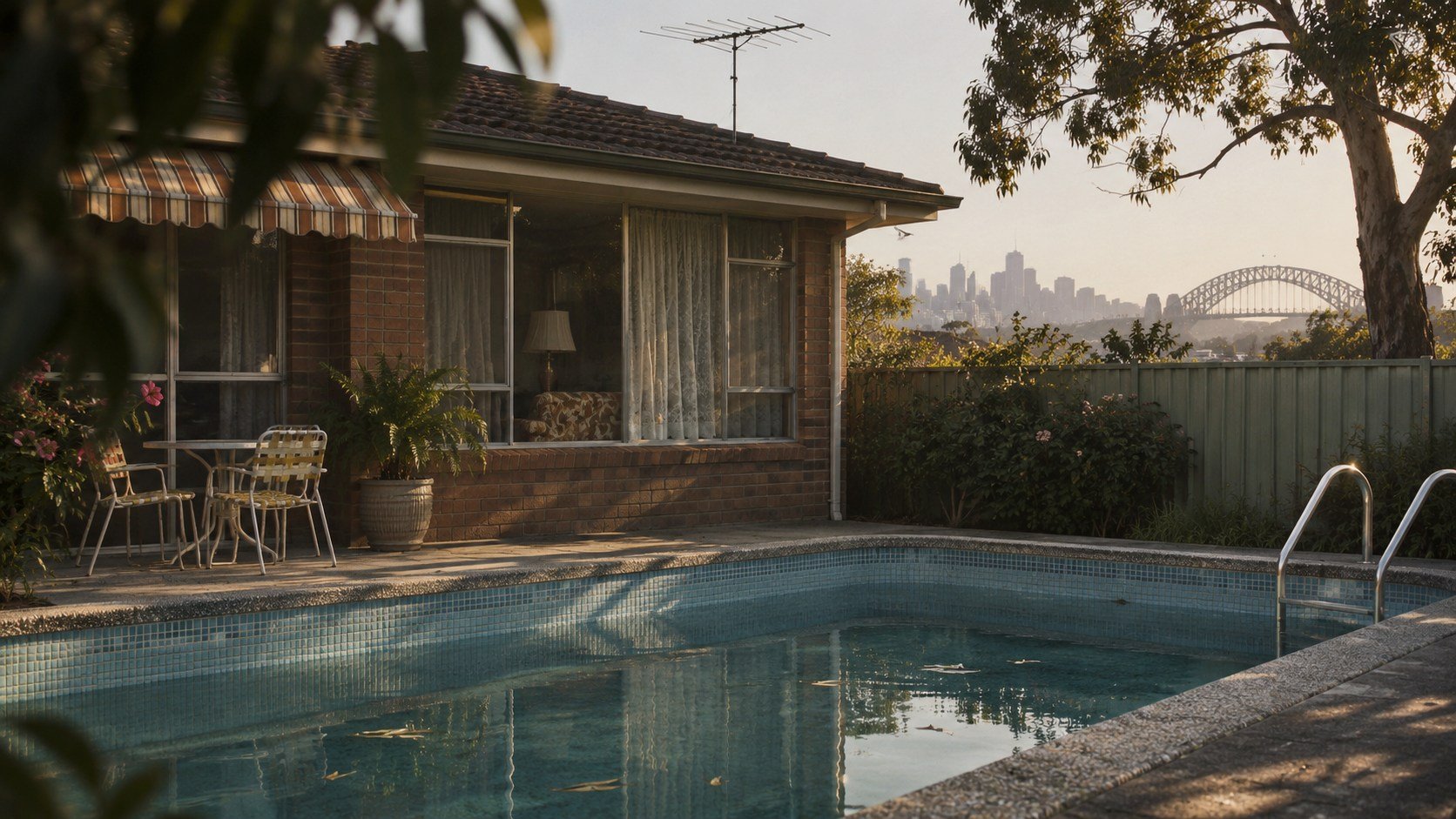
On 8 January 1982 Lynette Dawson spoke to her mother after attending marriage counselling with her husband, Chris. She had trained as a nurse, worked at a childcare centre and lived with her two young daughters in Bayview on Sydney's Northern Beaches. Her colleagues and her mother remembered a woman who sounded hopeful about her marriage. Those conversations mattered forty years later because the people who described them had heard Lynette for themselves.
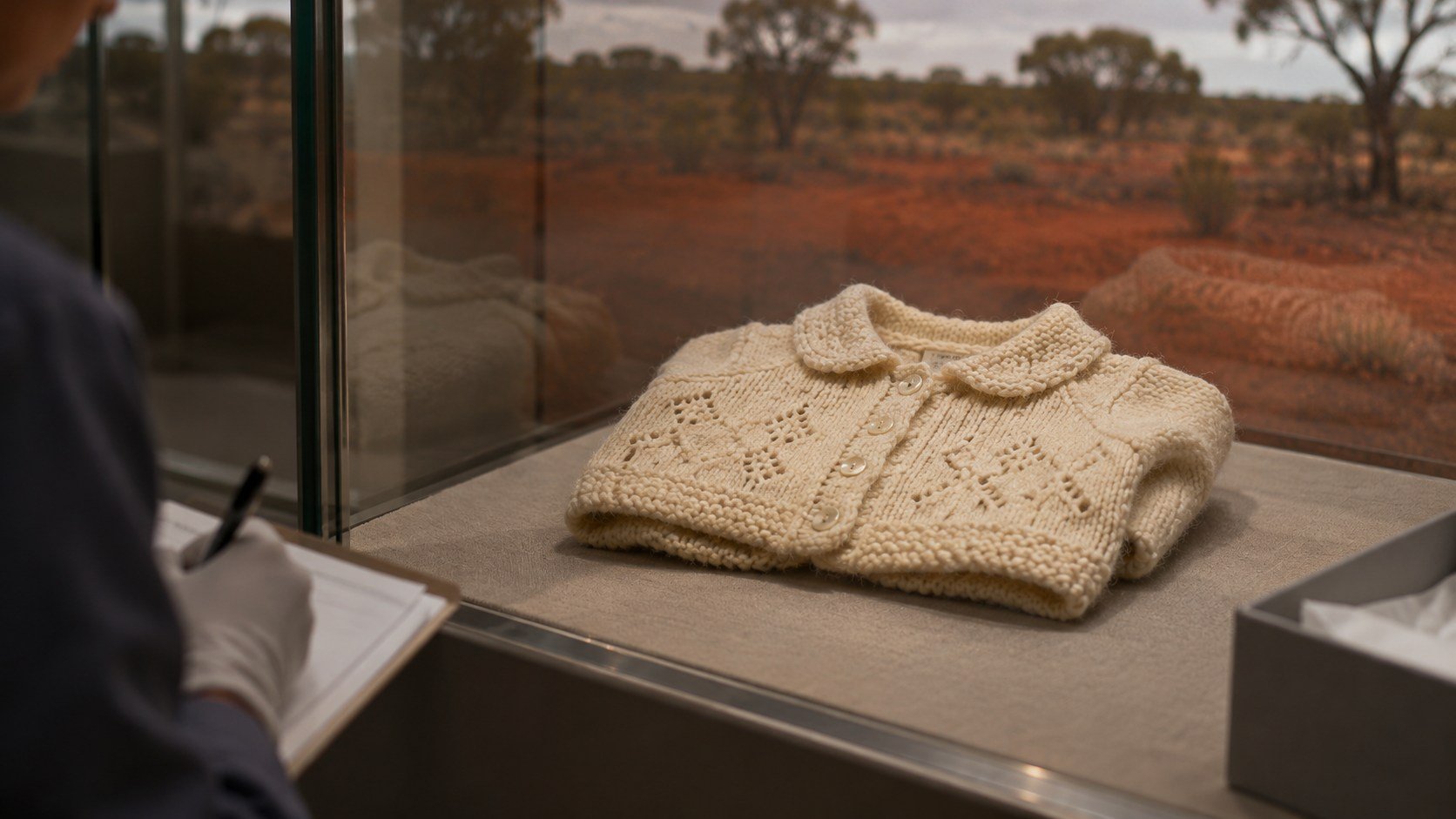
The garment Lindy Chamberlain described to investigators had been missing for more than five years. In February 1986 searchers found it near Uluru, where her nine-week-old daughter Azaria had disappeared from a campsite. It was a small knitted matinee jacket, worn over a baby's clothes. Lindy had consistently said Azaria was wearing one. By the time it was recovered, the absence of that extra layer had been made to count against the mother's account.

In the early hours of 18 March 1990, two men wearing police uniforms rang the intercom of the Isabella Stewart Gardner Museum in Boston. They said they were answering a report of a disturbance. A guard admitted them. Eighty-one minutes later they left behind two restrained guards, a series of empty frames and a collection that could no longer be experienced as its founder had arranged it.
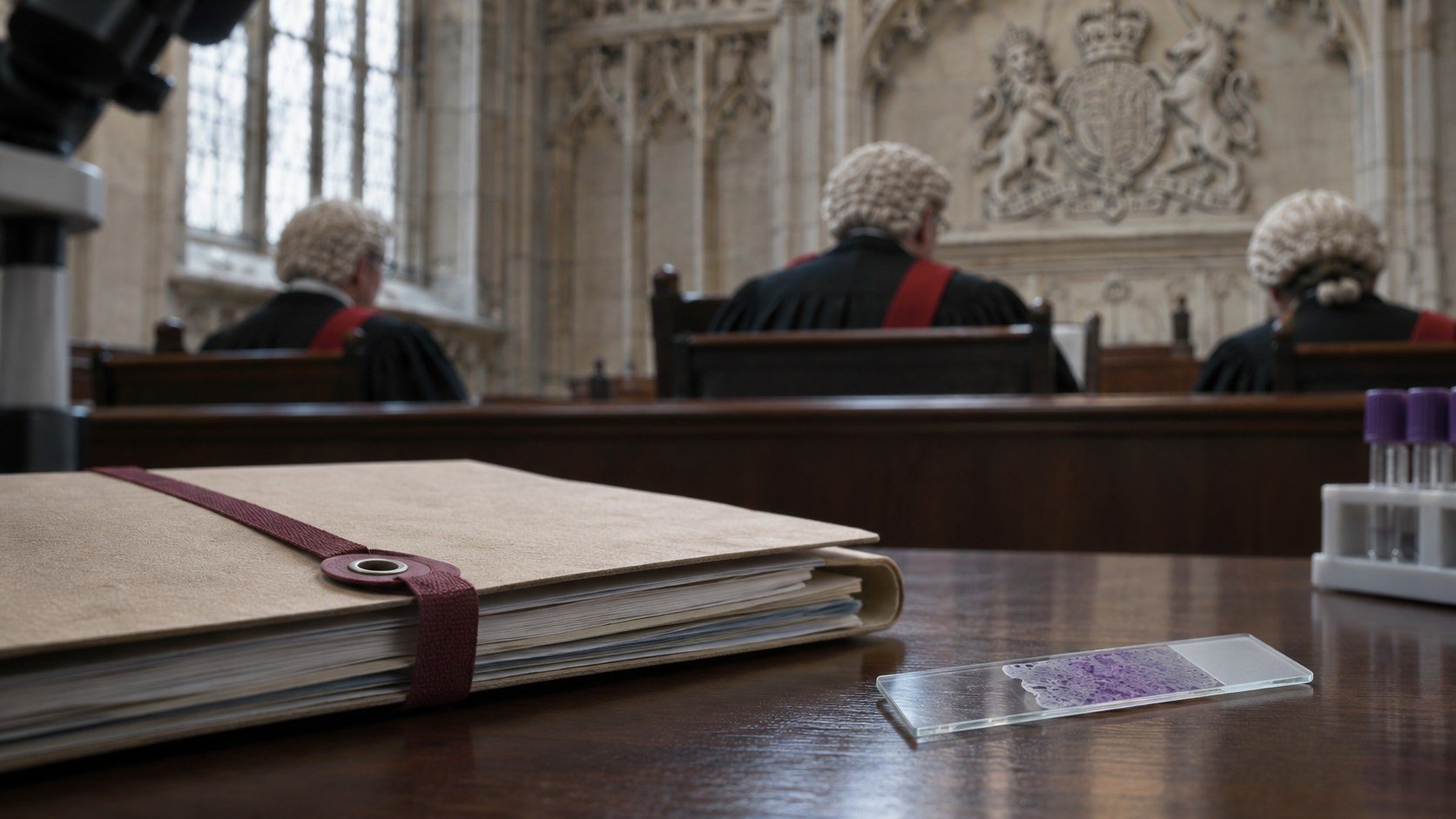
Sally Clark's two sons died just over a year apart. Christopher was eleven weeks old when he died in December 1996. Harry was eight weeks old when he died in January 1998. At their mother's trial, jurors heard a calculation that appeared to give those losses a mathematical meaning. For a family with particular characteristics, the chance of two sudden infant deaths was put at roughly one in seventy-three million. The number became more famous than either child's name.
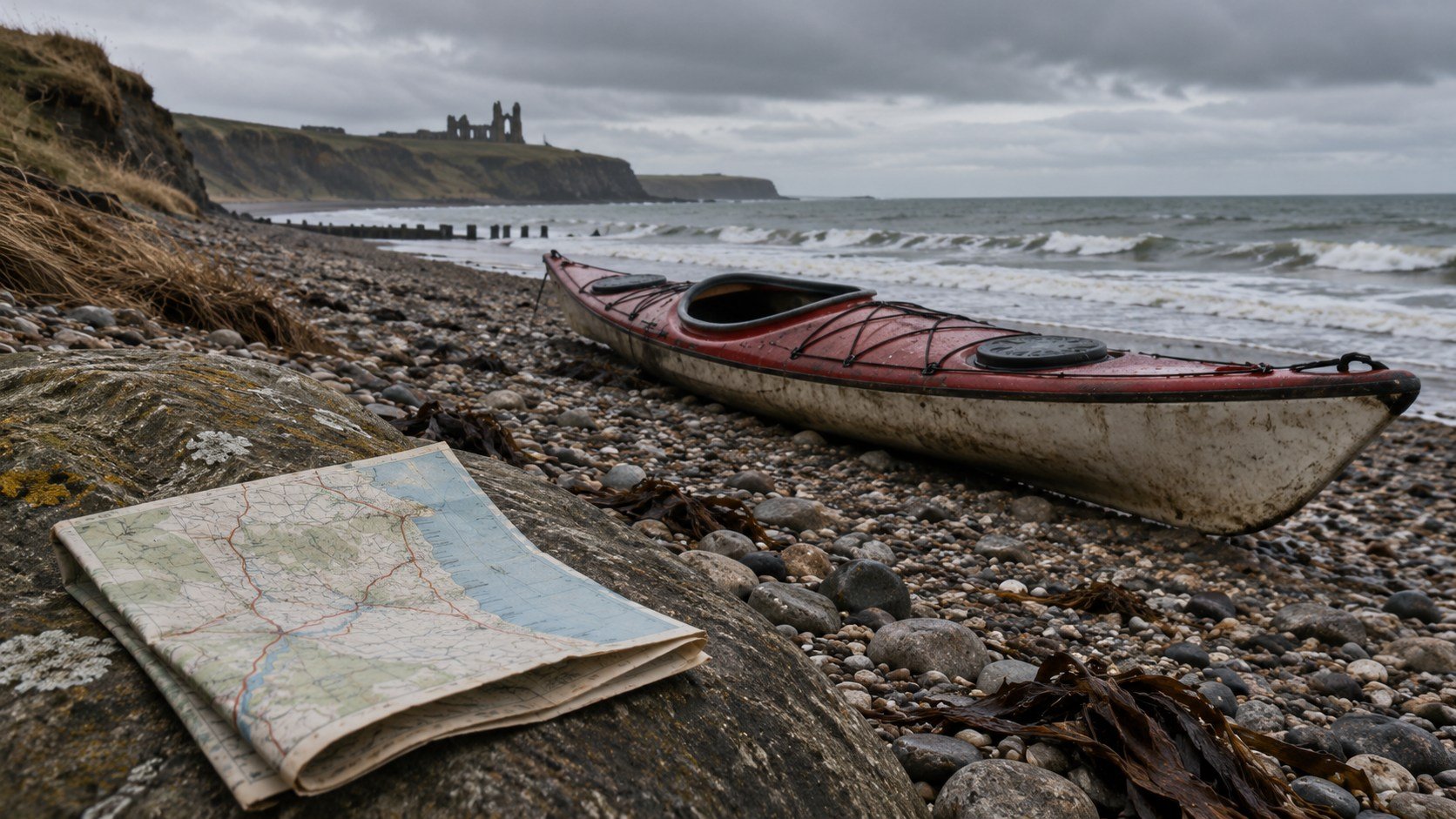
On 1 December 2007 a man walked into a London police station and identified himself as a missing person. John Darwin had last been seen setting out in a canoe from the north-east coast of England in March 2002. A death certificate had been issued. His sons had spent more than five years believing their father had drowned. His appearance settled the most urgent question immediately. It did very little to explain where he had been.
Seven years is a familiar figure in missing-person stories. In England and Wales it describes one route by which a court can make a declaration of presumed death. A family with persuasive evidence that somebody died may apply sooner. Conversely, the seventh anniversary of a disappearance does not produce a death certificate by itself.

A federal jury has convicted former Stoughton detective Matthew Farwell of killing Sandra Birchmore and her unborn child in 2021, a death first ruled a suicide. Here are the charges, the evidence the jury heard, what the defence argued and what happens at sentencing on 3 February 2027.
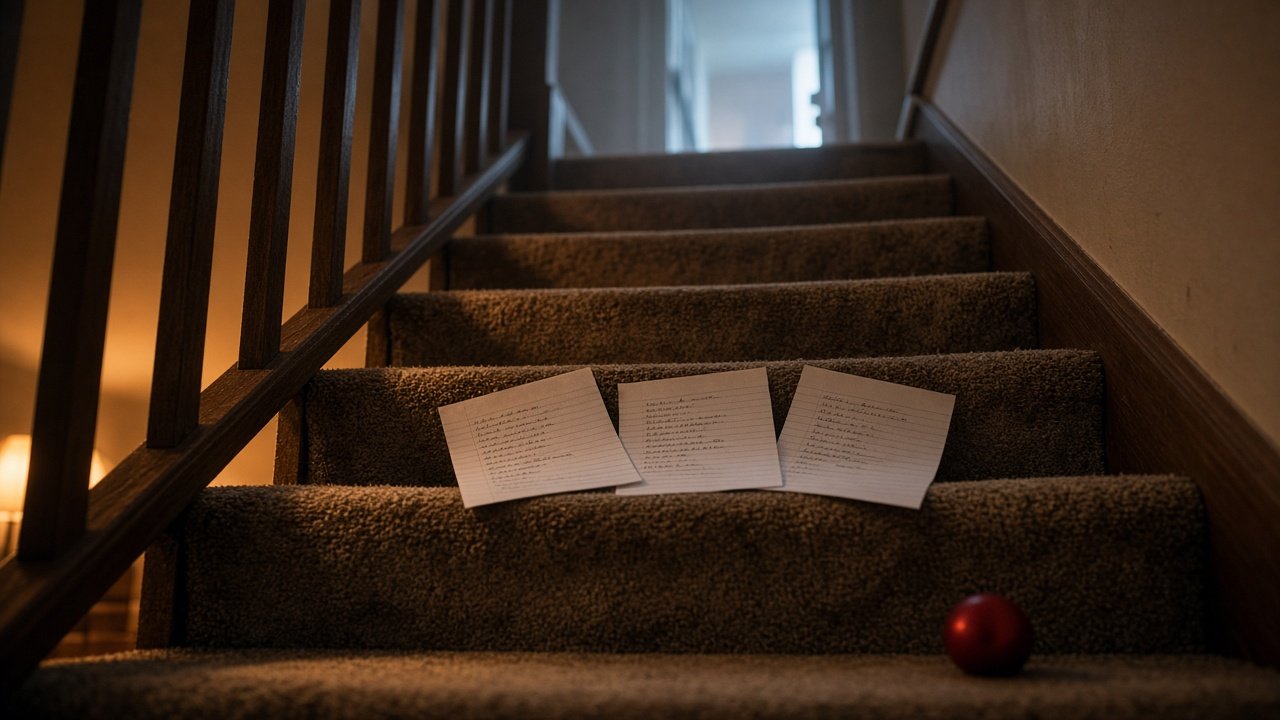
Netflix's The Murder of JonBenét Ramsey stars Melissa McCarthy and Clive Owen and arrives two weeks before the 30th anniversary. Before you watch, this guide sets out what is documented. It covers the morning of 26 December 1996, the investigators who split over the case, the grand jury, the 2008 letter clearing the family, the unidentified DNA, and why investigators are still waiting to test it.
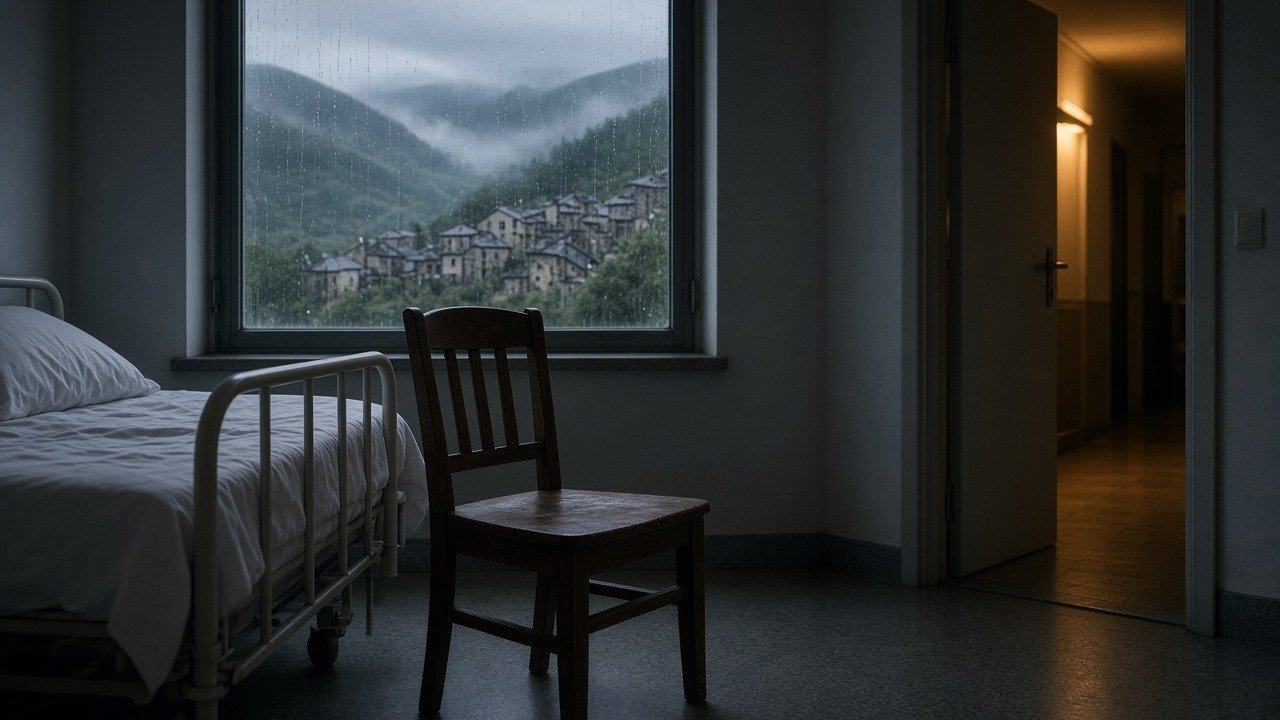
Netflix's Murder in Galicia is inspired by the 2015 killing of Isabel Fuentes, attacked at home in Pazos and murdered in her hospital bed five weeks later. Here is the real case, the warnings, the verdict and the fight over the judge, plus what the series has changed and what to watch for.
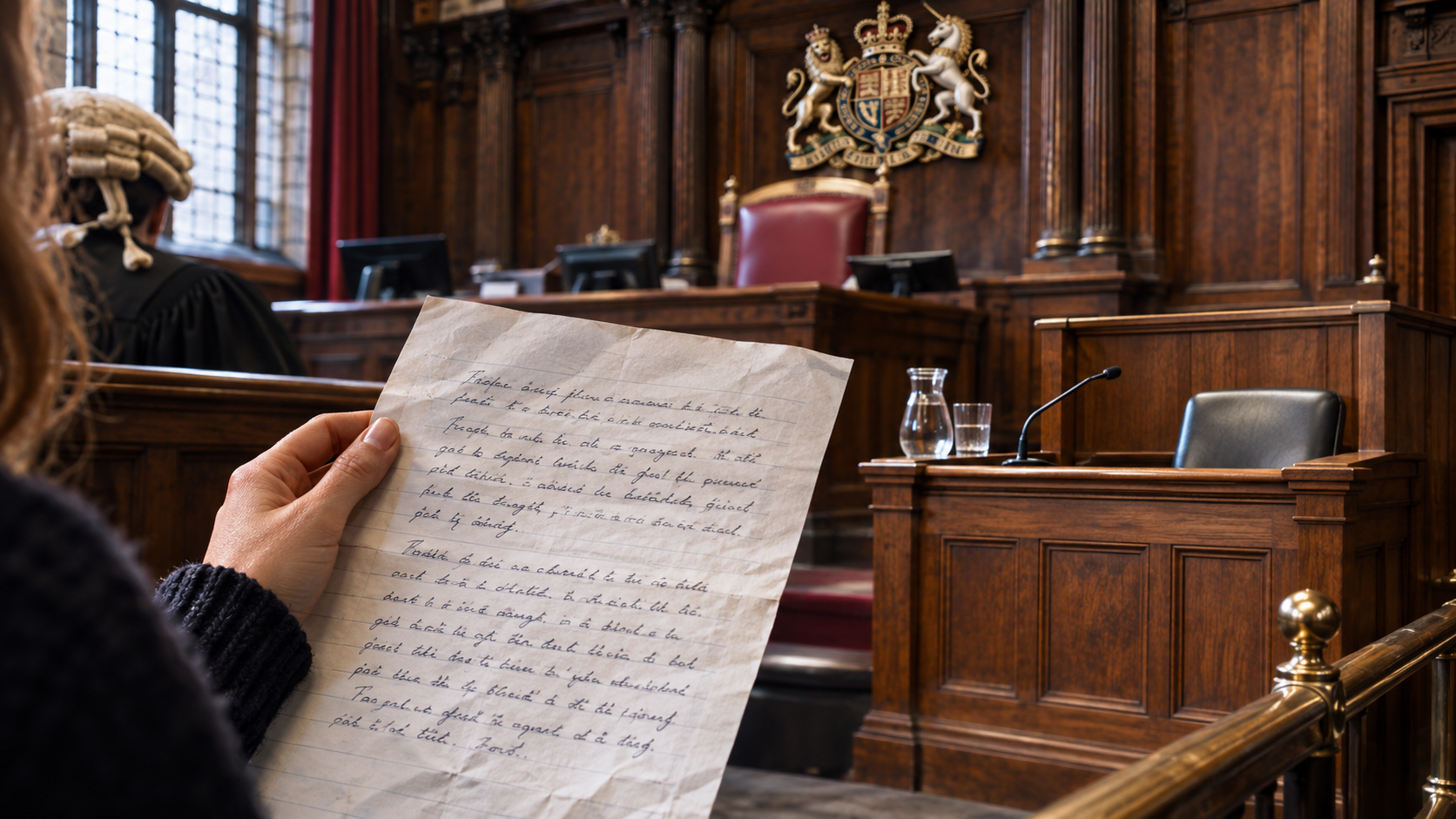
A judge can find out what sentence the law permits by consulting legal materials. Only the people affected can explain what changed in their lives. This episode follows the Victim Personal Statement in England and Wales from the choice to make one through to its use at a sentencing hearing, including what happens when a victim wants no further part in the proceedings.
The Setagaya family murders remain one of Japan's most baffling unsolved cases. In December 2000 an intruder killed the Miyazawa family at home in Tokyo, then stayed, leaving his blood, fingerprints, clothes and knife. Here is what the police evidence shows, why the DNA has not produced a name and what could still solve it.
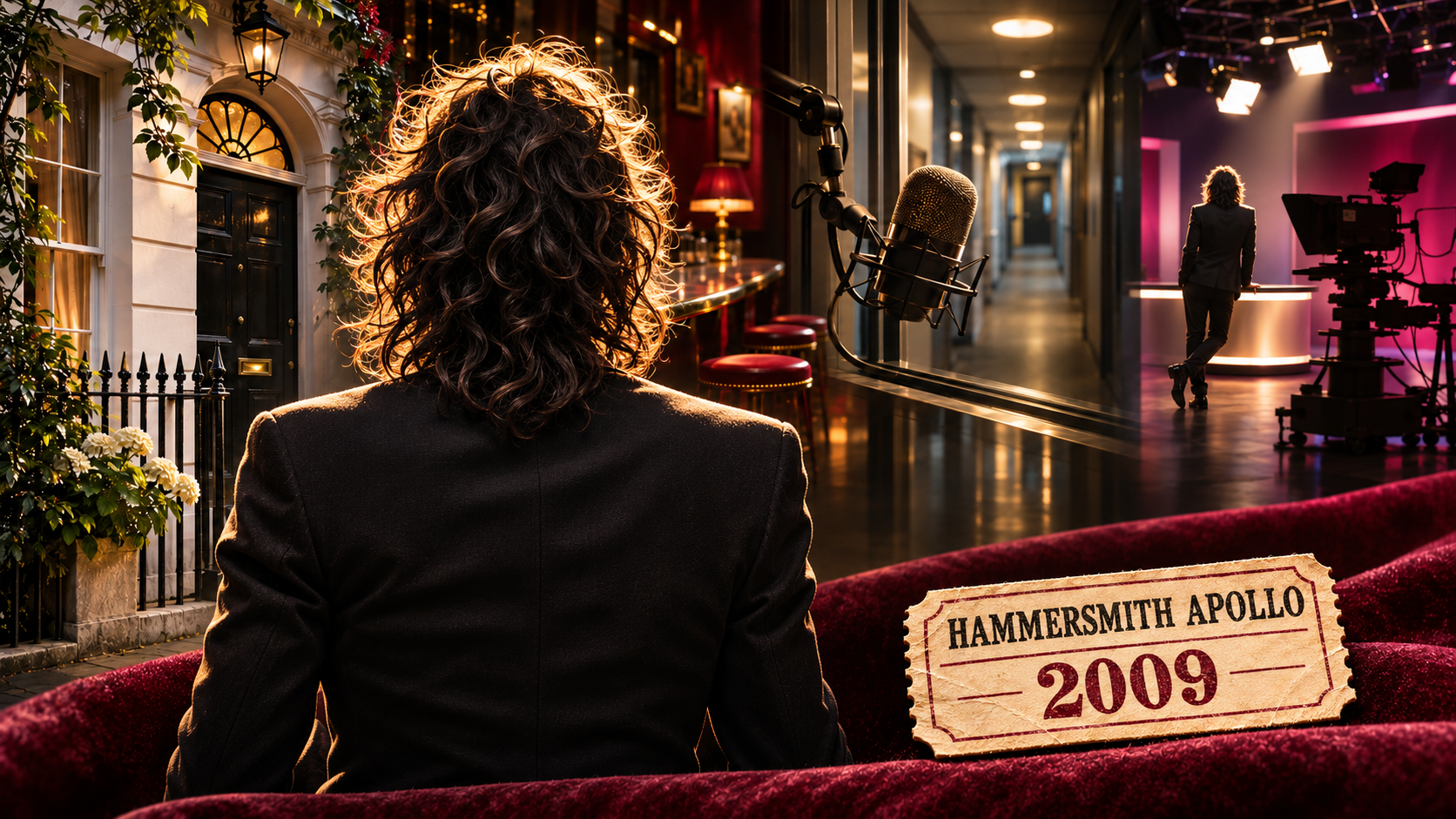
A comedy ticket, photographs taken for an estate agency and disclosures to friends all featured in the Russell Brand trial. Here is what each could establish, why the Soho charges produced different verdicts and what the judge said about prison.

Isabel Fuentes was recovering from a devastating attack when investigators became concerned about who could reach her. The evidence led from a house in Pazos to a hospital ward in Ourense.

Emily Lane runs a Christmas shop, but her investigative skills suggest another life. Follow the first two seasons through their clues, concealed motives and final revelations.

A discovery at Kersal Dale left detectives searching for a man's identity. Elsewhere, messages appearing to come from Stuart Everett gave his family reasons not to worry.

A child disappears from a country house. Babies are recovered from the Thames. Victorian Psycho draws on real crimes, but its murderous governess is fictional. Explore the cases of Constance Kent and Amelia Dyer, the evidence that exposed them, and the crucial differences between documented history, uncertain victim counts and the horror Virginia Feito created.

Lindsay Clancy’s first trial ended without a verdict. This update examines her reported hospital circumstances, the November court hearing and the arguments over a possible retrial. It separates new legal developments from new evidence and explains why the jury’s 11–1 split cannot tell us what another panel would decide.

Flowers, affectionate messages and a supposed military posting formed the beginnings of an online relationship. Then came instructions for using a Bitcoin ATM.
A neighbour called from the street while sixteen-year-old Matías Bagnato struggled to escape his burning home. The investigation would reach back into months of threats—and lead to a struggle lasting decades.

A phone beside a California road offered the first clue. Sherri Papini’s return brought new questions—and an investigation that continued for years.

A pizza delivery took Brian Wells to a television tower. Later, he entered a bank wearing a locked explosive device. The investigation began with the instructions he carried.

Matthew Perry’s death left investigators with a question his treatment history could not answer. Medical findings, private messages and drug transactions would reveal a much larger story.

Police found Ross MacGillivray seriously injured inside an Inverness house. The investigation followed a route towards the canal—and accounts that needed to be tested against independent evidence.

Children reported clowns behind their homes. Schools received threats. Hundreds of students went searching. Follow the investigations behind the 2016 clown panic, the events revisited in Clown Panic, and the difficult task of establishing what actually happened.
True Crime Stories & Investigations
True crime stories, investigations and case analysis covering murders, disappearances, criminal trials, unsolved mysteries, historic crimes and the evidence behind major cases.
History, Ideas & Civilisation
Explore history, religion, philosophy, culture and the objects, ideas and civilisations that shaped society — from ancient beliefs to extraordinary stories of wealth, power and influence.
Jesse Pinkman is about to leave Albuquerque. All he has to do is wait for the man who can give him a new identity. Then he reaches for something in his pocket. A bag of marijuana has vanished. An apparently minor theft gives him the missing piece of a much older puzzle involving a sick child and a cigarette. Major spoilers follow for Breaking Bad.
A wireless distress call carries an identity, a position and an urgent request. A rocket seen from a dark bridge carries none of those things with quite the same precision. On the night Titanic sank, Carpathia received the first kind of information. Officers aboard Californian had to interpret the second. What happened to those signals between receipt and action explains much of the difference between the two ships.
In Isaiah 53, a suffering figure lives to see the outcome of his ordeal. Some ancient witnesses include a word meaning “light”. In the traditional Hebrew text underlying many familiar translations, that word is absent. Open two modern Bibles and the figure may either see light or see the result of his suffering. The difference is small enough to disappear in a public reading. To a translator deciding what to print, it is a genuine choice.
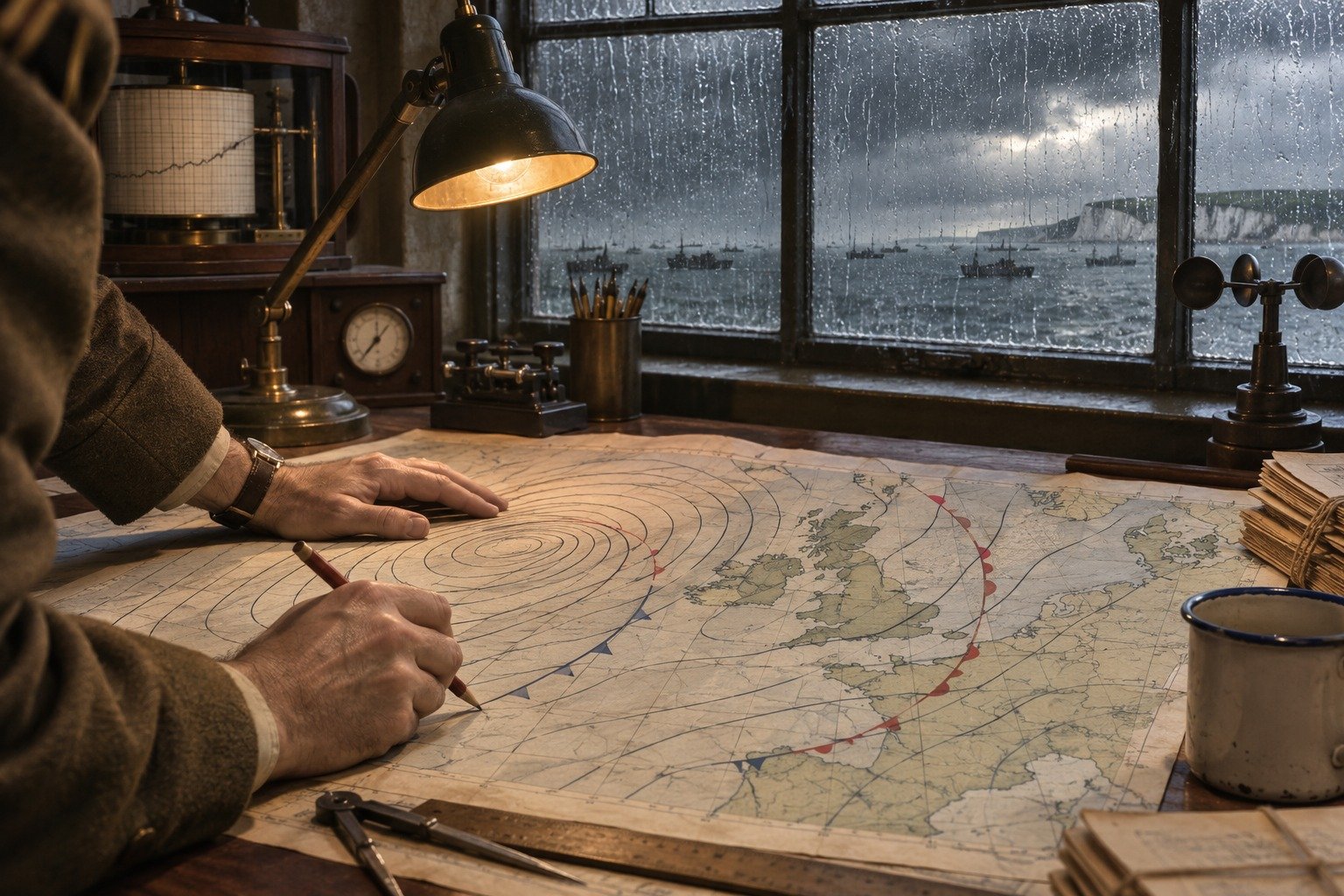
How James Stagg brought rival forecasts to Eisenhower, why 5 June was ruled out and what a brief improvement meant for the Normandy landings.
Kitty Cone helped turn an air-conditioning unit into a makeshift refrigerator. A box channelled the cold air so that protesters inside a San Francisco federal building could keep medication cool. The improvisation addressed an immediate problem. It also helped decide how long the US government would have to face the people waiting in its own offices.

The Congo Basin has inspired stories of surviving dinosaurs, enormous spiders and mysterious giant apes. But behind the legends are extraordinary scientific discoveries, including previously undocumented species and vast hidden ecosystems. Explore the evidence for Mokele-Mbembe, the secrets of Lake Télé and what researchers could realistically discover in Central Africa's rainforests.
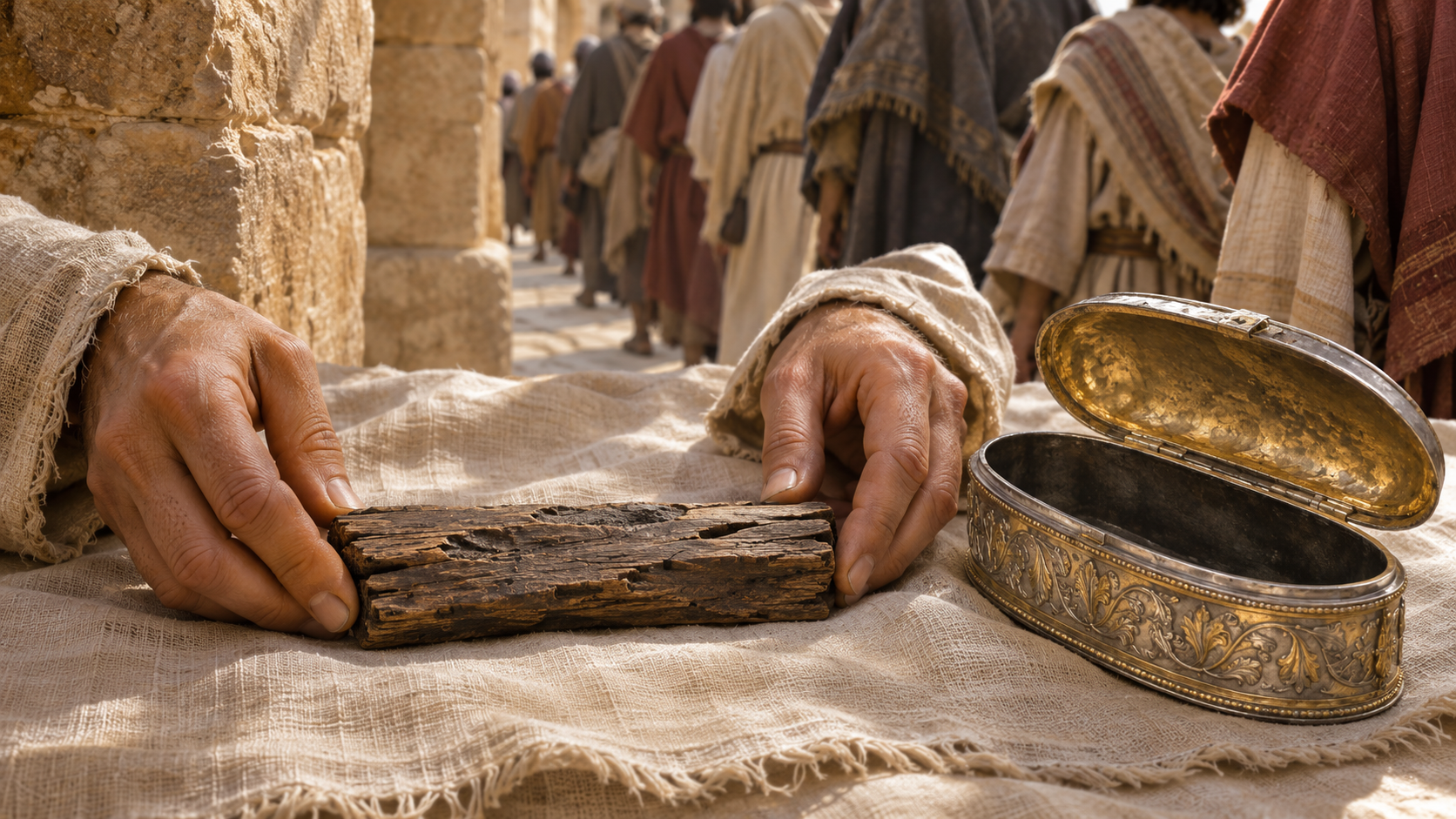
On Good Friday in Jerusalem, worshippers could kiss a piece of wood believed to come from Jesus’ cross. A pilgrim recorded why the bishop kept hold of it. How far back can we trace the wood itself?

French investigators, joined by British detectives, searched the Ritz Paris, Villa Windsor and a former Fayed villa in Saint-Tropez in October. Several suspects were held and released without charge. Here is what prosecutors have confirmed, where the UK inquiry and the Harrods compensation fight stand, and what could happen next.
On 29 May 1985, 39 people died at the Heysel Stadium in Brussels before the European Cup final between Liverpool and Juventus. Before Heysel 85 reaches UK cinemas on 20 November, here is what happened, what caused it, who was convicted, why English clubs were banned and how the dead are remembered.

John Lewis’s 2026 Christmas campaign sends a grandmother and a talking wooden dog on a last-minute shopping trip. To understand why Britain watches, revisit the visual puzzle of Shadows, the boy who cannot wait for Christmas, Monty the Penguin and the lonely figure at the far end of a telescope.
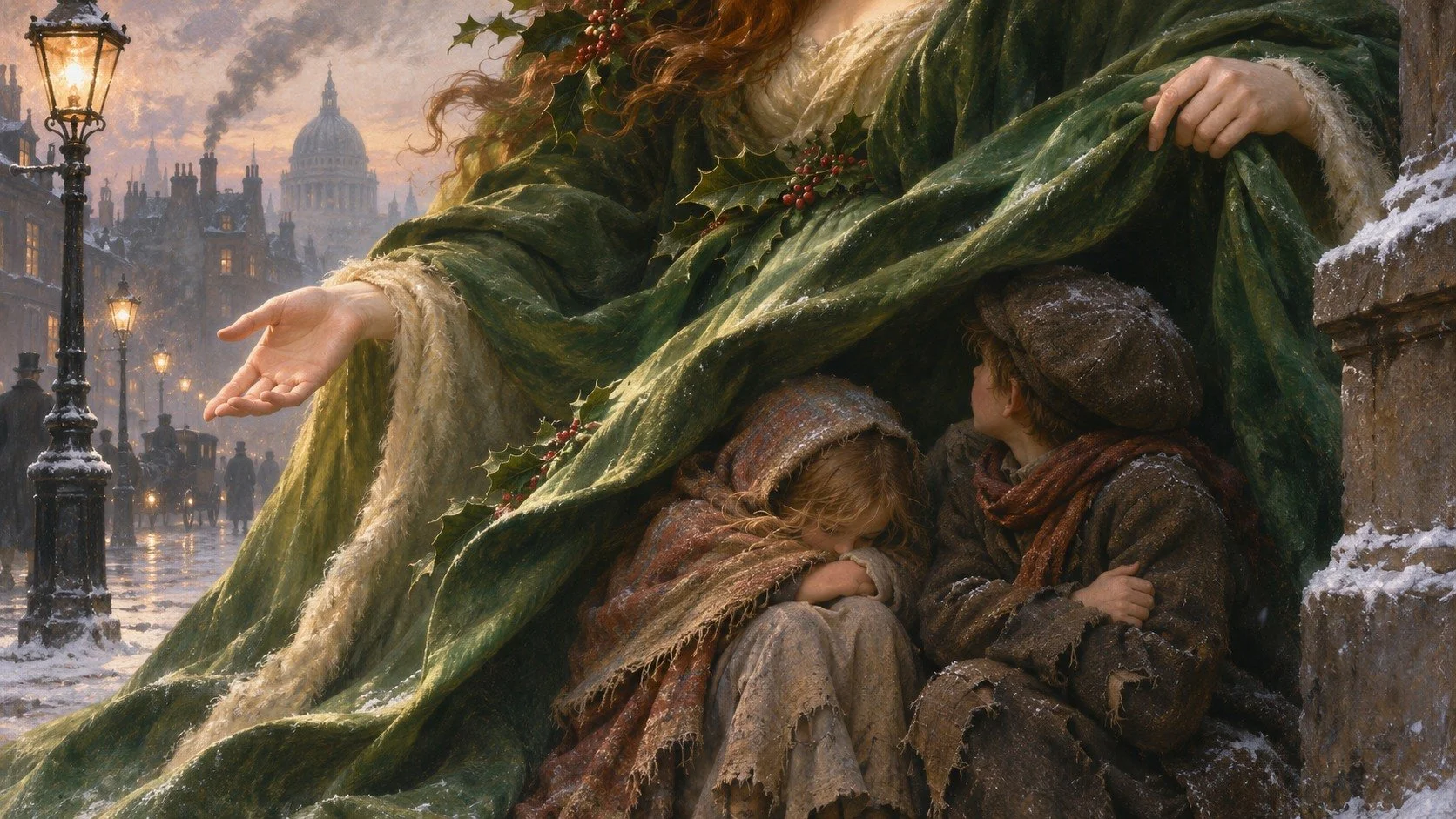

Trace the famous brioche remark to Rousseau and discover why a story about an unnamed princess attached itself to Marie Antoinette.
The real story of the 1944 Christmas Eve football game on Guadalcanal and the Marines who later fought on Okinawa.
A building site outside Lens and a family in Essex were separated by more than distance. When human remains were recovered in 2020, investigators faced the reverse of the question a family had lived with since 1917. One side had a person without a name. The other had a name without an identified grave. This episode follows Private Reginald Joseph Blake’s story to his funeral in April 2026.
Why did the bugler you heard at a village memorial play before the silence when the television broadcast from Whitehall put the Last Post afterwards? Follow the different orders of service and discover why a military call once associated with the evening rounds became a farewell heard in the middle of the morning.
A pilgrim described a bishop guarding a piece of wood in Jerusalem. How far can we trace the True Cross, and what could scientific testing establish? The Gospel accounts move from the execution to the treatment of Jesus’ body and its burial.

Why does Good King Wenceslas set out on Boxing Day? Follow the feast of Stephen from a food dispute in Jerusalem to a carol and an Irish winter custom. Acts describes a dispute within the early community of believers in Jerusalem.
Nero died before the Colosseum opened. Where did Christians actually face animals, and how did Rome’s most famous arena become a memorial to martyrs? After the great fire of Rome in AD 64, Nero fastened blame on Christians, according to the later account of the Roman historian Tacitus.
A Samaritan complaint sent Pilate to Rome. Follow his final documented journey and discover where the evidence for his supposed exile or suicide begins. An inscription discovered at Caesarea Maritima names Pontius Pilate and identifies him as prefect of Judaea.
Luke’s shepherds, a Roman calendar and an Easter calculation offer different clues to the date of Christmas. Which could actually date Jesus’ birth? Those omissions matter because arguments about the season tend to rely on precisely those details.
Explore the burial traditions of the Twelve and discover why a bone venerated as an apostle’s in Rome turned out to be centuries too young. The ground chosen for the first great basilica over Peter’s traditional burial place presented Constantine’s builders with an extravagantly difficult job.
A nail through a man’s right heel changed the history of Roman Britain. What can the Fenstanton burial tell us about crucifixion in Jerusalem? Archaeologists recover nails from coffins, boards, footwear and disturbed layers of settlement.
Matthew describes a hanging. Acts describes a fall. A close reading reveals why the two accounts also disagree about who bought the Field of Blood. The Field of Blood takes its name from the price paid for innocent life.

Follow the bishop of Myra through a story of three secret gifts, a disputed transfer of relics and the Christmas poem that put Santa in a sleigh. In the best-known Nicholas legend, a father has fallen on hard times.
A sword for James, an inverted cross for Peter and a knife for Bartholomew. Which deaths appear in the Bible, and when do the other stories first emerge? James, the son of Zebedee, was John’s brother and one of the fishermen called by Jesus.
A shrine beneath the Vatican, a young mother’s account of prison and a sermon broadcast the day before an assassination reveal how Christians remembered their martyrs. From Stephen in Jerusalem to Óscar Romero in El Salvador, their stories changed where people worshipped, whom they trusted and what they believed conscience could demand.
A Babylonian ration list follows a biblical king into exile. An Egyptian monument records Israel by name. Two silver amulets preserve a prayer still spoken today. These discoveries show where archaeology can confirm a biblical detail, why famous relics are harder to authenticate and what researchers are now trying to learn from the Dead Sea Scrolls.

The line most people remember from the burning bush is “I am who I am”. It comes well into the conversation. The first words addressed to Moses are his own name, spoken twice. He has turned aside to inspect a bush that burns without being consumed. Before he can discover how the sight is possible, he discovers that somebody knows who is looking.

Read the first two verses of John McCrae’s In Flanders Fields at a remembrance service and you have an elegy. Read the third and you have an argument. The soldiers buried beneath the poppies tell those who survive them to take up their quarrel. The poem that helped give remembrance its most recognisable flower ends by making a demand on the people wearing it.

Isaiah gives each seraph six wings and tells us exactly what every pair is doing. He leaves much of the creature itself hidden. Follow the action through the temple to see why a vision often turned into a portrait of an angel becomes a story about a person who fears his own speech makes him unfit to be there.
Six women’s accounts of encounters with Russell Brand became public three days after he was sentenced. Most had spoken to journalists years earlier. What did each woman say, why did some contact police, and how does Mia Latter’s separate decision to give up her anonymity fit into the story?
Before Laura Gallacher read from her notebook, she told viewers her husband had asked her to share his words. That detail helps explain why the Ministry of Justice is examining Russell Brand’s message from prison.
HMP Littlehey has housed young offenders, men serving life sentences and prisoners needing end-of-life care. Following Russell Brand’s transfer from Wandsworth, its inspection reports and monitoring records offer a picture of daily life, from the first phone call home to the chances of getting a workshop place.
In April 2015, Ed Miliband went to Russell Brand’s east London flat to make the case for voting. Days later, Brand urged his viewers in England to vote Labour. Eleven years on, after Brand’s convictions for rape and sexual assault, Miliband faced a different question. What had the man hoping to become prime minister given Brand by agreeing to sit down with him?
Russell Brand’s arrival at Wandsworth drew shouts from behind cell doors. A staff member described the reaction, a former prisoner recalled the wait to see his family, and inspectors documented how little time some men spent outside. Their accounts help answer which risks Brand faces and which details of his custody remain private.
Two days after Russell Brand was sentenced, his X account shared screenshots of Meta’s restrictions, thanked Elon Musk and told followers to “stay tuned”. The timing raises a question about who had access to the account. Here’s what the screenshots establish, why Musk’s earlier comments matter and what remains unknown about the person who pressed publish.
Manchester United have dismissed Michael Carrick after one win in ten league games. Mauricio Pochettino would inherit several forwards suited to his football and a harder choice behind them. United’s final match under Carrick offers clues about Bruno Fernandes’s role, Patrick Dorgu’s opportunity and the midfield decision that could shape their season.
Tyson Fury and Anthony Joshua finally meet at Cardiff's Principality Stadium on 11 December 2026, live on Netflix. Here is every reason it took a decade, from the 2021 arbitration ruling and the 2022 deadline to the Usyk defeats, Fury's retirements and the late battle over New York.
Stir-Up Sunday falls on 22 November in 2026. Its name links a familiar line in an Anglican prayer with a kitchen task best begun before Christmas. The history of the pudding brings together stored fruit, family wishes, changing kitchen equipment and a household triumph captured by Charles Dickens.
How hiring freezes, experience requirements and the cost of getting to work can shut young applicants out while vacancies remain open.
A pair of headphones costs £180, the seller disappears and nothing arrives. What happens next depends on the instruction that moved your money. This episode follows the same fictional Black Friday purchase through three real UK processes, explaining how a debit-card dispute, a qualifying claim against a credit-card lender and an authorised bank-transfer scam are assessed.
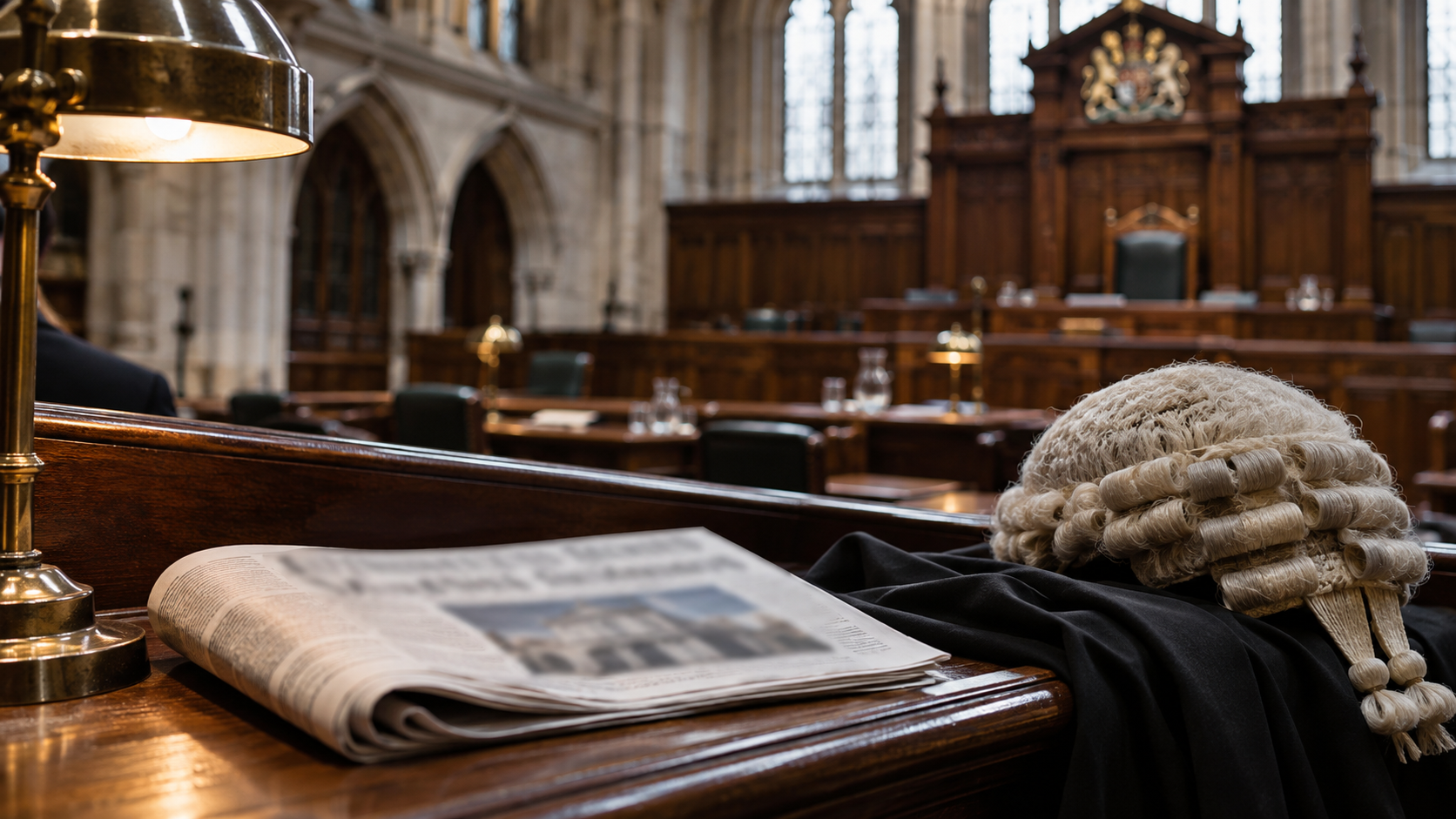
Before an investigation reaches print, a court can face a decision it cannot undo. Publish now and privacy may be lost for good. Restrain the story and the public may lose the chance to hear something important at the moment it matters. This episode explains the balance through the civil proceedings in which David Walliams initially appeared under the letters PPT. He denies wrongdoing.

A PS5 can have Grand Theft Auto VI installed and still refuse to start it. For UK players, the advertised preload opens at midnight local time on 10 November 2026. The game unlocks at midnight local time on Thursday 19 November. PlayStation tells owners to have 212 GB available. Those three details answer three different questions. Can you download it today? Do you have room? When can you actually play?

An NBA team can win a Cup quarter-final on Tuesday and improve its place in the ordinary league standings that same night. It can win the Cup championship and see its league record stay exactly where it was. Group games, quarter-finals and semi-finals all count towards the 82-game regular season. The championship alone is extra. For the two finalists, it is an 83rd game before the postseason.

How do you recognise Miami in a city whose streets have fictional names? Start at Ocean Beach, cross from the tourist waterfront to the working port and head out along a chain of island bridges. Rockstar’s pre-release material for GTA VI offers several strong regional matches and some much less certain claims about individual buildings.
Manchester United have eight points from ten games. What does the familiar target of forty actually require from here? Take a tour of thirty completed Premier League seasons and discover why the lowest surviving club’s points total can tell a different story from the number needed to clear eighteenth place. The difference once separated staying up on forty from going down with exactly the same number.

Two women say they first met David Walliams when they were 15. He denies grooming and criminal wrongdoing. What their accounts say, why the High Court allowed him to be named, and what is known about his hospital care and legal position.

Two women say they first met David Walliams at 15. The comedian and children’s author denies wrongdoing. A Guardian and ITV News investigation details their accounts after a High Court ruling allowed publication. Here is what the judge decided, how HarperCollins responded and where matters stand legally.
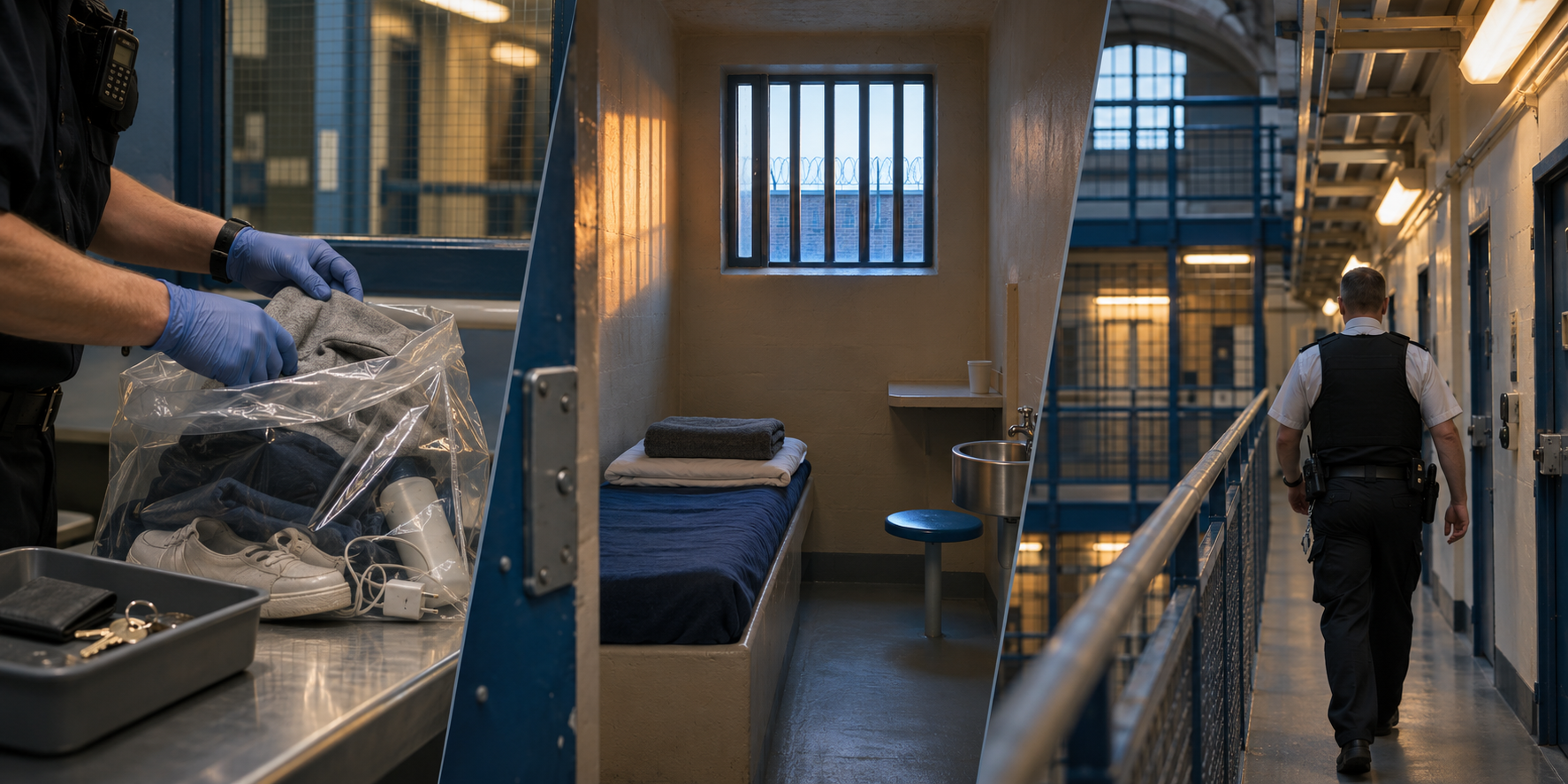
Russell Brand had already spent a weekend in custody when the judge handed him ten years and six months. Wandsworth’s first-night arrangements explain how a new prisoner can call home, what he can take into a cell and how staff decide where he sleeps. The public record leaves two questions open: whether Brand shared a cell and whether he received special observation.

Three motorists walk into a garage. One wants to keep an existing diesel, another wants to buy a used petrol estate and the third wants to place a factory order. Only one is directly asking about the supply of brand-new cars. Their different circumstances make a good way into one of Britain’s more confusing transport policy arguments.
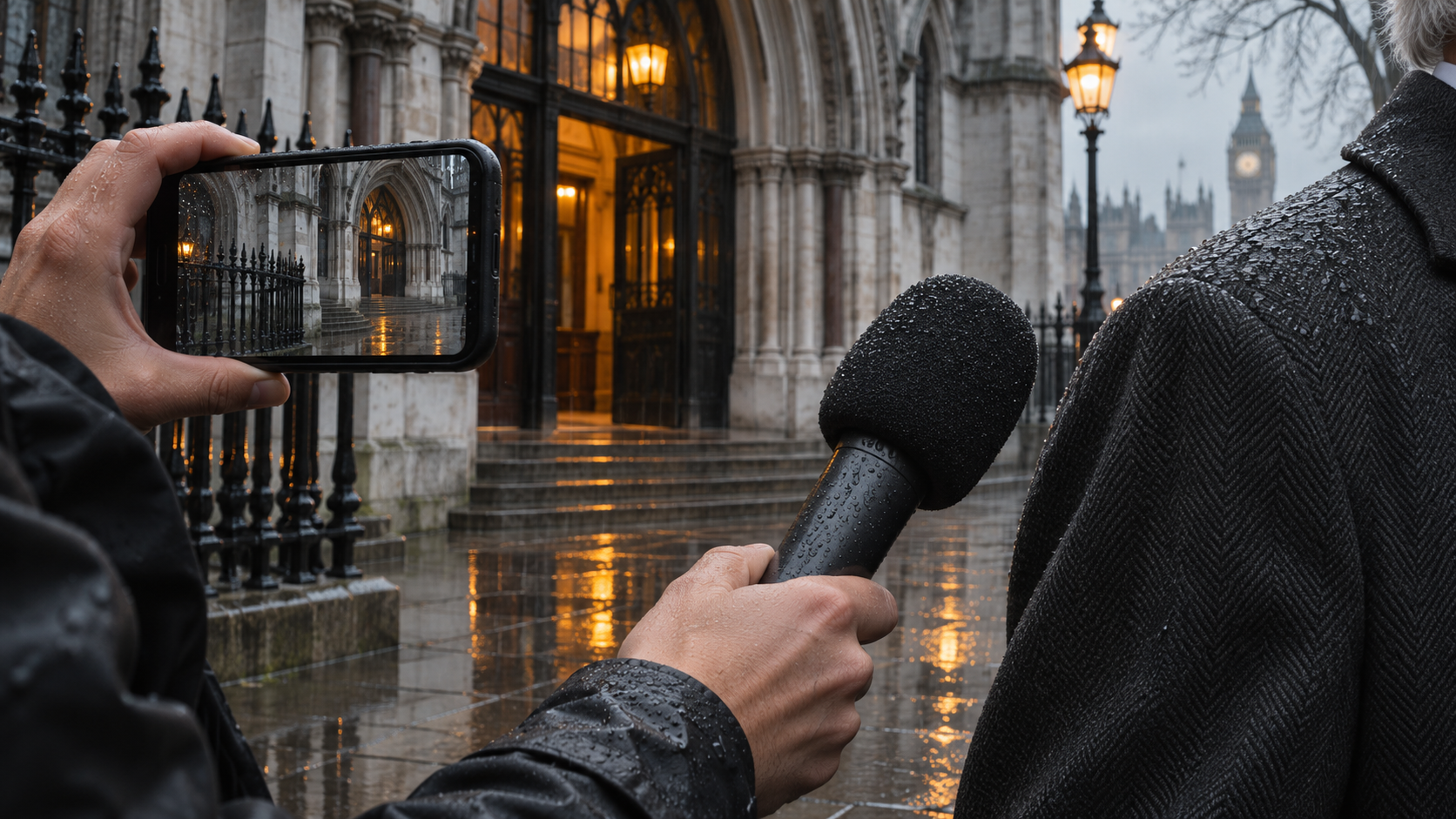
Ron Brand was in court when his son received ten years and six months. His most widely reported comments came four days earlier. What did he actually say about the jury, and where did the claim of a media campaign begin?
Russell Brand’s victims have several routes to compensation, each with different rules about who pays and what evidence is needed. His UK company recorded £3.3 million in net assets before the verdict. For a woman considering a civil claim, the more important figure is how much of any award she could recover from him personally.
One person can ask for Russell Brand’s sentence to be reviewed. Securing a longer prison term would require a Law Officer to take the case to the Court of Appeal.
Russell Brand’s sentence raises two separate questions. How did the judge weigh the rape and three sexual assaults, and how much time will Brand spend in custody? The four women’s accounts illuminate the sentencing decision, while the release calculation explains when he could leave prison and which restrictions could follow him home.
Russell Brand can seek permission to challenge the verdicts, his punishment or both. The route his lawyers choose determines what the judges can change and whether any witness might be called back.
Russell Brand’s sentencing hearing turned on a dispute with real consequences. A different finding about harm could shift the starting point for rape by four years. The judge then had to account for three sexual assaults against three other women. Here’s how a Crown Court judge works through those decisions and explains the overall prison term.
Russell Brand’s barrister urged Mr Justice Bennathan to consider his three children and the years since the offences. The women described lasting harm. Here is what the judge heard before adjourning with the aim of passing sentence at 2pm GMT on 9 November 2026.
Russell Brand held a white rosary as Southwark Crown Court heard victim impact statements. More than two years earlier, he had shown listeners how he prayed with one. The layout of the beads explains how Catholics follow the prayer, why Mary features so prominently and how much an observer can reasonably infer.
Prosecutors asked for a 12-year starting point for Russell Brand’s rape conviction. The defence argued for a lower category. Ahead of the judge’s sentencing remarks, we explain where that range sits in English law, how three sexual assault convictions affect the total and what a 12-year term could mean in years behind bars.

What Jensen Huang admitted, who Alice Huang and his wife Lori are, why Congress wants answers and what Nvidia knows about a possible information leak.
Global News
Latest global news and analysis covering politics, government, crime, culture, the economy, society and the major stories shaping life globally.